
Understanding the current temperature in New York, New York is a fundamental aspect of planning any visit, whether you’re a first-time tourist or a seasoned traveler looking for specific atmospheric conditions. This iconic city, a global hub of culture, commerce, and entertainment, experiences a dynamic climate that significantly influences the types of activities available and the essential items to pack. Knowing the precise weather allows for informed decisions about sightseeing, dining, and even the choice of attire, ensuring a more comfortable and enjoyable experience. This guide delves into the immediate temperature and broader climatic patterns of New York City, offering insights for every traveler.
Navigating the Immediate Weather Snapshot
The most direct answer to “What is the current temperature in New York, New York?” involves accessing real-time meteorological data. This information is readily available through various online platforms and weather applications. Typically, a quick search will reveal the current temperature in degrees Fahrenheit or Celsius, often accompanied by a “feels like” temperature that accounts for wind chill or humidity.
Real-Time Data Access Points
For the most up-to-the-minute information, travelers can rely on:
- Dedicated Weather Websites: Portals such as The Weather Channel, AccuWeather, and national meteorological services provide detailed current conditions and forecasts for New York City. These sites often include hourly updates, making them invaluable for last-minute itinerary adjustments.
- Smartphone Applications: Most modern smartphones come equipped with pre-installed weather apps that can be customized to track specific locations, including New York, New York. These apps offer convenient access, often displaying the current temperature on the home screen or lock screen for instant viewing.
- Search Engines: A simple query like “current temperature New York, New York” on search engines like Google will usually bring up a prominent weather widget with the latest readings.
Interpreting the Data
Beyond the numerical value, understanding the context of the temperature is crucial. Factors such as:
- Wind Speed and Direction: A brisk wind can make a 40°F (4°C) day feel significantly colder, a phenomenon known as wind chill. Conversely, a light breeze on a hot day can offer some relief.
- Humidity Levels: High humidity can make warm temperatures feel oppressive and cold temperatures feel damp and penetrating. Low humidity can make hot days more bearable and cold days feel drier.
- Precipitation: The presence of rain, snow, or sleet will significantly impact comfort levels and the feasibility of outdoor activities, regardless of the thermometer reading.
The “Feels Like” Temperature
The “feels like” temperature, or apparent temperature, is a critical metric, especially during extreme weather conditions. It integrates factors like wind speed and humidity into a single figure that better represents how the human body perceives the ambient temperature. For instance, a day with an actual temperature of 30°F (-1°C) but a strong wind might “feel like” 15°F (-9°C), requiring much warmer clothing than the actual temperature might suggest.
Understanding [New York City]’s Climate Patterns
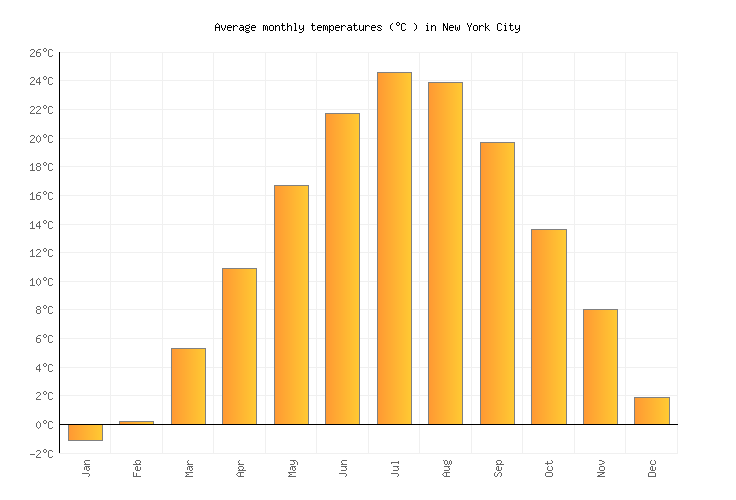
While the immediate temperature is vital for day-to-day planning, a broader understanding of New York, New York’s seasonal climate patterns offers a more comprehensive perspective for travelers. The city experiences four distinct seasons, each with its unique characteristics and appeal.
Spring (March – May)
- Temperatures: Spring in New York City is a period of transition. Early spring can still be quite chilly, with average temperatures ranging from the low 40s to the low 60s Fahrenheit (4°C to 17°C). By late spring, temperatures become pleasantly warm, often reaching the 70s Fahrenheit (21°C and above).
- Precipitation: Spring can be a wet season, with frequent rain showers as the weather systems shift. Snow is rare by April but possible in early March.
- Traveler’s Considerations: This is a popular time to visit as the city emerges from winter. Parks begin to bloom, and outdoor cafes start to open. Layers of clothing are essential, as morning and evening temperatures can differ significantly from the midday warmth.
Summer (June – August)
- Temperatures: Summers in New York, New York are typically hot and humid. Daytime temperatures frequently reach the high 80s and 90s Fahrenheit (30°C to 37°C), and heatwaves pushing temperatures into the 100s Fahrenheit (38°C and above) are not uncommon. The high humidity can make these temperatures feel even more intense.
- Precipitation: While generally sunny, summers can experience pop-up thunderstorms, often in the late afternoon or early evening, which can be dramatic but usually short-lived.
- Traveler’s Considerations: Summer is peak tourist season. Outdoor activities like exploring Central Park, visiting rooftop bars, and attending outdoor concerts are popular. Light, breathable clothing is a must, along with sunscreen and hydration. Air-conditioned indoor attractions, such as museums and Broadway theaters, offer respite from the heat.
Autumn (September – November)
- Temperatures: Autumn is often considered the most beautiful season in New York City. September and early October are typically mild and pleasant, with daytime temperatures in the 60s and 70s Fahrenheit (15°C to 25°C). By November, temperatures begin to drop significantly, often falling into the 40s and 50s Fahrenheit (4°C to 15°C).
- Precipitation: Rainfall is moderate, and the skies are often clear, offering crisp, sunny days.
- Traveler’s Considerations: This season is ideal for walking tours, enjoying the vibrant foliage in parks like Prospect Park, and experiencing the city’s cultural events. Packing layers remains important, as the weather can change rapidly, especially as the season progresses towards winter.
Winter (December – February)

- Temperatures: Winters in New York, New York are cold, with average temperatures often hovering in the 20s and 30s Fahrenheit (-6°C to 4°C). However, prolonged cold snaps can bring temperatures well below freezing, sometimes reaching single digits Fahrenheit (-18°C and below).
- Precipitation: Snowfall is common, and while major blizzards can occur, much of the winter precipitation falls as rain or a mix of rain and snow.
- Traveler’s Considerations: Winter transforms New York City into a festive wonderland, particularly around the holidays. Ice skating in Rockefeller Center, visiting holiday markets, and enjoying the city’s world-class indoor attractions are popular. Heavy, warm clothing, including insulated coats, hats, gloves, and waterproof boots, is essential.
Impact on Tourist Activities and Planning
The temperature in New York, New York directly influences the types of activities best suited for a visit and the necessary preparations.
Outdoor Attractions
- Warmer Months (Spring, Summer, Early Autumn): Ideal for exploring iconic outdoor landmarks like the Statue of Liberty, walking across the Brooklyn Bridge, strolling through neighborhoods like Greenwich Village or SoHo, and enjoying parks. Rooftop bars and outdoor dining are also at their peak.
- Colder Months (Late Autumn, Winter): Outdoor activities are more limited but still possible with appropriate gear. Ice skating, holiday light displays, and brisk walks through decorated streets can be enjoyable. Many prefer to focus on indoor attractions during this period.
Indoor Attractions
- Year-Round Appeal: New York City boasts an unparalleled array of indoor attractions that are unaffected by the external temperature. These include:
- World-Class Museums: The Metropolitan Museum of Art, the Museum of Modern Art (MoMA), and the American Museum of Natural History offer hours of exploration.
- Theatrical Performances: A visit to Broadway or Off-Broadway theaters provides a quintessential New York experience, perfect for any weather.
- Shopping: From department stores like Macy’s to boutique shops in various neighborhoods, shopping offers a comfortable way to spend time indoors.
- Culinary Delights: New York City’s diverse dining scene, from Michelin-starred restaurants to iconic delis, is an all-weather attraction.
Packing and Wardrobe Considerations
The current temperature and the general climate forecast are the primary determinants of what to pack.
- Layering is Key: Regardless of the season, New York weather can be unpredictable. Packing layers—t-shirts, long-sleeved shirts, sweaters, and a versatile jacket—allows for easy adaptation to changing conditions.
- Footwear: Comfortable walking shoes are essential for exploring the city on foot. Waterproof options are advisable for rainy or snowy periods.
- Outerwear: A light jacket or windbreaker is suitable for spring and fall. A warm, insulated, and waterproof coat is indispensable for winter.
- Accessories: Scarves, hats, and gloves are vital for cold weather. Sunglasses and sunscreen are necessary for sunny days, especially during warmer months.
Frequently Asked Questions About [New York]’s Temperature
To further assist travelers, here are some common inquiries regarding the temperature in New York, New York.
What is considered a “mild” temperature in New York City?
Mild temperatures are generally perceived to be between 60°F and 75°F (15°C to 24°C), with low humidity and clear skies. This range typically occurs during spring and fall, making it ideal for extensive outdoor exploration.
How does the temperature vary across different boroughs?
While the general temperature is uniform across New York City, microclimates can exist. Areas near large bodies of water, like Brooklyn or Queens along the coast, might experience slightly cooler temperatures due to sea breezes in the summer and potentially more wind in the winter. Inland areas, particularly those with more concrete and less green space, can sometimes feel warmer due to the urban heat island effect.
Is it possible to experience snow in New York City during spring or fall?
While uncommon, light snow flurries are possible in early March and late November. However, significant snowfall typically occurs between December and February. These early or late-season snow events are usually short-lived and do not accumulate substantially.
What are the best times to visit New York City for pleasant weather?
The most pleasant weather is generally found during the shoulder seasons: April to May and September to October. During these months, temperatures are typically moderate, and humidity levels are lower than in the peak summer. However, each season offers its unique charm, and the “best” time to visit ultimately depends on individual preferences and the desired activities.

How can I find reliable weather forecasts for New York, New York?
Reliable sources include national weather services, reputable weather apps, and established meteorological websites. It’s often advisable to check a few different sources for a comprehensive understanding of the forecast, especially for longer trips. Paying attention to hourly forecasts and “feels like” temperatures can significantly enhance planning.
LifeOutOfTheBox is a participant in the Amazon Services LLC Associates Program, an affiliate advertising program designed to provide a means for sites to earn advertising fees by advertising and linking to Amazon.com. Amazon, the Amazon logo, AmazonSupply, and the AmazonSupply logo are trademarks of Amazon.com, Inc. or its affiliates. As an Amazon Associate we earn affiliate commissions from qualifying purchases.