
Navigating the vibrant and sprawling metropolis of New York City is an essential part of the urban experience, and for many, the MTA MetroCard is the key to unlocking its diverse neighborhoods. Understanding the pricing structure and options available is crucial for both seasoned visitors and first-time adventurers aiming to maximize their time and budget. This guide delves into the cost of a MetroCard in New York, outlining the different fare types and how they can be most effectively utilized for your travel plans.
Understanding MetroCard Fare Structures
The cost of a MetroCard is not a one-size-fits-all proposition. The Metropolitan Transportation Authority (MTA) offers a variety of fare options designed to cater to different usage patterns and budgets. The fundamental unit of travel on the NYC subway and bus system is a “ride.”
Pay-Per-Ride MetroCards
The most common and straightforward option is the Pay-Per-Ride MetroCard. These cards allow you to load a monetary value onto them, and each ride deducts a set fare from that balance. As of the latest updates, the standard fare for a single ride on the subway or bus is $2.90.
Benefits of Pay-Per-Ride:
- Flexibility: Ideal for individuals who are not planning extensive daily travel or who are exploring a specific area of the city for a short period. You only pay for what you use.
- Sharing: A single Pay-Per-Ride MetroCard can be shared among multiple people. As long as there is sufficient balance on the card, each person can swipe it for their ride. This can be a cost-effective strategy for couples or small groups traveling together.
- Bonuses: Historically, the MTA has offered bonus fares when purchasing certain amounts on Pay-Per-Ride cards. For instance, purchasing $5.00 or more might have yielded a small bonus, effectively giving you a few extra cents of value per ride. It is advisable to check the current bonus structure at any MetroCard vending machine or the MTA website for the most up-to-date information.
Cost Considerations for Pay-Per-Ride:
If you plan on taking more than 11 rides in a short period, the cost of individual rides can start to add up. For example, 10 rides would cost $29.00. This makes it important to estimate your daily transit needs to determine if other options might be more economical.
Unlimited Ride MetroCards
For those who anticipate frequent use of public transit, such as daily commuters, tourists spending several days exploring New York, or individuals attending events across different boroughs, Unlimited Ride MetroCards offer significant savings. These cards provide unlimited access to the subway and bus systems for a specified period, with no per-ride charges.
Types of Unlimited Ride MetroCards:
- 7-Day Unlimited Ride MetroCard: This card is a popular choice for visitors and offers unlimited travel for seven consecutive days from the first use. As of recent pricing, the cost for a 7-Day Unlimited Ride MetroCard is $34.00. This breaks down to an average cost of $4.86 per day, making it highly cost-effective if you plan on taking at least 3-4 rides per day on average.
- 30-Day Unlimited Ride MetroCard: This option is best suited for longer stays or for residents who rely heavily on public transportation. The cost for a 30-Day Unlimited Ride MetroCard is $132.00. This translates to approximately $4.40 per day, offering even greater savings for dedicated users. This option is typically beneficial if you anticipate taking more than 45 rides within the 30-day period.
Important Notes on Unlimited Ride MetroCards:
- Consecutive Days: The unlimited period begins the first time you swipe the card. It is not a calendar-based period.
- Personal Use: Unlimited Ride MetroCards are generally for individual use and cannot be shared among multiple passengers for the same ride. Each person needs their own card.
- Express Buses: While most local bus routes and all subway lines are covered, some express bus routes may require a higher fare or may not be fully covered by the standard unlimited pass, often requiring a separate fare or a higher-tier unlimited pass. Always check route specifics.
Fare Changes and Future Developments
It is crucial to note that public transit fares, including those for the MetroCard, are subject to change. The MTA periodically reviews and adjusts its fare structure to meet operational costs and service improvements. Therefore, always confirm the latest pricing at MetroCard vending machines, the official MTA website, or through reliable transit apps before your visit or purchase.
The MTA is also in the process of transitioning to a new fare payment system, OMNY (One Metro New York). This contactless payment system allows riders to tap their contactless credit/debit card or a smart device directly at the fare gate. While the MetroCard is still widely in use, OMNY is becoming increasingly prevalent. Notably, OMNY also offers a fare capping system, meaning that after a certain number of rides within a week (starting Monday and ending Sunday), you will not be charged for subsequent rides, effectively providing the benefits of an unlimited pass without the upfront purchase. The weekly fare cap is currently set at the equivalent of a 7-Day Unlimited Ride MetroCard. This offers a more flexible approach for occasional users who may not use transit enough to justify a full weekly pass but might still benefit from the capping system.
Where to Purchase Your MetroCard
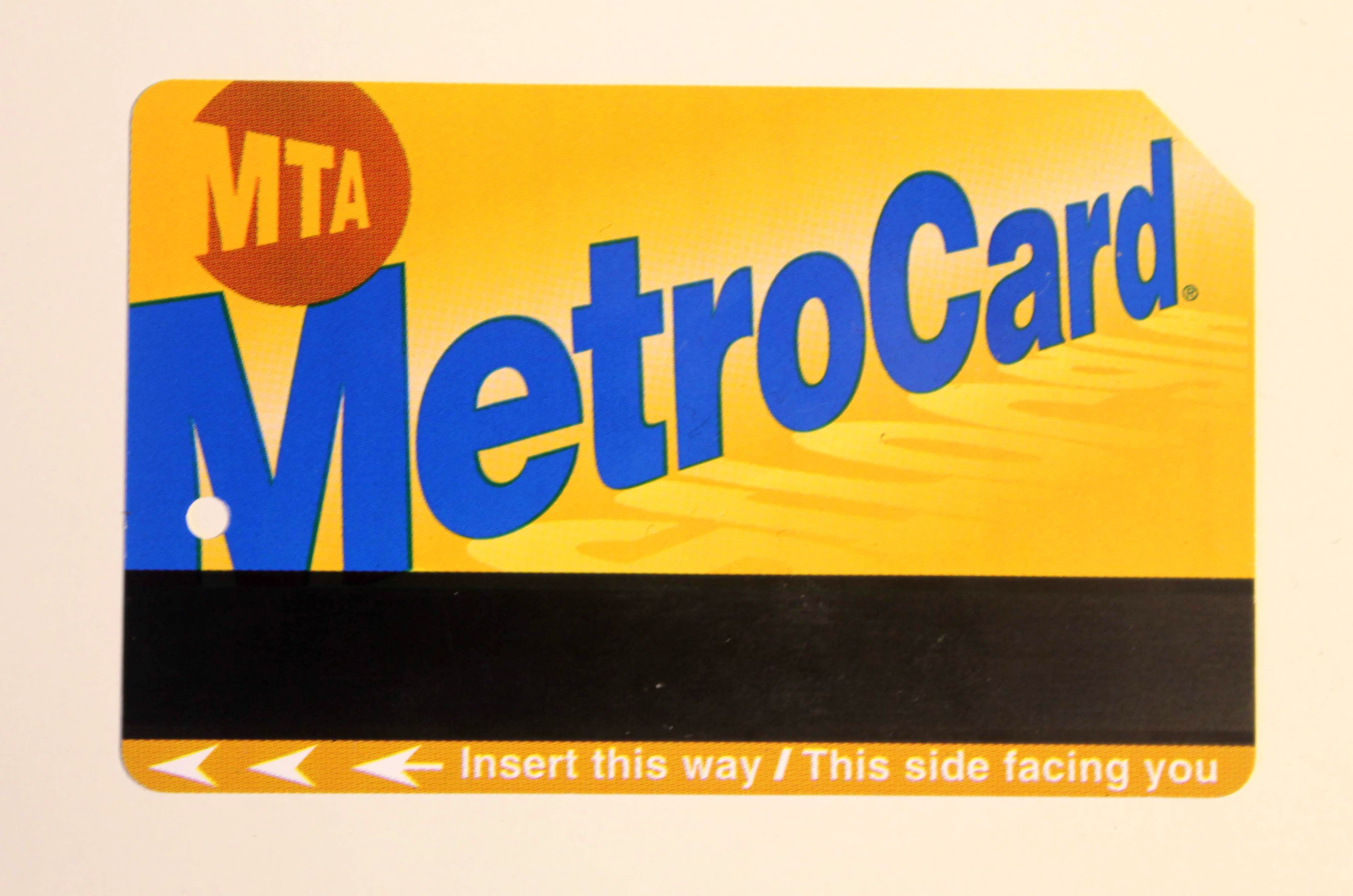
Acquiring a MetroCard in New York is a simple process, with options available across the city’s transit network.
MetroCard Vending Machines
The primary and most convenient place to purchase a MetroCard is at the MetroCard vending machines located in virtually every subway station. These machines accept cash, credit cards, and debit cards.
Using the Vending Machines:
- Select Language: The machines offer multiple language options.
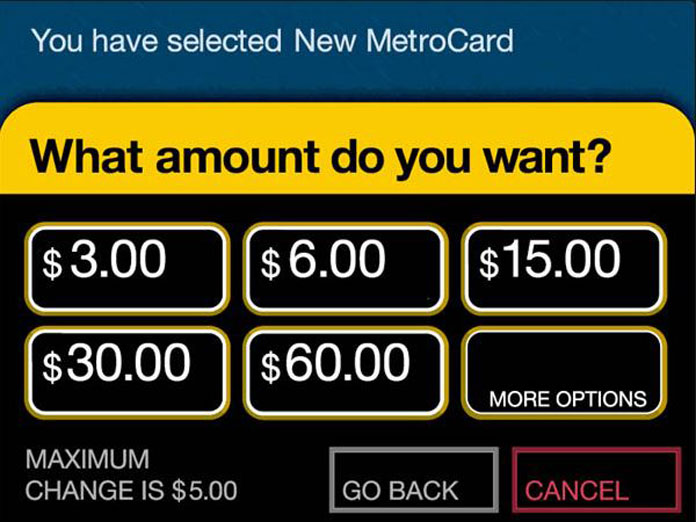
- Choose Card Type: You will be prompted to select either a new MetroCard or to add value to an existing one.
- Select Fare Type: Choose between Pay-Per-Ride or Unlimited Ride options. If selecting Unlimited, choose the duration (7-day or 30-day).
- Enter Amount (for Pay-Per-Ride): If opting for Pay-Per-Ride, you can specify the amount you wish to load onto the card. Remember to consider any potential bonus offers.
- Payment: Insert your cash, credit, or debit card to complete the transaction.
- Collect Card: The machine will dispense your new MetroCard.
Card Purchase Fee:
A new MetroCard typically incurs a small purchase fee, usually $1.00. This fee is a one-time charge when you first obtain a card. This fee is waived if you are adding value or purchasing a new card under the OMNY system’s tap-and-go functionality, which is encouraging the transition away from physical cards.
Authorized Retailers
Beyond the subway stations, MetroCards can also be purchased and refilled at numerous authorized retail locations throughout the city. These include many convenience stores, pharmacies, and newsstands. A list of these locations can be found on the MTA website. This option can be convenient if you are not near a subway station or prefer to use cash.
Maximizing Your MetroCard Investment
To make the most of your MetroCard in New York, strategic planning is key.
Estimating Your Usage
Before purchasing, consider your itinerary.
- Short Stays (1-3 days): If you plan to see iconic landmarks like the Statue of Liberty, explore areas like Times Square, or visit museums such as the Metropolitan Museum of Art on a few occasions, a Pay-Per-Ride card might be sufficient. For instance, if you anticipate taking 5-7 rides over three days, a Pay-Per-Ride card loaded with $20-$25 would likely cover your needs.
- Mid-Length Stays (4-6 days): If your schedule includes more extensive exploration, perhaps venturing to different neighborhoods like Brooklyn or visiting multiple attractions daily, a 7-Day Unlimited Ride MetroCard for $34.00 becomes a very attractive option. This allows for spontaneous travel without the constant worry of fare costs.
- Long Stays or Frequent Use: For stays exceeding a week or for individuals who will be commuting daily, the 30-Day Unlimited Ride MetroCard at $132.00 offers the best value.
The Benefits of OMNY
As mentioned, the ongoing rollout of OMNY is transforming fare payment. For many, especially those with smartphones or contactless credit cards, OMNY offers a seamless experience. The ability to tap and go eliminates the need to purchase or manage a physical MetroCard. Furthermore, the weekly fare capping ensures that you never pay more than the equivalent of a 7-Day Unlimited Ride pass, even if you purchase your rides individually through OMNY. This flexibility is particularly beneficial for tourists whose daily transit needs can fluctuate.
Keeping Your MetroCard Safe
Treat your MetroCard like cash. If it is lost or stolen, the value on it cannot be recovered, especially for Pay-Per-Ride cards. Unlimited Ride cards are also not replaceable if lost or stolen. Always keep your card in a secure place.
Conclusion
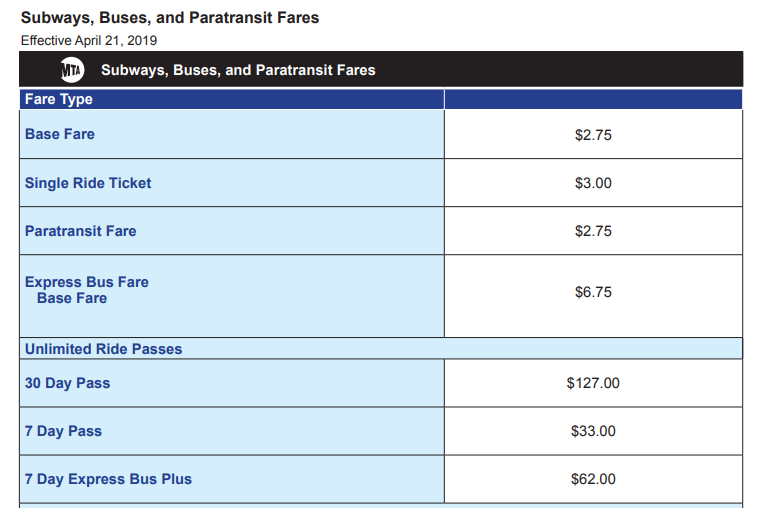
The cost of a MetroCard in New York varies depending on your chosen fare structure and the duration of your intended use. A single ride costs $2.90, a 7-Day Unlimited Ride pass is $34.00, and a 30-Day Unlimited Ride pass is $132.00. With the introduction of OMNY, fare capping provides an additional layer of cost-effectiveness for those opting for contactless payments. By carefully assessing your travel plans and understanding the available options, you can ensure efficient and economical transit throughout this iconic city, from the bustling streets of Manhattan to the vibrant neighborhoods of Queens and beyond. Remember to always check the official MTA website for the most current pricing and policy updates.
LifeOutOfTheBox is a participant in the Amazon Services LLC Associates Program, an affiliate advertising program designed to provide a means for sites to earn advertising fees by advertising and linking to Amazon.com. Amazon, the Amazon logo, AmazonSupply, and the AmazonSupply logo are trademarks of Amazon.com, Inc. or its affiliates. As an Amazon Associate we earn affiliate commissions from qualifying purchases.