
Understanding the minimum wage for servers in Florida is crucial for both employees seeking fair compensation and employers aiming for legal compliance and a thriving hospitality sector. The state’s wage structure, particularly for tipped employees, presents a unique dynamic that significantly impacts the earnings of those working in restaurants, bars, and other service-oriented establishments across the Sunshine State. This delves into the specifics of Florida’s minimum wage laws for servers, exploring the differences from the general minimum wage, the role of tips, and the broader implications for the tourism industry.
Understanding Florida’s Tipped Minimum Wage
In Florida, a distinct minimum wage applies to employees who customarily and regularly receive more than $30 per month in tips. This is often referred to as the “tipped minimum wage” or “service charge employee minimum wage.” The rationale behind this separate wage structure is the expectation that tips, when combined with the lower base wage, will bring the employee’s total earnings up to, or exceeding, the standard minimum wage.
The Base Wage for Tipped Employees
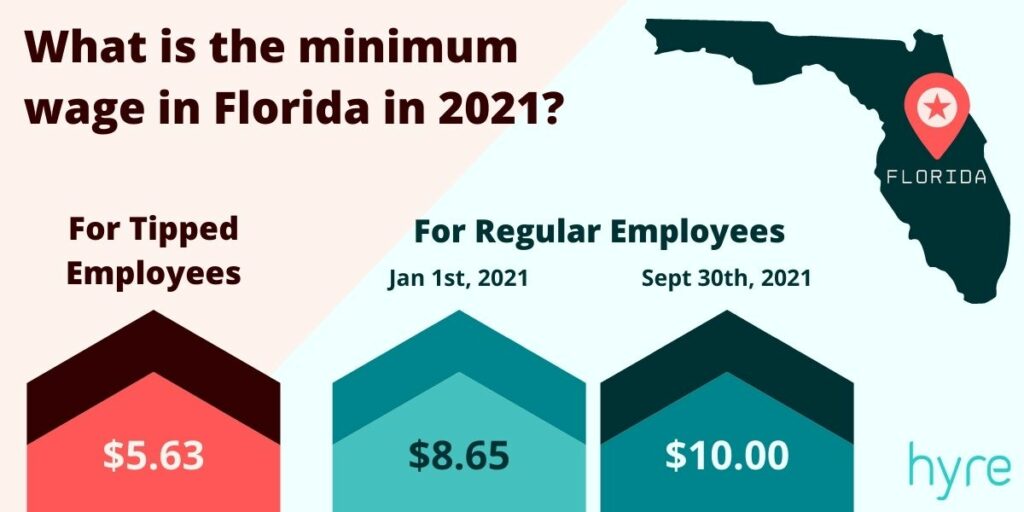
As of January 1, 2024, the direct cash minimum wage for tipped employees in Florida is $8.98 per hour. This is a significantly lower rate than the state’s general minimum wage for non-tipped employees. It is imperative for employers to understand that this base wage is only part of the equation. The law mandates that if an employee’s tips, combined with this $8.98 per hour base wage, do not equal at least the state’s general minimum wage for the pay period, the employer must make up the difference.
The General Minimum Wage in Florida
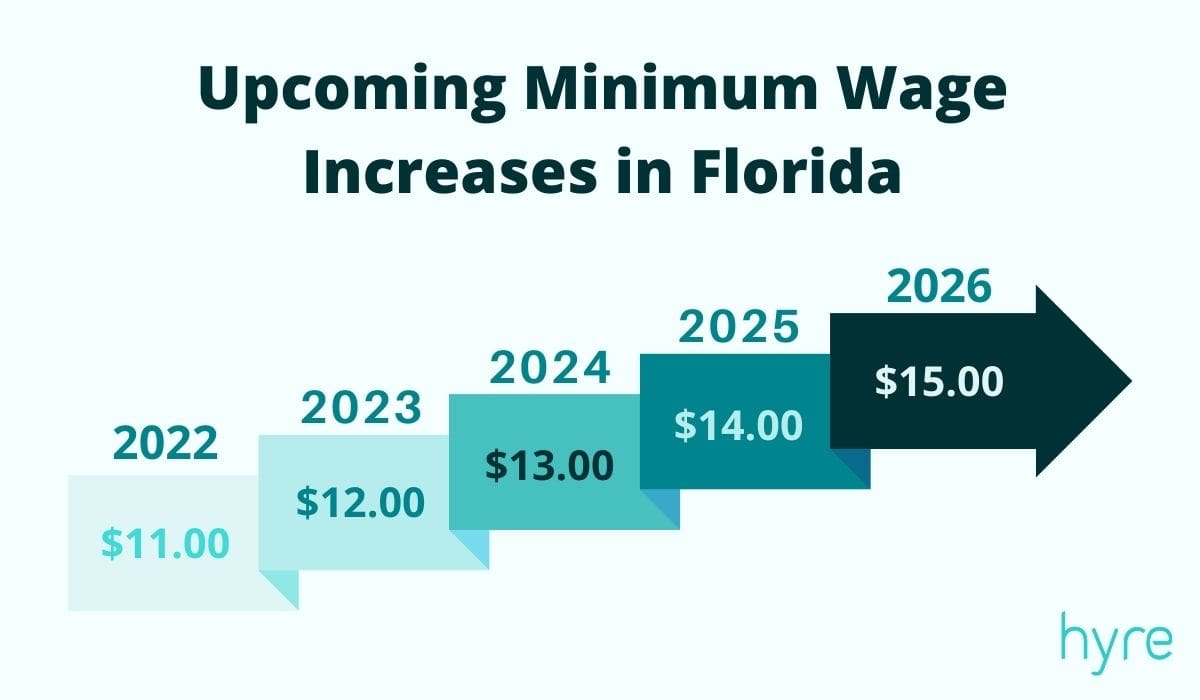
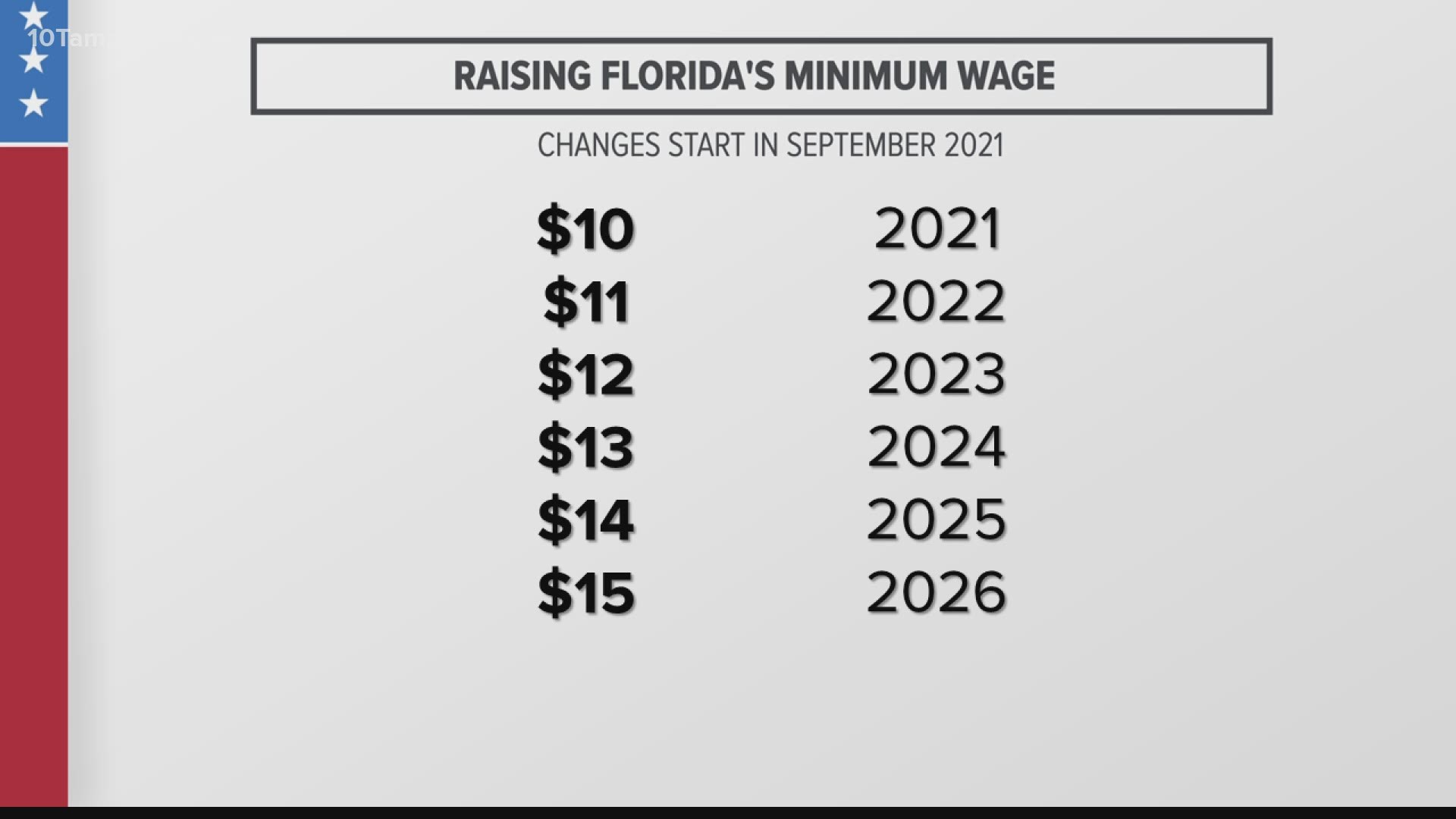
To fully grasp the tipped minimum wage, one must also consider the state’s general minimum wage. For 2024, the general minimum wage in Florida is $13.00 per hour. This is the minimum amount an employer must pay an employee for each hour worked, regardless of whether the employee receives tips. The tipped minimum wage is designed to work in conjunction with tips to reach this $13.00 per hour threshold.
The Tip Credit
The mechanism that allows employers to pay a lower cash wage to tipped employees is known as the “tip credit.” Employers can take a tip credit of up to $4.02 per hour (the difference between $13.00 and $8.98). This credit effectively allows the employer to count a portion of the employee’s tips towards meeting the minimum wage obligation. However, this credit is contingent on the employee actually receiving sufficient tips to bring their total hourly earnings to at least $13.00.
Employer Obligations and Employee Rights
The tipped minimum wage system places specific responsibilities on employers and grants certain rights to employees to ensure fair compensation.
Ensuring the Minimum Wage Threshold
Employers are legally obligated to ensure that tipped employees earn at least the general minimum wage of $13.00 per hour. If, at the end of a pay period, an employee’s cash wages ($8.98 per hour) plus their reported tips do not equal $13.00 per hour, the employer must pay the employee the difference. For example, if a server works 40 hours in a week and earns $100 in tips, their total earnings would be (40 hours * $8.98/hour) + $100 = $359.20 + $100 = $459.20. To find the average hourly earnings, divide by 40 hours: $459.20 / 40 hours = $11.48 per hour. In this scenario, the employer would need to pay an additional $1.52 per hour ($13.00 – $11.48) for those 40 hours to meet the minimum wage requirement.
Tip Reporting and Pooling
Employees are expected to accurately report all tips received. This is crucial for both tax purposes and for the employer’s ability to calculate whether the minimum wage threshold has been met. Employers are generally prohibited from keeping any portion of an employee’s tips, except in specific circumstances such as valid tip-pooling arrangements. Tip pooling allows employees to share a portion of their tips with other staff members who contribute to the service, such as bussers, dishwashers, or bartenders. However, managers and owners are typically not allowed to participate in tip pools.
Recordkeeping Requirements
Employers must maintain accurate records of tips received by each employee. This includes daily records of tips received and hours worked. These records are essential for demonstrating compliance with minimum wage laws and for tax reporting.
The Impact on Florida’s Hospitality Industry
The minimum wage structure for servers in Florida has a profound and multifaceted impact on its vibrant hospitality sector, which is a cornerstone of the state’s economy, attracting millions of visitors annually to destinations like Orlando and Miami.
Attracting and Retaining Talent
A competitive wage structure, even with the complexities of tipped wages, is vital for attracting and retaining skilled service staff. While the lower base wage might seem like a disadvantage, the potential for high earnings through tips can be a significant draw for ambitious individuals. However, inconsistent earnings due to fluctuating customer traffic or inadequate tipping can lead to high turnover, impacting service quality and operational efficiency for businesses.
Customer Experience and Service Quality
The earning potential tied to customer satisfaction can incentivize servers to provide excellent service. When servers can directly influence their income through their performance, there’s a natural motivation to be attentive, efficient, and friendly. This can directly translate into a more positive experience for tourists and locals alike, enhancing the reputation of establishments and contributing to the overall appeal of Florida as a destination.
Economic Considerations for Businesses
For businesses, the tipped minimum wage system can offer some cost savings on labor compared to paying the full general minimum wage to all service staff. However, employers must carefully manage their payroll to ensure they are meeting their obligations, especially during slower periods or when tip income is lower than anticipated. The cost of labor is a significant operational expense, and striking a balance between competitive compensation and business profitability is a constant challenge.
Future Trends and Legislation
The conversation around minimum wage, including for tipped employees, is ongoing. Advocacy groups and labor organizations frequently push for increases in the tipped minimum wage, arguing that it provides a more stable and predictable income for workers. Proposed legislation at both the state and federal levels could alter the current system. For instance, some proposals aim to eliminate the tipped minimum wage altogether, requiring employers to pay all employees at least the general minimum wage before tips. Such changes would significantly alter the economic landscape for many businesses and workers in the Florida hospitality industry.
Navigating the Tipped Wage Landscape
For servers in Florida, understanding their rights and responsibilities is paramount. This includes diligently tracking tips, being aware of the difference between the cash wage and the general minimum wage, and knowing how to identify discrepancies in their pay. For employers, clear communication, accurate record-keeping, and a commitment to fair compensation practices are essential for fostering a positive work environment and ensuring legal compliance. The interplay between tipped wages, customer generosity, and employer obligations creates a dynamic economic environment that is central to the success of Florida’s renowned tourism and dining scenes.
LifeOutOfTheBox is a participant in the Amazon Services LLC Associates Program, an affiliate advertising program designed to provide a means for sites to earn advertising fees by advertising and linking to Amazon.com. Amazon, the Amazon logo, AmazonSupply, and the AmazonSupply logo are trademarks of Amazon.com, Inc. or its affiliates. As an Amazon Associate we earn affiliate commissions from qualifying purchases.