
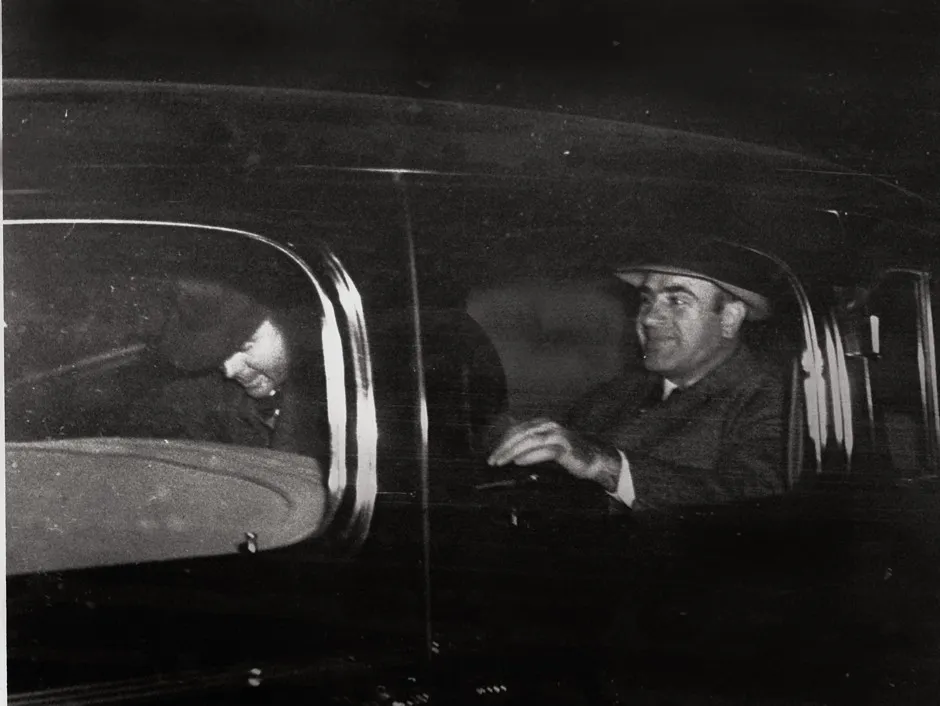
New York City, a metropolis pulsating with an energy unlike any other, has long been a backdrop for tales of intrigue and power. For decades, the specter of organized crime, particularly the Italian-American Mafia, loomed large in the city’s narrative. From the legendary figures of Vito Genovese to John Gotti, their influence, often depicted in captivating films and literature, seemed as integral to the city’s fabric as its iconic skyscrapers. But in the 21st century, in an era of sophisticated law enforcement and evolving societal structures, the question persists: Is the Mob still active in New York?

The answer, while perhaps less dramatic than the Hollywood portrayals, is nuanced. The traditional, highly visible, and expansive operations of the Mafia have undoubtedly diminished. However, to declare them entirely gone would be a miscalculation. Organized crime in New York has adapted, operating with greater discretion and diversifying its criminal enterprises.
The Shifting Landscape of Organized Crime
The golden age of the Mafia, characterized by its overt control over various industries and its public persona, began to wane in the latter half of the 20th century. This decline can be attributed to several key factors:
Law Enforcement Successes
A concerted and sustained effort by federal and local law enforcement agencies has been instrumental in dismantling key Mafia hierarchies. The Racketeer Influenced and Corrupt Organizations Act (RICO) proved to be a particularly potent weapon, allowing prosecutors to target the leadership structure of criminal organizations by proving a pattern of racketeering activity. High-profile prosecutions and convictions in the late 20th century, such as those against members of the Five Families, significantly weakened their operational capacity and public influence. These legal victories disrupted traditional rackets and instilled a greater sense of caution among those involved.
Internal Challenges and Generational Shifts
The Mafia, like any organization, faces internal challenges. The passing of older, established leaders has created voids that are not always seamlessly filled. Younger generations of criminals may not possess the same ingrained loyalty or adherence to the strict code of conduct that characterized earlier eras. Furthermore, the allure of traditional Mafia life may have diminished for some, with opportunities in legitimate businesses or other, less scrutinized forms of criminal activity proving more attractive. The emphasis on secrecy and avoiding attention, a byproduct of law enforcement pressure, has also meant a less visible and arguably less powerful presence.
Diversification of Criminal Enterprises
While their influence in industries like labor unions, construction, and waste management may have lessened, the modern iteration of organized crime has not disappeared; it has merely evolved. The focus has shifted towards more clandestine and globally connected operations. These include:
Cybercrime and Financial Fraud
The digital age presents new frontiers for criminal activity. Sophisticated cyberattacks, identity theft, credit card fraud, and various forms of financial scams are increasingly sophisticated and often facilitated by organized groups. These operations can be incredibly lucrative and are harder to trace back to specific individuals or traditional hierarchical structures.
Drug Trafficking and Distribution
While not a new venture, drug trafficking remains a significant revenue stream for organized crime. The complex networks involved in sourcing, transporting, and distributing illicit substances across borders and within New York continue to operate, albeit with advanced logistics and a greater reliance on technology for communication and coordination.

Extortion and Loan Sharking
These classic Mafia rackets continue to exist, though they are often conducted with more subtlety. Extortion might manifest through threats of violence or reputational damage, while loan sharking operates through aggressive debt collection tactics. These activities prey on vulnerable individuals and small businesses.
Counterfeiting and Intellectual Property Theft
The production and distribution of counterfeit goods, from designer apparel to electronics, and the theft of intellectual property are significant sources of income. Organized crime syndicates often control the distribution channels for these illicit products, profiting from the high demand for seemingly legitimate items at lower prices.
The Persistent Presence in New York
Despite the challenges and the evolution of their methods, traces of organized crime’s influence can still be observed in New York. While overt displays of power are rare, law enforcement agencies continue to monitor and investigate potential criminal activities linked to these groups.
Subtle Infiltration and Influence
Instead of outright control, organized crime groups may now seek to exert influence through more subtle means. This could involve bribing officials, pressuring businesses indirectly, or operating within the shadowy corners of various industries. The goal is to profit without drawing the kind of attention that led to the downfall of their predecessors. The romanticized image of the Mafia boss making public pronouncements is long gone; today’s operators prefer anonymity.
Impact on Local Communities
While less visible, the impact of organized crime can still be felt within certain communities. Loan sharking can trap individuals in cycles of debt, extortion can stifle legitimate small businesses, and drug trafficking fuels addiction and associated social problems. These issues, while not always directly attributable to a specific Mafia family, often bear the hallmarks of organized criminal activity.
The Role of Modern Technology
Modern organized crime groups leverage technology in ways that their predecessors could not have imagined. Encrypted communication, offshore financial accounts, and the use of the dark web facilitate their operations, making them harder to track and prosecute. This technological sophistication allows them to remain one step ahead of many investigative efforts.
Conclusion: A Changed, Yet Enduring Threat
The traditional image of the Mafia as a monolithic, highly visible force controlling entire sectors of New York is largely a relic of the past. However, the underlying principle of organized criminal groups seeking profit and power through illicit means remains. The Mob, in its 21st-century incarnation, is less about flashy suits and public pronouncements and more about discreet operations, global networks, and the exploitation of new technologies.
Law enforcement agencies remain vigilant, and ongoing investigations continue to uncover the activities of these groups. While they may not command the same level of public fear or political influence as they once did, the adapted and diversified nature of organized crime in New York means that the threat, though transformed, is still very real. Travelers visiting New York will likely experience the vibrant culture and iconic landmarks, unaware of the subtle undercurrents that still persist beneath the city’s dazzling surface. The question isn’t whether the Mob is active, but rather how their activities have evolved in response to a changing world.
LifeOutOfTheBox is a participant in the Amazon Services LLC Associates Program, an affiliate advertising program designed to provide a means for sites to earn advertising fees by advertising and linking to Amazon.com. Amazon, the Amazon logo, AmazonSupply, and the AmazonSupply logo are trademarks of Amazon.com, Inc. or its affiliates. As an Amazon Associate we earn affiliate commissions from qualifying purchases.