
Florida’s automotive insurance landscape has undergone significant transformations over the years, most notably with its shift to a “no-fault” system. This system, officially known as Personal Injury Protection (PIP), dictates how auto insurance claims are handled in the event of an accident. Understanding the intricacies of Florida’s no-fault insurance is crucial for every driver in the Sunshine State, impacting everything from medical treatment after a crash to the financial implications of an accident.
The Core Principles of Florida’s No-Fault System
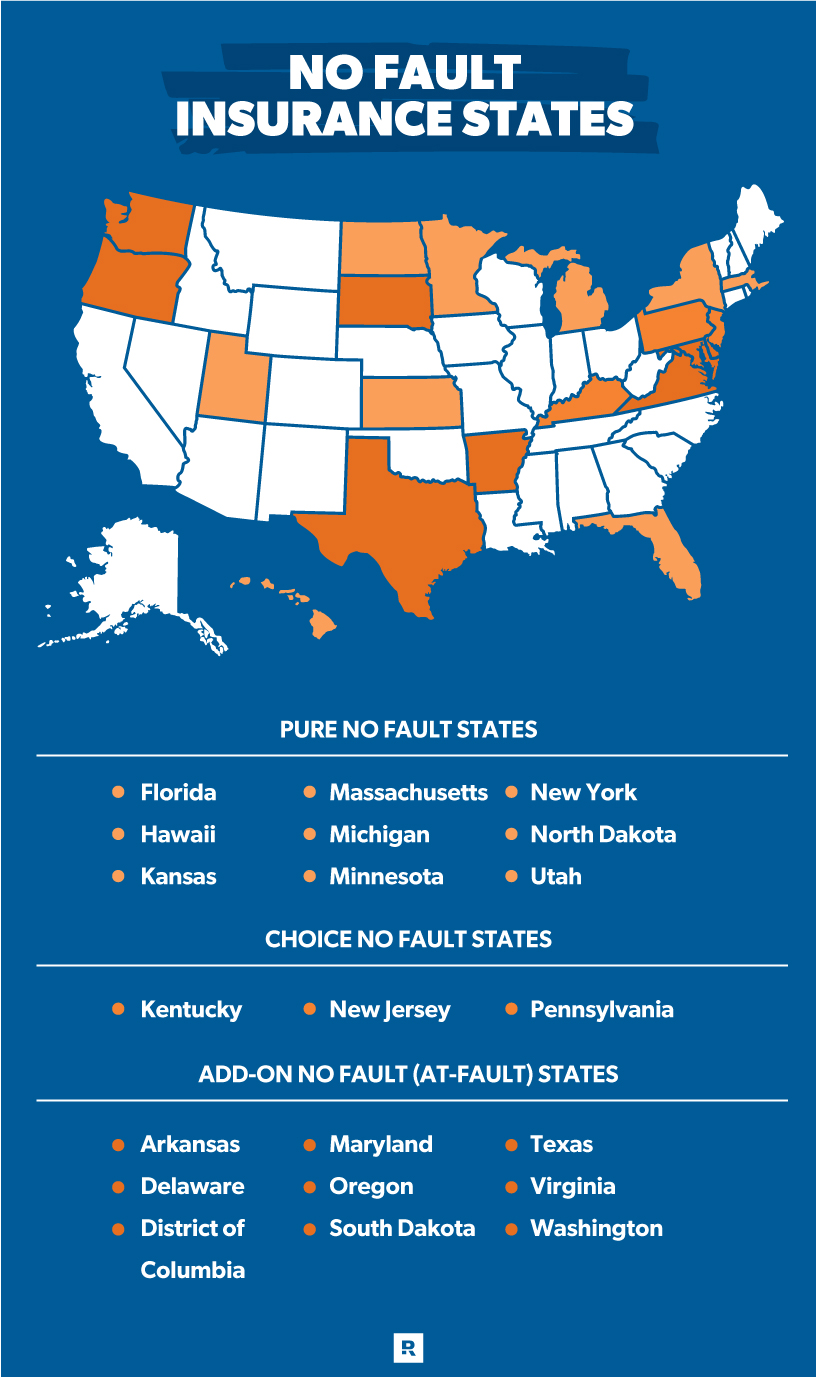
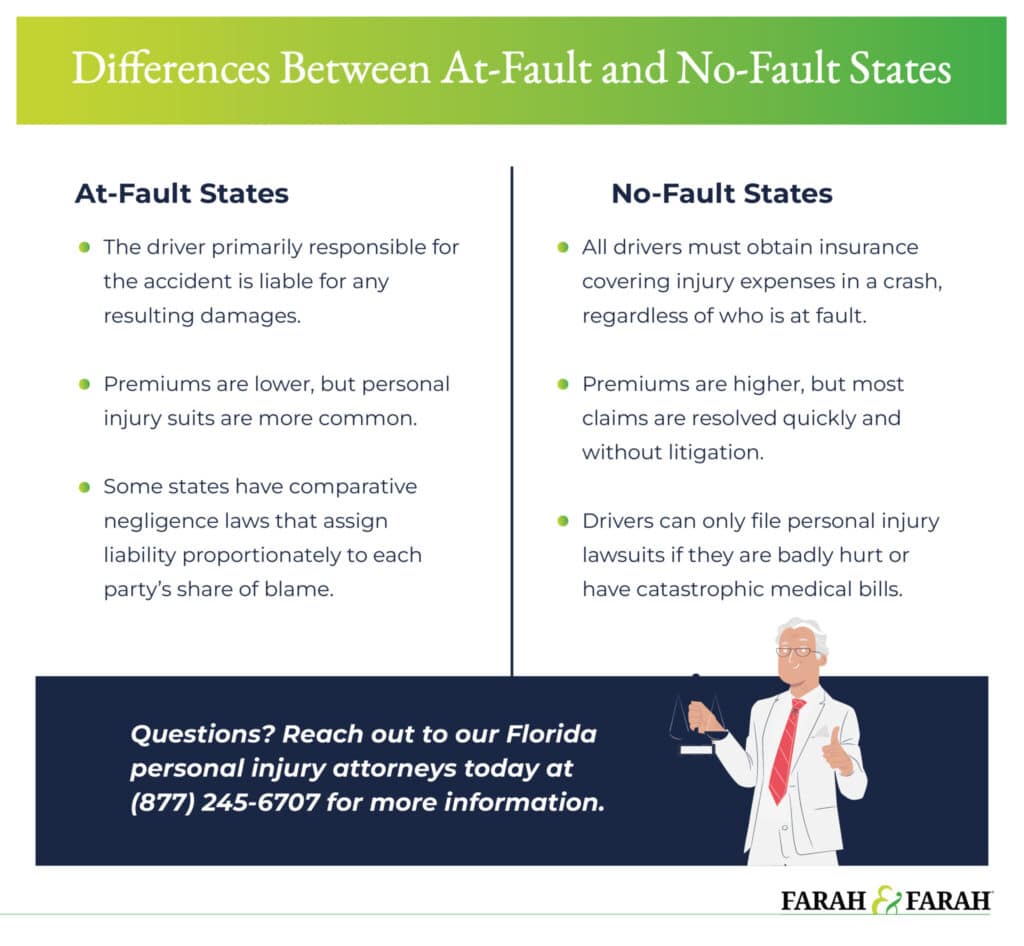
At its heart, Florida’s no-fault insurance system, established by Florida Statute 627.730-627.7405, aims to expedite the payment of medical bills and lost wages for individuals injured in a car accident, regardless of who was at fault. The primary purpose is to ensure that injured parties receive prompt medical attention without the need to establish legal fault through lengthy investigations or lawsuits. This means that your own insurance company provides coverage for your medical expenses and lost income up to your policy limits, even if another driver caused the accident.
Personal Injury Protection (PIP)
The cornerstone of Florida’s no-fault system is Personal Injury Protection (PIP). Every Florida driver is required to carry a minimum of $10,000 in PIP coverage. This coverage is designed to pay for:
- Medical Expenses: Up to 80% of all necessary and reasonable medical expenses incurred as a result of a covered accident. This includes services from doctors, hospitals, surgeons, ambulances, diagnostic screenings, and more.
- Lost Wages: Up to 60% of lost wages or loss of income if you are unable to work due to injuries sustained in the accident. This is subject to policy limits and the determination of lost earning capacity.
- Death Benefits: In the unfortunate event of a fatality, PIP coverage provides a death benefit of $5,000 to the deceased’s beneficiaries, in addition to any medical or lost wage benefits that may have been paid.
It’s important to note that PIP coverage applies to you and your passengers, regardless of who is at fault in the accident. This is the “no-fault” aspect. Your own PIP insurance will pay for your initial medical treatment and lost income.
Exclusions and Limitations
While the no-fault system aims for swift compensation, it’s not without its limitations. One of the most significant is the “24-hour rule” and the “$2,500 threshold” for medical treatment.
- 24-Hour Rule: To be eligible for full PIP benefits for medical treatment, you must seek treatment from a qualified medical provider within 24 hours of the accident. Failure to do so can result in the denial of some or all of your PIP medical benefits.
- $2,500 Threshold: For injuries that are not deemed an “emergency medical condition” (EMC), you must incur at least $2,500 in medical expenses within 60 days of the accident to receive further PIP medical benefits. If your injuries are not serious enough to meet this threshold or are not considered an EMC, your PIP coverage for medical expenses may be capped at $2,500.
Emergency Medical Condition (EMC): An EMC is defined as a medical condition that, in the judgment of a licensed physician, presents a threat of death, disability, serious impairment to a bodily function, or serious disfigurement. If your injuries meet the criteria for an EMC, the $2,500 threshold may be waived, and you may be entitled to the full 80% of your medical expenses up to your PIP policy limit.
What is Not Covered by PIP?
PIP coverage is not a comprehensive solution for all accident-related damages. It does not cover:
- Property Damage: Damage to your vehicle or other property is not covered by PIP. This is handled by separate Property Damage Liability (PDL) coverage.
- Pain and Suffering: PIP does not compensate for non-economic damages such as pain, suffering, emotional distress, or loss of enjoyment of life. These damages can typically only be recovered through a liability claim against the at-fault driver, which requires meeting specific legal thresholds.
- Injuries to Others: Your PIP coverage is for your own injuries and those of your passengers. It does not cover the injuries of the at-fault driver or other parties involved in the accident. This is where Bodily Injury Liability (BIL) coverage comes into play.
Beyond the Minimum: Understanding Bodily Injury Liability and Other Coverages
While Florida’s no-fault system mandates PIP, it does not require drivers to carry Bodily Injury Liability (BIL) insurance. This is a significant point of contention and a critical consideration for drivers.
Bodily Injury Liability (BIL)
BIL coverage protects you financially if you cause an accident that injures another person. It pays for the medical expenses, lost wages, and other damages suffered by the injured parties, up to your policy limits. The absence of mandatory BIL coverage in Florida means that many drivers may not have adequate protection if they cause a serious accident, potentially leaving victims to cover their extensive medical bills and lost income through other means, or by pursuing a lawsuit against the at-fault party.
Property Damage Liability (PDL)
PDL coverage is required in Florida and pays for damage to the other party’s vehicle or property if you are at fault for the accident. The minimum required PDL coverage is $10,000. This ensures that some compensation is available for vehicle repairs or replacement.
Optional Coverages
Given the limitations of PIP and the absence of mandatory BIL, many drivers opt for additional optional coverages to enhance their protection:
- Bodily Injury Liability (BIL): As mentioned, this is crucial for protecting yourself from lawsuits and for compensating those you may injure. It’s highly recommended to carry BIL coverage above the minimum state requirements.
- Uninsured/Underinsured Motorist (UM/UIM) Coverage: This coverage is vital in Florida. It protects you if you are involved in an accident with a driver who has no insurance (uninsured) or insufficient insurance (underinsured) to cover your damages. UM/UIM coverage can pay for your medical expenses, lost wages, and pain and suffering when the at-fault driver cannot.
- Collision Coverage: This covers damage to your own vehicle, regardless of who is at fault.
- Comprehensive Coverage: This covers damage to your vehicle from events other than collisions, such as theft, vandalism, fire, or natural disasters.
The Impact of the 2021 Legislative Changes
Florida’s no-fault laws have seen recent significant revisions. In 2021, House Bill 727 was signed into law, introducing substantial changes that began taking effect in 2022. Key aspects of these changes include:
- Elimination of $2,500 Threshold: One of the most impactful changes was the elimination of the $2,500 medical expense threshold for non-emergency injuries. This means that all medically necessary and reasonable treatment for injuries sustained in an accident is now eligible for PIP benefits, regardless of the cost, provided it is within the 80% coverage limit.
- Modified Definition of EMC: The definition of an Emergency Medical Condition (EMC) was also clarified, aiming to ensure that individuals with more serious injuries receive appropriate care and benefits.
- Increased Focus on Liability: The legislative changes also aim to encourage more drivers to carry Bodily Injury Liability (BIL) coverage by emphasizing the importance of protecting victims from significant financial harm.
These reforms represent a significant move towards a system that better aligns with the needs of accident victims, particularly by removing barriers to receiving essential medical care and lost wage compensation.
Navigating the Claims Process
Understanding how to navigate the claims process under Florida’s no-fault system is essential.
When You Are at Fault
If you are involved in an accident and are determined to be at fault, your PIP coverage will still apply to your own injuries and those of your passengers. Your Property Damage Liability (PDL) coverage will pay for the damage to the other party’s vehicle or property. If the other party sustains injuries, and you do not have BIL coverage, they may have to rely on their own PIP and potentially pursue a lawsuit against you if their damages exceed your assets.
When Another Driver is at Fault
If another driver causes the accident, their PIP will cover their injuries and passengers. Your PIP will cover your injuries and your passengers. If the at-fault driver has no insurance or insufficient insurance, your Uninsured/Underinsured Motorist (UM/UIM) coverage, if you have it, would then kick in to cover your damages beyond what their insurance can provide. To seek compensation for pain and suffering, you would typically need to file a liability claim against the at-fault driver, which may require demonstrating that their negligence caused injuries that meet certain legal thresholds (e.g., a significant and permanent injury, disfigurement, or death).
Reporting Accidents
It is always advisable to report any car accident to the police, especially if there are injuries or significant property damage. This creates an official record of the incident, which is crucial for insurance claims. You should also notify your insurance company as soon as possible after the accident, regardless of fault.
Frequently Asked Questions About No-Fault Insurance in Florida
Do I need to carry PIP insurance in Florida?
Yes, Florida law requires all licensed drivers to carry a minimum of $10,000 in Personal Injury Protection (PIP) coverage.
What is the difference between PIP and Bodily Injury Liability (BIL)?
PIP covers your own medical expenses and lost wages, regardless of fault. BIL covers the medical expenses and lost wages of others if you are found to be at fault for an accident. PIP is mandatory; BIL is not, but it is highly recommended.
What happens if I don’t seek medical treatment within 24 hours?
You may lose some or all of your PIP medical benefits if you do not seek treatment from a qualified provider within 24 hours of the accident.
Can I sue someone after a car accident in Florida?
You can sue an at-fault driver in Florida, but typically only if your injuries meet specific legal thresholds, such as a significant and permanent injury, disfigurement, or death, or if your damages exceed the other driver’s insurance policy limits. PIP does not cover pain and suffering, which is usually pursued through a liability claim.
Conclusion
Florida’s no-fault insurance system, centered around Personal Injury Protection (PIP), is designed to provide prompt medical and wage replacement benefits to individuals involved in car accidents. However, its limitations, particularly concerning pain and suffering and the potential financial exposure for at-fault drivers due to the optional nature of Bodily Injury Liability (BIL) coverage, necessitate a comprehensive understanding of the law. Recent legislative changes have aimed to enhance protections for accident victims. For any driver in Florida, carrying adequate insurance coverage, including optional coverages like BIL and UM/UIM, is not just a legal requirement but a critical financial safeguard.
LifeOutOfTheBox is a participant in the Amazon Services LLC Associates Program, an affiliate advertising program designed to provide a means for sites to earn advertising fees by advertising and linking to Amazon.com. Amazon, the Amazon logo, AmazonSupply, and the AmazonSupply logo are trademarks of Amazon.com, Inc. or its affiliates. As an Amazon Associate we earn affiliate commissions from qualifying purchases.