
Becoming a licensed real estate broker in the Sunshine State is a rewarding career path, offering independence, significant earning potential, and the opportunity to guide others through one of the most significant investments they will ever make. Florida boasts a dynamic real estate market, driven by a consistent influx of new residents, a thriving tourism industry, and diverse property types ranging from luxurious beachfront condos in Miami to charming historical homes in St. Augustine. This guide will walk you through the essential steps and requirements to achieve your goal of becoming a licensed real estate broker in Florida.
Understanding the Broker License Requirements in Florida
The journey to becoming a real estate broker in Florida is structured and governed by the Florida Department of Business and Professional Regulation (DBPR), specifically the Florida Real Estate Commission (FREC). They set forth the educational, experiential, and examination requirements designed to ensure that brokers possess the necessary knowledge and competence to serve the public effectively.
Educational Prerequisites
Before you can even consider taking the broker’s examination, you must meet specific educational qualifications. This is a crucial first step and typically involves completing a pre-licensing course that delves into advanced real estate principles, laws, and practices.
Initial Sales Associate License
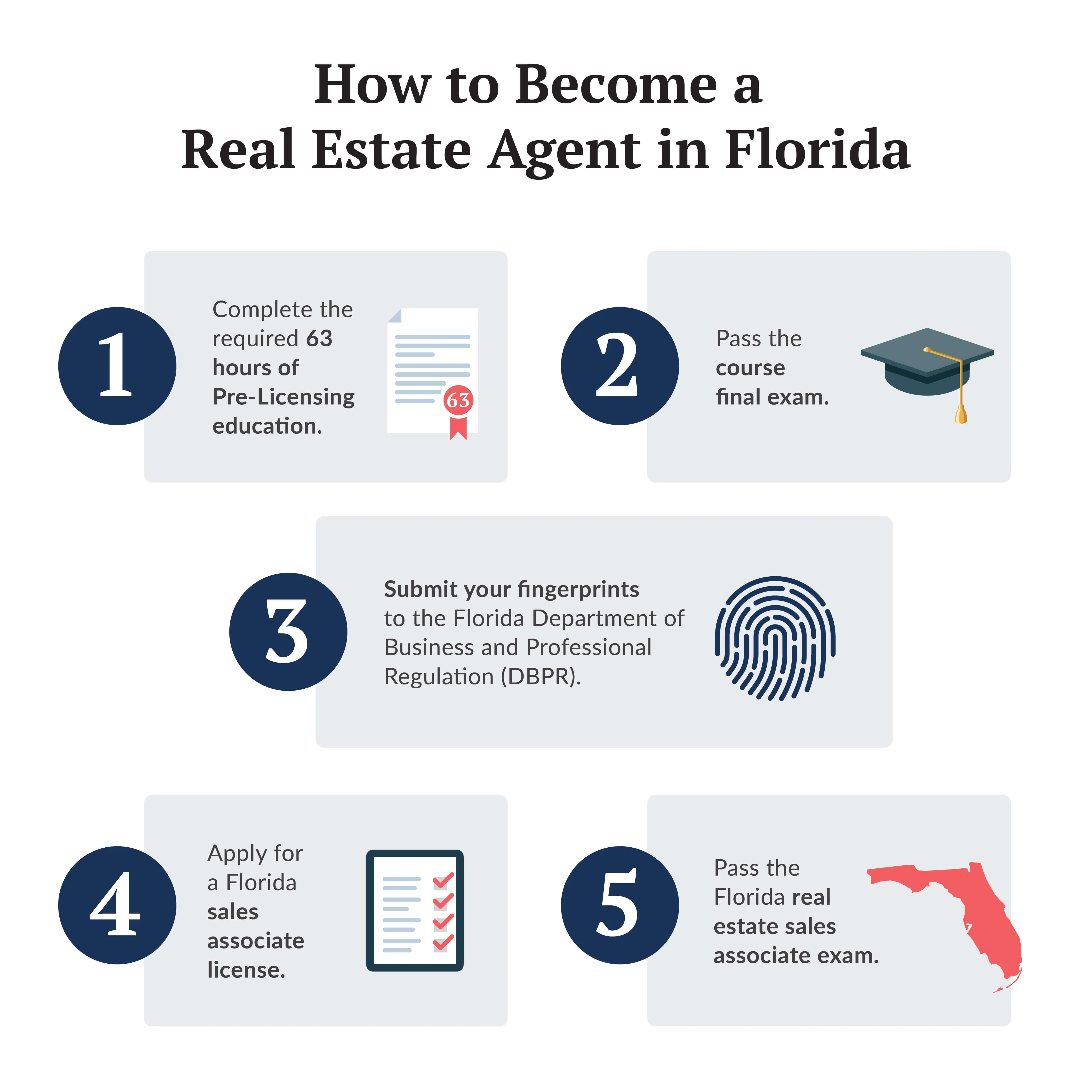
The foundational requirement for aspiring brokers is to first hold an active Florida real estate sales associate license. This license signifies that you have completed the initial 63-hour pre-licensing course and passed the state sales associate examination. You must have held this active sales associate license for a minimum of 24 months within the preceding 5 years. This period of experience is vital for gaining practical knowledge of real estate transactions, client interactions, and market dynamics.
Broker Pre-Licensing Course
Once you meet the experience requirement, the next mandatory educational step is to complete the 72-hour Florida Real Estate Broker Pre-Licensing course. This comprehensive course expands upon the knowledge gained as a sales associate, covering more complex topics such as brokerage management, finance, ethics, property law, and market analysis. It is essential to choose an accredited real estate school that is approved by the DBPR to ensure the course credits are recognized. Upon successful completion of this course, you will receive a certificate, which is necessary for proceeding to the state broker examination.
Experience and Application Process
The educational components are only part of the equation. Florida emphasizes practical experience to ensure brokers are well-prepared for the responsibilities of the role.
Verifying Broker Experience
As mentioned, holding an active Florida real estate sales associate license for at least 24 months within the last 5 years is a non-negotiable requirement. This period allows you to actively participate in real estate transactions, learn from experienced brokers, and develop a nuanced understanding of the industry. The DBPR will require proof of this experience, often through employment verification or statements from previous employing brokers.
Application Submission
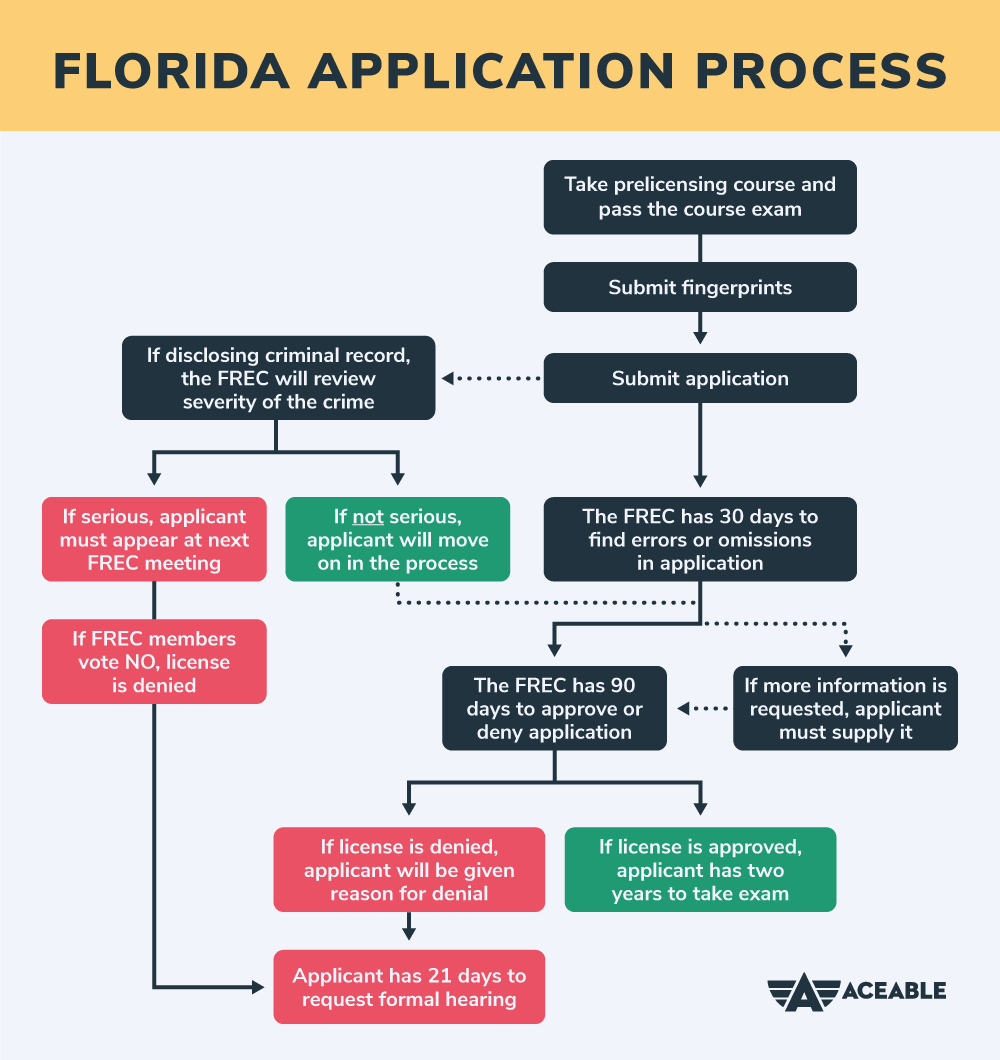
Once you have successfully completed the broker pre-licensing course and confirmed your experience, you can proceed to formally apply for a broker license. This involves submitting a detailed application to the DBPR, which includes personal information, educational history, employment history, and any other required documentation. It is crucial to complete the application accurately and truthfully, as any omissions or inaccuracies can lead to delays or denial of your application. The application fee must also be paid at this stage.
Background Check and Fingerprinting
As part of the licensing process in Florida, all applicants for a real estate license, including brokers, are required to undergo a background check and submit fingerprints. This is a standard procedure to ensure the integrity of the real estate profession and protect consumers. You will typically be instructed on how to schedule your fingerprinting appointment, which must be done through an approved live-scan vendor. Any prior criminal history will be reviewed by the DBPR to determine eligibility.
Passing the Florida Broker License Examination
The final hurdle to obtaining your broker license is passing the state-administered examination. This rigorous test assesses your comprehension of real estate principles, practices, and Florida-specific laws.
Examination Structure and Content
The Florida Real Estate Broker Examination is designed to be challenging and comprehensive. It is divided into two sections: a national portion and a state portion.
National Portion
The national portion of the exam covers general real estate principles and practices that are applicable across the United States. Topics include property ownership, deeds, titles, liens, contracts, agency relationships, and fair housing laws. This section tests your understanding of the foundational concepts that underpin real estate transactions.
State Portion
The state portion of the exam focuses specifically on Florida real estate law and regulations. This includes Florida‘s condominium act, landlord-tenant laws, homestead exemptions, zoning regulations, and the rules governing the Florida Real Estate Commission. It is crucial to thoroughly study Florida-specific legislation, as this section often differentiates between candidates.
Preparing for the Exam
Effective preparation is key to successfully passing the broker examination. Relying solely on the pre-licensing course material may not be sufficient; a dedicated study plan is recommended.
Study Resources and Strategies
Utilizing a variety of study resources can significantly enhance your preparation. This includes reviewing your course materials, utilizing practice exams provided by your real estate school, and consulting reputable real estate exam prep books and online resources. Focus on understanding the “why” behind the laws and principles, rather than just memorizing facts. Practice exams are invaluable for identifying areas where you need more study and for getting accustomed to the exam format and time constraints. Consider forming a study group with other aspiring brokers to discuss challenging topics and quiz each other.
Test-Taking Tips
On the day of the exam, arrive early to allow yourself time to settle in. Read each question carefully, and pay attention to keywords. Eliminate incorrect answer choices before selecting your final answer. If you encounter a question you are unsure about, make your best guess and flag it to revisit later if time permits. Manage your time effectively; don’t spend too much time on any single question.
Post-Licensing and Continuing Education
Obtaining your broker license is a significant achievement, but your education and development as a professional do not end there.
Post-Licensing Requirements
Upon initial licensure, both sales associates and brokers in Florida are subject to post-licensing education requirements. For sales associates, this involves completing a 45-hour post-licensing course within their initial license period. While brokers are exempt from this specific 45-hour course, they must still fulfill their continuing education obligations.
Continuing Education (CE)
To maintain an active broker license in Florida, you are required to complete 14 hours of continuing education every two years. This CE requirement includes a 3-hour core law course covering current real estate laws and ethics, and 11 hours of specialty courses that can cover various topics such as real estate investment, property management, or contracts. Staying current with industry trends and legal updates through CE is vital for maintaining your professional competence and ethical standing.
Launching Your Brokerage Career
With your broker license in hand, you are ready to embark on the next phase of your career, which can take several forms.
Options for Licensed Brokers
As a licensed broker, you have a few distinct career paths available to you.
Employing Broker
One common path is to become an employing broker. In this role, you will manage a real estate brokerage firm, oversee licensed sales associates, and be responsible for the firm’s operations, compliance, and overall success. This requires strong leadership, management skills, and a thorough understanding of brokerage law and procedures. You will be responsible for the actions of the sales associates working under your license.
Broker Associate
Alternatively, you can choose to work as a broker associate. In this capacity, you hold a broker license but choose to work under another licensed broker. This can be a good option if you want to focus on sales and client interactions without the added responsibilities of managing an entire brokerage. You will still benefit from the higher level of authority and knowledge that comes with a broker license, but without the direct managerial duties.
Opening Your Own Brokerage
For those with entrepreneurial ambitions, opening your own real estate brokerage is a significant undertaking. This involves establishing your brand, hiring agents, setting up office space, developing marketing strategies, and ensuring compliance with all Florida licensing laws and regulations. This path offers the greatest autonomy and potential for financial reward but also carries the most responsibility. You will need to secure proper office space, which must be a physical location that serves as your principal place of business, and display your license prominently.
Building Your Professional Network
Success as a real estate broker often hinges on building and maintaining a strong professional network.
Networking Opportunities
Actively participate in local Realtor® associations, attend industry conferences and seminars, and connect with other real estate professionals, lenders, inspectors, and attorneys. Building relationships with these professionals can lead to referrals, collaborative opportunities, and valuable insights into the market. Consider becoming involved in community organizations as well; this can expand your reach and build trust within the local community.

Specialization and Marketing
Consider specializing in a particular niche, such as luxury properties in Palm Beach, waterfront homes, or commercial real estate in Orlando. Developing expertise in a specific area allows you to become a go-to resource for clients seeking that type of property. Effective marketing is also crucial. This includes developing a professional website, utilizing social media, and potentially investing in online advertising to attract clients and showcase your expertise. Your brand as a broker should reflect your professionalism and the value you bring to your clients.
Becoming a real estate broker in Florida is a journey that requires dedication, continuous learning, and adherence to strict regulatory standards. By understanding and diligently following these steps, you can position yourself for a successful and fulfilling career in one of the nation’s most dynamic real estate markets.
LifeOutOfTheBox is a participant in the Amazon Services LLC Associates Program, an affiliate advertising program designed to provide a means for sites to earn advertising fees by advertising and linking to Amazon.com. Amazon, the Amazon logo, AmazonSupply, and the AmazonSupply logo are trademarks of Amazon.com, Inc. or its affiliates. As an Amazon Associate we earn affiliate commissions from qualifying purchases.