
Florida, a state synonymous with sunshine, palm trees, and the gentle lapping of ocean waves, might seem an unlikely candidate for a winter wonderland. The very idea of snow falling on the vibrant beaches of Miami or the citrus groves of Central Florida conjures an image of the surreal. Yet, for those who call the Sunshine State home or plan a visit during the cooler months, the question “Does Florida snow?” is a genuine curiosity, often tinged with a touch of nostalgic longing for a phenomenon rarely witnessed. While the answer is a resounding “not really,” the history and occasional occurrences of frozen precipitation paint a surprisingly interesting picture.

The Infrequent Freeze: Occasional Winter Weather
Florida’s climate is characterized by its subtropical and tropical nature, dominated by warm temperatures year-round. The average annual temperature in most of the state hovers around the pleasant 70s Fahrenheit (around 20-24 degrees Celsius). This warmth is largely due to its southern latitude and the moderating influence of the Atlantic Ocean and the Gulf of Mexico. However, cold fronts can push southward from the North American continent during winter, bringing brief periods of significantly cooler weather.
These cold snaps are the primary drivers behind any potential for frozen precipitation. When these fronts coincide with atmospheric conditions conducive to precipitation – namely, sufficient moisture in the atmosphere – the possibility of snow or sleet arises. This typically happens during the months of December, January, and February.
Historical Snowfall Events
While instances of accumulating snow are exceptionally rare, Florida has experienced notable snowfall events throughout its recorded history. These events, though infrequent, have left a lasting impression on those who witnessed them, becoming cherished anecdotes and historical markers.
- The Great Snow of 1977: This event is perhaps the most widely remembered and documented snowfall in Florida’s history. On January 19, 1977, a significant portion of the state, from the Florida Panhandle down to some central and even coastal areas, experienced a light dusting of snow. Cities like Tallahassee, Gainesville, and even parts of the Tampa Bay area reported frozen precipitation. While the accumulation was generally minimal, ranging from a mere dusting to an inch in some northern regions, the novelty was immense. Snowfall in Tallahassee, for instance, was around 1 inch, a truly extraordinary event for the city.
- February 1979: Another notable cold snap in early 1979 brought sleet and freezing rain to parts of North Florida. While not a true snowfall, the icy conditions caused disruptions and were a rare sight for residents accustomed to warmer climes.
- December 2017: More recently, in late December 2017, a cold front brought a brief period of snow flurries to parts of North Florida, including Jacksonville and the surrounding areas. Again, accumulations were negligible, but the sight of snowflakes falling was enough to generate excitement and widespread social media buzz.
These events underscore that while Florida is not a snow destination, the possibility, however slim, exists under specific meteorological circumstances. The further north one travels within the state, the higher the probability of encountering cooler temperatures that could support frozen precipitation.
Understanding the Nuances: Snow vs. Sleet vs. Freezing Rain
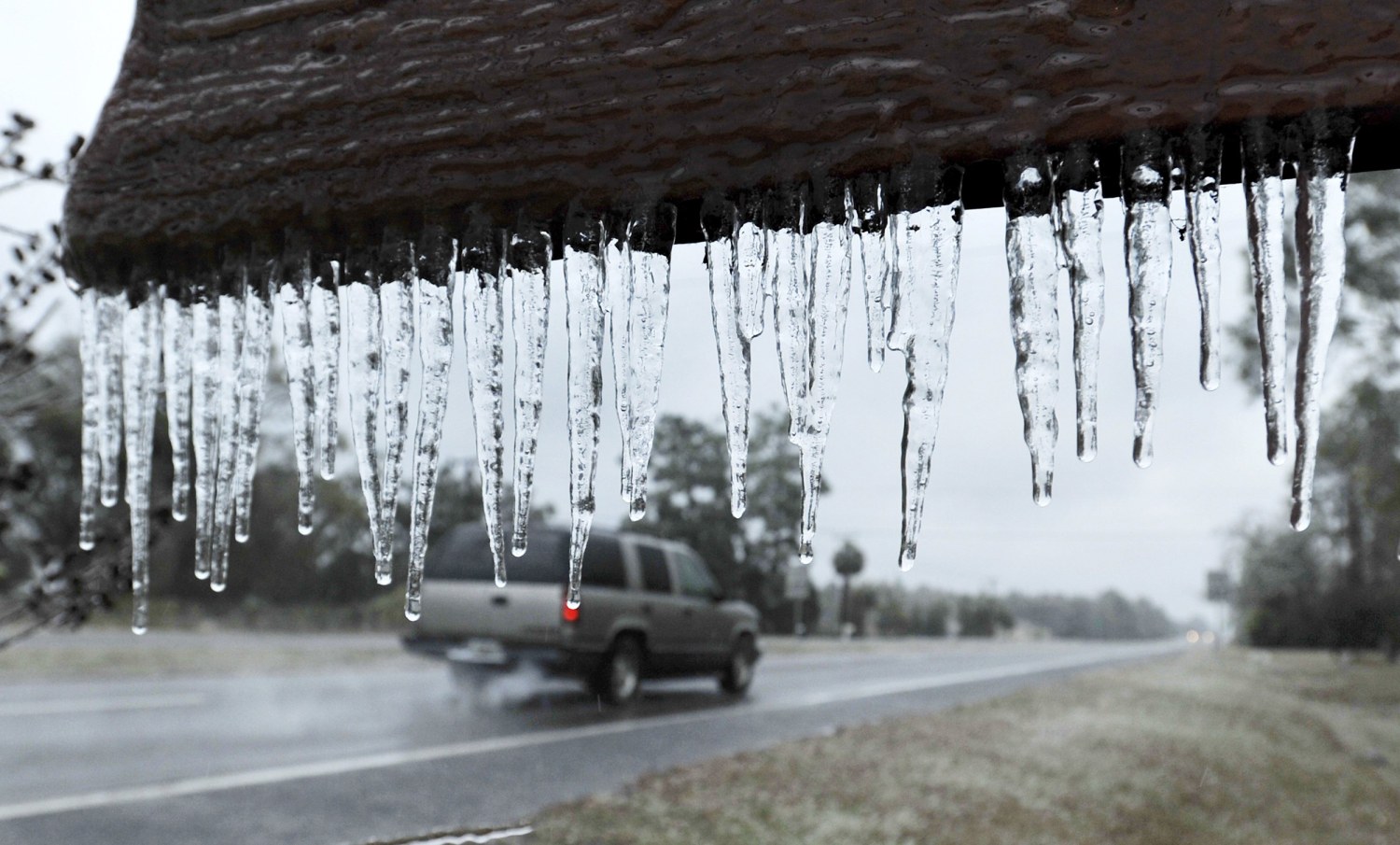
It’s important to differentiate between the types of frozen precipitation that Florida might experience. True snowfall, where ice crystals form in the atmosphere and fall to the ground as flakes, is the rarest. More commonly, during cold snaps, Floridians might encounter:
- Sleet: This occurs when snowflakes melt as they fall through a layer of warmer air and then refreeze into ice pellets before reaching the ground. Sleet can accumulate and create slippery conditions, similar to very light snow.
- Freezing Rain: This is perhaps the most disruptive. Rain falls as a liquid but freezes upon contact with surfaces that are at or below freezing temperatures. This creates a glaze of ice, which can make roads, sidewalks, and trees extremely hazardous.
While “snow” is often the term used colloquially to describe any form of frozen precipitation, understanding these distinctions provides a clearer picture of the meteorological phenomena that can occur.
The Geographic Divide
The likelihood of experiencing any form of frozen precipitation in Florida is heavily influenced by geography.
- North Florida: The northernmost region of the state, including the Florida Panhandle and areas bordering Georgia, experiences the coldest winter temperatures. Cities like Tallahassee and Pensacola have the highest probability of witnessing snow or sleet. However, even here, accumulations are typically very light and short-lived.
- Central Florida: While still predominantly warm, Central Florida, including the Orlando metropolitan area and its surrounding theme parks, can occasionally experience temperatures dipping into the low 30s Fahrenheit (around 0-4 degrees Celsius) during strong cold fronts. Snowfall is exceedingly rare in this region, but light dustings have been recorded historically.
- South Florida: The southern tip of the state, encompassing cities like Miami, Fort Lauderdale, and the Florida Keys, almost never experiences temperatures low enough for snow. Winters here are mild and pleasant, with daytime temperatures often in the 70s and 80s Fahrenheit (around 21-29 degrees Celsius). The concept of snow is purely theoretical for most residents and visitors in these areas.

The Impact on Tourism and Daily Life
When rare snowfall events do occur in Florida, the reaction is typically one of surprise, delight, and mild disruption.
- Novelty and Excitement: For residents, especially those who have lived in the state for decades without seeing snow, it’s a remarkable event. Children, in particular, are thrilled by the prospect of building a snowman or experiencing a winter phenomenon they usually only see on television. Schools may even experience a slight drop in attendance as parents and children flock to experience the novelty.
- Travel Disruptions: While Florida is not equipped to handle significant snowfall like many northern states, even light accumulations can cause minor travel disruptions, particularly in North Florida. Roads can become slick, and drivers, unaccustomed to winter driving conditions, may face challenges. However, these disruptions are usually temporary, as the warmer temperatures quickly melt any frozen precipitation.
- Tourism Angle: While Florida doesn’t market itself as a snow destination, these infrequent events can sometimes create a unique, albeit short-lived, tourist draw. Visitors who happen to be in the right place at the right time are treated to an unexpected glimpse of a different side of the Sunshine State. Attractions like Walt Disney World or Universal Orlando Resort might see a slight surge in local visitors hoping to catch a glimpse of the unusual weather.
In conclusion, the answer to “Does Florida Snow?” is a nuanced one. It does not snow in the way that many northern states do, with consistent winter storms and accumulating snowbases. However, under a specific confluence of cold air, atmospheric moisture, and timing, Florida can, and occasionally does, experience frozen precipitation. These events are rare, geographically specific, and cherished by those fortunate enough to witness them, adding a unique chapter to the state’s otherwise sun-drenched narrative. For most of the year, and certainly for the vast majority of the state, the focus remains firmly on the warmth, the beaches, and the vibrant lifestyle that defines Florida.
LifeOutOfTheBox is a participant in the Amazon Services LLC Associates Program, an affiliate advertising program designed to provide a means for sites to earn advertising fees by advertising and linking to Amazon.com. Amazon, the Amazon logo, AmazonSupply, and the AmazonSupply logo are trademarks of Amazon.com, Inc. or its affiliates. As an Amazon Associate we earn affiliate commissions from qualifying purchases.