
Navigating the Sunshine State’s automotive landscape involves more than just understanding its scenic routes and vibrant attractions. For residents and frequent visitors alike, a crucial aspect of preparing for any journey, whether a leisurely drive down the Overseas Highway to Key West or a practical commute through Miami, is understanding the financial realities of car insurance. Florida consistently ranks among the states with the highest car insurance premiums in the United States. This financial consideration is paramount for anyone considering a move to the state or for those already residing there, impacting budgets for everything from planning road trips to securing local accommodation.
Understanding the Premium Landscape
Florida’s car insurance costs are influenced by a complex interplay of factors, making it a unique market. Unlike some states that might rely heavily on driving records alone, the Sunshine State’s premiums are shaped by a broader set of environmental, economic, and regulatory considerations. This creates a landscape where even drivers with pristine records might face higher costs than their counterparts in other regions.
The Impact of Natural Disasters
One of the most significant drivers of Florida’s high insurance premiums is the state’s susceptibility to natural disasters. Hurricanes, tropical storms, and flooding are recurring threats that lead to substantial claims for property damage, including vehicles. Insurers factor in the increased risk of these events when calculating premiums to cover potential payouts. For instance, areas along the coast, such as those near Naples or on the Florida Keys, often experience higher rates due to their greater exposure to storm surges and high winds. Even inland communities can be affected by severe weather events, leading to widespread insurance adjustments.
Population Density and Traffic Congestion
Florida’s booming population and its status as a popular tourist destination contribute to significant traffic congestion, particularly in major metropolitan areas like Orlando, Tampa, and Fort Lauderdale. Denser populations and increased vehicle numbers on the road invariably lead to a higher incidence of accidents. This statistical reality directly translates to higher insurance premiums as insurers anticipate more frequent claims related to collisions, bodily injuries, and property damage. The sheer volume of tourists also adds to this dynamic, with unfamiliar drivers and rental cars contributing to the overall risk profile.
No-Fault Insurance Laws
Florida operates under a no-fault insurance system, which mandates that drivers carry Personal Injury Protection (PIP) coverage. Under this system, your own insurance company pays for your medical expenses and lost wages up to a certain limit, regardless of who was at fault in an accident. While this system aims to expedite claims and reduce litigation, it can also contribute to higher premiums. The requirement for PIP coverage adds a mandatory component to every policy, and the costs associated with medical treatments and lost income are factored into the overall premium structure.
Uninsured and Underinsured Motorists
A persistent issue in Florida is the prevalence of uninsured and underinsured motorists. Many drivers choose to forego insurance coverage, either due to cost or other financial reasons. This creates a significant financial risk for insured drivers and insurance companies. When an accident involves an uninsured or underinsured driver, the responsible party may not have the means to cover the damages. Consequently, insurers in Florida often include Uninsured/Underinsured Motorist (UM/UIM) coverage in policies, which helps protect you in such scenarios. The increased likelihood of encountering these drivers leads to higher premiums for all policyholders.
Factors Influencing Your Specific Premium
While the state-level factors create a general premium landscape, individual circumstances play a pivotal role in determining your precise car insurance payment. Understanding these personal variables can empower you to make informed decisions and potentially lower your costs.
Driving Record
The most universally influential factor is your driving record. A history of accidents, traffic violations (speeding tickets, DUIs, etc.), and claims will inevitably lead to higher premiums. Insurers view these as indicators of higher risk. Conversely, a clean driving record over several years, with no incidents, is the most effective way to secure lower rates. Maintaining safe driving habits, even when navigating through the bustling streets of Jacksonville or exploring the natural beauty of the Everglades, is paramount.
Vehicle Type and Age
The make, model, and age of your vehicle significantly impact insurance costs. More expensive vehicles, those with higher repair costs, or those with a history of being stolen tend to have higher premiums. For example, insuring a luxury SUV might cost more than insuring a compact sedan. Similarly, newer vehicles may have higher comprehensive and collision coverage costs due to their replacement value. Safety features, such as anti-lock brakes, airbags, and advanced driver-assistance systems, can sometimes help mitigate costs, as they can reduce the likelihood or severity of accidents.
Coverage Levels and Deductibles
The types of coverage you choose and the deductibles you select have a direct effect on your premium. Florida requires drivers to carry a minimum of $10,000 in PIP and $10,000 in property damage liability (PDL). However, most drivers opt for more extensive coverage, including bodily injury liability, comprehensive, and collision. Higher coverage limits will naturally lead to higher premiums. Similarly, choosing lower deductibles (the amount you pay out-of-pocket before insurance kicks in) will increase your premium, as the insurer assumes more financial responsibility in the event of a claim. Conversely, opting for higher deductibles can lower your monthly payments.
Location
As mentioned earlier, where you live within Florida can significantly influence your car insurance rates. Urban areas with high traffic density and accident rates, such as St. Petersburg or the surrounding Tampa Bay area, generally have higher premiums than rural or suburban areas. Crime rates in your specific ZIP code can also play a role, particularly for comprehensive coverage which protects against theft and vandalism. Even within a city, different neighborhoods can have varying risk profiles.
Driver Demographics
Certain demographic factors can also influence premiums, though regulations vary by state. Age and gender are common considerations. Younger, less experienced drivers typically face higher rates due to a statistically higher accident risk. Drivers with less than a certain number of years of driving experience may also see higher premiums. Married individuals sometimes receive slightly lower rates than single individuals.

Obtaining Accurate Premium Information
Given the multitude of influencing factors, it’s challenging to provide a single “average” car insurance payment for Florida that applies to everyone. However, industry data and insurance company analyses offer insights into general cost ranges.
Average Cost Estimates
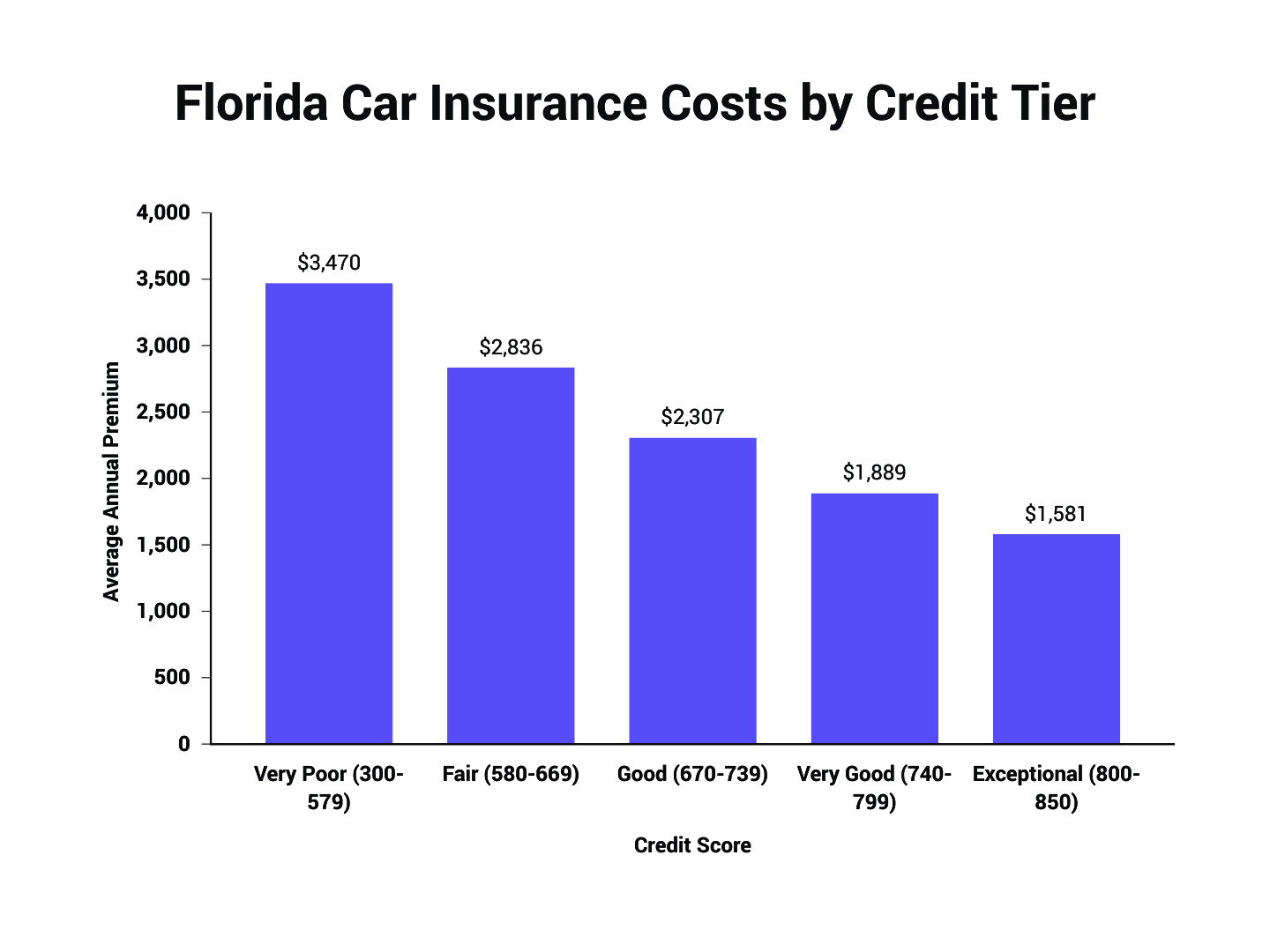
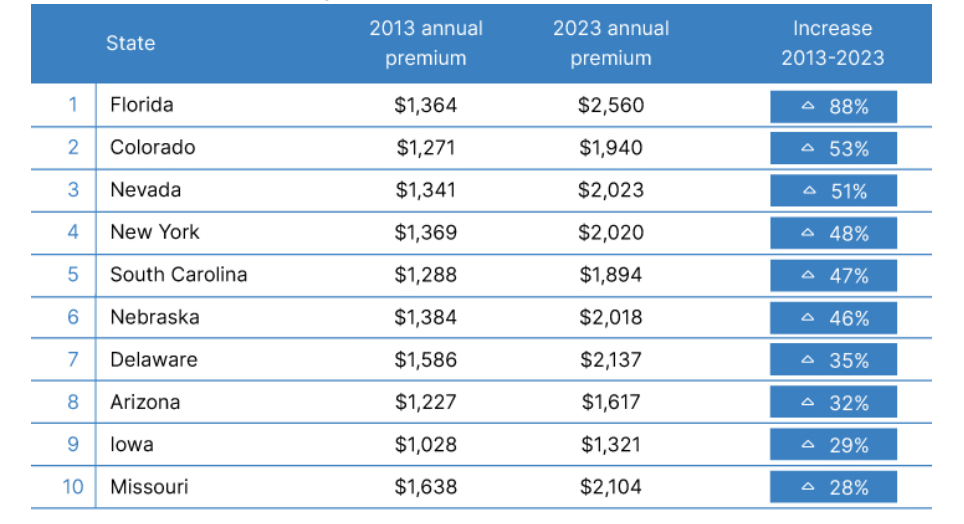
According to various automotive and insurance industry reports, the average annual car insurance premium in Florida can range significantly, often falling between $2,500 and $3,500 per year. This translates to monthly payments that could be anywhere from $200 to $300 or more. These figures are considerably higher than the national average. It’s crucial to remember that these are broad averages, and your personal rate could be substantially lower or higher based on the factors previously discussed. For example, a young driver with multiple violations in a high-risk area might pay well over $5,000 annually, while a mature, experienced driver with a clean record in a lower-risk area might secure a policy for under $1,500 per year.
How to Get an Accurate Quote
The most effective way to determine your car insurance payment is to obtain personalized quotes from multiple insurance providers. This process typically involves providing information about:
- Your personal details: Name, address, date of birth, marital status, and driving history.
- Your vehicle(s): Make, model, year, VIN, and any safety features.
- Your coverage needs: Desired liability limits, deductibles for comprehensive and collision, and optional coverages like roadside assistance or rental reimbursement.
Insurers use this data to generate a quote tailored to your specific risk profile. Comparing quotes from companies like GEICO, State Farm, Progressive, and others is essential to finding the best coverage at a competitive price.
Strategies to Lower Your Florida Car Insurance Payments
While Florida’s insurance market presents challenges, several strategies can help residents manage and potentially reduce their car insurance costs.
Maintain a Clean Driving Record
This is the single most impactful factor. Avoiding accidents and traffic violations for an extended period is critical. Many insurers offer discounts for accident-free driving.
Shop Around Regularly
Don’t stick with the same insurance provider year after year without reassessment. Insurance rates can change, and new providers may offer more competitive pricing. Aim to shop for new quotes at least once a year, and especially before your policy renews.
Bundle Policies
Many insurance companies offer discounts if you bundle multiple policies, such as your auto insurance with your homeowner’s or renter’s insurance. This can lead to significant savings.
Increase Your Deductibles
While this increases your out-of-pocket cost in the event of a claim, raising your comprehensive and collision deductibles can substantially lower your monthly premium. Ensure you can comfortably afford the higher deductible if a claim arises.
Ask About Discounts
Inquire with your insurance provider about all available discounts. Common discounts include those for good students, safe driving programs (like telematics apps), low mileage, security features in your vehicle, and professional affiliations.
Drive Less
If you drive fewer miles annually, you may qualify for lower rates. Consider carpooling, using public transportation, or consolidating errands to reduce your vehicle’s mileage.
Consider Usage-Based Insurance (UBI)
Telematics programs, often called “pay-as-you-drive” or “usage-based insurance,” use a device or app to track your driving habits. Insurers can then offer discounts based on safe driving behaviors like speed, braking, and mileage.
By understanding the unique factors contributing to Florida’s car insurance costs and proactively managing your personal profile, you can navigate this essential aspect of car ownership more effectively, ensuring you have adequate protection without overspending.
LifeOutOfTheBox is a participant in the Amazon Services LLC Associates Program, an affiliate advertising program designed to provide a means for sites to earn advertising fees by advertising and linking to Amazon.com. Amazon, the Amazon logo, AmazonSupply, and the AmazonSupply logo are trademarks of Amazon.com, Inc. or its affiliates. As an Amazon Associate we earn affiliate commissions from qualifying purchases.