
Florida, often celebrated for its sun-drenched beaches, vibrant theme parks, and thriving cultural scene, presents a unique proposition for residents and visitors alike, particularly when it comes to its tax structure. A significant aspect of this fiscal landscape is the absence of a state income tax. This distinct feature has profound implications for individuals, families, and businesses considering a move to the Sunshine State, influencing everything from personal financial planning to corporate location decisions. Understanding this tax anomaly is crucial for anyone navigating the economic realities of living or operating in Florida.
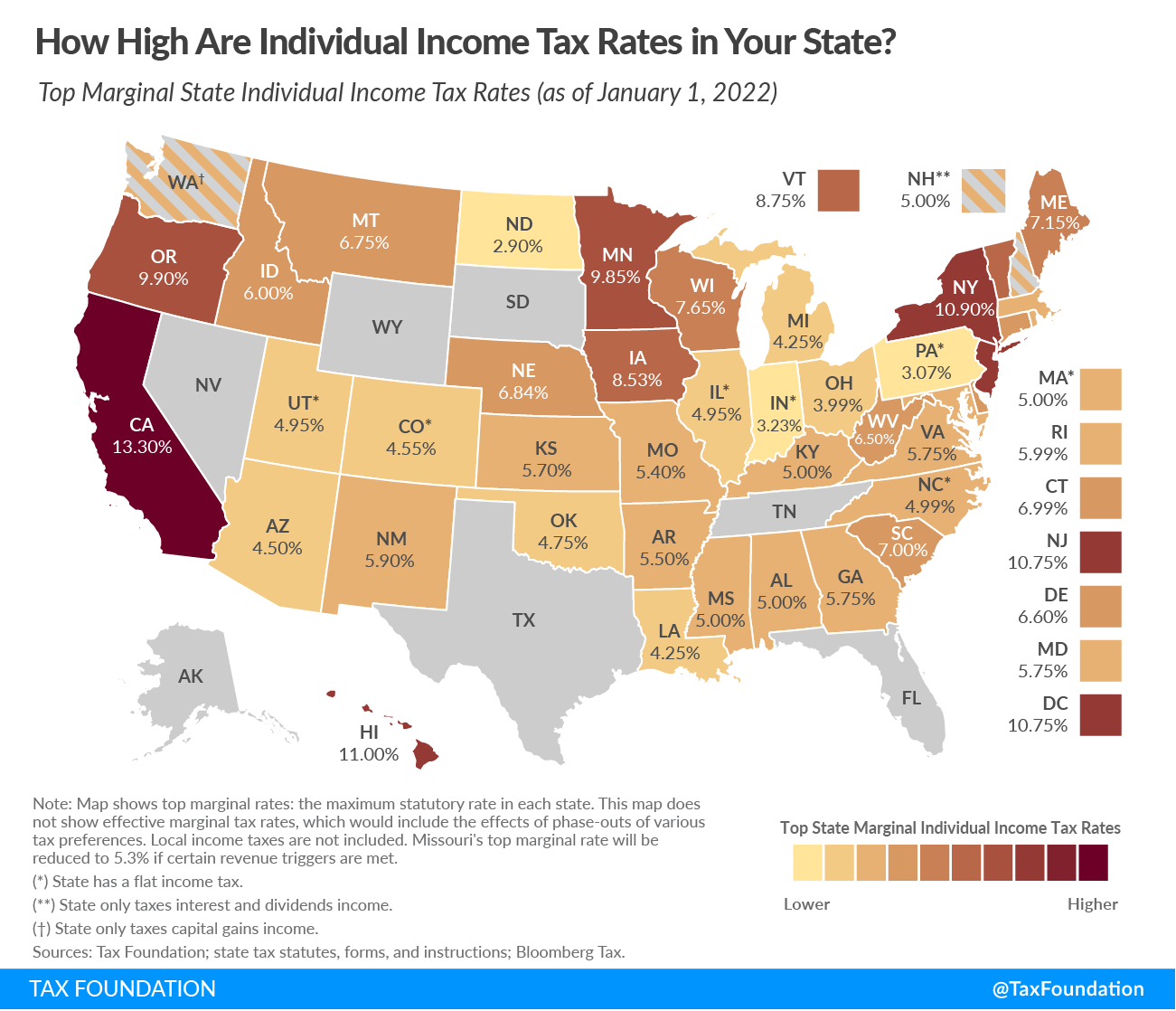
This lack of a state income tax isn’t a recent development; it’s a foundational element of Florida’s economic policy, designed to attract investment and foster growth. For residents, this means a larger portion of their earned income remains in their pockets, a substantial advantage compared to states with progressive income tax brackets. For tourists, it translates to lower overall costs for certain services and accommodations, although sales tax and other fees still apply. This guide will delve into the specifics of Florida’s tax system, exploring why there’s no state income tax and what it means for those who call Florida home or frequent its shores.
The Absence of State Income Tax: A Cornerstone of Florida’s Economy
Florida’s decision to forgo a state income tax is a deliberate policy choice with far-reaching consequences. This approach contrasts sharply with many other U.S. states, which rely on income tax as a primary revenue source. The genesis of this policy can be traced back to the state’s historical development and its strategic positioning as a desirable destination for both retirees and businesses.
Historical Context and Policy Drivers
The roots of Florida’s no-income-tax policy can be found in its early efforts to distinguish itself as a tax-friendly environment. As far back as the mid-20th century, the state recognized the potential economic benefits of attracting a mobile population and capital. The absence of an income tax was seen as a powerful lure. This strategy has been consistently upheld by state legislators and governors over decades, solidifying its place in the state’s economic identity.
Several key drivers have perpetuated this policy:
- Economic Development and Investment: Proponents argue that a lack of income tax makes Florida an attractive place for businesses to establish operations and for entrepreneurs to invest. Lower overheads and increased disposable income for employees can stimulate local economies. Major corporations and burgeoning tech startups alike have been drawn to Florida partly due to this favorable tax climate.
- Retirement Destination: Historically, Florida has been a prime retirement destination for individuals migrating from colder climates. For retirees living on fixed incomes, the absence of state income tax significantly enhances their financial security and purchasing power. This influx of retirees has been a major contributor to the state’s population growth and economic vitality.
- Tourism and Hospitality: While not directly impacting tourists’ income tax obligations, the overall economic health fostered by a favorable tax environment indirectly supports the robust tourism industry. Lower operating costs for businesses in the hospitality sector, for instance, can translate into more competitive pricing for visitors.
- Political Philosophy: There is a prevailing political philosophy in Florida that emphasizes lower taxation and limited government intervention. The absence of income tax aligns with this ideology, appealing to a voter base that prioritizes fiscal conservatism.
Revenue Generation Without Income Tax
If Florida doesn’t collect income tax, how does it fund its state government and public services? The answer lies in a diversified revenue stream that leans heavily on other forms of taxation.
- Sales Tax: This is the primary engine of state revenue in Florida. A statewide sales tax is levied on most retail sales, with additional local option sales taxes in many counties. This tax applies to a wide range of goods and services, from groceries and clothing to restaurant meals and hotel stays. While it can generate substantial revenue, it is often considered regressive, disproportionately affecting lower-income individuals.
- Property Tax: While primarily a local revenue source for counties, school districts, and municipalities, property taxes play a vital role in funding essential services like education and public safety. The state also collects some property-related revenues, and the value of property taxes significantly impacts the cost of living in different areas.
- Motor Fuel Taxes: Taxes on gasoline and other motor fuels contribute to funding transportation infrastructure, such as roads and bridges.
- Corporate Income Tax: While individuals are not subject to state income tax, businesses are. Florida imposes a corporate income tax, albeit at a relatively low rate compared to many other states. This tax is a significant source of revenue for the state.
- Severance Taxes: Taxes on natural resources extracted from the state, such as oil and gas, also contribute to the revenue mix.
- Fees and Licenses: Various fees for licenses, permits, and registrations (e.g., driver’s licenses, business licenses, hunting and fishing licenses) generate revenue.
- Pari-mutuel Taxes: Taxes on horse racing and other forms of gambling also contribute.
The reliance on sales and property taxes means that Florida’s revenue can be more volatile, often tied to consumer spending and property values. During economic downturns, sales tax revenues can decline significantly, potentially creating budget challenges for the state.
Implications for Residents and Visitors
The absence of state income tax has a tangible impact on individuals living in or visiting Florida.
For Residents: Increased Disposable Income and Financial Planning
For residents of Florida, the most immediate benefit of no state income tax is increased disposable income. This extra money can be allocated to savings, investments, discretionary spending, or paying down debt.
- Financial Freedom: Individuals and families can experience greater financial freedom, allowing them to pursue personal goals, save for retirement more aggressively, or invest in their children’s education without the burden of state income tax deductions.
- Budgeting and Planning: When budgeting, residents can focus on expenses without factoring in state income tax withholdings. This simplifies financial planning and can lead to more accurate forecasting of annual expenses.
- Retirement Planning: For those planning to retire in Florida, the absence of state income tax is a significant draw. It means their retirement savings, whether from pensions, 401(k)s, or Social Security, will not be further reduced by state taxes. This can allow for a more comfortable retirement lifestyle.
- Cost of Living Considerations: While the absence of income tax is a major advantage, it’s important to consider other costs. Property taxes can vary significantly by county, and sales tax rates can add up on purchases. Utilities, especially air conditioning in the warm climate, can also be a considerable expense. Therefore, a holistic view of the cost of living is essential.

For Visitors: Enhanced Value and Spending Power
While visitors are not directly subject to Florida’s state income tax (as it’s based on residency and income earned within the state), the economic environment shaped by this policy can indirectly benefit them.
- Value in Services and Goods: The overall economic climate, influenced by tax policies, can contribute to competitive pricing in the tourism sector. Hotels in places like Orlando or Miami, attractions like Walt Disney World Resort or Universal Orlando Resort, and dining establishments may offer better value due to lower operational burdens for businesses.
- Increased Disposable Income for Travelers: For individuals relocating to Florida for work or extended stays, the lack of state income tax means they have more discretionary funds to spend on leisure activities, dining, and experiencing the diverse attractions the state offers, from the Everglades National Park to the historic streets of St. Augustine.
- Business Travel: For business travelers, the cost savings for companies headquartered or operating in Florida can translate into more competitive pricing for corporate events, accommodations, and travel expenses, potentially benefiting the visiting professional.
Does Florida Have Any Taxes on Retirement Income?
This is a common question for those considering Florida as a retirement destination. While there is no state income tax on wages or salaries, there are specific considerations for retirement income.
- Social Security Benefits: Florida does not tax Social Security benefits. This is a significant advantage for retirees who rely heavily on this income stream.
- Pensions and Annuities: Most retirement income from pensions and annuities is also exempt from Florida’s state income tax. This includes distributions from 401(k)s and 403(b)s.
- Other Retirement Income: Income from IRAs and other retirement accounts is generally not subject to state income tax in Florida.
It’s crucial to remember that federal taxes still apply to most retirement income. However, the absence of state-level taxation on these income sources makes Florida particularly appealing for retirees.
Florida’s Tax Landscape: Beyond Income Tax
While the absence of state income tax is a defining characteristic, it’s essential to understand the other taxes that contribute to Florida’s revenue and affect its residents.
Sales and Use Tax
As mentioned, sales tax is the largest single source of state revenue. The general state sales tax rate is 6%, with an additional 1% discretionary sales surtax for the local option, bringing the maximum combined rate to 7% in most areas. Some counties have an additional local option discretionary sales surtax, which can push the rate higher. Certain items are exempt, such as most groceries, prescription drugs, and real estate transactions. Businesses selling goods or taxable services within Florida are required to collect and remit sales tax. Visitors will encounter this tax on nearly all retail purchases.
Property Tax
Property taxes in Florida are levied by local governments (counties, cities, and special taxing districts) and are primarily used to fund local services like schools, police, and fire departments. The amount of property tax owed depends on the assessed value of the property and the millage rate set by the local taxing authorities. There are homestead exemptions available for primary residences, which can reduce the taxable value of a home.
Other Taxes and Fees
- Recreational Vehicle and Boat Titling Fees: Owners of RVs and boats are subject to titling fees and annual registration fees, which can be substantial.
- Estate Tax: Florida does not have a state estate tax. However, federal estate taxes may still apply for very large estates.
- Documentary Stamp Tax: This tax is levied on certain documents, such as real estate deeds and promissory notes, when they are recorded with the county.

Conclusion: A Strategic Fiscal Advantage
The absence of state income tax in Florida is more than just a fiscal detail; it’s a strategic advantage that shapes the state’s economic identity and appeal. For residents, it translates to greater financial autonomy and a more attractive environment for retirement. For businesses, it can mean lower operational costs and a more robust consumer market. For visitors, it contributes to a vibrant tourism industry that offers diverse experiences.
While the state relies on other forms of taxation to fund its operations, the cornerstone of its tax policy remains the exemption from state income tax. This distinctive feature continues to draw people and investments to the Sunshine State, solidifying its reputation as a place of opportunity and a desirable place to live, work, and play. Navigating the tax landscape of any state is a critical component of financial planning, and in Florida, understanding this unique absence of income tax is the first step towards appreciating its financial appeal.
LifeOutOfTheBox is a participant in the Amazon Services LLC Associates Program, an affiliate advertising program designed to provide a means for sites to earn advertising fees by advertising and linking to Amazon.com. Amazon, the Amazon logo, AmazonSupply, and the AmazonSupply logo are trademarks of Amazon.com, Inc. or its affiliates. As an Amazon Associate we earn affiliate commissions from qualifying purchases.