
The vast and diverse landscape of California is renowned for its iconic natural wonders, from the soaring peaks of the Sierra Nevada to the pristine beaches of its expansive coastline. Yet, nestled amidst this natural splendor are man-made structures of immense scale and historical significance: its nuclear power plants. These sites, representing monumental feats of engineering and profound chapters in the state’s energy narrative, stand as compelling industrial landmarks, each with its unique story etched into the golden state’s fabric. To truly understand California’s nuclear footprint is to explore not just their numbers, but their legacy as enduring symbols of human ingenuity, ambition, and the complex interplay between technology and environment.
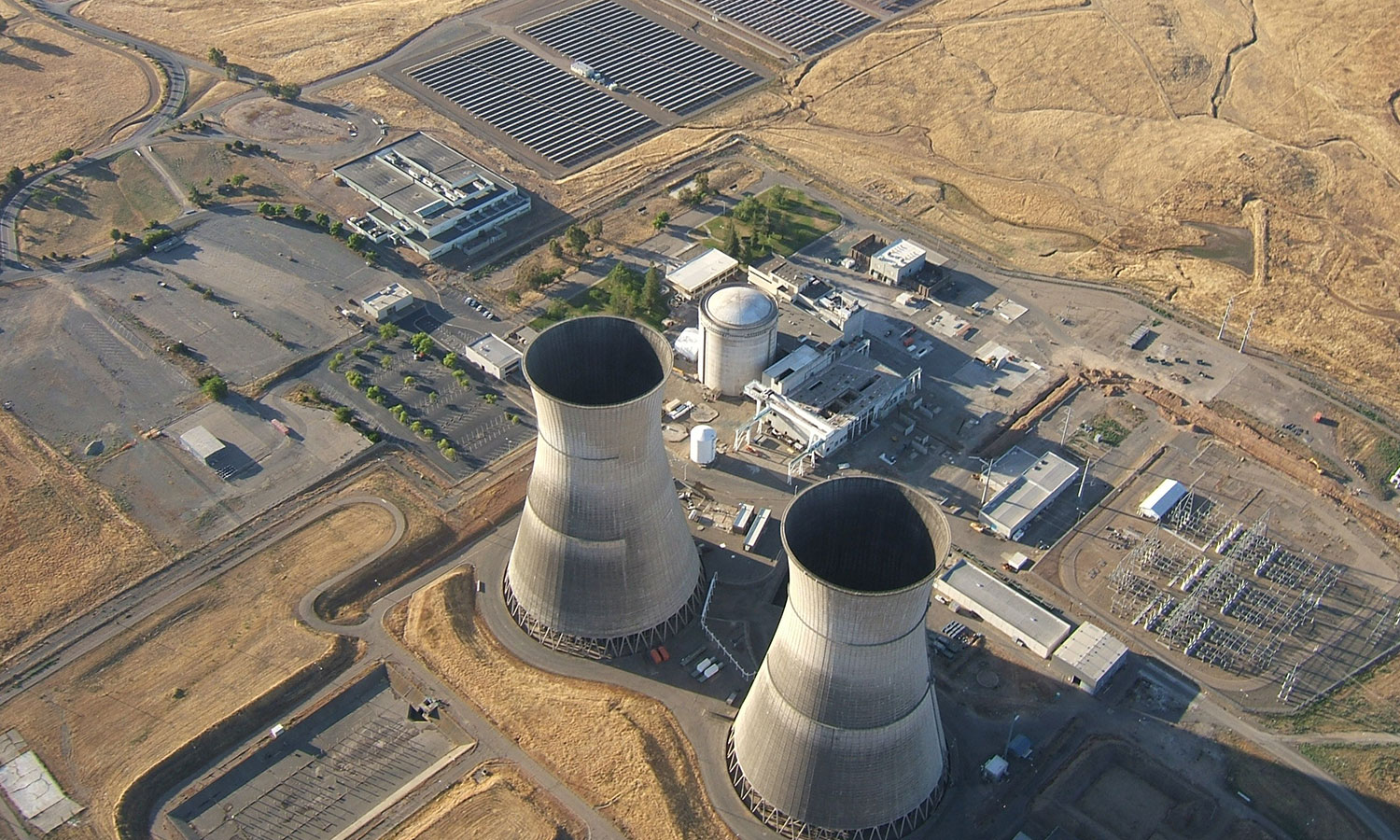
The Golden State’s Nuclear Footprint: A Historical Overview
California’s journey with nuclear energy began with great optimism, fueled by the promise of clean, abundant power. Over the decades, several sites were identified, developed, and eventually, in most cases, decommissioned. Each plant, while serving a common purpose, left a distinct architectural and historical mark on its locale.
Early Ambitions and Initial Development
The state’s first commercial nuclear power plant, the Humboldt Bay Nuclear Power Plant, near Eureka in Humboldt County, began operations in 1963. Its boiling water reactor, while small by later standards, represented a pioneering effort in commercial nuclear energy. Architecturally, its low-profile containment structure and adjacent conventional power blocks integrated into the rugged coastal landscape, a testament to the early designs of such facilities. Though it ceased power generation in 1976 and is now largely decommissioned, the site remains a historical landmark, a physical reminder of the dawn of the nuclear age in California.
Following Humboldt Bay, the state saw the construction of the San Onofre Nuclear Generating Station (SONGS). Located on the Pacific coast between San Clemente and Oceanside in San Diego County, its distinctive twin containment domes became an iconic landmark visible from Interstate 5. Unit 1 began commercial operation in 1968, followed by Units 2 and 3 in the early 1980s. These later units were pressurized water reactors, significantly larger and more powerful. The plant’s architectural grandeur and sheer scale were impressive, dominating its coastal stretch and becoming a recognized feature for anyone traveling through the area. After a storied operational history and subsequent issues, SONGS permanently ceased operations in 2013, and its decommissioning is an ongoing, multi-decade process, leaving its imposing structures as reminders of its former prominence.
Diablo Canyon: California’s Last Stand
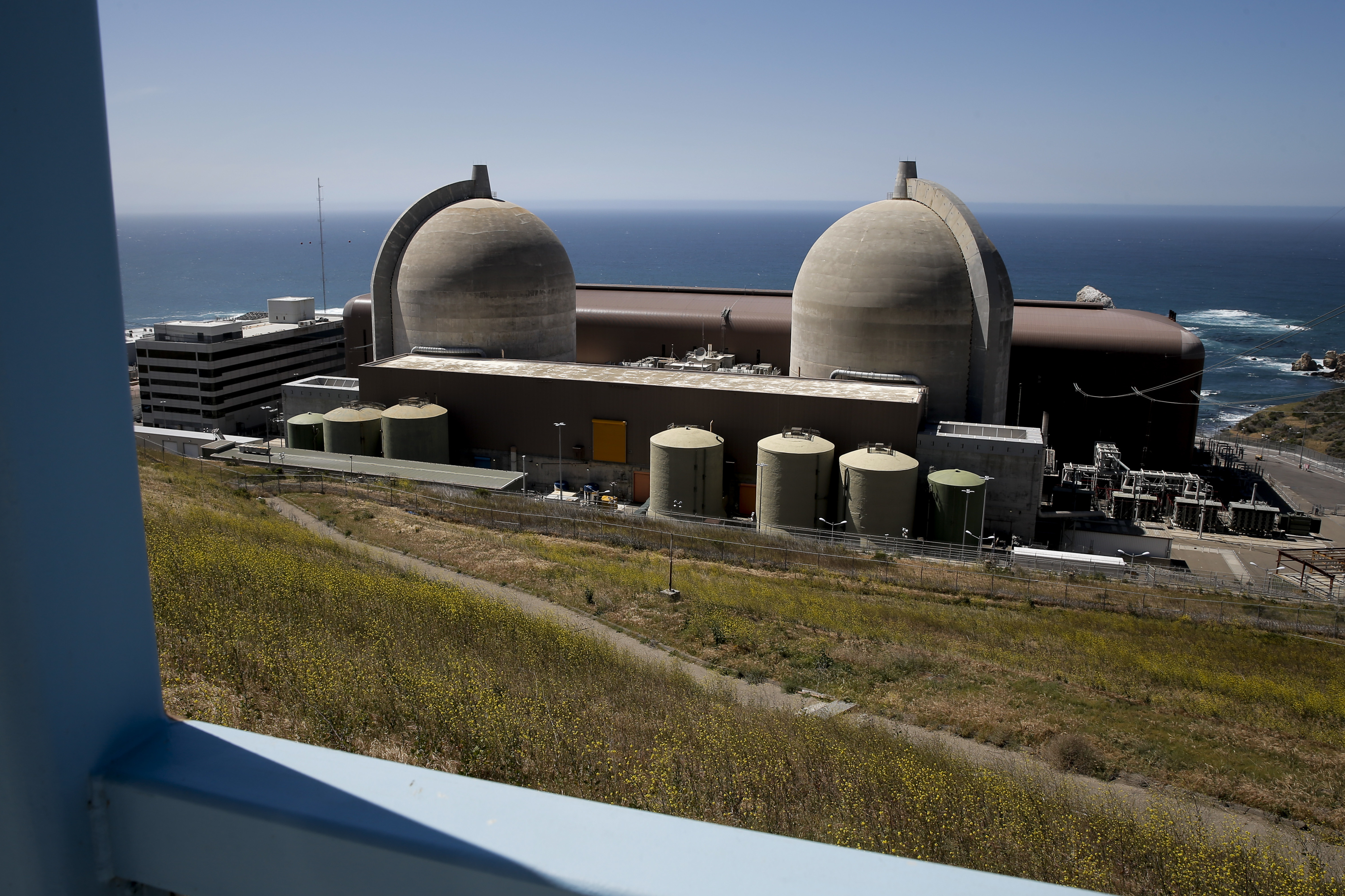
Today, California’s operating nuclear power infrastructure is concentrated at a single, monumental site: the Diablo Canyon Power Plant. Located near San Luis Obispo, on a remote stretch of coastline, Diablo Canyon is home to two pressurized water reactors. Unit 1 commenced commercial operation in 1985, and Unit 2 in 1986. These two reactors are the only remaining operational nuclear power generators in California. Their massive, cylindrical containment buildings, along with the intricate network of support structures, cooling water intakes, and transmission lines, create an unparalleled industrial landscape against the backdrop of the Pacific Ocean and the Santa Lucia Mountains. As a functioning landmark, Diablo Canyon represents the pinnacle of nuclear engineering in the state, continuing to supply a substantial portion of California’s electricity needs.
Engineering Marvels and Coastal Architecture
Nuclear power plants, by their very nature, are architectural and engineering spectacles. Their design prioritizes safety, resilience, and efficiency, resulting in structures that are both functional and visually striking. In California, their coastal placements add another layer of complexity and visual impact.
Iconic Containment Domes
The most recognizable feature of many nuclear power plants, including San Onofre and Diablo Canyon, are their distinctive containment domes or buildings. These structures, often hemispherical or cylindrical, are not merely aesthetic; they are robust, reinforced concrete and steel shells designed to withstand extreme forces and contain any radioactive material in the unlikely event of an accident. Their sheer size and stark geometry present a compelling study in industrial architecture. From a distance, they appear as futuristic monuments, challenging the natural lines of the coast, yet commanding attention as symbols of human technical prowess. The twin domes of San Onofre, in particular, were an undeniable landmark for countless travelers along the coast.
Blending with the Landscape
The placement of these massive facilities along California’s seismically active and environmentally sensitive coastline presented unique challenges and led to highly specialized engineering. Sites like Diablo Canyon were selected for their access to vast amounts of cooling water and relative remoteness, yet they still represent significant alterations to the natural environment. The plants are not just the reactor buildings; they encompass expansive complexes including turbine halls, administration buildings, substations, and marine intake/outflow structures. The integration of these elements into the natural bluffs and marine ecosystems showcases a powerful, often debated, interaction between industrial necessity and environmental preservation. While critics often highlight their visual intrusion, proponents argue for their functional beauty, their role in supporting a modern society, and the dedicated conservation efforts often undertaken in the surrounding lands by the plant operators.
A Legacy of Energy and Evolution
Beyond their physical structures, California’s nuclear power plants represent a significant chapter in the state’s socio-economic and technological evolution. They are landmarks not just of concrete and steel, but of policy shifts, public debate, and community development.
Shaping Local Economies and Communities
The construction and operation of nuclear power plants have historically had a profound impact on their neighboring communities. Towns like San Luis Obispo, which benefited from jobs, infrastructure development, and tax revenue generated by Diablo Canyon, saw significant growth and economic stability directly linked to the plant. Similarly, communities around Humboldt Bay and San Onofre experienced similar effects during their operational lifetimes. These plants became central features of local identity, often sparking both pride in their technological achievement and concern over their environmental implications. The facilities themselves became mini-cities, complete with security, specialized services, and a workforce that became integral to the local fabric.
Decommissioning and Transformation
With the cessation of operations at Humboldt Bay and San Onofre, the focus has shifted from power generation to decommissioning. This complex, multi-decade process involves the safe dismantling of structures, removal of radioactive materials, and eventual restoration of the sites. While the iconic domes of San Onofre are gradually disappearing, and Humboldt Bay has largely been reduced to its spent fuel storage facility, these ongoing projects represent new phases in the life cycle of industrial landmarks. They stand as testaments to the long-term responsibilities associated with nuclear technology and offer a unique perspective on the transformation of industrial landscapes over time. The careful process of demolition and remediation itself becomes a new kind of landmark, marking an era’s end and the methodical path toward environmental rehabilitation.
The Enduring Landmark: Diablo Canyon Power Plant
As of today, when one asks “How many nuclear reactors in California?”, the answer for operational reactors is two, both housed at the Diablo Canyon Power Plant. This makes Diablo Canyon not just a power generator but a living landmark, continuously shaping California’s energy future and standing as a potent symbol.
Its Place in California’s Energy Mosaic
Diablo Canyon currently provides about 9% of California’s total electricity and nearly 17% of its carbon-free electricity. Its presence is vital for grid stability, particularly as the state transitions towards an increasing reliance on intermittent renewable sources like solar and wind. The plant’s architecture, its robust security perimeter, and its continuous operational hum are all aspects of a functional landmark that is actively contributing to the state’s modern infrastructure. The debates surrounding its potential closure and recent extensions of its operating license only underscore its importance and status as a critical, frequently discussed, landmark.

A Symbol of Progress and Debate
Diablo Canyon stands as a landmark of enduring technological capability and a focal point for intense public dialogue. For some, its towering structures symbolize reliable, clean energy, a necessary component for combating climate change. For others, it represents outdated technology, environmental risks, and a complex relationship with the state’s seismic geology. Regardless of one’s perspective, the plant’s massive presence, its intricate engineering, and its deep roots in California’s history ensure its status as a significant landmark—a testament to human ambition, scientific achievement, and the ongoing challenge of powering a modern society. It is a place that encapsulates a significant portion of California’s past, present, and future energy landscape, making it an undeniable point of interest and reflection on the state’s impressive industrial heritage.
LifeOutOfTheBox is a participant in the Amazon Services LLC Associates Program, an affiliate advertising program designed to provide a means for sites to earn advertising fees by advertising and linking to Amazon.com. Amazon, the Amazon logo, AmazonSupply, and the AmazonSupply logo are trademarks of Amazon.com, Inc. or its affiliates. As an Amazon Associate we earn affiliate commissions from qualifying purchases.