
Understanding the economic landscape of a destination is crucial for a multitude of reasons, especially for travelers and lifestyle enthusiasts planning their experiences. Florida, a perennial favorite for tourists and a growing hub for residents, presents a diverse economic picture. While the allure of its sun-drenched beaches, vibrant cities, and world-class attractions is undeniable, the financial realities of its households play a significant role in shaping the types of travel and lifestyle opportunities available. This exploration delves into the average household income in Florida, examining how it influences the state’s appeal as a travel destination and the lifestyle it offers.
The Economic Pulse of the Sunshine State
The economic vitality of any region directly impacts the disposable income available for leisure activities, dining, accommodation, and longer-term living arrangements. For Florida, a state renowned for its robust tourism sector and attractive retirement communities, understanding its income statistics is paramount for anyone considering a visit, a relocation, or even an investment in its properties.
Defining Average Household Income
Before delving into Florida’s specifics, it’s important to clarify what “average household income” signifies. Typically, this metric refers to the median or mean income earned by all individuals residing within a single household. The median is often considered a more representative figure as it is less influenced by extremely high or low incomes, providing a clearer picture of the financial standing of the typical household. Government agencies, such as the U.S. Census Bureau, regularly collect and publish this data, offering a snapshot of economic conditions.
Florida’s Income Landscape: A General Overview
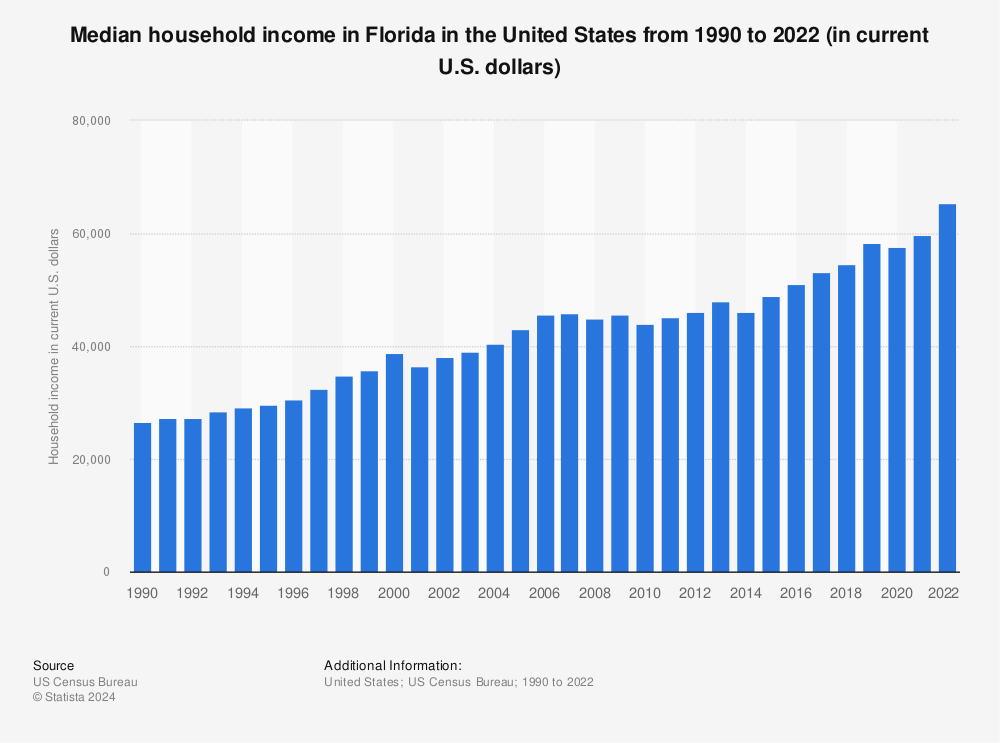
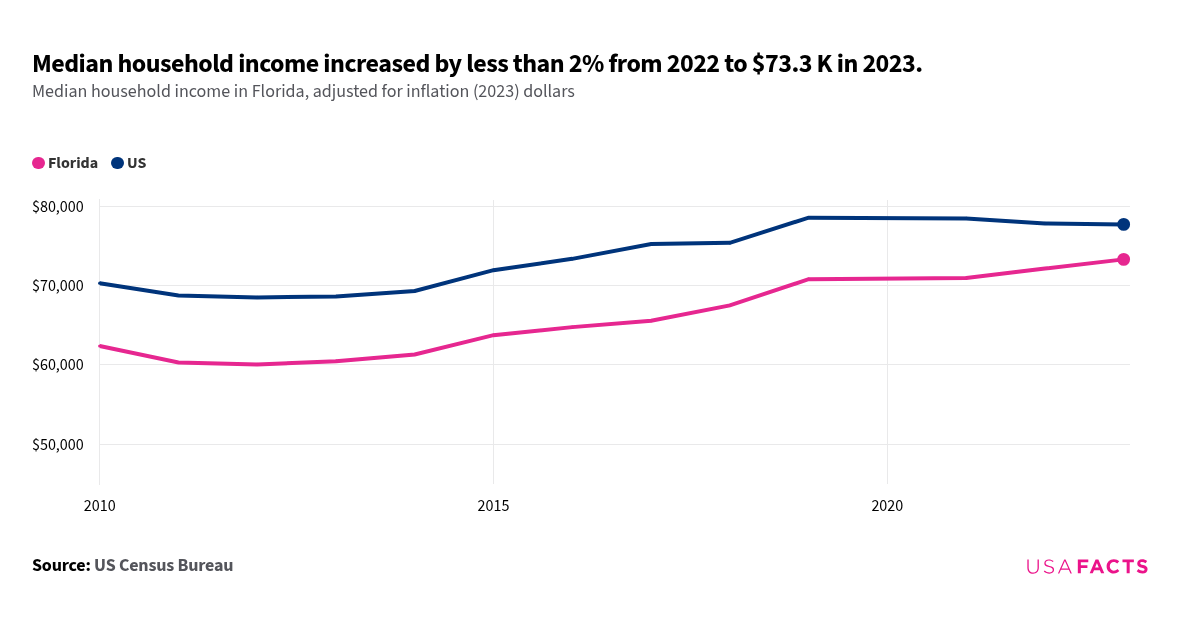
Florida’s average household income has seen fluctuations over the years, influenced by national economic trends, demographic shifts, and the growth of key industries. While specific figures are updated annually, general trends indicate a steady increase, reflecting the state’s growing population and expanding economy. This growth is often attributed to its thriving tourism, real estate, and healthcare sectors, as well as its appeal as a tax-friendly state for retirees and businesses.
- Median vs. Mean: It’s essential to distinguish between median and mean household income. The median household income offers a middle-ground figure, while the mean can be skewed by a small number of very high-earning households. For a comprehensive understanding, both are valuable.
- Influencing Factors: Several factors contribute to Florida’s income levels. These include the cost of living (which varies significantly across the state), the prevalence of service-based industries, the influx of retirees with established savings, and the presence of burgeoning tech and finance sectors in certain metropolitan areas like Miami and Tampa.
Income Variations Across Florida’s Diverse Regions
Florida is not a monolithic economic entity. Income levels can vary dramatically from one city to another and even within different neighborhoods. Understanding these regional differences is crucial for anyone looking to experience the state’s varied offerings.
Coastal vs. Inland and Major Metropolitan Areas
Miami-Dade County, with its international business ties and luxury tourism, often reports higher household incomes compared to more rural inland areas. Similarly, the affluent coastal communities along the Gulf Coast and the Atlantic Coast, known for their upscale resorts and residential developments, tend to have higher average incomes.
- South Florida: This region, encompassing Miami, Fort Lauderdale, and Palm Beach, generally exhibits higher income levels, driven by international finance, real estate, and a thriving luxury market. The presence of numerous high-end hotels and resorts caters to a clientele with significant disposable income.
- Central Florida: Home to major theme parks like Walt Disney World and Universal Orlando Resort, this area sees a mix of incomes. While tourism provides jobs across various pay scales, the economic prosperity tied to the entertainment industry influences local household earnings, particularly in surrounding communities. Cities like Orlando and Tampa represent significant economic hubs.
- North Florida: Areas around Jacksonville and the Florida Panhandle might present different income profiles, influenced by military bases, port activities, and a more traditional economic base. While perhaps not as high on average as South Florida, these regions offer unique cultural experiences and a different pace of life.
The Impact of Retirement Communities

Florida is a prime destination for retirees, many of whom relocate with accumulated wealth, pensions, and investment income. This influx of individuals with established financial resources can influence the average household income, particularly in counties known for their extensive retirement communities, such as The Villages and parts of Southwest Florida. These communities often feature specialized accommodations, golf courses, and leisure activities designed for an affluent, retired demographic.
Implications for Travelers and Lifestyle Choices
The average household income in Florida has direct implications for those planning trips, seeking accommodations, or considering a lifestyle change within the state. It influences the range of experiences available, the affordability of different options, and the overall economic vibe of various locales.
Budgeting for a Florida Vacation
For travelers, understanding the economic landscape can inform budgeting. While Florida offers a spectrum of options, from luxury resorts in Naples to budget-friendly motels near Daytona Beach, knowing the general income levels of the population in your chosen destination can provide context.
- High-Income Areas: Destinations with higher average household incomes might offer more upscale dining, exclusive shopping experiences, and premium tourist attractions. Accommodation options here might lean towards luxury hotels and private villas.
- Mid-to-Lower Income Areas: In regions with more modest average incomes, travelers might find a greater variety of affordable eateries, local markets, and more budget-conscious lodging. This can be an excellent opportunity for experiencing authentic local culture and discovering hidden gems off the beaten path.
- Cost of Living Correlation: Generally, areas with higher average household incomes also tend to have a higher cost of living, impacting everything from daily expenses to the price of souvenirs.
Accommodation and Activity Choices
The financial standing of households in Florida also shapes the types of accommodations and activities that thrive.
- Luxury Market: The presence of high-net-worth individuals and a strong tourism sector supporting luxury travel fuels the demand for exclusive resorts, private vacation rentals, and high-end amenities. Think of destinations like Key Biscayne or secluded islands in the Florida Keys.
- Family-Friendly Options: Florida’s renowned family attractions, like SeaWorld Orlando and numerous water parks, cater to a broad demographic. The economic diversity of the state means that a wide range of family-oriented accommodations, from value hotels to timeshare resorts, are available to suit different budgets.
- Budget-Conscious Travel: For those seeking budget-friendly travel, Florida still offers ample opportunities. Exploring state parks, enjoying free beach access, and dining at local diners can provide enriching experiences without breaking the bank, often found in less tourist-centric towns or during the off-peak seasons.
Lifestyle and Long-Term Stays
For individuals considering a longer stay or even relocation, Florida’s income statistics become even more relevant. The average household income in a particular area directly influences the affordability of housing, the quality of local services, and the general lifestyle one can expect.
- Retirement Planning: Retirees often research the cost of living and average incomes in potential retirement destinations like Ocala or communities in Pinellas County to ensure their savings will suffice.
- Working in Florida: For those planning to work in Florida, understanding the income landscape can provide realistic expectations for salaries and career opportunities in different sectors and regions. The economic data can highlight areas of growth and potential.
- Real Estate Investment: Investors often analyze average household incomes as an indicator of a region’s economic health and its capacity to support property markets, from rental income potential to appreciation.
Navigating Florida’s Economic Nuances for an Enriched Experience
Florida’s average household income is a dynamic figure, reflecting the state’s constant evolution. Whether you are a traveler seeking the perfect beach vacation, a family planning an adventure to the theme parks, or an individual considering a change of scenery for a longer period, this economic data provides a valuable lens through which to view and plan your Florida experience.
By understanding the financial landscape, you can make more informed decisions, discover destinations that align with your budget and lifestyle preferences, and ultimately, unlock the full potential of what the Sunshine State has to offer, from its vibrant urban centers like Jacksonville to its tranquil coastal towns. The diversity of Florida’s economy mirrors the diversity of its attractions, ensuring that there is an experience to be found for every traveler and resident, regardless of their financial standing.
LifeOutOfTheBox is a participant in the Amazon Services LLC Associates Program, an affiliate advertising program designed to provide a means for sites to earn advertising fees by advertising and linking to Amazon.com. Amazon, the Amazon logo, AmazonSupply, and the AmazonSupply logo are trademarks of Amazon.com, Inc. or its affiliates. As an Amazon Associate we earn affiliate commissions from qualifying purchases.