
Living an independent and fulfilling life often hinges on accessible opportunities, and for many individuals with disabilities in California, a Disabled Person (DP) parking placard or license plate is an indispensable tool. This permit is not merely a piece of plastic; it’s a gateway to greater freedom, allowing individuals to navigate their communities, access essential services, and participate in social and recreational activities with reduced physical burden. Understanding the process of obtaining one is crucial for enhancing one’s lifestyle and ensuring seamless integration into daily life across the Golden State.
Empowering Lifestyle: The Role of Accessible Parking
For individuals facing mobility challenges, the ability to park close to their destination can profoundly impact their quality of life. A handicap parking permit in California transforms the experience of daily errands, medical appointments, social engagements, and even leisure travel. Imagine the difference between having to traverse a vast parking lot in a wheelchair or with a cane versus being able to park directly adjacent to a store entrance or a doctor’s office. This seemingly small convenience drastically reduces physical exertion, pain, and the risk of injury, fostering greater independence and reducing reliance on others.
From visiting iconic California attractions like Disneyland or the Golden Gate Bridge to simply enjoying a meal at a local restaurant in San Diego or San Francisco, accessible parking ensures that physical limitations do not become barriers to experiencing life fully. It’s about more than just convenience; it’s about dignity, inclusion, and the fundamental right to participate actively in society. For many, this permit is a critical component of maintaining an active, engaged, and independent lifestyle.
Eligibility: Who Qualifies for a DP Placard in California?
The California Department of Motor Vehicles (DMV) outlines specific medical criteria that determine eligibility for a DP placard or license plate. The intention is to ensure that these valuable resources are reserved for those who genuinely need them. Qualification is primarily based on a medical condition that severely impairs mobility.
Medical Conditions for Eligibility
To be eligible, an applicant must have a permanent or temporary medical condition that meets one or more of the following criteria:
- Cannot walk without the aid of an assistive device: This includes crutches, canes, walkers, or prosthetic devices.
- Lung disease: Such that the person’s forced expiratory volume for 1 second, when measured by spirometry, is less than 1 liter or the arterial oxygen tension (PO2) is less than 60 mm/Hg on room air at rest.
- Uses oxygen: Requires the use of a portable oxygen tank.
- Cardiac condition: Classified in severity as Class III or Class IV according to the standards set by the American Heart Association.
- Severe arthritis: Limits the person’s ability to walk.
- Restricted mobility: Due to a neurological, orthopedic, or other debilitating condition.
- Blindness: As defined by California law.
- Lost use of one or more limbs: Or has a disease that substantially impairs the use of one or more limbs.
It’s important to understand that not every physical limitation automatically qualifies. The condition must be significant enough to severely impact mobility as defined by the DMV.
Navigating the Application Process: A Practical Guide
Obtaining a handicap parking permit in California is a straightforward process, but it requires careful attention to detail and accurate documentation. The application involves a medical certification and submission to the DMV.
Step 1: Obtain the Application Form
The first step is to acquire the “Application for Disabled Person Placard or Plates” form, officially known as form REG 195. This form is readily available online through the DMV website, can be downloaded and printed, or picked up at any local DMV office.
Step 2: Secure Medical Certification
This is the most critical part of the application. A licensed medical professional must certify your disability. Acceptable medical professionals include:
- Licensed physician or surgeon
- Chiropractor
- Optometrist
- Physician assistant
- Nurse practitioner
The medical professional must complete and sign the “Medical Provider’s Certification of Disability” section of the REG 195 form. They will attest to your qualifying condition and whether it is permanent or temporary. Ensure that their license number is clearly provided. Without this medical certification, your application will not be processed.
Step 3: Complete Your Section of the Form
Fill out your portion of the REG 195 form accurately. This includes personal information such as your name, address, driver’s license or California identification card number, and the type of placard or plates you are requesting (permanent, temporary, or disabled person plates).
Step 4: Submit Your Application

Once the form is fully completed and signed by both you and your medical professional, you can submit it to the DMV. There are a few methods for submission:
- Mail: You can mail the completed application to the address provided on the form.
- In Person: Submit the application at any DMV field office. While in-person submission can sometimes expedite the process or allow for immediate clarification of questions, it often involves waiting times. Making an appointment beforehand is highly recommended.
Fees
For a permanent DP placard, there is typically no fee. However, for a temporary DP placard, a small fee may apply, or it may be issued without charge if you also have a valid permanent DP placard. It’s always advisable to check the current fee schedule on the DMV website.
Types of Permits and Their Everyday Application
California offers different types of disabled parking permits, each designed to address varying needs and durations of disability. Understanding these distinctions is key to selecting the appropriate permit for your lifestyle.
Permanent Disabled Person (DP) Placard
This is the most common type for individuals with long-term or permanent disabilities.
- Validity: Valid for two years and expires on June 30th of an odd-numbered year.
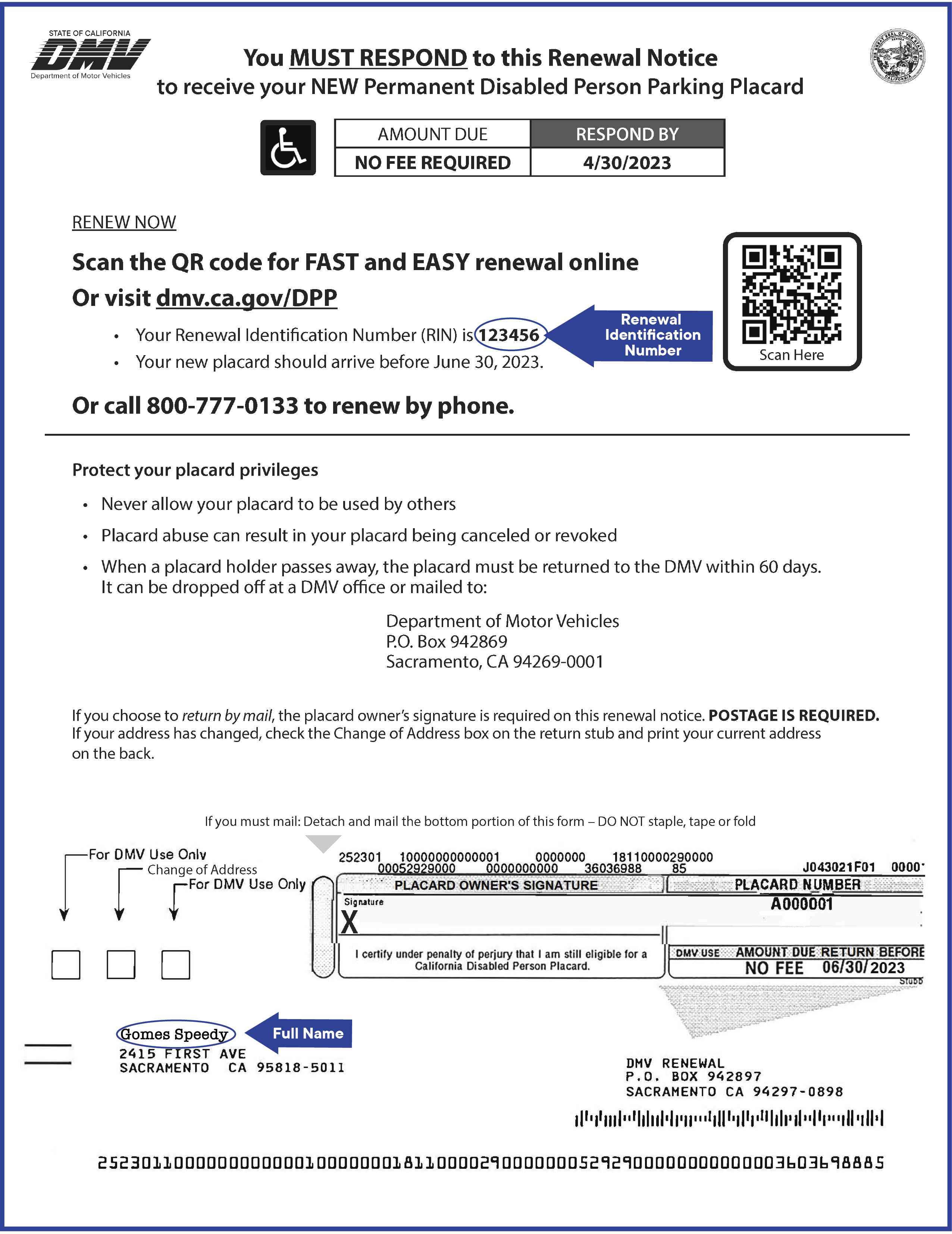
- Renewal: The DMV typically sends a renewal notice prior to expiration. For many, renewal is automatic and does not require a new medical certification, simplifying the process of maintaining continuous accessibility.
- Lifestyle Impact: Offers consistent, long-term access to disabled parking spaces, integral for maintaining a stable and independent lifestyle. It provides peace of mind for daily activities, from commuting to doctor’s appointments to leisure travel across the state.
Temporary DP Placard
Designed for individuals with short-term disabilities or conditions that are expected to improve.
- Validity: Valid for a maximum of six months or the date indicated by your medical professional, whichever comes first.
- Renewal: A new medical certification is required for each temporary placard application or renewal. You can apply for up to six temporary placards per person.
- Lifestyle Impact: Crucial for adapting to temporary lifestyle changes due to injury, surgery, or acute medical conditions. It allows individuals to continue their essential activities and recover without the added stress of parking challenges.
Disabled Person (DP) License Plates
For individuals with permanent disabilities who wish to have their vehicle registered with specialized plates.
- Eligibility: Must meet the same medical criteria as for a permanent DP placard.
- Advantages: Eliminates the need to display a hanging placard, as the accessibility designation is integrated into the vehicle’s registration. This is particularly convenient for those who consistently use the same vehicle.
- Lifestyle Impact: Offers a seamless parking solution for a primary vehicle, providing all the benefits of a placard without the need to remember to transfer it between vehicles (though an individual is also issued a permanent placard that can be used in other vehicles).
Rights, Responsibilities, and Maintaining Your Permit
Possessing a handicap parking permit grants significant advantages but also comes with important responsibilities to ensure the system is used fairly and effectively.
Where You Can Park
A California DP placard or license plate allows you to park in:
- Designated disabled parking spaces: These are typically marked with a blue curb and the international symbol of access.
- Metered parking spaces: Often, you can park for free in metered spaces, though local ordinances should always be checked.
- Green curb zones: For an unlimited amount of time (typically restricted to a short period).
- “No Parking” areas: Where “No Parking” signs are posted for street sweeping or other purposes, you may be exempt, but read signs carefully for specific exclusions.
- Residential Permit Parking areas: You are exempt from the time limits in these zones.
Misuse and Penalties
Misuse of a DP placard is a serious offense in California and carries substantial penalties, including fines up to $1,000, imprisonment for up to six months, and the revocation of the placard. It is illegal to:
- Lend your placard to another person.
- Use a placard that is expired or was issued to someone else.
- Forge or alter a placard.
These strict rules are in place to protect the integrity of the program and ensure that parking spaces are available for those individuals whose lifestyle genuinely depends on them. Responsible use is paramount.

Renewals and Replacements
- Permanent Placards: As mentioned, these often renew automatically. If you don’t receive a new placard before the old one expires, contact the DMV.
- Temporary Placards: Require a new REG 195 form with medical certification for each renewal.
- Lost or Stolen Placards: You can apply for a replacement by submitting a new REG 195 form. You’ll need to indicate that it’s a replacement request. A fee might apply for replacements.
Staying informed about your permit’s expiration date and renewal requirements is crucial for uninterrupted access. The DMV website is the most reliable resource for the most current information and forms. By understanding and adhering to these guidelines, individuals with disabilities can continue to enjoy the enhanced independence and quality of life that a California handicap parking permit provides, enabling them to lead full and active lifestyles across the state.
LifeOutOfTheBox is a participant in the Amazon Services LLC Associates Program, an affiliate advertising program designed to provide a means for sites to earn advertising fees by advertising and linking to Amazon.com. Amazon, the Amazon logo, AmazonSupply, and the AmazonSupply logo are trademarks of Amazon.com, Inc. or its affiliates. As an Amazon Associate we earn affiliate commissions from qualifying purchases.