
Understanding the financial landscape of homeownership in Florida is crucial for both prospective buyers and current residents. A key metric in this assessment is the average income allocated towards mortgage payments. This figure not only reflects the affordability of housing in the Sunshine State but also provides insights into the economic health of its populace and the various factors influencing real estate markets across different regions.
Florida’s Housing Market Dynamics and Mortgage Allocation
The Florida housing market is characterized by its diversity, from bustling metropolitan areas like Miami and Orlando to more tranquil coastal towns and inland communities. This geographical variation significantly impacts property values and, consequently, the mortgage amounts and the income required to service them.
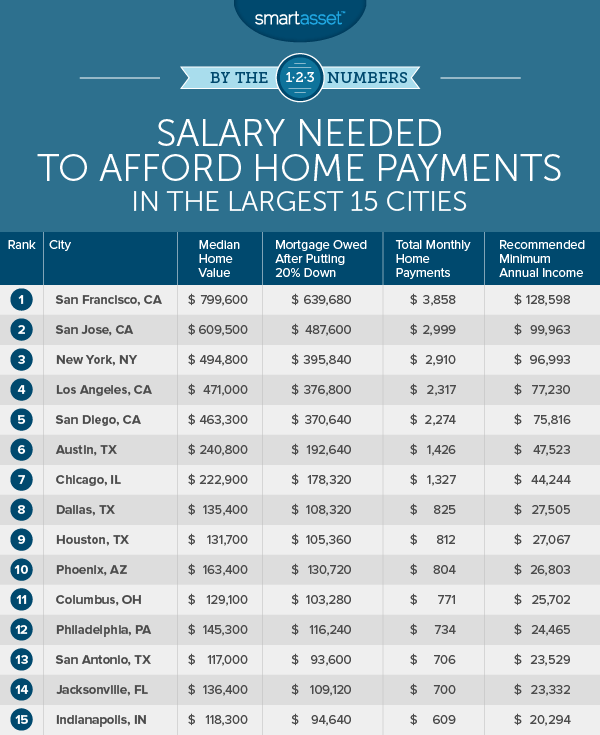
Regional Variations in Property Values and Income Levels
In desirable coastal areas, such as those along the Atlantic Coast or the Gulf Coast, property values tend to be higher, driven by demand for scenic views, proximity to beaches, and a desirable lifestyle. This often translates to larger mortgage obligations. Conversely, inland communities or areas experiencing less rapid development might offer more affordable housing options, leading to a lower average mortgage payment relative to income.
The income levels of residents also play a pivotal role. Major economic hubs like Tampa or Jacksonville often attract a diverse workforce with varying income brackets. The average income allocated for a mortgage in these areas will be a blend of what high-earning professionals can afford and what middle-income families can manage. Factors such as the presence of major industries, job growth, and the cost of living in general contribute to these income disparities and their impact on mortgage allocation.
The Role of Interest Rates and Property Taxes
Beyond the purchase price of a home, mortgage payments are influenced by prevailing interest rates and local property taxes. Fluctuations in interest rates, set by the Federal Reserve and market conditions, directly affect the monthly principal and interest payments. A higher interest rate, even for the same loan amount, will necessitate a larger portion of income to be allocated.
Property taxes, which vary significantly by county and municipality in Florida, form another substantial component of the total monthly housing expense. Areas with robust public services, good school districts, or extensive infrastructure projects may levy higher property taxes, thus increasing the overall mortgage burden for homeowners. Therefore, when considering the average income allocated for a mortgage, it’s essential to encompass not just the principal and interest but also the escrowed amounts for property taxes and homeowner’s insurance.
Key Metrics and Benchmarks for Mortgage Allocation
Financial experts and housing authorities often use benchmarks to gauge housing affordability. A common guideline is the 28/36 rule, which suggests that no more than 28% of gross monthly income should be spent on housing costs (including mortgage, property taxes, and insurance), and no more than 36% of gross monthly income should be spent on total debt (including housing, car loans, student loans, and credit card payments). While these are general guidelines, actual allocations in Florida can deviate based on individual circumstances and market pressures.
Calculating the Average Mortgage Payment
To arrive at an “average income allocated for mortgage,” one would ideally need comprehensive data on household incomes and mortgage expenditures across the state. This data is typically compiled by real estate research firms, government agencies, and financial institutions. The calculation generally involves:
- Determining the median or average home price in a specific region or statewide.
- Estimating the average mortgage loan amount, considering typical down payment percentages. For instance, a common down payment might be 20% of the home’s value.
- Calculating the estimated monthly mortgage payment using current average interest rates and loan terms (e.g., 30-year fixed mortgage). This calculation would include principal, interest, property taxes (based on average millage rates), and homeowner’s insurance premiums.
- Assessing the median or average household income for the same region or statewide.
- Dividing the average monthly mortgage payment by the average monthly income to determine the percentage of income allocated to mortgage payments.
Without access to specific, up-to-the-minute statistical reports, providing an exact dollar figure for the average income allocated for a mortgage in Florida is challenging. However, national trends and reports from organizations like the National Association of Realtors or the Mortgage Bankers Association can offer indicative figures that are often adjusted for regional economic factors. These reports frequently highlight that housing costs, particularly in popular states like Florida, can push the limits of affordability for many households.

Impact of Economic Factors on Affordability
The economic climate significantly influences the average income allocated for mortgages. Periods of robust job growth and rising wages generally allow for higher mortgage allocations, potentially leading to increased homeownership rates and property values. Conversely, during economic downturns, wage stagnation, or periods of high inflation, homeowners may find themselves dedicating a larger portion of their income to their mortgage simply to keep pace, or they may postpone home purchases altogether.
The availability of mortgage credit also plays a crucial role. Lenders’ underwriting standards, influenced by economic conditions and regulatory policies, can make it easier or harder for individuals to secure loans. Stricter lending requirements might mean fewer people can qualify for mortgages, which could, in turn, moderate demand and potentially affect average mortgage allocations.
Lifestyle and Housing Choices in Florida
The decision of how much income to allocate to a mortgage in Florida is deeply intertwined with individual lifestyle choices and financial priorities. Some residents may prioritize owning a larger home or a property in a highly sought-after location, accepting a higher mortgage payment as a trade-off for their desired living environment. This is particularly true in luxury markets or areas catering to retirees and second-home owners.
The Influence of Luxury and Vacation Markets
Areas like Naples, Palm Beach, or parts of the Florida Keys are known for their high-end real estate. In these exclusive enclaves, the average income allocated for mortgages can be considerably higher, reflecting the substantial wealth of many residents and the premium placed on these desirable locales. Investors and second-home buyers often operate with different financial considerations than primary residents, further influencing the aggregate data.
Conversely, the thriving tourism industry in Florida also impacts housing. The demand for vacation rentals and short-term accommodations in popular tourist destinations such as Kissimmee or near theme parks like Walt Disney World can drive up property values and rental income potential, influencing how locals might consider their housing investments and mortgage allocations.
Balancing Homeownership with Other Financial Goals
For many Floridians, the decision of how much to spend on a mortgage involves balancing homeownership aspirations with other financial goals, such as saving for retirement, funding children’s education, or maintaining a comfortable lifestyle. A high mortgage payment can strain household budgets, limiting discretionary spending or the ability to save. Therefore, many individuals carefully calculate their mortgage capacity to ensure they can meet their obligations without sacrificing other important aspects of their lives. This often involves making informed decisions about the size and location of a home, as well as the loan terms secured.
Factors Influencing Future Mortgage Allocation Trends
The trajectory of average income allocated for mortgages in Florida will be shaped by a confluence of economic, demographic, and policy factors. As the state continues to grow in population, driven by both domestic and international migration, demand for housing is likely to remain strong. This sustained demand, coupled with potential shifts in interest rate environments and economic growth, will continually redefine the affordability landscape.
Population Growth and Demand Dynamics
Florida consistently ranks among the fastest-growing states in the U.S. This influx of new residents, whether retirees, remote workers, or families seeking a more affordable cost of living compared to some northern states, places continuous pressure on housing inventory. The increased demand, if not matched by an equivalent increase in supply, tends to drive up home prices, which in turn can elevate the average mortgage amount and the proportion of income required to service it. Understanding the demographic profile of new residents—their age, income levels, and employment sectors—is key to anticipating future trends in mortgage allocation.
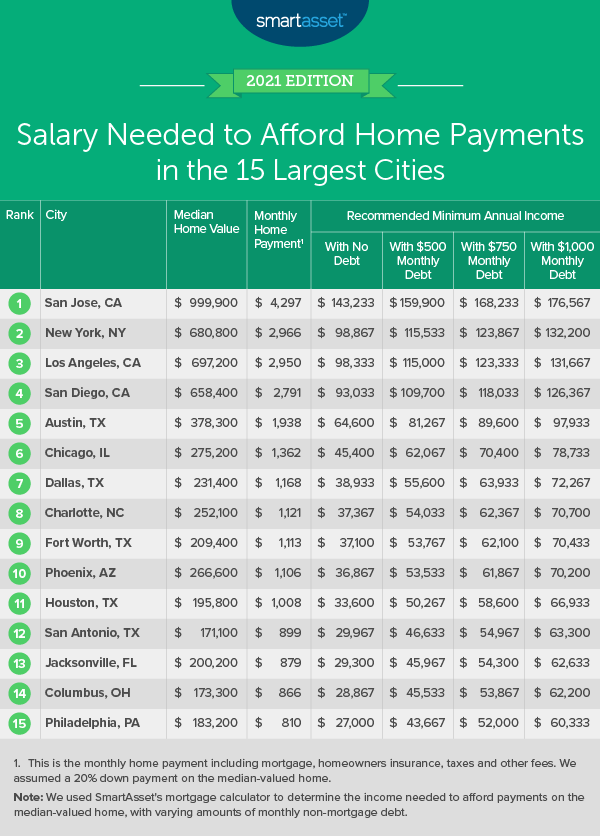
Evolving Economic Conditions and Policy Interventions
The broader economic outlook for the United States and Florida in particular will be a primary determinant. Factors such as inflation, employment rates, wage growth, and the stability of financial markets will all influence the cost of borrowing and the capacity of households to take on or manage mortgage debt. Furthermore, government policies, including those related to housing development, property taxation, and mortgage interest deductions, can have a significant impact. Any shifts in these areas could alter the average income allocated towards mortgages, making housing more or less accessible for a substantial portion of the population. The ongoing development and infrastructure projects across the state, such as those in Miami-Dade County or near major transportation hubs, also contribute to regional economic growth and can influence local housing affordability.
LifeOutOfTheBox is a participant in the Amazon Services LLC Associates Program, an affiliate advertising program designed to provide a means for sites to earn advertising fees by advertising and linking to Amazon.com. Amazon, the Amazon logo, AmazonSupply, and the AmazonSupply logo are trademarks of Amazon.com, Inc. or its affiliates. As an Amazon Associate we earn affiliate commissions from qualifying purchases.