
Texas, a state known for its expansive landscapes, rich history, and independent spirit, also possesses a complex and evolving legal framework surrounding cannabis. While the allure of cultivating one’s own marijuana may be strong for some, understanding the precise legal standing in the Lone Star State is paramount. This exploration delves into the current laws, restrictions, and potential pathways concerning marijuana cultivation within Texas.
The Current Legal Landscape of Marijuana in Texas
The journey of marijuana legalization in the United States has been a mosaic of differing state laws, and Texas has remained on the more conservative end of this spectrum. Unlike many other states that have embraced full recreational or comprehensive medical marijuana programs, Texas has adopted a more restrictive approach.

A Glimpse at the Compassionate Use Program
The most significant legislative step toward cannabis reform in Texas was the passage of the Texas Compassionate Use Program (TCUP) in 2015. This program, however, is far from a broad legalization of marijuana. TCUP permits the use of low-THC cannabis for patients with specific, qualifying medical conditions.
Key aspects of TCUP include:
- Low-THC Definition: Cannabis is classified as “low-THC” if it contains no more than 10% tetrahydrocannabinol (THC) by weight. This is a critical distinction, as it excludes the higher-THC strains typically associated with recreational use.
- Qualifying Conditions: The list of conditions for which low-THC cannabis can be prescribed has expanded since the program’s inception. Initially limited to epilepsy and seizure disorders, it now includes conditions such as multiple sclerosis, spasticity, amyotrophic lateral sclerosis (ALS), autism, terminal cancer, and post-traumatic stress disorder (PTSD).
- Physician Certification: Patients must be evaluated by a physician registered with the Compassionate Use Registry of Texas (CURT). This physician will determine if the patient’s condition qualifies for low-THC cannabis treatment and issue a prescription.
- Dispensaries: Patients can only obtain low-THC cannabis from licensed dispensaries within Texas. The state has a limited number of these licensed facilities.
It is crucial to understand that TCUP does not authorize the cultivation of marijuana by individuals for personal use or even for qualifying patients. The production and distribution of low-THC cannabis are strictly controlled and managed through licensed entities.
The Unaltered Status of Recreational Marijuana
Beyond the narrow scope of TCUP, recreational marijuana remains illegal in Texas. Possession of even small amounts of marijuana can lead to criminal charges, including fines and jail time, depending on the quantity. The state’s laws are clear: growing, possessing, or distributing marijuana outside the strict confines of TCUP is a violation of Texas law.
This stance reflects a broader conservative political climate in the state, which has historically been hesitant to embrace widespread cannabis reform. While public opinion on marijuana legalization has shifted nationwide, Texas has not yet followed suit with broader legislative changes.
Understanding “Growing Marijuana” in the Texas Context
When considering the legality of “growing marijuana” in Texas, it is essential to distinguish between personal cultivation and regulated production.
Personal Cultivation: A Legal Minefield
For individuals seeking to grow marijuana plants at home, whether for personal consumption, medicinal purposes not covered by TCUP, or any other reason, the answer is unequivocally no, it is not legal. The cultivation of any cannabis plant that contains more than 0.3% THC by dry weight is prohibited under Texas law. This prohibition applies regardless of whether the grower has a medical condition or intends to use the harvested product for medicinal purposes.
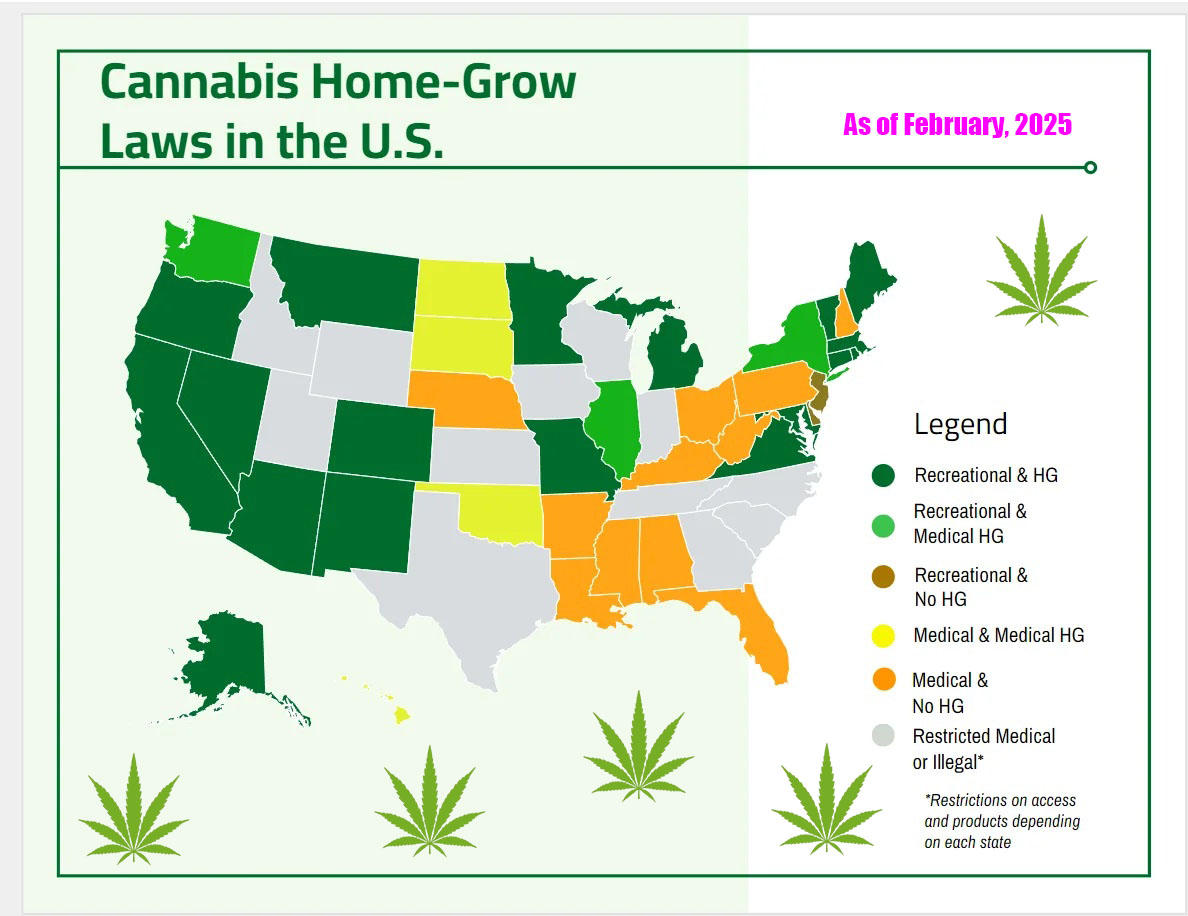
The penalties for illegal cultivation can be severe, escalating with the number of plants and the quantity of the substance produced. These can range from misdemeanor charges for small-scale operations to felony charges for larger cultivation efforts, carrying significant fines and lengthy prison sentences. Law enforcement in Texas actively targets and prosecutes illegal marijuana cultivation operations.
Regulated Cultivation: The Domain of Licensed Entities
The only legal avenue for growing marijuana in Texas is through the state’s licensed cultivation facilities. These are businesses that have been awarded licenses by the state to grow, process, and dispense low-THC cannabis products under the strict guidelines of TCUP.
The process for obtaining such a license is highly rigorous and involves:
- Application and Approval: Potential cultivators must submit detailed applications to the Texas Department of Public Safety (DPS). These applications require extensive information about the business plan, security measures, cultivation practices, and financial standing.
- Strict Oversight: Licensed cultivators are subject to continuous oversight and inspections by state authorities. They must adhere to stringent regulations regarding cultivation techniques, product testing, labeling, and security to prevent diversion and ensure product quality.
- Limited Scope: It is important to reiterate that these licenses are for the cultivation of low-THC cannabis, not for high-THC marijuana suitable for recreational use. The THC content must consistently remain below the 10% threshold.
Therefore, while the act of growing marijuana is permitted in Texas, it is exclusively within the highly regulated framework of the Compassionate Use Program and undertaken by entities that have met the state’s stringent licensing requirements. For the average resident, home cultivation is illegal.
Potential for Future Reforms and Considerations
The legal status of marijuana in Texas is not static, and like many other states, it is a topic of ongoing discussion and legislative debate. While sweeping legalization may not be imminent, incremental changes are possible.
The Evolving Public Opinion
Public opinion surveys in Texas have shown a growing acceptance of marijuana, particularly for medical purposes. This shift in public sentiment could influence future legislative actions. As more states continue to legalize marijuana for medical and recreational use, the pressure on more conservative states like Texas to re-evaluate their policies may increase.
Legislative Proposals and Debates
Each legislative session in Texas often sees various bills introduced that aim to reform cannabis laws. These proposals have ranged from expanding the list of qualifying conditions for TCUP to decriminalizing possession of small amounts of marijuana or even establishing a framework for a medical marijuana program that allows for higher THC content.
However, these proposals often face significant hurdles in the state legislature, where concerns about public health, safety, and potential impacts on communities are voiced. The path to broader cannabis reform in Texas is likely to be gradual and incremental, rather than a rapid overhaul.
Impact on Tourism and Local Culture
While Texas is not currently a destination for cannabis tourism in the same vein as states with fully legalized recreational markets, the evolving laws do have subtle impacts on local culture and perceptions. As Texas continues to engage with the broader national conversation on cannabis, its approach will undoubtedly shape its future identity and its appeal to diverse visitors and residents alike. The focus remains on responsible medical access and a cautious approach to broader reform.
In conclusion, the direct answer to “Is It Legal To Grow Marijuana In Texas?” is nuanced. For licensed entities under the strict parameters of the Texas Compassionate Use Program, cultivating low-THC cannabis is legal. For all other individuals or for the cultivation of high-THC marijuana, it remains firmly illegal with significant legal repercussions. Residents interested in medical cannabis should consult with a registered physician and adhere strictly to the provisions of TCUP.
LifeOutOfTheBox is a participant in the Amazon Services LLC Associates Program, an affiliate advertising program designed to provide a means for sites to earn advertising fees by advertising and linking to Amazon.com. Amazon, the Amazon logo, AmazonSupply, and the AmazonSupply logo are trademarks of Amazon.com, Inc. or its affiliates. As an Amazon Associate we earn affiliate commissions from qualifying purchases.