
Navigating the process of obtaining a Commercial Driver License in California is a crucial step for anyone aspiring to a career in professional driving. This license, often abbreviated as a CDL, is a prerequisite for operating larger, heavier, or more complex vehicles, and it opens doors to a vast array of job opportunities across industries such as logistics, transportation, and construction. This guide will walk you through the essential steps, requirements, and considerations for successfully acquiring your CDL in the Golden State.
Understanding CDL Classes and Endorsements
Before embarking on your CDL journey, it’s vital to understand the different classifications and endorsements available. These determine the types of vehicles you are authorized to drive and the specific operational conditions you can handle.
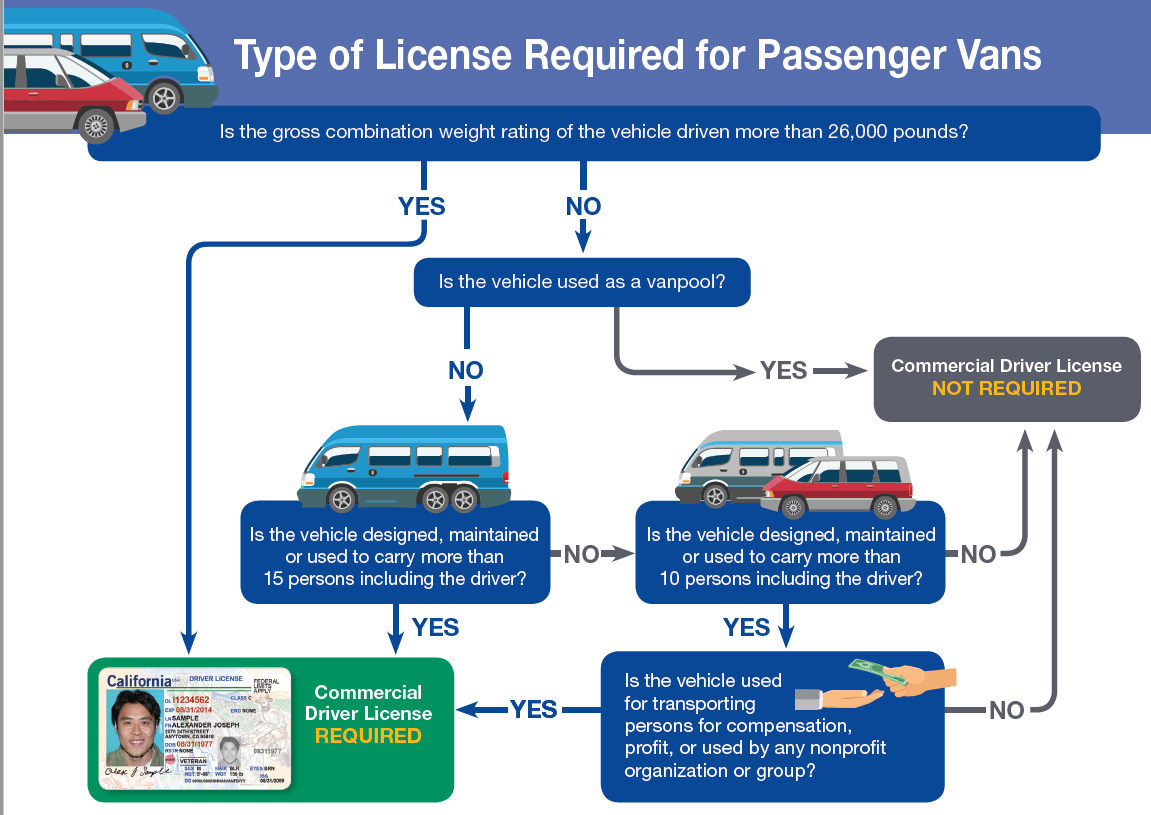
CDL Classifications
The CDL is divided into three main classes, each with specific weight limits and vehicle types:
- Class A: This license is required for operating a combination vehicle with a gross combination weight rating (GCWR) of 26,001 pounds or more, provided the gross vehicle weight rating (GVWR) of the vehicle being towed is in excess of 10,000 pounds. This typically includes tractor-trailers and truck-and-trailer combinations.
- Class B: This license is for operating a single vehicle with a GVWR of 26,001 pounds or more, or any such vehicle towing a vehicle with a GVWR not in excess of 10,000 pounds. Examples include straight trucks, dump trucks, and buses.
- Class C: This license is for vehicles that do not meet the definition of a Class A or Class B vehicle but are designed to transport 16 or more occupants (including the driver), or are placarded for transporting hazardous materials. This can include smaller buses and delivery vehicles carrying specific regulated goods.
Essential Endorsements
Beyond the classification, endorsements are added to your CDL to signify your qualification to operate specific types of vehicles or transport certain types of cargo. Common endorsements in California include:
- H – Hazardous Materials (HazMat): Required for transporting hazardous materials that require placarding. Obtaining this endorsement involves a background check and passing a specific knowledge test.
- P – Passenger: Necessary for operating vehicles designed to transport 15 or more passengers (including the driver). This typically applies to school buses and transit buses.
- S – School Bus: A specific endorsement for driving school buses, which comes with additional training and testing requirements to ensure the safety of student passengers.
- N – Tank Vehicle: Required for operating vehicles designed to haul liquids or gaseous materials in bulk through a tank that is either permanently or temporarily attached to the vehicle.
- T – Double/Triple Trailers: Authorizes the operation of vehicles towing double or triple trailers.
The specific class and endorsements you need will depend entirely on the type of commercial driving career you intend to pursue. Researching job descriptions in your desired field is a wise first step.
Eligibility Requirements for a California CDL
Meeting the eligibility criteria is the foundational step in the CDL acquisition process. These requirements are set by the California Department of Motor Vehicles (DMV) and are designed to ensure that all commercial drivers possess the necessary qualifications for safe operation.
General Eligibility Criteria
- Age: You must be at least 18 years old to obtain a CDL for intrastate driving (within California). To drive a commercial vehicle across state lines (interstate driving) or to transport hazardous materials, you must be at least 21 years old.
- Residency: You must be a resident of California or maintain a domicile in the state.
- Valid Driver’s License: You must possess a valid, non-commercial driver’s license for the appropriate class in California.
- Social Security Number: A valid Social Security card is required.
- Medical Certification: You must meet specific federal and state medical standards. This involves obtaining a Medical Examiner’s Certificate from a certified medical examiner. Drivers who operate commercial vehicles in interstate commerce must obtain a federal medical card. Those operating solely in intrastate commerce may have slightly different requirements, often referred to as a California Medical Card, though federal standards are increasingly becoming the norm for many.
- Vision Standards: Specific vision acuity standards must be met, which will be assessed during your medical examination.
Required Documentation
When applying for your CDL, you will need to present several important documents to the DMV. It is advisable to gather these in advance to streamline the process.
- Proof of Identity: Such as a U.S. birth certificate or a valid U.S. passport.
- Proof of Social Security Number: Your Social Security card.
- Proof of California Residency: Two documents are typically required, such as utility bills, bank statements, or rental agreements in your name.
- Medical Examiner’s Certificate: This document confirms you meet the medical requirements to operate a commercial vehicle.
- Existing Driver’s License: Your current California driver’s license.

It is crucial to check the official California DMV website for the most up-to-date list of acceptable documents, as requirements can change.
The Application and Testing Process
Once you have confirmed your eligibility and gathered the necessary documentation, the next stage involves applying for a learner’s permit and then passing the required tests to obtain your full CDL.
Obtaining a Commercial Learner’s Permit (CLP)
The journey begins with obtaining a Commercial Learner’s Permit (CLP). This permit allows you to practice driving commercial vehicles under the supervision of a licensed CDL holder.
- Visit a DMV Office: Schedule an appointment or visit a DMV field office.
- Complete the Application: Fill out the Commercial Driver License Application form.
- Pass Vision and Knowledge Tests: You will undergo a vision screening and must pass the appropriate written knowledge tests for the class of vehicle and any endorsements you are seeking. The Commercial Driver Handbook is an invaluable resource for preparing for these tests.
- Pay Fees: There are application and testing fees associated with the CLP.
- Receive Your CLP: Upon successful completion, you will be issued your CLP.
Preparing for and Taking the Skills Test
The Commercial Driver Skills Test is the final hurdle to obtaining your CDL. This test assesses your ability to safely operate a commercial vehicle and perform various maneuvers. It is typically divided into three parts:
- Pre-trip Inspection: This is a critical component where you must demonstrate your ability to conduct a thorough inspection of the vehicle to ensure it is safe for operation. You will need to know the names of all critical parts and their functions.
- Basic Control Skills Test: This part evaluates your ability to maneuver the vehicle at low speeds. It often includes exercises like backing into a simulated loading dock and performing a right-angle or offset alley dock.
- Road Test: This is the on-road portion where you will drive the vehicle in various traffic conditions, demonstrating your ability to safely merge, change lanes, brake, and navigate turns.
Training and Practice: It is highly recommended to enroll in a professional CDL training program. These programs provide comprehensive instruction on vehicle operation, safety procedures, and test preparation. Many programs also offer practice vehicles and experienced instructors to help you hone your skills. Even after obtaining your CLP, you must practice driving with a qualified supervisor for a minimum period before you can take the skills test.
Scheduling the Skills Test: Once you feel confident in your abilities and have met the required practice time, you can schedule your skills test. These tests are administered by third-party examiners certified by the California DMV. You will need to provide the commercial vehicle that you will be tested in, and it must meet specific requirements for the class of license you are seeking.
Maintaining Your California CDL
Obtaining your CDL is a significant achievement, but it also comes with ongoing responsibilities to ensure its validity and your continued qualification as a professional driver.
Renewal and Medical Updates
- CDL Renewal: Your CDL will expire and needs to be renewed periodically. The renewal process typically involves passing a vision test and submitting updated medical documentation. You will also need to retake written tests if there have been significant changes in regulations or if your endorsements have expired.
- Medical Certification Updates: The Medical Examiner’s Certificate has an expiration date, and you must submit an updated certificate to the DMV before your current one expires. Failure to do so will result in the suspension of your commercial driving privileges.
- Self-Certification: Drivers are required to self-certify their medical status with the DMV when obtaining or renewing their CDL. This involves indicating whether they operate in interstate or intrastate commerce and whether they are subject to specific medical qualification requirements.

Compliance with Regulations
Operating a commercial vehicle in California means adhering to a strict set of federal and state regulations. These are designed to promote safety on the roadways and protect both the driver and the public.
- Hours of Service (HOS): Drivers must comply with regulations limiting the number of hours they can drive and work within a given period to prevent fatigue-related accidents. This often involves using an Electronic Logging Device (ELD).
- Vehicle Maintenance: Regular and thorough maintenance of your vehicle is paramount. You are responsible for ensuring your truck or bus is in safe operating condition at all times.
- Drug and Alcohol Testing: Commercial drivers are subject to mandatory drug and alcohol testing at various stages of their employment, including pre-employment, random, post-accident, and reasonable suspicion testing.
- Traffic Violations: Committing traffic violations, especially those that are disqualifying offenses, can lead to suspension or revocation of your CDL. This underscores the importance of safe driving practices and adherence to all traffic laws.
By understanding and diligently following these guidelines, you can ensure a long and successful career as a commercial driver in California.
LifeOutOfTheBox is a participant in the Amazon Services LLC Associates Program, an affiliate advertising program designed to provide a means for sites to earn advertising fees by advertising and linking to Amazon.com. Amazon, the Amazon logo, AmazonSupply, and the AmazonSupply logo are trademarks of Amazon.com, Inc. or its affiliates. As an Amazon Associate we earn affiliate commissions from qualifying purchases.