
Nestled in the heart of California’s fertile Central Valley, Fresno emerges as a vibrant hub of agriculture, culture, and gateway to some of the nation’s most treasured natural wonders. This sprawling metropolis, while perhaps not as globally recognized as its coastal counterparts, possesses a unique charm and strategic importance that makes understanding its location crucial for any traveler, businessperson, or admirer of the Golden State. Fresno’s position is not merely geographical; it’s an intersection of opportunity, natural beauty, and a rich agricultural heritage that shapes its identity.
Strategic Positioning in California
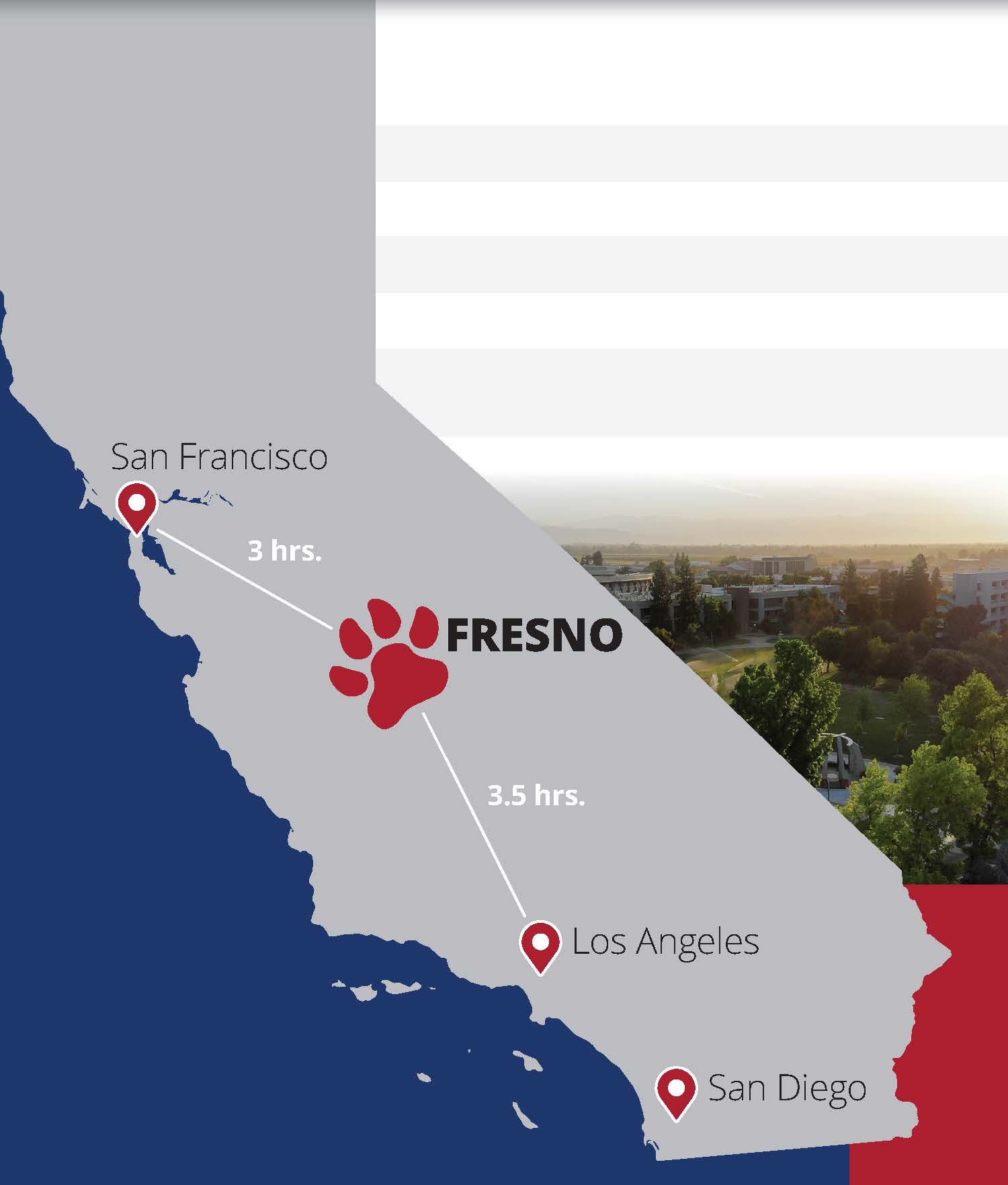
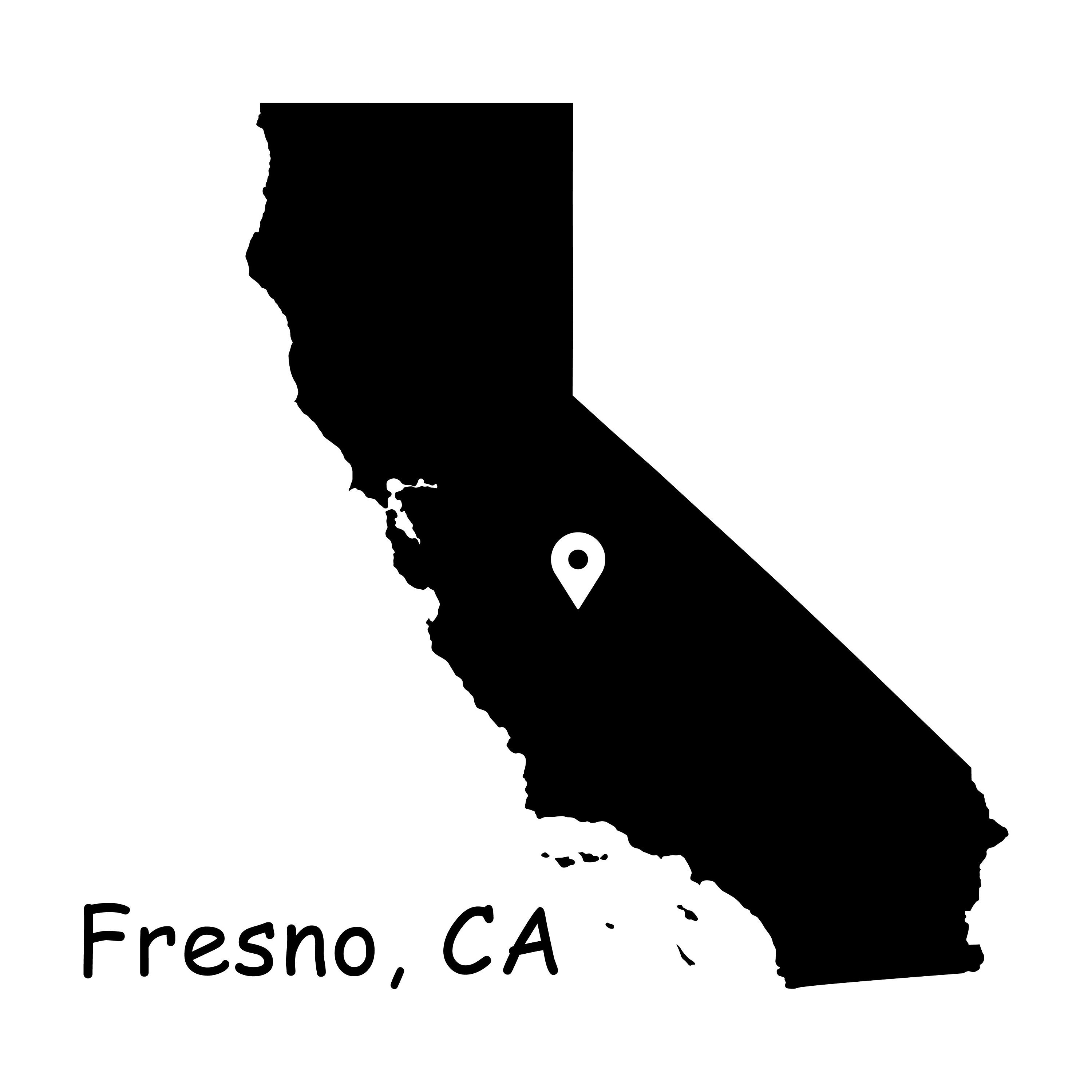
Fresno is strategically situated in central California, a location that offers distinct advantages for both residents and visitors. It serves as the unofficial capital of the Central Valley, an area renowned for its agricultural productivity. This positioning places it equidistant from the major metropolitan centers of Los Angeles to the south and San Francisco to the north, making it an accessible destination and a convenient base for exploring diverse Californian landscapes.
The Heart of the Central Valley
The Central Valley is a vast, fertile basin stretching for hundreds of miles. Fresno occupies a significant portion of this region, benefiting from rich alluvial soils and a climate conducive to a wide array of crops. This agricultural prowess has deeply influenced the city’s economy, culture, and even its culinary scene. When one speaks of Fresno’s location, the immediate association is with the agricultural bounty that defines this part of California.
Proximity to Major Urban Centers
The distance from Fresno to Los Angeles is approximately 170 miles north, a journey typically taking around three hours by car, depending on traffic. To the north, San Francisco is about 190 miles away, also reachable by car in roughly three to three-and-a-half hours. This central location makes Fresno an excellent stopping point for road trips traversing the state or a convenient departure point for excursions to either of these iconic cities. The presence of Fresno Yosemite International Airport further enhances its connectivity, offering direct flights to various domestic destinations.
Gateway to National Parks and Natural Wonders
Beyond its agricultural significance and urban accessibility, Fresno holds a particularly esteemed position as a primary gateway to some of America‘s most breathtaking natural landscapes. Its proximity to the Sierra Nevada mountain range, and consequently to iconic national parks, is a major draw for outdoor enthusiasts and nature lovers.
Yosemite National Park
Perhaps the most famous attraction accessible from Fresno is Yosemite National Park. Located roughly 70 miles northeast of the city, Yosemite is a UNESCO World Heritage Site famed for its granite cliffs, giant sequoia groves, waterfalls, and diverse wildlife. Many visitors use Fresno as their staging ground, staying in hotels or utilizing services before entering the park. The drive to the park’s southern entrance is relatively short and scenic, offering a taste of the dramatic mountain terrain that awaits.

Sequoia and Kings Canyon National Parks
To the southeast of Fresno, the majestic Sequoia National Park and its adjacent counterpart, Kings Canyon National Park, beckon with their towering ancient trees. Home to the largest trees on Earth by volume, including the colossal General Sherman Tree, these parks offer a humbling encounter with nature’s grandeur. The drive to the entrance of Sequoia National Park is about 1.5 hours from Fresno, making it a very accessible day trip or a primary destination for visitors. The combined parks offer stunning granite domes, deep canyons, and vast wilderness areas.
Sierra National Forest
In addition to the national parks, Fresno is surrounded by the expansive Sierra National Forest. This protected area provides a wealth of recreational opportunities, including hiking, camping, fishing, and boating on lakes like Bass Lake. The forest serves as a buffer and an extension of the national parks, offering a more rugged and less crowded wilderness experience for those seeking to explore the natural beauty of the Sierra Nevada. Its location makes it an ideal spot for outdoor adventures for those based in or passing through Fresno.
Understanding Fresno’s Regional Context
To truly grasp where Fresno is located, one must also consider its place within the broader regional context of California and the American West. It is a key economic engine for the Central Valley and a vital link in the state’s infrastructure and supply chains.
Economic Significance
Fresno’s economy is heavily driven by agriculture, with the surrounding region producing a significant percentage of the nation’s fruits, vegetables, and nuts. The city itself is a center for food processing, distribution, and agricultural research. This economic backbone means that Fresno is a hub for agricultural businesses, suppliers, and labor, contributing to its distinct character and its importance in the state’s economy. This agricultural focus extends to its vibrant farmers’ markets and its emphasis on fresh, local produce.
Transportation Networks
Fresno is strategically positioned along major transportation arteries. State Route 99 (SR 99), a vital north-south highway, runs directly through the city, connecting it to other significant communities in the Central Valley and providing access to the state’s major north-south routes like Interstate 5 (I-5) and Interstate 80 (I-80). This connectivity is crucial for the movement of goods from the agricultural heartland to markets across the country. Furthermore, Fresno Yosemite International Airport offers commercial air service, facilitating both business and leisure travel.
Cultural and Community Identity
While its location is defined by its agricultural roots and proximity to natural wonders, Fresno also boasts a growing cultural landscape and a strong community identity. Its diverse population contributes to a rich tapestry of traditions, arts, and culinary experiences. The city has become a melting pot, influenced by successive waves of immigration, each adding its unique flavor to the local culture. This sense of place, born from its specific geographical and historical circumstances, makes Fresno more than just a dot on the map; it’s a dynamic community with a story to tell.
In conclusion, understanding the location of Fresno, California, reveals a city with multifaceted importance. It is a vital agricultural center, a strategic transportation nexus, and a critical gateway to some of America’s most awe-inspiring national parks. Its position in the heart of the Central Valley, surrounded by fertile lands and majestic mountains, defines its unique character and its enduring appeal to those seeking to explore the diverse offerings of the Golden State.
LifeOutOfTheBox is a participant in the Amazon Services LLC Associates Program, an affiliate advertising program designed to provide a means for sites to earn advertising fees by advertising and linking to Amazon.com. Amazon, the Amazon logo, AmazonSupply, and the AmazonSupply logo are trademarks of Amazon.com, Inc. or its affiliates. As an Amazon Associate we earn affiliate commissions from qualifying purchases.