
Florida, often hailed as the “Sunshine State,” is synonymous with warm weather, beautiful beaches, and a vibrant outdoor lifestyle. Understanding the average temperature of Florida is crucial for anyone planning a visit, a move, or simply curious about its distinct climate. This comprehensive guide delves into the nuances of [Florida]’s temperature, exploring regional variations, seasonal shifts, and the factors that contribute to its consistently pleasant, albeit sometimes humid, atmosphere.
Understanding Florida’s Climate Zones
While Florida is a single state, its geographical spread creates distinct climatic zones, each with its own temperature profile. The state is broadly divided into three main climate regions: North Florida, Central Florida, and South Florida.
North Florida: A Touch of Temperate Influence
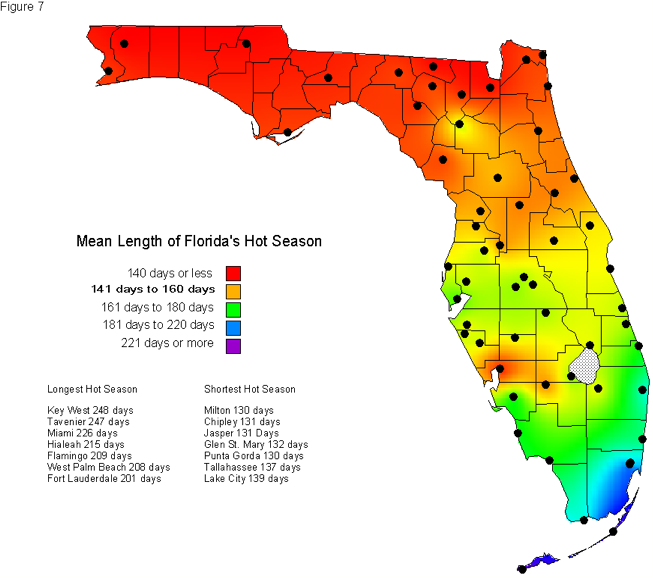
North Florida, encompassing cities like Jacksonville, Tallahassee, and the Panhandle, experiences a more temperate climate compared to the rest of the state. This region is influenced by the continental weather patterns of the Southeastern United States.
- Average Annual Temperature: The average annual temperature in North Florida hovers around 70°F (21°C).
- Seasonal Variations: Winters in North Florida are noticeably cooler. Average daily temperatures can dip into the 50s°F (10-15°C) during the day, with occasional frost or even light freezes possible, especially inland. Summers are hot and humid, with average daily temperatures in the high 80s°F (around 30°C), and occasional heatwaves pushing temperatures into the 90s°F (32°C+).
- Precipitation: Rainfall is abundant throughout the year, with a summer peak often associated with thunderstorms.
Central Florida: The Heart of Sunshine
Central Florida, home to the world-famous theme parks of Orlando and the space coast city of Cape Canaveral, enjoys a subtropical climate that is warmer year-round.
- Average Annual Temperature: The average annual temperature in Central Florida is approximately 72°F (22°C).
- Seasonal Variations: Winters are mild, with daytime temperatures typically ranging from the mid-60s to low 70s°F (18-22°C). Freezes are rare and usually brief. Summers are hot and humid, with average daily temperatures in the upper 80s°F (around 30-31°C), and the humidity can make it feel even warmer. Afternoon thunderstorms are a common occurrence during the summer months.
- Humidity: Humidity is a significant factor in Central Florida, particularly during the summer, contributing to the “feels like” temperature often being higher than the actual air temperature.
South Florida: Tropical Paradise
South Florida, including the vibrant metropolises of Miami, Fort Lauderdale, and the tropical allure of the Florida Keys, boasts a true tropical climate. This region experiences minimal temperature variation throughout the year.
- Average Annual Temperature: The average annual temperature in South Florida is around 75°F (24°C).
- Seasonal Variations: Winters are exceptionally mild and pleasant, with average daytime temperatures in the 70s°F (21-26°C). Frost is virtually unheard of. Summers are long, hot, and humid, with average daily temperatures in the upper 80s°F (around 30-31°C). The proximity to the ocean moderates temperatures somewhat, preventing extreme heat spikes seen in more inland locations.
- Rainy Season: South Florida has a distinct wet season, typically from June through October, coinciding with the hottest months. This period is characterized by frequent, intense, but often short-lived, afternoon thunderstorms.
Seasonal Temperature Trends Across Florida
While regional differences are important, understanding the general temperature trends throughout the year provides a broader picture of [Florida]’s climate.
Spring (March – May): A Sweet Spot
Spring is often considered the most idyllic season to visit Florida. The temperatures are warm and inviting without the intense heat and humidity of summer.
- Early Spring (March): Temperatures begin to warm up across the state. North Florida might still have cooler mornings, while South Florida is already comfortably warm. Average highs range from the mid-70s°F (24°C) in the north to the low 80s°F (27°C) in the south.
- Mid-Spring (April): The warmth solidifies. Average daily temperatures are in the 80s°F (27-29°C) statewide. Humidity is generally lower than in the summer.
- Late Spring (May): Temperatures begin to climb, and humidity starts to increase, signaling the approach of summer. Average highs are in the low to mid-80s°F (27-29°C), with some days reaching the high 80s°F (31°C).
Summer (June – August): The Heat and Humidity Arrive
Summer in Florida is characterized by high temperatures, significant humidity, and frequent afternoon thunderstorms. This is the wet season for much of the state.
- Average Daily Temperatures: Expect average daily temperatures to consistently be in the high 80s°F (around 30-31°C) across the board. The “feels like” temperature, due to humidity, can often exceed 100°F (38°C).
- Rainfall: Summer is the wettest period, with most rainfall occurring as pop-up thunderstorms, often in the afternoon. These storms can be intense but are usually brief.
- Coastal Breezes: Coastal areas often experience a cooling sea breeze, which can offer some relief from the inland heat.
Fall (September – November): A Gentle Transition
Fall brings a welcome respite from the summer heat and humidity, offering pleasant temperatures and drier conditions.
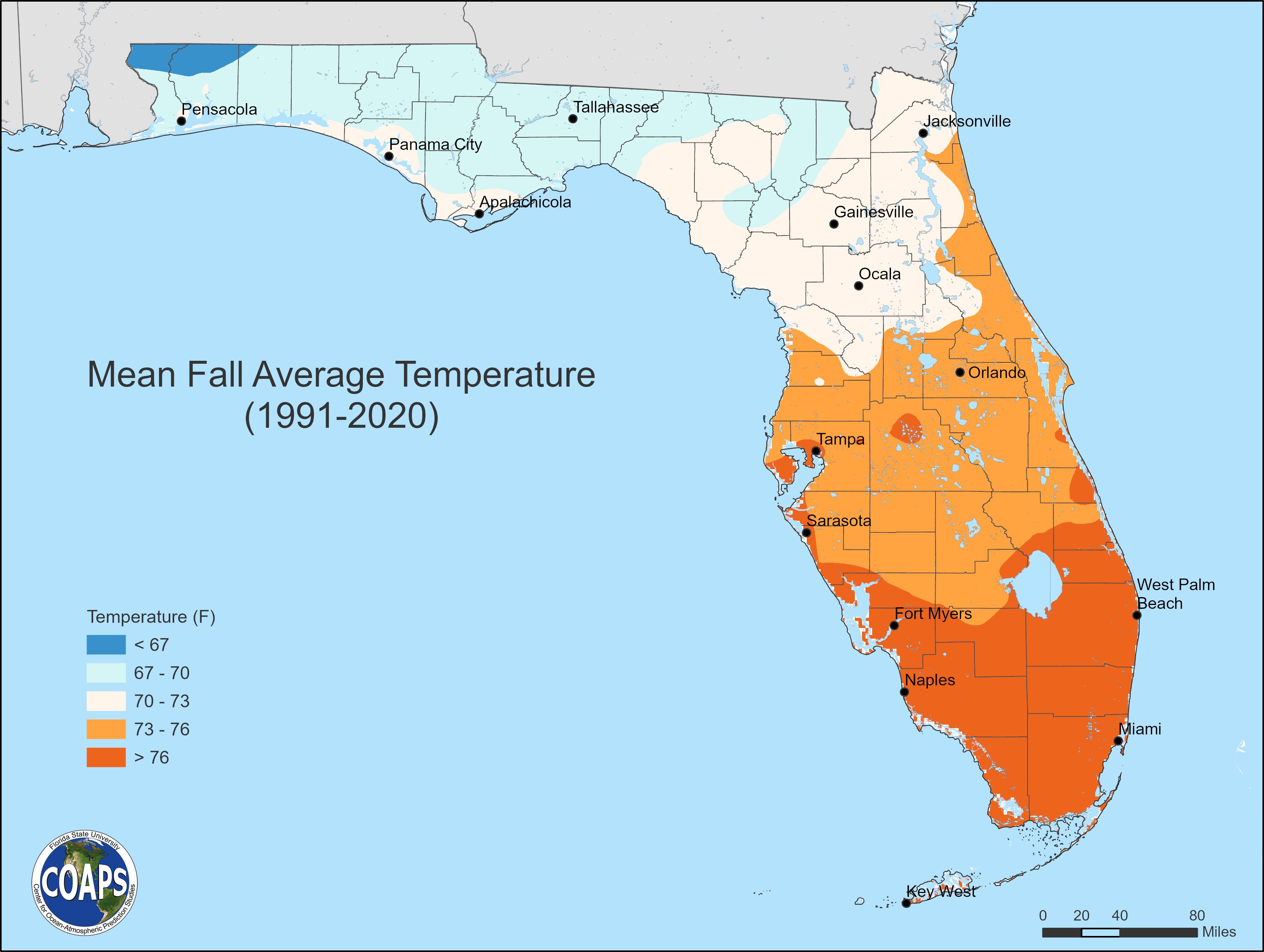
- Early Fall (September): Still very warm and humid, as the rainy season often extends into September. Temperatures are similar to early summer, with average highs in the upper 80s°F (around 30-31°C).
- Mid-Fall (October): A noticeable shift occurs. Temperatures begin to cool, and humidity levels decrease. Average highs settle into the low 80s°F (27-28°C) statewide. This is another prime time for outdoor activities.
- Late Fall (November): Cooler weather arrives, especially in North Florida. Average highs range from the mid-70s°F (24°C) in the north to the low 80s°F (27°C) in the south. Evenings can become quite comfortable.
Winter (December – February): Mild and Pleasant
[Florida]’s winters are a major draw for visitors escaping colder climates. While not tropical in the same way as the summer, the winters are exceptionally mild.- Average Daily Temperatures: Daytime temperatures typically range from the 60s°F (15-20°C) in North Florida to the 70s°F (21-26°C) in South Florida.
- Cold Snaps: While rare, occasional cold fronts can bring cooler temperatures, especially to North Florida, with daytime highs in the 50s°F (10-15°C) and nighttime lows dipping into the 30s°F (0-4°C) or even 40s°F (4-9°C). Freezes are infrequent and usually short-lived.
- Sunshine: Winters are generally sunny and dry, making it an ideal time for exploring attractions like Walt Disney World or enjoying the beaches of Clearwater.
Factors Influencing Florida’s Temperature
Several key factors contribute to [Florida]’s unique temperature patterns:
- Latitude: As a peninsula stretching from the subtropics into the tropics, [Florida]’s latitudinal position is the primary driver of its warm climate. The further south you go, the less variation in temperature there is throughout the year.
- Proximity to the Ocean: The Atlantic Ocean to the east and the Gulf of Mexico to the west exert a significant moderating influence. This means coastal areas generally have milder temperatures, cooler summers, and warmer winters compared to inland regions. The sea breeze effect further enhances this cooling in coastal zones during the summer.
- Air Masses: The interaction of continental air masses from the north and tropical air masses from the south dictates seasonal weather patterns. During winter, cold fronts from the north can bring temporary cooler weather. During summer, warm, moist air from the Gulf of Mexico and the Atlantic fuels the heat and humidity.
- Humidity: [Florida]’s high humidity, especially during the summer months, significantly impacts how the temperature feels. The constant presence of moisture in the air reduces the body’s ability to cool itself through evaporation, making hot days feel hotter.

Planning Your Visit Based on Temperature
When planning a trip to Florida, considering the average temperatures for your desired time of year can greatly enhance your experience.
- For Warm-Weather Activities (Beaches, Theme Parks): Spring (April-May) and Fall (October-November) offer the most comfortable conditions, with warm days and pleasant evenings, and lower humidity.
- For Escape from Cold: Winter (December-February) is the perfect time for those seeking to escape frigid temperatures. While North Florida can experience occasional cool spells, the majority of the state remains mild and sunny.
- For the True Tropical Experience: Summer (June-August) offers the quintessential tropical heat and humidity, accompanied by frequent rain showers. This is the time to embrace the warmth and enjoy water activities, but be prepared for the heat.
By understanding the average temperatures and seasonal variations, visitors can better pack, plan activities, and fully appreciate the diverse and generally warm climate that makes Florida such a beloved destination. Whether you’re drawn to the cooler climes of St. Augustine or the tropical warmth of Key West, the Sunshine State offers a consistently inviting temperature for a wide range of preferences.
LifeOutOfTheBox is a participant in the Amazon Services LLC Associates Program, an affiliate advertising program designed to provide a means for sites to earn advertising fees by advertising and linking to Amazon.com. Amazon, the Amazon logo, AmazonSupply, and the AmazonSupply logo are trademarks of Amazon.com, Inc. or its affiliates. As an Amazon Associate we earn affiliate commissions from qualifying purchases.