
As the Golden State continues to navigate evolving economic landscapes and labor regulations, understanding wage structures, particularly for prominent employers like McDonald’s, becomes crucial for both employees and businesses. This exploration delves into the minimum wage applicable to McDonald’s locations within California, examining the factors that influence it and its broader implications for the fast-food industry and its workforce.
The California Minimum Wage Framework
California has long been at the forefront of establishing robust minimum wage standards. Unlike federal mandates, which set a floor, many states, including California, opt for higher minimums to better reflect the cost of living.
State-Level Minimum Wage
In California, the minimum wage is not static. It is subject to annual adjustments based on inflation and other economic indicators. As of the most recent legislative updates, the statewide minimum wage has been progressively increasing. This increase is designed to provide a more livable wage for low-income workers and to stimulate economic activity by putting more disposable income into the hands of consumers. For employers operating across the state, including large chains like McDonald’s, adhering to the highest applicable wage—whether state or local—is a legal requirement.
Local Ordinances and Higher Tiers
A significant aspect of California’s wage policy is the prevalence of local minimum wage ordinances. Many cities and counties within California have enacted their own minimum wage laws that exceed the state minimum. These local ordinances are often driven by a higher cost of living in specific urban or metropolitan areas. For instance, cities like Los Angeles, San Francisco, and San Diego have established minimum wages that are considerably higher than the statewide rate.
This creates a tiered system where businesses must comply with the higher of the state or local minimum wage applicable to their specific location. For a national chain such as McDonald’s, which operates numerous franchises and corporate-owned stores across California, this means that the effective minimum wage for an employee can vary significantly depending on the city or county in which their restaurant is situated. A McDonald’s crew member in Oakland might earn a different hourly rate than a colleague working at a location just a few miles away in a neighboring unincorporated area, solely due to differing local wage laws.
Factors Influencing McDonald’s Wages in California
Several key factors determine the specific minimum wage an employee at a McDonald’s restaurant in California will earn. Understanding these elements provides a clearer picture of the wage landscape.
The Role of Location
As previously discussed, the geographical location of a McDonald’s outlet is perhaps the most critical determinant of the minimum wage. California’s diverse economy means that the cost of living and subsequent wage requirements can differ dramatically between regions. Major metropolitan areas, with their higher expenses for housing, transportation, and goods, typically have the highest minimum wage requirements. This directly impacts businesses operating within these areas, including all McDonald’s establishments. Franchise owners and corporate operators must stay abreast of the specific ordinances in each jurisdiction where they have a presence.
Industry-Specific Minimums (Fast Food)
Beyond the general state and local minimum wage laws, California has also introduced specific legislation targeting the fast-food industry. This is a significant development that directly affects companies like McDonald’s. In an effort to address concerns about wages and working conditions in this large and influential sector, the state enacted the FAST Recovery Act (or similar legislation) which can establish sector-specific wage boards or set a minimum wage for fast-food workers that may differ from the general minimum wage.
These industry-specific laws often aim to create a higher and more predictable wage floor for fast-food workers, recognizing the unique pressures and demands of the industry. The implementation of such legislation means that McDonald’s employees in California are subject to these potentially higher sector-specific rates, which are reviewed and adjusted periodically. This proactive approach by the state government underscores a commitment to improving the economic well-being of a significant segment of its workforce.
Employer Policies and Wage Increases

While legal minimums set the baseline, individual employers, including McDonald’s corporate and its franchisees, may choose to offer wages that exceed these legal requirements. This can be driven by a variety of factors, including competitive labor markets, efforts to attract and retain talent, company culture, and corporate social responsibility initiatives. In a state like California, where labor costs are generally higher and employee advocacy is strong, many businesses find it beneficial to offer wages above the statutory minimum.
This means that while the legal minimum wage for a McDonald’s employee in California is determined by state and local laws, the actual starting wage offered can be higher. This is particularly true for roles that require more responsibility or for locations in highly competitive job markets. The company’s overall compensation strategy, which may include performance-based bonuses or incremental wage increases based on tenure, also plays a role in the total earnings of an employee.
The Impact on Employees and the Economy
The minimum wage for McDonald’s in California has a ripple effect, influencing the lives of its employees and the broader economic ecosystem.
Improved Livelihoods and Reduced Poverty
A higher minimum wage directly translates to increased earnings for entry-level and hourly workers. For McDonald’s employees, this can mean a greater ability to cover essential living expenses, such as rent, food, and healthcare. In California, where the cost of living is notably high, these wage increases are particularly impactful in reducing financial strain and improving the overall quality of life. This can also contribute to a reduction in poverty rates and reliance on public assistance programs.
Business Adaptations and Economic Considerations
For businesses like McDonald’s, rising minimum wages necessitate adjustments in operational strategies. These can include increased prices for menu items to offset higher labor costs, investments in technology to improve efficiency, or modifications to staffing levels. While some argue that higher labor costs can lead to job losses or increased consumer prices, others contend that they can boost consumer spending, reduce employee turnover, and lead to greater productivity.
The economic impact is a complex interplay. On one hand, higher wages can increase consumer demand by putting more money into the hands of low-wage workers who are more likely to spend their earnings. On the other hand, businesses may face challenges in absorbing increased labor expenses, potentially leading to price adjustments that could affect consumer behavior. The ongoing debate in California about minimum wage policies reflects this intricate balance between supporting workers and ensuring the economic viability of businesses.
Navigating Future Wage Trends
The landscape of minimum wage in California, and by extension for employers like McDonald’s, is dynamic. Several trends suggest that wages are likely to continue evolving.
Ongoing Legislative Review and Adjustments
Minimum wage laws are not static. State and local governments regularly review and update these regulations to account for inflation, economic conditions, and social equity goals. This means that the minimum wage applicable to McDonald’s in California will likely continue to be adjusted in the coming years. Businesses must remain vigilant in tracking these legislative changes to ensure compliance.
The Role of Advocacy and Public Opinion
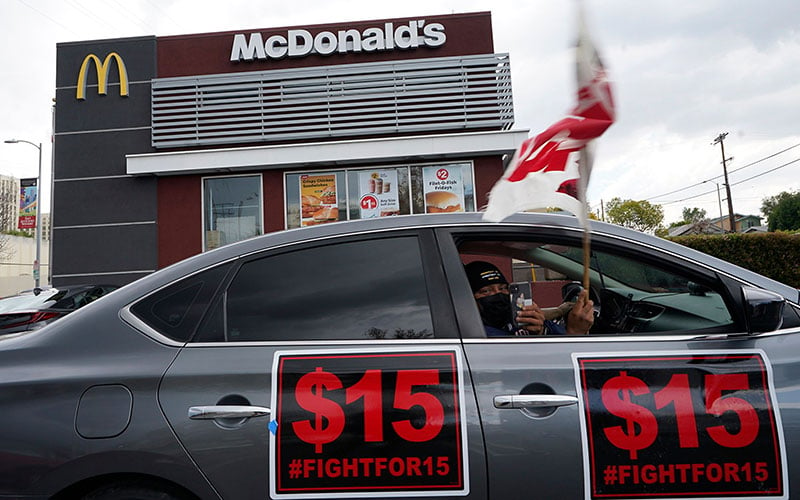
Labor advocacy groups, employee unions, and public opinion play a significant role in shaping minimum wage policies. As discussions around fair wages and economic justice persist, there is ongoing pressure to increase minimum wage standards further. This advocacy can lead to new legislation, revisions to existing laws, or the implementation of sector-specific wage adjustments that could impact McDonald’s and other fast-food employers in California.

Technological Advancements and Workforce Dynamics
The intersection of technology and labor is another factor influencing wage discussions. Automation and artificial intelligence are increasingly being integrated into industries like fast food. This can lead to shifts in the types of jobs available and the skills required, potentially impacting wage structures. As McDonald’s and other food service companies explore these advancements, the conversation around fair compensation for human workers will likely continue to be a central theme in California’s labor policy debates. Ultimately, the minimum wage at McDonald’s in California is a multifaceted issue, shaped by a complex web of state laws, local ordinances, industry-specific regulations, and broader economic forces.
LifeOutOfTheBox is a participant in the Amazon Services LLC Associates Program, an affiliate advertising program designed to provide a means for sites to earn advertising fees by advertising and linking to Amazon.com. Amazon, the Amazon logo, AmazonSupply, and the AmazonSupply logo are trademarks of Amazon.com, Inc. or its affiliates. As an Amazon Associate we earn affiliate commissions from qualifying purchases.