
Florida, often dubbed the “Sunshine State,” boasts a climate that is a primary draw for millions of visitors and new residents each year. Understanding its nuances – from the balmy winters to the vibrant, yet sometimes intense, summers – is crucial for planning the perfect getaway or a comfortable relocation. The state’s geographic position, bordering the Atlantic Ocean and the Gulf of Mexico, significantly influences its weather patterns, creating a unique tropical and subtropical environment across its diverse regions.
Understanding Florida’s Climatic Zones
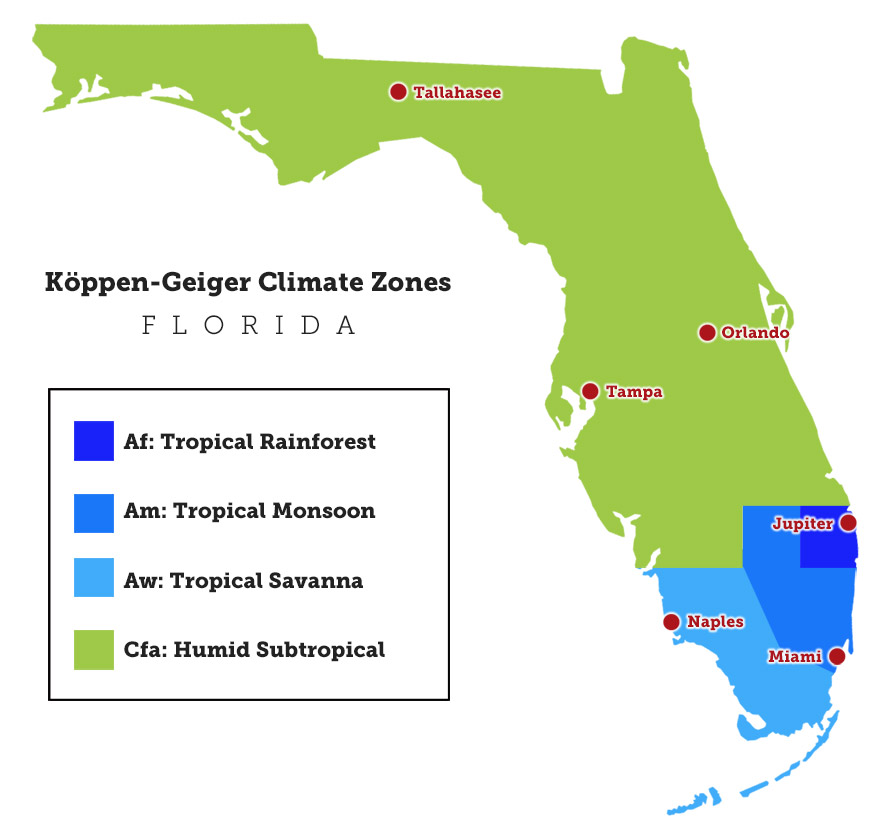
Florida’s climate is broadly categorized into two main zones: subtropical in the north and tropical in the south. This distinction, though subtle in daily life for many, impacts temperature ranges, humidity levels, and the distinctiveness of seasons.
Subtropical North Florida
The northern parts of Florida, including cities like Jacksonville, Tallahassee, and the Panhandle, experience a climate that is more akin to the southeastern United States. Summers are hot and humid, with average high temperatures in the mid-80s to low 90s Fahrenheit. Thunderstorms are common during the afternoon, offering brief but welcome respite from the heat. Winters are mild, with average daytime temperatures in the 50s and 60s Fahrenheit, though occasional cold fronts can bring temperatures down to the freezing point, particularly inland. Snowfall is exceptionally rare, but frost can occur. Spring and autumn are generally pleasant, with warm days and cooler evenings, making them ideal times for outdoor activities.
Tropical South Florida
As you move south towards Orlando, Tampa, Miami, and the Florida Keys, the climate transitions to a true tropical savanna climate. Here, the distinction between seasons is less about temperature and more about rainfall. Summers are intensely hot and humid, with temperatures consistently in the high 80s and 90s Fahrenheit, often feeling much hotter due to the high humidity. The rainy season typically runs from May through October, characterized by frequent, often heavy, afternoon thunderstorms. Winters are exceptionally mild and dry, with average daytime temperatures in the 70s Fahrenheit. This is often considered the most pleasant time to visit South Florida, offering a warm escape from colder climates. Frost is virtually nonexistent in this region.
The Seasons of Florida
While Florida doesn’t experience the dramatic seasonal shifts of more temperate regions, its climate does offer distinct periods that influence daily life and travel plans.
Summer: The Hot and Humid Season
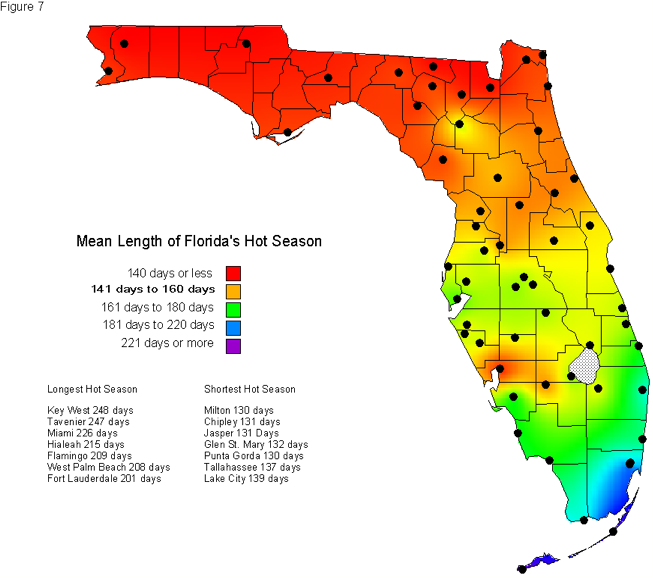
Florida summers, from June to August, are synonymous with heat and humidity. Daily highs frequently exceed 90°F (32°C), and the “feels like” temperature, influenced by dew point, can often reach the uncomfortable high 90s or even 100s. This is also the heart of the rainy season for much of the state. While rain showers can be intense, they are often brief, occurring in the afternoon and clearing out quickly, allowing for continued sunshine. For tourists, this means embracing early morning or late evening activities, staying hydrated, and seeking air-conditioned escapes during the midday heat. Resorts with excellent pool facilities and indoor attractions become particularly appealing.
Autumn: A Transition to Comfort
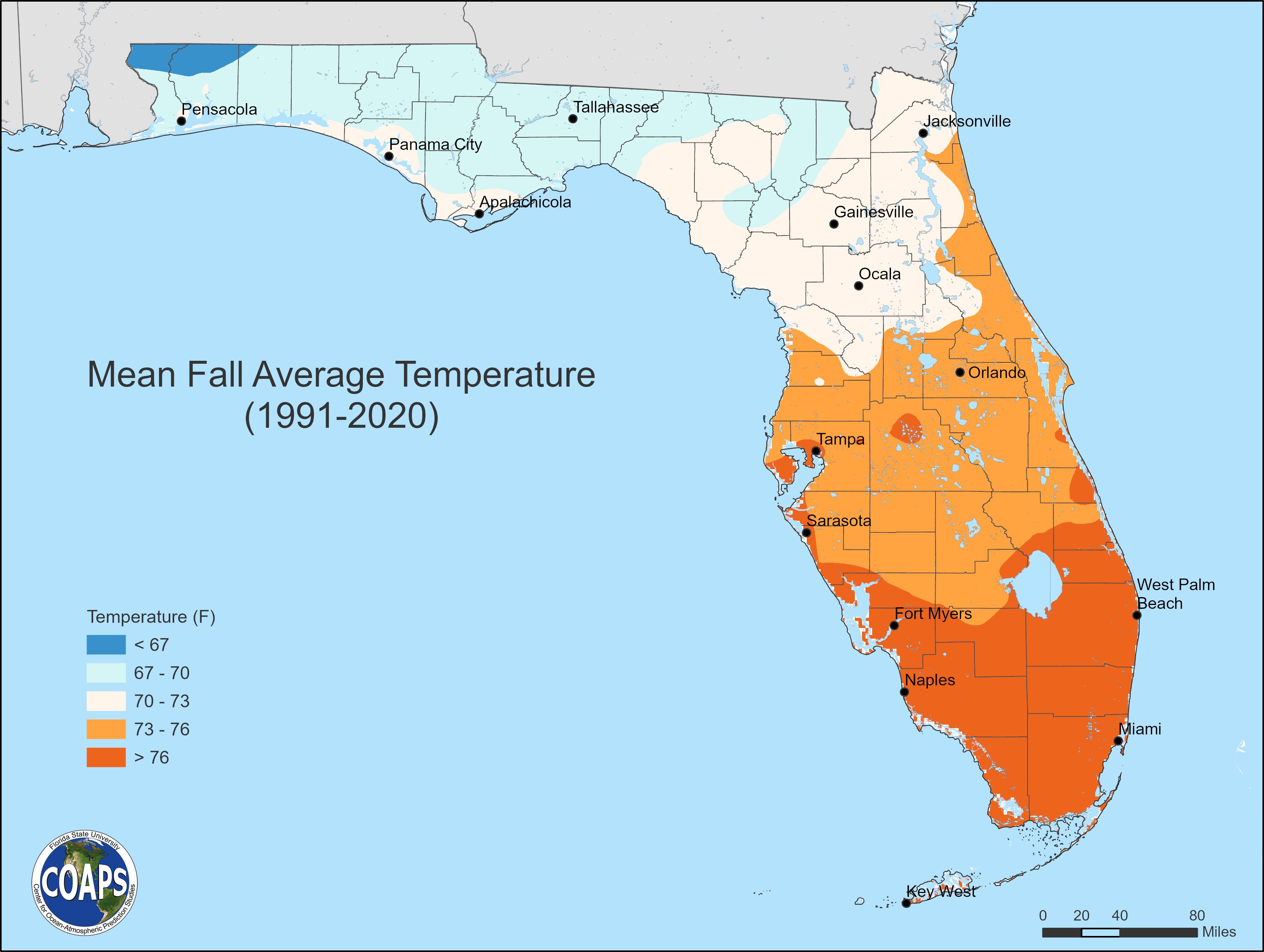
September marks the beginning of a welcome shift. While still warm, humidity levels begin to recede, and the frequency of intense thunderstorms decreases. October and November in Florida offer some of the most pleasant weather of the year, with comfortable temperatures, clear skies, and lower humidity. This makes it an ideal time for outdoor pursuits, from exploring the Everglades National Park to enjoying the beaches of Clearwater. It’s also a popular time for major events and festivals across the state.
Winter: The Dry and Mild Season
Florida’s winter, from December to February, is a significant draw. Unlike many parts of the country, the Sunshine State offers mild temperatures, making it a prime destination for “snowbirds” seeking to escape the cold. Daytime temperatures typically range from the 60s to the low 70s Fahrenheit in the northern parts of the state and the 70s in the south. This season is characterized by lower humidity and significantly less rainfall, with sunny days being the norm. It’s perfect for exploring cities, enjoying theme parks like Walt Disney World Resort and Universal Orlando Resort, and engaging in outdoor recreational activities.
Spring: Warming Up for Summer
March through May sees a gradual warming trend as Florida transitions back into its summer pattern. Temperatures begin to climb, and humidity starts to increase, particularly in April and May. Spring often provides another window of excellent weather before the full intensity of summer arrives. This period is also popular for spring break, drawing crowds to its beaches and entertainment hubs. Like autumn, spring offers a good balance of warm days suitable for outdoor exploration without the extreme heat and humidity of mid-summer.
Factors Influencing Florida’s Climate
Several geographical and atmospheric factors contribute to Florida’s unique weather patterns.
Proximity to Water
With coastlines on both the Atlantic Ocean and the Gulf of Mexico, Florida is a peninsula. This proximity to large bodies of water has a moderating effect on temperatures. Coastal areas tend to be slightly cooler in the summer and warmer in the winter compared to inland areas. The sea breeze also provides a refreshing cooling effect, particularly along the coastlines. However, this proximity also means that the state is susceptible to the high humidity that forms over these warm waters.
Tropical Storms and Hurricanes
Florida’s location in the Atlantic basin makes it vulnerable to tropical storms and hurricanes, particularly during the official Atlantic hurricane season, which runs from June 1st to November 30th. The peak of hurricane activity is typically from August through October. While not every season brings a direct hit, the possibility influences building codes, emergency preparedness, and travel insurance considerations. Understanding hurricane season is vital for anyone planning a trip during these months. Preparedness means staying informed of weather forecasts and heeding any official advisories.
The Gulf Stream
The warm ocean current known as the Gulf Stream flows along Florida’s eastern coast. This warm water contributes to the state’s generally mild winters and the high humidity experienced during warmer months. It also plays a role in the development and track of tropical systems.
Planning Your Visit Based on Climate
Knowing Florida’s climate is essential for optimizing your travel experience.
Best Times to Visit
For those who prefer warmth without overwhelming humidity and heat, the period from late October through April is generally considered the most ideal. This includes the mild winter months and the pleasant transitional periods of spring and fall. During these times, you can comfortably explore attractions like Busch Gardens Tampa Bay, enjoy the natural beauty of places like Dry Tortugas National Park, or simply relax on the beaches without constant concern for oppressive heat or frequent downpours.
Managing Heat and Humidity
If your visit falls during the summer months, embracing the heat and humidity is key. Stay hydrated by drinking plenty of water, wear light and breathable clothing, and plan indoor activities or those involving water for the hottest parts of the day. Resorts with extensive pool complexes or indoor entertainment options, such as those in Kissimmee, become invaluable. Early morning and late evening excursions, like a dawn airboat tour in the Everglades, can offer a more comfortable way to experience the outdoors.
Preparing for Rain
Even outside the official rainy season, afternoon thunderstorms can occur. A light, packable rain jacket or umbrella is a wise addition to any traveler’s luggage, regardless of the time of year. These showers are often short-lived and can lead to dramatic sunsets once they pass.
Hurricane Preparedness
For travel during hurricane season, it is prudent to purchase travel insurance that covers weather-related cancellations or interruptions. Always monitor weather forecasts closely from reliable sources and be prepared to adjust your travel plans if necessary. Many hotels and resorts have hurricane preparedness plans in place for guests’ safety.
In conclusion, Florida’s climate is a dynamic and defining characteristic of the state. Whether you are drawn by its mild winters, the vibrant energy of its summers, or the comfortable transitions of spring and fall, understanding these climatic patterns will undoubtedly enhance your experience and ensure you make the most of your time in the Sunshine State.
LifeOutOfTheBox is a participant in the Amazon Services LLC Associates Program, an affiliate advertising program designed to provide a means for sites to earn advertising fees by advertising and linking to Amazon.com. Amazon, the Amazon logo, AmazonSupply, and the AmazonSupply logo are trademarks of Amazon.com, Inc. or its affiliates. As an Amazon Associate we earn affiliate commissions from qualifying purchases.