
Texas, a state synonymous with vast ranches, iconic independence, and a thriving cultural scene, presents a complex and evolving landscape when it comes to cannabis. For travelers and residents alike, understanding the legal nuances surrounding marijuana use is crucial for navigating the Lone Star State responsibly. While the notion of widespread legalization might evoke images of open dispensaries and relaxed attitudes, the reality in Texas is far more nuanced, primarily focusing on medical applications and decriminalization efforts rather than recreational access. This article delves into the current legal status of cannabis in Texas, exploring its limitations, its budding medical program, and what visitors and locals should be aware of when considering cannabis-related activities.
The Current Legal Framework: A Patchwork of Restrictions
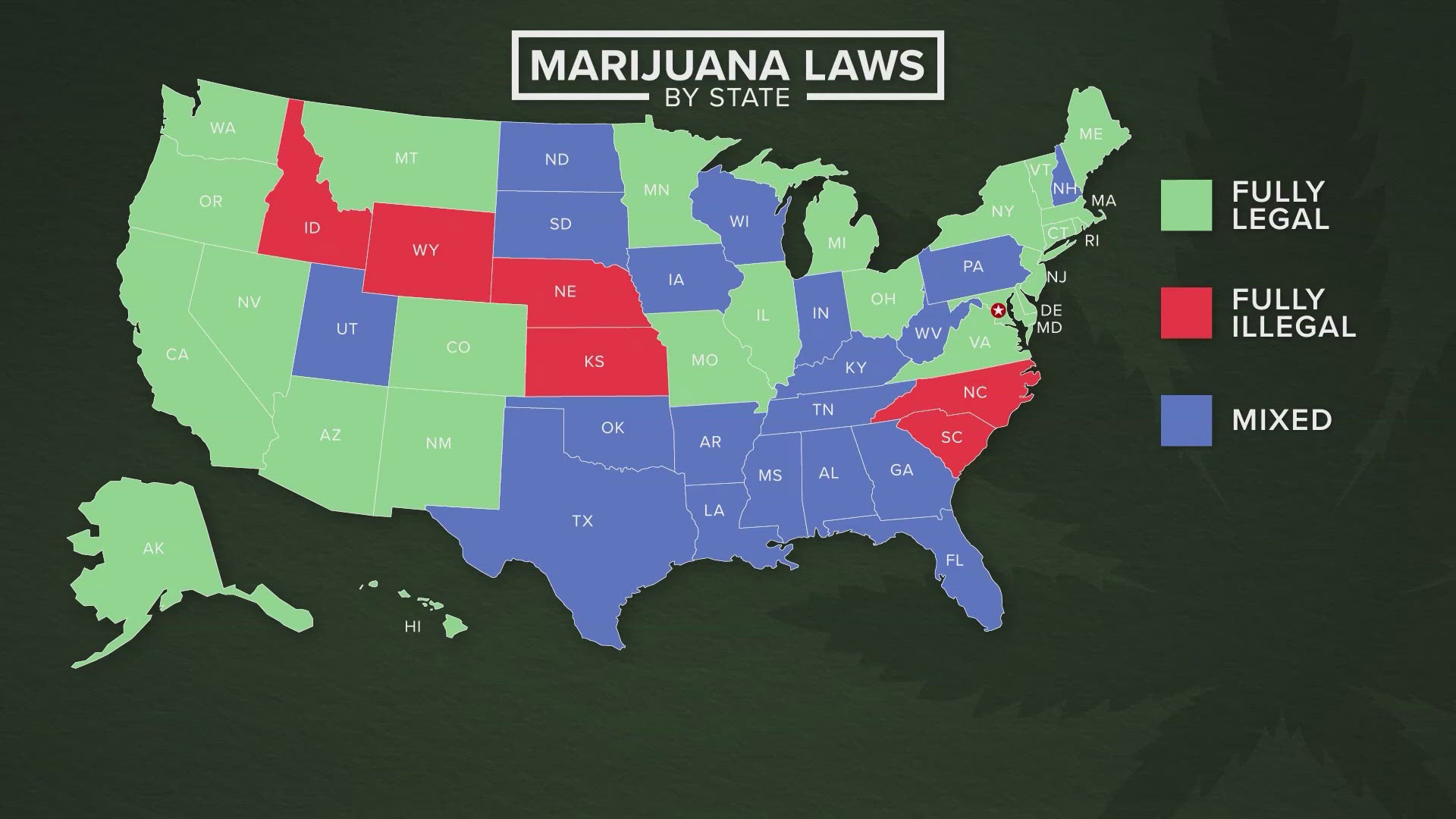
Texas operates under a decidedly conservative approach to cannabis legalization. Unlike many other states that have embraced full recreational access, Texas has taken a more cautious path, prioritizing a tightly regulated medical program and offering limited relief through decriminalization in certain urban centers.
Medical Marijuana: The Compassionate Use Program
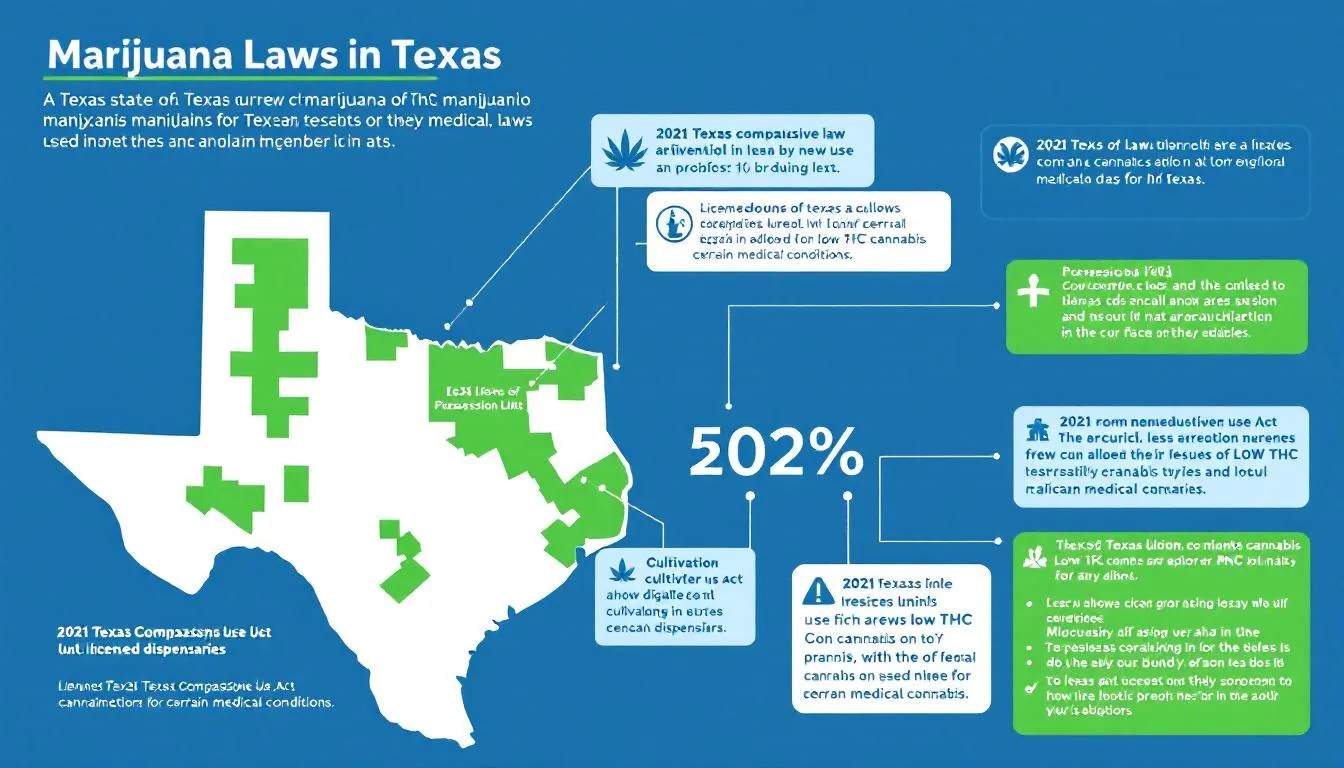
The cornerstone of cannabis legality in Texas is the Texas Compassionate Use Program (TCUP). Established in 2015, TCUP allows qualifying patients with specific medical conditions to legally obtain low-THC cannabis. It’s important to note that “low-THC” is a critical distinction. Products available through TCUP generally contain no more than 0.5% THC by weight and must have a CBD content of at least 10%. This contrasts sharply with the higher THC concentrations typically found in recreational and even many medical cannabis products in other states.
Qualifying Conditions
The range of conditions that qualify for TCUP has expanded over time, but it remains significantly narrower than in many other medical marijuana states. Initially, it was limited to patients with intractable epilepsy. Subsequent legislative changes have broadened the scope to include conditions such as:
- Spasticity
- Multiple sclerosis
- Autism
- Terminal cancer
- Incurable neurological disease
- Post-traumatic stress disorder (PTSD)
Each of these conditions requires a physician’s recommendation and verification that conventional treatments have not been effective. The process involves obtaining a prescription from a physician registered with the Compassionate Use Registry of Texas (CURT).
Access to Medical Cannabis
Access to medical cannabis in Texas is highly restricted. There are no traditional dispensaries where patients can browse a wide array of products. Instead, patients obtain their prescribed low-THC cannabis from a limited number of licensed dispensing organizations, such as Texas Original and Goodblend. These organizations are strictly regulated and operate under specific guidelines for cultivation, processing, and distribution. Home cultivation of cannabis, even for medical purposes, is illegal.
Decriminalization Efforts: A Localized Approach
While state-wide recreational marijuana remains illegal, several major cities in Texas have taken steps toward decriminalization. This means that law enforcement agencies in these cities may choose to issue citations or warnings for minor marijuana possession offenses instead of pursuing full criminal charges, which could lead to arrest and jail time.
Key Cities Leading Decriminalization
- Austin: The capital city has been at the forefront of decriminalization efforts. In 2020, voters approved a ballot measure that effectively instructs the Austin Police Department to make low-level marijuana possession the lowest law enforcement priority. While this doesn’t make possession legal, it significantly reduces the likelihood of arrest for small amounts.
- Houston: Similar to Austin, Houston has seen the District Attorney’s office implement policies to reduce low-level marijuana prosecutions. This initiative aims to divert individuals away from the criminal justice system for minor offenses.
- San Antonio: The city council in San Antonio has also supported measures to reduce arrests for low-level marijuana possession, aligning with a growing trend in urban Texas to address the disproportionate impact of drug laws on certain communities.
- Dallas: While progress has been slower, there have been ongoing discussions and some policy adjustments in Dallas aimed at reclassifying minor marijuana offenses.
It is crucial to understand that decriminalization is not legalization. Possession of marijuana, even in these cities, is still technically against state law. The enforcement priorities have shifted, but law enforcement officers retain the discretion to make arrests. Furthermore, decriminalization is often limited to very small quantities, typically an ounce or less. Possession of larger amounts can still result in significant legal consequences.
Federal Law: A Persistent Obstacle
Adding another layer of complexity, marijuana remains a Schedule I controlled substance under federal law. This classification means that, according to the federal government, cannabis has a high potential for abuse and no currently accepted medical use. While the federal government has largely adopted a hands-off approach to states with legal marijuana programs, it creates an underlying tension and can impact various aspects of the industry, including banking and interstate commerce. For travelers, this means that possession of marijuana, even with a Texas medical card, can still be a federal offense if they are on federal land or traveling across state lines.
What This Means for Visitors and Tourists
Navigating Texas with an understanding of its cannabis laws is essential for a hassle-free experience. For tourists, especially those coming from states with more permissive marijuana regulations, the differences can be stark.
Recreational Use: Strictly Prohibited
Outside of the limited medical program, recreational marijuana use and possession are illegal throughout Texas. This means that even if you are visiting from a state where recreational cannabis is legal, those laws do not apply in Texas. Attempting to purchase, possess, or consume recreational marijuana can lead to citations, fines, and even arrest, regardless of your home state’s laws.
Traveling with Cannabis
Bringing cannabis into Texas from another state is illegal. Even if you have a valid medical marijuana card from another state, it will not be recognized in Texas. Similarly, attempting to transport cannabis obtained legally in Texas to another state can also lead to severe legal repercussions, as it violates federal law. This is particularly important for individuals flying into or out of Texas airports, as federal law enforcement agencies are present and enforce federal regulations.
Navigating Texas Cities
While some cities have decriminalized possession of small amounts, it is still advisable to exercise extreme caution. Do not assume that because you are in a city with decriminalization policies, marijuana is readily available or that possession is entirely consequence-free. Law enforcement officers in any Texas jurisdiction retain the authority to enforce state law. If you are found in possession of even a small amount, you could still face fines or other penalties, depending on the discretion of the arresting officer and local policies.
Understanding CBD Products
The legal landscape for hemp-derived products, such as CBD (cannabidiol), is generally more permissive, provided they contain less than 0.3% THC. These products, often derived from industrial hemp rather than marijuana, are widely available in Texas in many retail stores, including vape shops and health food stores. However, it’s always wise to ensure that any CBD product you purchase complies with these regulations. The distinction between hemp-derived CBD and marijuana-derived CBD is crucial for legal compliance.
The Future of Cannabis in Texas: A Gradual Evolution
The conversation around cannabis reform in Texas is ongoing. While the state has been slow to embrace widespread legalization, there are signs of a gradual evolution in public and political attitudes.
Potential Legislative Changes
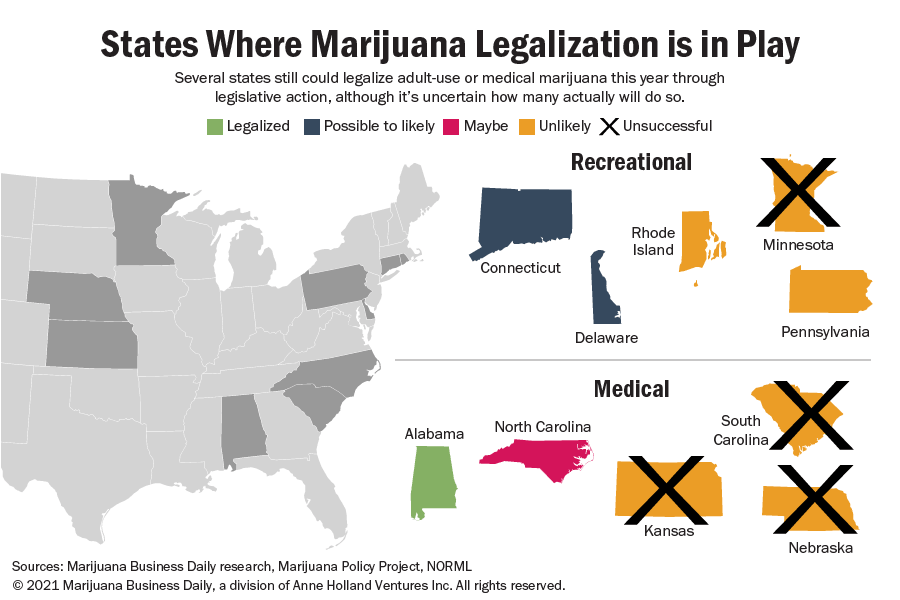
Each legislative session brings renewed debate and proposals for expanding cannabis access. While significant overhauls are unlikely in the immediate future, incremental changes, such as broadening the list of qualifying conditions for TCUP or further decriminalizing possession, remain possibilities. Advocacy groups continue to push for more comprehensive reform, citing the potential economic benefits, social justice implications, and medical advantages of broader cannabis legalization.
Impact of Neighboring States
The cannabis policies of neighboring states, such as Oklahoma and New Mexico, which have more progressive stances on marijuana, may also influence Texas’s future decisions. As these states develop robust cannabis economies and demonstrate the potential for tax revenue and job creation, the pressure for Texas to reconsider its own approach could increase.
Public Opinion Shifts
Public opinion polls in Texas have shown a growing acceptance of marijuana, with a majority of Texans now supporting some form of legalization, whether for medical or recreational use. This shift in public sentiment can exert considerable influence on elected officials and may pave the way for more significant legislative action in the years to come.
In conclusion, while the question “Is Texas legal for weed?” does not yield a simple “yes” or “no” answer, the current reality is that recreational marijuana remains illegal. The Texas Compassionate Use Program offers a tightly controlled avenue for medical patients with specific conditions to access low-THC cannabis, and several major cities have implemented decriminalization policies for small amounts of possession. For travelers and residents, understanding these limitations and exercising caution is paramount to ensuring a positive and lawful experience in the Lone Star State. The legal landscape is dynamic, and future legislative changes could significantly alter the state’s approach to cannabis in the coming years.
LifeOutOfTheBox is a participant in the Amazon Services LLC Associates Program, an affiliate advertising program designed to provide a means for sites to earn advertising fees by advertising and linking to Amazon.com. Amazon, the Amazon logo, AmazonSupply, and the AmazonSupply logo are trademarks of Amazon.com, Inc. or its affiliates. As an Amazon Associate we earn affiliate commissions from qualifying purchases.