
Understanding the legal drinking age is a fundamental aspect of responsible tourism and enjoying the vibrant social scene that Florida offers. Whether you’re planning a lively vacation to Orlando or seeking a relaxing getaway in the Florida Keys, knowing the regulations surrounding alcohol consumption is crucial for a smooth and enjoyable experience. Florida, like the rest of the United States, adheres to a federal law that sets the minimum age for purchasing and possessing alcoholic beverages at 21. This law, known as the National Minimum Drinking Age Act of 1984, has been instrumental in promoting public safety and reducing alcohol-related harm.
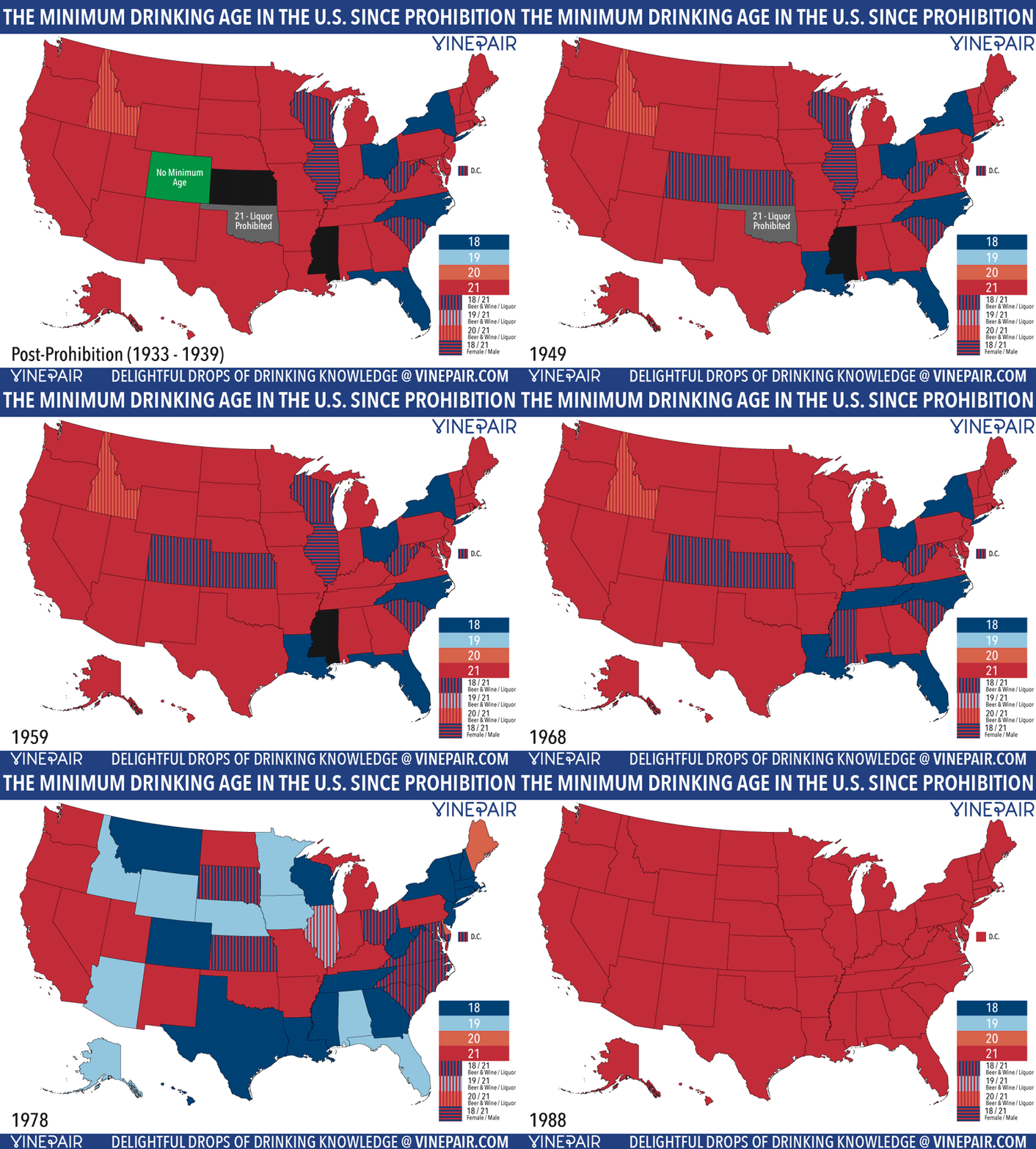
Understanding Florida’s Alcohol Laws
Florida’s legal framework regarding alcohol is comprehensive, extending beyond just the age of consumption. The state enforces strict regulations on the sale, distribution, and consumption of alcoholic beverages to ensure public health and safety. These laws are designed to protect minors and to promote responsible adult behavior.
The 21-Year-Old Mandate
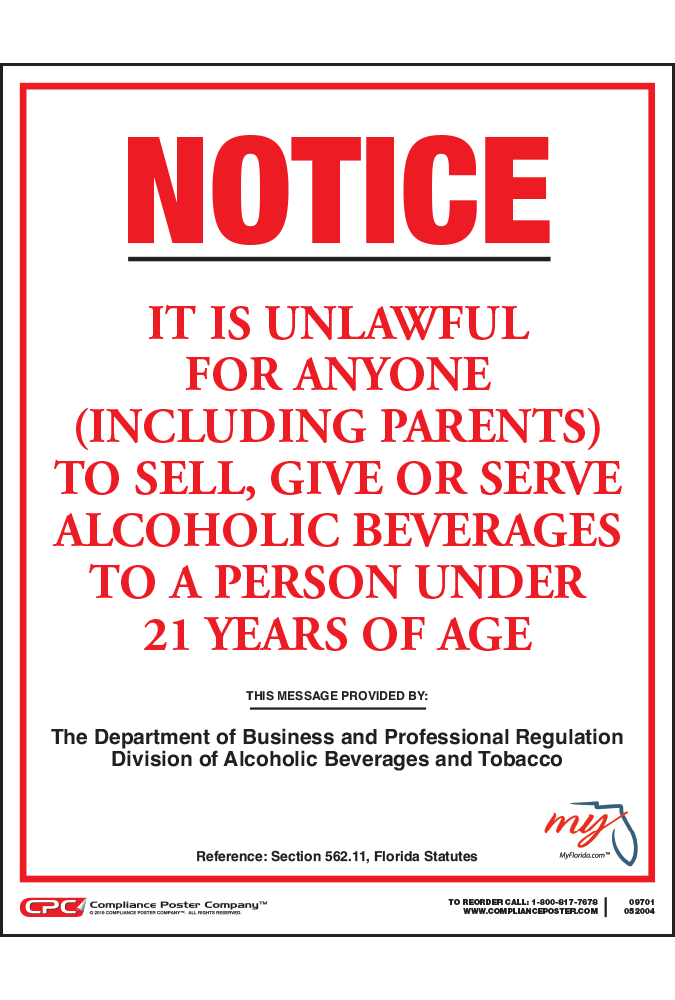
The cornerstone of Florida’s alcohol law is the prohibition of alcohol sales to anyone under the age of 21. This applies to all types of alcoholic beverages, including beer, wine, and spirits. Establishments that serve or sell alcohol, such as bars, restaurants, and liquor stores, are legally obligated to verify the age of their customers. Failure to comply with this mandate can result in severe penalties, including hefty fines, suspension or revocation of liquor licenses, and even criminal charges for the establishment and its employees.
For travelers, this means that any establishment serving alcohol in Florida, from a beachfront bar in Miami Beach to a fine-dining restaurant in Tampa, will require a valid form of identification to confirm you are of legal age. Accepted forms of identification typically include a driver’s license, state-issued identification card, passport, or military identification. It is advisable to carry such identification with you at all times when visiting establishments where alcohol is served.
Possession vs. Consumption
It’s important to distinguish between the legal age for purchasing alcohol and the legal age for possessing or consuming alcohol. In Florida, both are set at 21. This means that individuals under the age of 21 cannot legally purchase, possess, or consume alcoholic beverages, even if they are with parents or guardians.
There are very limited exceptions to this rule, primarily related to religious ceremonies. However, for the vast majority of situations and for all practical purposes for tourists and residents alike, the age of 21 is the definitive threshold for engaging with alcoholic beverages in Florida.
Age Verification and Enforcement
The enforcement of Florida’s drinking age laws is rigorous. Businesses that serve alcohol are trained to be vigilant in their age verification practices. Undercover operations are sometimes conducted by law enforcement agencies to ensure compliance.
Identification Requirements
As mentioned, presenting a valid, government-issued photo ID is essential. These IDs must clearly display the individual’s date of birth and be in good condition, not damaged or altered. Establishments are within their rights to refuse service if they suspect an ID is fake or if the person presenting it appears to be underage, even if the ID seems legitimate. This diligence is a critical component of maintaining the integrity of the law.
Penalties for Underage Drinking
The consequences for underage individuals caught possessing or consuming alcohol in Florida can be significant. These can include fines, mandatory alcohol education programs, community service, and a suspension of their driver’s license. For those visiting the state, an alcohol-related offense could have repercussions that extend beyond their vacation, potentially impacting future travel or even academic pursuits. It underscores the importance of respecting these laws, even when on vacation.
Alcohol Sales and Service Regulations
Beyond the age restrictions, Florida law also regulates the hours and days during which alcohol can be sold. While these specific hours can vary by county and municipality, most counties permit alcohol sales from early morning until late at night. However, it is wise for visitors to be aware that some areas might have earlier closing times for alcohol sales, particularly on Sundays.
Types of Establishments
Florida has a diverse range of establishments where alcohol is served, each subject to specific regulations.
- Restaurants: Restaurants with a “full liquor” license can serve beer, wine, and spirits. They are typically subject to the same age verification rules as bars.
- Bars and Nightclubs: These establishments primarily focus on serving alcoholic beverages and have strict adherence to age laws.
- Convenience Stores and Grocery Stores: These retailers can sell beer and wine for off-premises consumption, but not spirits. They are also subject to strict age verification.
- Resorts and Hotels: Establishments like the Walt Disney World Resort or the [Fontainebleau Miami Beach](https://lifeoutofthebox.com/ અfontainebleau-miami-beach) have licensed bars and restaurants that adhere to the 21-year-old drinking age. Guests of legal age can enjoy the various beverage offerings available at these locations.
Consumption in Public Places
While consuming alcohol within licensed establishments is commonplace, public consumption of alcohol is regulated. Open containers of alcohol are generally prohibited in public spaces, such as parks and beaches, unless specifically permitted by local ordinances or during designated events. For instance, while a resort may allow alcohol consumption on its premises, carrying an open alcoholic beverage on a public street outside the resort is typically not permitted. Always check local regulations or signage to ensure compliance.
Responsible Consumption and Travel Tips
For adults of legal drinking age visiting Florida, responsible consumption is key to a safe and enjoyable trip. The state offers a wealth of activities and attractions, and experiencing them with a clear head is always the best approach.
Hydration and Moderation
Florida’s climate can be warm and humid, which can accelerate dehydration. When consuming alcohol, it’s crucial to also drink plenty of water. Moderation is essential to avoid overconsumption, which can lead to impaired judgment, health issues, and potential legal troubles.
Transportation
If you plan to consume alcohol, always arrange for safe transportation. Never drink and drive. Florida has strict laws against driving under the influence (DUI), with severe penalties that include hefty fines, license suspension, and jail time. Utilize taxis, rideshare services like Uber or Lyft, or designated drivers to ensure you and others remain safe. Many hotels also offer shuttle services or can help arrange transportation.

Planning Your Itinerary
When planning your Florida vacation, whether it involves theme parks in Central Florida, exploring the historical streets of St. Augustine, or enjoying the beaches of the Gulf Coast, factor in your plans regarding alcohol. If you are traveling with a group that includes individuals under 21, be mindful of their needs and ensure that activities are inclusive and respectful of the legal age. Many attractions, such as Walt Disney World, cater to all ages and offer a wide array of family-friendly entertainment.
By understanding and respecting Florida’s legal drinking age and related laws, travelers can ensure their visit is not only memorable but also safe and compliant with local regulations. Florida’s vibrant culture, stunning landscapes, and diverse attractions are best enjoyed when experienced responsibly.
LifeOutOfTheBox is a participant in the Amazon Services LLC Associates Program, an affiliate advertising program designed to provide a means for sites to earn advertising fees by advertising and linking to Amazon.com. Amazon, the Amazon logo, AmazonSupply, and the AmazonSupply logo are trademarks of Amazon.com, Inc. or its affiliates. As an Amazon Associate we earn affiliate commissions from qualifying purchases.