
The vibrant spectacle of autumn in the Rocky Mountains is perhaps nowhere more breathtaking than when the quaking aspen trees, Populus tremuloides, transform their foliage into a dazzling tapestry of gold. For travelers and nature enthusiasts, timing is everything when it comes to witnessing this ephemeral display. Understanding the nuances of the aspen color change in Colorado allows for the planning of an unforgettable journey into the heart of autumn’s splendor.
The exact timing of the aspen color change is a dynamic phenomenon, influenced by a complex interplay of environmental factors. While a general window exists, pinpointing a specific week for peak color requires a blend of meteorological awareness and an understanding of regional variations within the state.
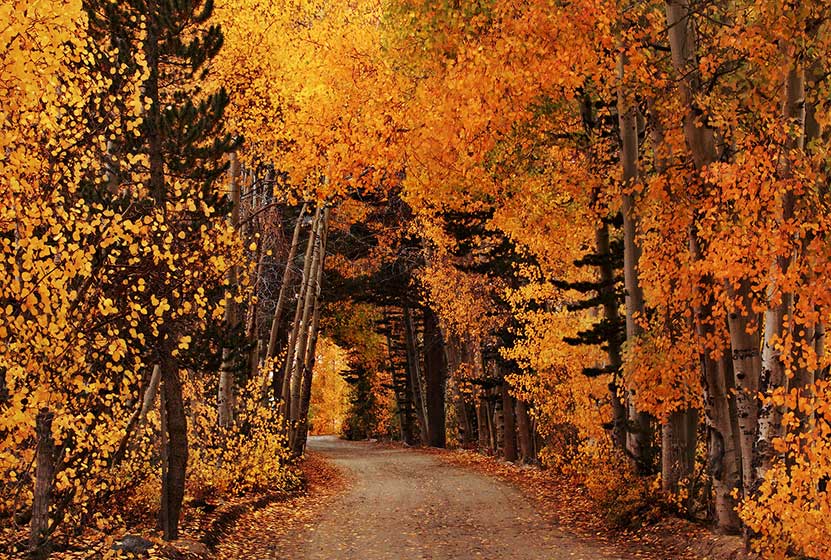
Factors Influencing Aspen Color Change
Several key elements conspire to orchestrate the annual golden transformation of Colorado’s aspen groves. Predicting the peak often involves monitoring these conditions throughout the late summer and early fall.
Temperature Fluctuations
Temperature is arguably the most critical factor. Aspens, like many deciduous trees, turn color as chlorophyll, the pigment responsible for their green summer hue, breaks down. This process is accelerated by cooler temperatures. A sharp drop in nighttime temperatures, especially when accompanied by sunny days, promotes vibrant color development. Frost can halt the process or even cause leaves to drop prematurely, so a delicate balance is sought. Extended periods of warm weather well into September can delay the onset of the color change, while an early, hard frost can shorten the viewing window significantly.
Sunlight and Cloud Cover
The intensity of sunlight also plays a crucial role. Bright, sunny days are essential for the development of the brightest yellows and golds. Sunlight fuels the production of carotenoids, the pigments that produce yellow and orange colors. Conversely, prolonged periods of heavy cloud cover can result in duller foliage and may even lead to premature leaf drop. The interplay between crisp, sunny days and cool, clear nights is the ideal recipe for a spectacular aspen display.
Precipitation Patterns
The amount of moisture the aspens receive during the preceding growing season can also have an impact. A healthy, well-hydrated tree will generally exhibit more robust and vibrant fall colors. Drought conditions can stress the trees, leading to less brilliant colors and earlier leaf drop. Conversely, a very wet summer followed by dry, sunny fall conditions can sometimes lead to an even more dramatic show, as the trees are well-nourished and then exposed to ideal drying and coloring conditions.
The General Timeline for Aspen Peak Color
While microclimates and yearly variations exist, a general timeline can be established for when to expect the aspens to be at their most brilliant across Colorado.
Early September: High Elevations and Northern Regions
As soon as the calendar turns to September, the highest elevations and the northern reaches of the state begin to show the first hints of gold. Areas like the Indian Peaks Wilderness and the northern sections of the Colorado Trail near the Wyoming border often experience their peak color in the first week or two of September. These higher altitudes are typically cooler, initiating the chlorophyll breakdown sooner.
Mid-September: Mid-Elevation Ranges
By the middle of September, the color show expands to encompass a wider range of mid-elevation mountain towns and passes. Popular destinations such as those surrounding Aspen, Crested Butte, and the scenic byways around Vail and Breckenridge often hit their stride during this period. This is when the vast aspen groves in national forests and wilderness areas truly come alive with shimmering gold.
Late September to Early October: Southern and Lower Elevations
As October begins to creep in, the focus shifts to the southern parts of the state and lower-elevation aspen stands. Areas like the San Juan Mountains, including popular routes near Ouray, Telluride, and the famed Million Dollar Highway, can offer spectacular displays throughout the latter half of September and into the first week of October. Even some lower, more sheltered valleys might retain their color for a bit longer, offering a final opportunity to witness the spectacle.
Top Destinations for Experiencing Aspen Color
Colorado boasts numerous locations where the fall aspen display is particularly renowned. Planning a trip around these areas can maximize the chances of witnessing peak color.
Kebler Pass and Crested Butte
Often hailed as one of the most scenic drives in Colorado during the fall, [Kebler Pass](https://lifeoutofthebox.com/
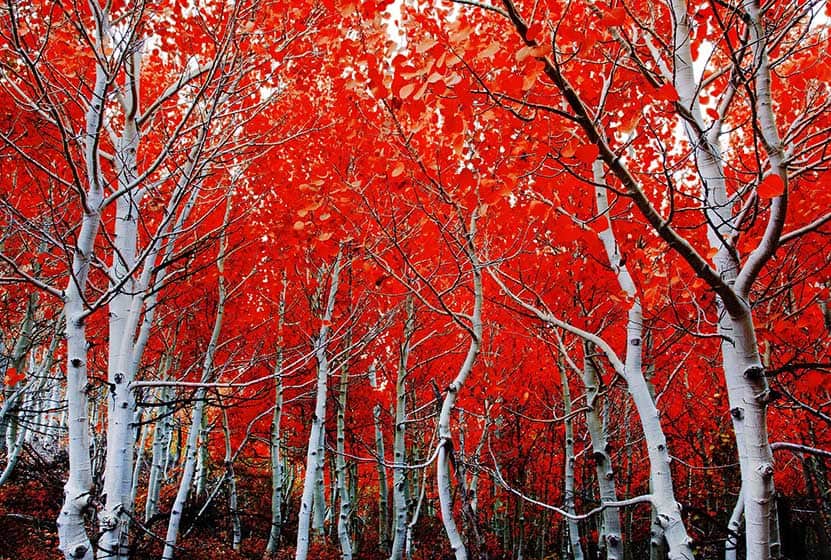
Kebler-Pass) near Crested Butte is legendary for its vast aspen groves. The drive itself is an immersive experience, with the road winding through immense forests of golden trees. The town of Crested Butte is a charming base, offering a classic mountain town atmosphere amidst the autumnal splendor. Peak color here typically occurs in mid- to late September.
Maroon Bells Scenic Area
The Maroon Bells are iconic for a reason, and their autumn transformation is a sight to behold. These majestic peaks, reflected in the still waters of Maroon Lake, are framed by vibrant aspen forests that ignite with color. Access to the Maroon Bells is managed, often requiring reservations for vehicle access or shuttle bus tickets during the peak season, which typically falls in the latter half of September. The surrounding White River National Forest offers numerous hiking trails through stunning aspen groves.
Rocky Mountain National Park
Rocky Mountain National Park offers a diverse range of elevations, providing a staggered display of fall colors. Trail Ridge Road, one of the highest continuous paved roads in North America, climbs through various ecological zones, meaning you can often catch early colors at higher elevations while lower valleys are still green. Areas like Moraine Park and Horseshoe Park are particularly noted for their aspen stands. Peak color within the park generally occurs from mid-September through early October, depending on the specific area.
San Juan Mountains and the Million Dollar Highway
The rugged beauty of the San Juan Mountains is amplified by the golden hues of the aspens in autumn. Driving the Million Dollar Highway, a breathtaking stretch of US Highway 550 connecting Durango and Ouray via Silverton, offers unparalleled views of the colorful mountainsides. The towns of Telluride, Ouray, and Silverton provide charming anchors for exploring this spectacular region. The peak here often extends from late September into early October.
Grand Mesa National Forest
As the world’s largest flat-topped mountain, the Grand Mesa National Forest offers a unique and expansive autumnal panorama. Numerous lakes dot the mesa, providing stunning reflections of the golden aspens. The drive along the mesa’s rim and its internal roads provides ample opportunities to witness the fall color. Peak foliage here tends to be in mid-September.
Tips for Planning Your Aspen Viewing Trip
To make the most of your journey to witness the aspen color change, consider these practical tips.
Monitor Fall Color Reports
Many Colorado tourism boards and national forest services provide regular updates on fall color progression. Websites like the Colorado Tourism Office often have dedicated fall foliage sections. Checking these reports in the weeks leading up to your planned trip can provide the most accurate, real-time information.
Be Flexible with Dates
Given the unpredictable nature of weather, having some flexibility in your travel dates is highly recommended. If your initial target week doesn’t align with peak color, you might be able to adjust your plans slightly to catch the tail end or the very beginning of the spectacle.
Consider the Elevation
Remember that elevation plays a significant role. If you are traveling early in the season, head to higher altitudes. If you are traveling later, explore more southerly or lower-elevation areas.
Explore Beyond the Main Roads
While popular scenic byways are excellent starting points, don’t hesitate to venture onto unpaved forest service roads (weather permitting and with appropriate vehicles) or explore hiking trails. Often, the most secluded and breathtaking groves are found off the beaten path.
Pack for Variable Weather
Colorado in the fall can experience dramatic weather shifts. Be prepared for anything from warm, sunny days to crisp, cold mornings with a chance of early snow. Layers are essential for comfort while exploring.

Respect Nature
When visiting these natural wonders, always practice Leave No Trace principles. Stay on marked trails, pack out all trash, and avoid disturbing wildlife. The preservation of these beautiful landscapes for future generations is paramount.
Witnessing the aspen color change in Colorado is more than just a scenic excursion; it’s an immersion into the vibrant, transient beauty of nature. By understanding the factors at play and planning strategically, travelers can secure a front-row seat to one of the planet’s most spectacular autumnal performances.
LifeOutOfTheBox is a participant in the Amazon Services LLC Associates Program, an affiliate advertising program designed to provide a means for sites to earn advertising fees by advertising and linking to Amazon.com. Amazon, the Amazon logo, AmazonSupply, and the AmazonSupply logo are trademarks of Amazon.com, Inc. or its affiliates. As an Amazon Associate we earn affiliate commissions from qualifying purchases.