
Navigating the Sunshine State’s regulations surrounding alcohol consumption is crucial for any traveler or resident seeking to enjoy its vibrant nightlife or casual dining experiences. Understanding Florida’s legal drinking age is not just a matter of compliance; it’s essential for responsible enjoyment and avoiding potential legal entanglements. This guide delves into the specifics of Florida’s laws, providing clarity for those planning a visit or considering a permanent move to this popular destination.
The Foundation: Federal and State Alcohol Laws
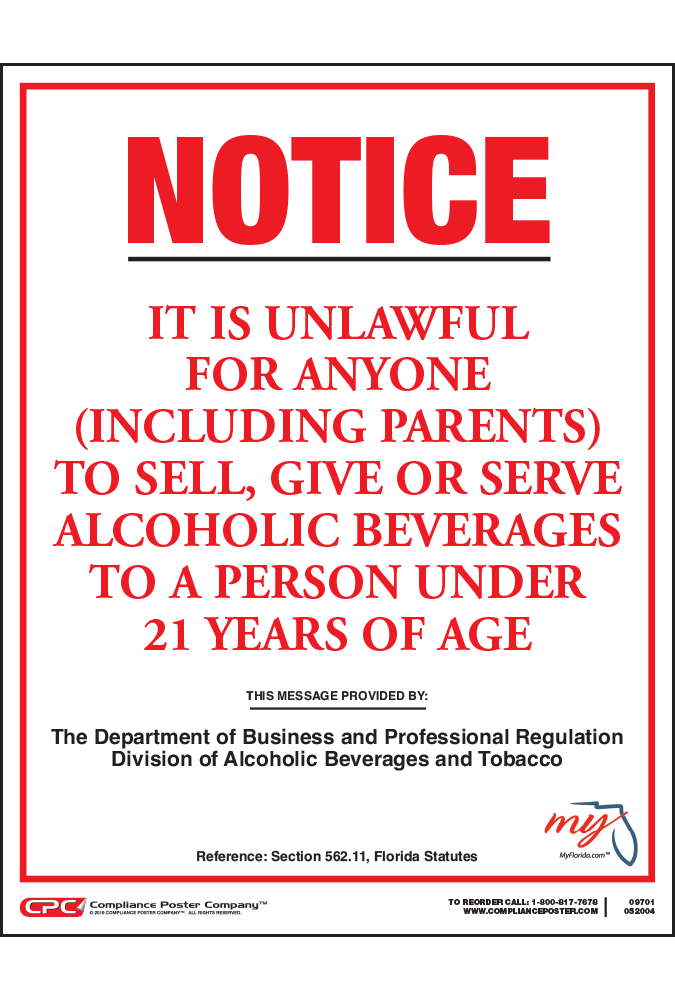
The legal age to purchase and consume alcoholic beverages in the United States is universally set at 21. This national standard is established by the National Minimum Drinking Age Act of 1984, which incentivized states to adopt this age limit by threatening to withhold federal highway funds from those that did not comply. Florida, like all other states, adheres to this federal mandate. Therefore, the legal age to drink alcohol in Florida is unequivocally 21 years old. This applies to all types of alcoholic beverages, including beer, wine, and spirits, regardless of where they are purchased or consumed, be it a lively bar in Miami, a restaurant in Orlando, or a private residence.
Understanding “Purchase” vs. “Consumption”
While the age for purchasing alcohol is clearly defined, the law also addresses consumption. In Florida, it is illegal for anyone under the age of 21 to possess or consume alcoholic beverages. This prohibition extends to public places, private property, and even within licensed establishments. Law enforcement officers take these regulations seriously, and violations can lead to fines, license suspension, or even more severe penalties depending on the circumstances. For travelers, particularly those accustomed to different legal frameworks in their home countries, it’s vital to be aware that ignorance of the law is not a defense.
Exceptions and Nuances: The “Family Exception”
Florida law does contain a very specific and narrowly defined exception to the prohibition on underage alcohol consumption, often referred to as the “family exception” or “parental exception.” This exception permits individuals under 21 to consume alcohol in a private residence under the direct supervision of a parent or legal guardian. However, this exception is extremely limited in its application and does not permit underage individuals to purchase alcohol, nor does it allow them to consume alcohol in public places or licensed establishments, even with parental consent. It is crucial to interpret this exception cautiously, as it is not a carte blanche for underage drinking and is primarily intended for very specific family settings. It does not override the minimum age for purchasing alcohol or for consumption in any establishment where alcohol is sold.
Consequences of Underage Drinking in Florida
The repercussions for violating Florida’s underage drinking laws can be significant and extend beyond immediate legal penalties. For individuals under 21, being caught purchasing, possessing, or consuming alcohol can result in a civil infraction, which typically carries a fine. However, repeated offenses or circumstances involving other violations, such as driving under the influence, can lead to more serious consequences.
Driving Under the Influence (DUI) for Minors
The penalties for underage DUI in Florida are particularly stringent. For drivers under 21 with a blood alcohol content (BAC) of 0.02% or higher (a significantly lower threshold than the 0.08% for adults), their driver’s license will be suspended for six months for a first offense. Subsequent offenses result in longer suspension periods. Furthermore, an underage DUI arrest can lead to a criminal record, impacting future educational or employment opportunities. This underscores the importance of responsible behavior for all visitors and residents, especially when enjoying the renowned beaches or exploring the vibrant cities like Tampa or Jacksonville.
Other Legal Ramifications
Beyond DUI, underage individuals caught consuming or possessing alcohol may face other legal issues. This could include fines, mandatory alcohol education programs, community service, or even court appearances. These penalties are designed to deter underage drinking and promote a culture of responsibility. For younger travelers visiting popular tourist destinations like Key West or enjoying attractions such as Walt Disney World, understanding and adhering to these laws is paramount to a safe and enjoyable experience.

Purchasing Alcohol in Florida: What You Need to Know
For those who are 21 and over, purchasing alcohol in Florida is straightforward, but requires proper identification. Licensed establishments, including grocery stores, convenience stores, liquor stores, restaurants, and bars, are permitted to sell alcohol.
Identification Requirements
When purchasing alcohol in Florida, you will be required to present a valid, government-issued photo identification that proves you are 21 years of age or older. Acceptable forms of ID typically include:
- A U.S. driver’s license
- A U.S. state-issued ID card
- A U.S. passport
- A U.S. military ID
- A foreign passport
Consular ID cards and some other forms of identification may also be accepted, but establishments often err on the side of caution and may only accept the most common forms listed above. It is crucial to carry your identification with you at all times when you plan to purchase or consume alcohol. Retailers are legally obligated to verify age, and failure to do so can result in severe penalties for the establishment, including license suspension or revocation.
Restrictions on Sales
Florida law also imposes certain restrictions on when alcohol can be sold. While hours can vary slightly by county and municipality, most establishments are permitted to sell alcohol between 7 a.m. and midnight, seven days a week. Some areas may have extended hours, particularly in tourist-heavy regions or for specific holidays. Additionally, there are regulations regarding the sale of alcohol on Sundays, which historically had more restrictions but are now largely aligned with other days of the week in most locations. However, it’s always advisable to check local ordinances for specific hours of operation, especially if you are in a less populated area or during a holiday period.
Responsible Consumption and Enjoying Florida’s Offerings
Florida offers a plethora of opportunities for adults to responsibly enjoy its diverse culinary and entertainment scenes, from world-class dining in Tampa Bay to lively bars in Fort Lauderdale. Understanding and respecting the legal drinking age is the first step in ensuring a positive and memorable experience.
Tips for Responsible Alcohol Consumption
For those of legal age, responsible alcohol consumption is key to maximizing enjoyment and avoiding negative consequences. This includes:
- Know your limits: Consume alcohol in moderation and be aware of how it affects you.
- Stay hydrated: Alternate alcoholic beverages with water.
- Eat before and while drinking: Food slows the absorption of alcohol.
- Plan transportation: Never drink and drive. Utilize ride-sharing services, taxis, or designated drivers.
- Be aware of your surroundings: Especially in crowded or unfamiliar environments.

Alcohol and Tourism
Florida’s status as a top tourist destination means that millions of visitors interact with its alcohol laws each year. Whether attending a festival in St. Augustine, visiting a theme park in Central Florida, or enjoying the nightlife of South Beach, respecting the legal drinking age of 21 is non-negotiable. Establishments serving alcohol are vigilant in enforcing these laws, and tourists should be prepared to present valid identification. By understanding and adhering to Florida’s drinking age laws, visitors can ensure their trip is safe, legal, and filled with the positive experiences the state is known for. From the tranquil beauty of the Everglades to the bustling energy of its cities, Florida offers something for everyone, provided its laws are respected.
LifeOutOfTheBox is a participant in the Amazon Services LLC Associates Program, an affiliate advertising program designed to provide a means for sites to earn advertising fees by advertising and linking to Amazon.com. Amazon, the Amazon logo, AmazonSupply, and the AmazonSupply logo are trademarks of Amazon.com, Inc. or its affiliates. As an Amazon Associate we earn affiliate commissions from qualifying purchases.