
Devil’s Den Spring, nestled in the heart of Florida’s Nature Coast, is a geological marvel that has captivated explorers and nature enthusiasts for decades. Its allure lies not only in its unique subterranean landscape but also in the enduring question of its depth. While a precise, single figure for “depth” might be elusive due to the complex nature of underwater caves, understanding the dimensions of this natural wonder reveals a world of aquatic adventure and geological intrigue. This article delves into the known depths of Devil’s Den Spring, exploring its accessible areas, its submerged passages, and the factors that contribute to its fascinating underwater topography.

Unveiling the Depths: The Main Cavern
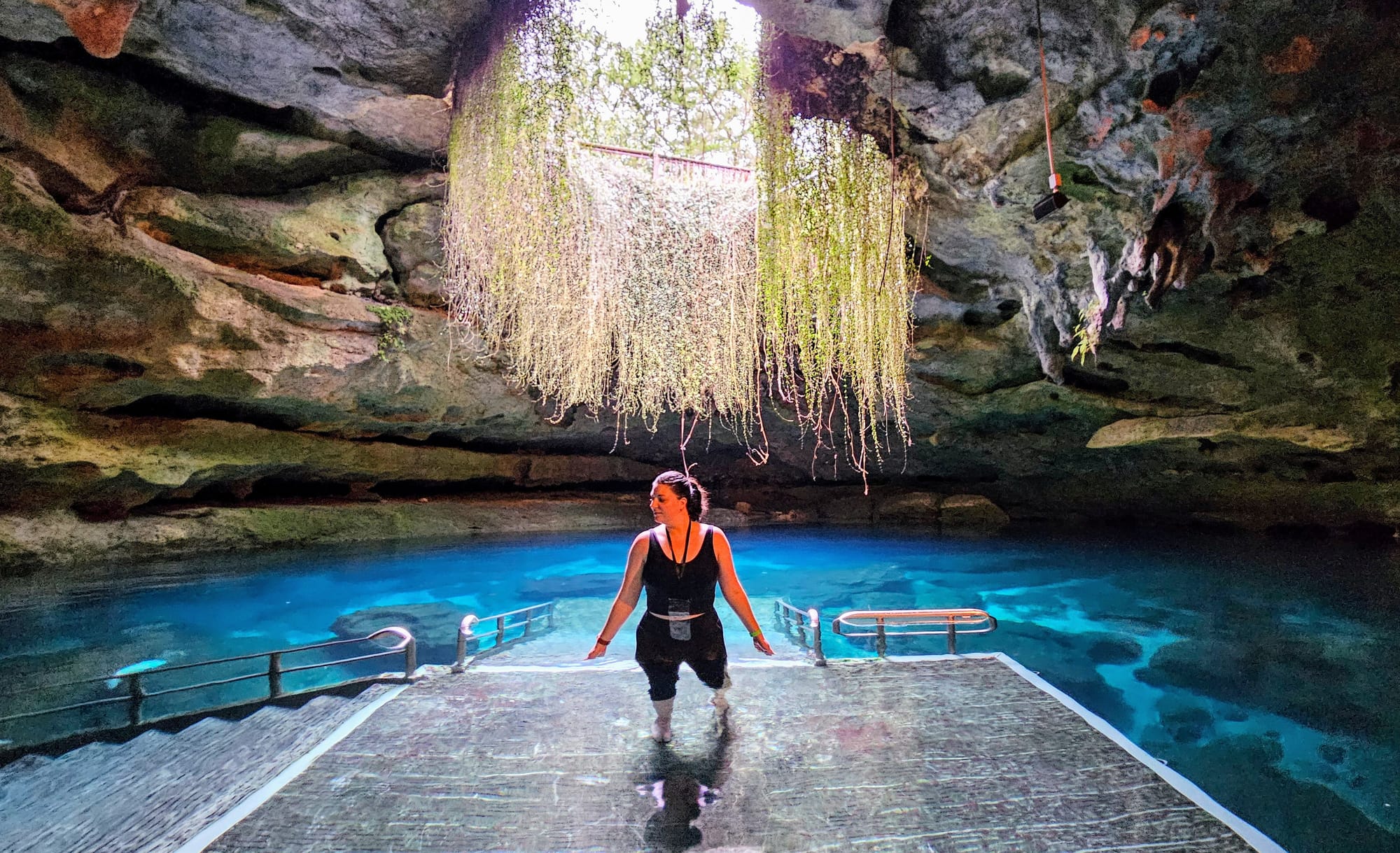
The most accessible and commonly explored part of Devil’s Den Spring is its main cavern. Sunlight filters through a large opening in the surface, illuminating the crystal-clear waters and creating a breathtaking spectacle. This area provides a safe and enchanting environment for snorkelers and scuba divers of all skill levels.
Recreational Diving Depths
For recreational divers, the accessible depth within the main cavern typically ranges from 30 to 40 feet (approximately 9 to 12 meters). This provides ample space to explore the rocky formations, observe the diverse aquatic life, and marvel at the natural beauty of the spring. The water temperature remains a constant 72 degrees Fahrenheit (22 degrees Celsius) year-round, making it a comfortable diving experience regardless of the season. The visibility in Devil’s Den is exceptional, often exceeding 100 feet, further enhancing the perception of depth and allowing for extensive exploration of the cavern’s features. The floor of the main cavern is composed of sandy sediment and rock debris, which can be stirred up if divers are not careful, impacting visibility. However, with proper buoyancy control, divers can maintain excellent sightlines.
Snorkeling Adventures
Snorkelers, while not venturing as deep as divers, still have a substantial area to explore within the upper reaches of the cavern. They can comfortably view the underwater landscape from the surface down to approximately 15 to 20 feet (around 4.5 to 6 meters), witnessing the shimmering light play and the abundant fish species that call Devil’s Den home. The sheer vertical drop within the cavern creates a sense of awe even from the surface, as the blue depths beckon.
Beyond the Shallows: Submerged Passages and Geological Formations
Devil’s Den Spring is more than just an open cavern; it’s the entrance to a complex system of submerged passages that extend into the earth. These passages are the domain of experienced cave divers and are responsible for the spring’s reputation as a significant geological site.
The Cave System’s Extent
The true “depth” of Devil’s Den Spring becomes a more nuanced question when considering its extensive underwater cave system. While precise mapping is an ongoing endeavor, exploratory dives have revealed that the cave system extends considerably deeper and farther than the recreational areas. The primary cave passage descends to depths that can reach over 100 feet (approximately 30 meters) in certain sections. These deeper areas are characterized by narrow passages, large chambers, and intricate geological formations, including stalactites and stalagmites that have formed over millennia. The exploration of these deeper, more challenging sections requires specialized training, equipment, and a thorough understanding of cave diving safety protocols. The Geological Survey has undertaken studies to map these subterranean networks, but much of the system remains a frontier for exploration.
Geological Significance
The formations within Devil’s Den are a testament to its geological history. The cave itself is a collapsed lava tube that has been flooded with fresh groundwater. Over thousands of years, mineral-rich water has deposited calcium carbonate, leading to the formation of stunning speleothems. The presence of these formations at significant depths underscores the ancient origins of the system and its continuous evolution. The depth and extent of these submerged passages are critical for understanding the hydrogeology of the region, including how groundwater flows and interacts with the surrounding aquifer.

Factors Influencing Perceived Depth
The perceived depth of Devil’s Den Spring can be influenced by several factors beyond its physical dimensions.
Water Clarity and Light Penetration
The exceptional clarity of the water in Devil’s Den is a significant factor in how deep it appears. With visibilities often exceeding 100 feet, divers and snorkelers can see farther, creating an illusion of greater depth. The conical shape of the cavern and the way sunlight penetrates the water also contribute to this perception. As light filters down, it illuminates different layers of the water column, creating varying shades of blue and highlighting the contours of the underwater landscape. The “pool” effect of the main cavern, with its steep sides, naturally draws the eye downward, enhancing the feeling of depth.
Topography and Geological Features
The dramatic drop-offs and the sheer walls of the cavern contribute significantly to the sense of depth. As one descends, the rocky formations and overhangs create a feeling of being in a vast, submerged world. The transition from the well-lit upper areas to the darker, more mysterious depths emphasizes the vertical dimension of the spring. Even without reaching the absolute deepest points, the topography itself communicates a profound sense of depth.
Exploring Devil’s Den Responsibly
Understanding the depths of Devil’s Den Spring is intrinsically linked to exploring it responsibly and safely.
Safety for Recreational Users
For recreational visitors, understanding the safe limits of the main cavern is paramount. Adhering to guidelines provided by the park and maintaining awareness of one’s surroundings ensures a positive and safe experience. For snorkelers, staying within designated areas and being mindful of divers is crucial. For divers, respecting depth limits for their certification level and practicing good buoyancy control are essential. The presence of natural light diminishes significantly beyond the main opening, making it imperative for divers to carry appropriate lighting when exploring beyond the immediate vicinity of the surface opening.
Cave Diving Protocols
For those venturing into the submerged passages, adherence to strict cave diving protocols is non-negotiable. This includes using redundant equipment, maintaining a continuous guideline, and possessing advanced training. The commitment to safety in cave diving ensures that the exploration of these deeper, more challenging environments can continue without incident, preserving the integrity of this unique natural wonder. Organizations like the National Speleological Society and Technical Diving International offer training and resources for those interested in the specialized field of cave exploration. The delicate ecosystems within the cave system are easily disturbed, and strict adherence to protocols helps minimize impact.
Conclusion: A Realm of Aquatic Wonder
Devil’s Den Spring, while having defined recreational depths for snorkelers and divers, extends into a complex and deep subterranean world for experienced cave explorers. The question of “how deep” is answered by the accessible recreational areas ranging up to 40 feet, and the much deeper, more extensive cave system that plunges well beyond 100 feet. This natural wonder offers a unique glimpse into the geological processes of Florida and provides an unforgettable aquatic experience for all who visit, emphasizing the importance of respecting its depths and preserving its beauty for generations to come. Whether you are a casual visitor or an experienced diver, Devil’s Den Spring offers a journey into a truly remarkable underwater landscape.
LifeOutOfTheBox is a participant in the Amazon Services LLC Associates Program, an affiliate advertising program designed to provide a means for sites to earn advertising fees by advertising and linking to Amazon.com. Amazon, the Amazon logo, AmazonSupply, and the AmazonSupply logo are trademarks of Amazon.com, Inc. or its affiliates. As an Amazon Associate we earn affiliate commissions from qualifying purchases.