
Florida, often hailed as the “Sunshine State,” is a vibrant and diverse destination that draws millions of visitors annually. From the theme parks of Orlando to the pristine beaches of the Florida Keys, planning a trip involves meticulous attention to detail. Among the most fundamental, yet crucial, pieces of information for any traveler is understanding the local time. This guide will delve into the intricacies of time zones in Florida, their practical implications for travelers, and how to seamlessly integrate this knowledge into your vacation plans.
Understanding Florida’s Time Zones
Florida is unique in that it observes two distinct time zones: the Eastern Time Zone (ET) and the Central Time Zone (CT). This geographical division is not arbitrary but follows established boundaries that influence daily life and commerce across the state.
The Eastern Time Zone (ET)
The vast majority of Florida falls under the Eastern Time Zone. This includes major metropolitan areas and popular tourist destinations such as:
- Miami and the vibrant South Florida region, including Miami Beach and Fort Lauderdale.
- The bustling entertainment hub of Orlando, home to world-renowned theme parks like Walt Disney World Resort and Universal Orlando Resort.
- The state capital, Tallahassee, and much of the northern panhandle’s eastern part.
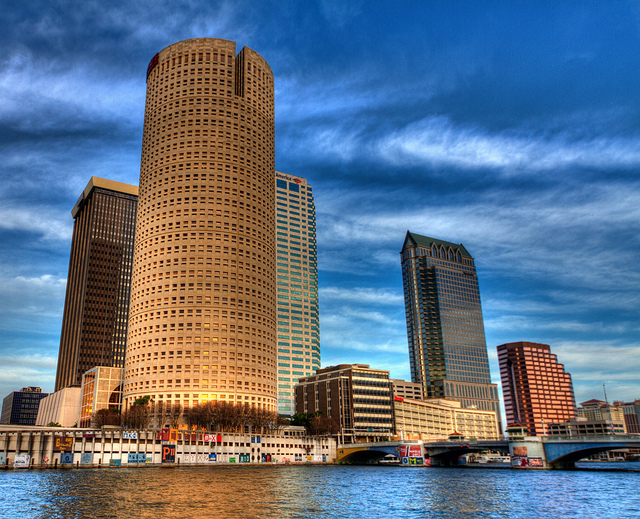
- Cities like Jacksonville and Tampa, along with the surrounding areas of St. Petersburg and Clearwater.
Within the Eastern Time Zone, Florida observes Daylight Saving Time (DST). This means that from the second Sunday in March to the first Sunday in November, clocks are advanced by one hour. During these periods, the time observed is Eastern Daylight Time (EDT), which is UTC-4. The remainder of the year, when DST is not in effect, the time is Eastern Standard Time (EST), which is UTC-5. This shift is a critical factor for coordinating travel plans, especially when connecting flights or making reservations across different states or countries.
The Central Time Zone (CT)
A smaller portion of the Florida Panhandle observes the Central Time Zone. This zone primarily encompasses the westernmost counties of the panhandle, west of the Apalachicola River. Key areas within this zone include:
- Cities like Pensacola and Panama City Beach.
- Smaller towns and communities along the Gulf Coast in these western counties.
Like the Eastern Time Zone, the Central Time Zone in Florida also observes Daylight Saving Time. During DST, the time observed is Central Daylight Time (CDT), which is UTC-5. Outside of DST periods, it is Central Standard Time (CST), which is UTC-6. This means that during DST, the Central Time Zone is two hours behind the Eastern Time Zone, and during standard time, it is also two hours behind.
It is important for travelers to be aware of which time zone their specific destination falls into, particularly when traversing the panhandle region. A quick search for the county of your intended destination can clarify its time zone designation.
Practical Implications for Travelers
Understanding Florida’s time zones is more than just a trivia point; it has direct and significant implications for every aspect of your travel experience. From booking flights and accommodations to scheduling activities and dining, time zone awareness can prevent misunderstandings and ensure a smooth journey.
Travel and Logistics
The most immediate impact of time zones is on travel arrangements, particularly flights and driving.

- Flight Bookings: When booking flights into or out of Florida, always pay close attention to the arrival and departure times. If you are flying from a city in a different time zone, the listed flight times are usually local to the departure and arrival airports. For instance, a flight departing from New York City (ET) at 2:00 PM EST and arriving in Miami (ET) at 5:00 PM EST means a three-hour flight. However, if you were flying from Chicago (CT) to Miami (ET), a 2:00 PM CST departure would arrive at 5:00 PM EST, which is only a two-hour flight in duration. The difference in time zones must be factored into your calculations.
- Driving Distances and Arrival Times: If you are driving into Florida, understanding the time zone changes can affect your estimated arrival times. For example, driving from Atlanta, Georgia (ET), to Pensacola, Florida (CT), will involve a one-hour shift as you cross the time zone boundary. If you depart Atlanta at 10:00 AM EST, you will technically be operating on Central Time once you enter the western panhandle, meaning your clock will show 9:00 AM CST. This needs to be accounted for when estimating travel time, especially if you have pre-booked activities or dinner reservations.
- Car Rentals: When picking up or dropping off rental cars, ensure you are aware of the local time at the rental agency’s location to avoid late fees or missed deadlines.
Scheduling Activities and Attractions
Florida is renowned for its abundance of attractions, and many operate on strict schedules.
- Theme Park Hours: Major theme parks like Walt Disney World Resort and Universal Orlando Resort have opening and closing times that are critical for maximizing your visit. Knowing the local time ensures you arrive for early morning parades, fireworks shows, or to catch the last ride of the day.
- Tours and Excursions: Boat tours in the Florida Keys, wildlife excursions in the Everglades National Park, or historical tours in St. Augustine often have specific departure times. Confirming these times with the local time is paramount. For instance, a sunset cruise departing at 7:00 PM EST from Key West will differ from a similar cruise departing from a location in the Central Time Zone.
- Dining Reservations: Making reservations at popular restaurants, especially in cities like Miami or Tampa, requires precise timing. Arriving late due to a time zone miscalculation can mean losing your table and having to wait for the next available slot.
Communication and Connectivity
Time zones also play a role in communication with friends, family, and even business associates.
- Contacting Home: If you are traveling from a different time zone, be mindful of when you are calling or texting loved ones. A late-night call from Florida might be an early morning call for someone on the West Coast of the United States, or even an inconvenient hour for someone in a different country.
- Business and Appointments: For those traveling for business, adhering to scheduled calls or meetings is essential. Always clarify the time zone when confirming appointments with Florida-based contacts.
Navigating Daylight Saving Time in Florida
Daylight Saving Time (DST) adds another layer of consideration when planning your trip to Florida. As mentioned, both time zones in Florida observe DST, aligning with the broader practice in the United States.
The DST Schedule
DST typically begins on the second Sunday in March and ends on the first Sunday in November. During this period, clocks in the Eastern Time Zone are advanced to EDT (UTC-4), and in the Central Time Zone to CDT (UTC-5). Outside of this period, they revert to EST (UTC-5) and CST (UTC-6) respectively.
Why It Matters to Travelers
- Time Zone Differences During DST: When DST is active, the difference between the Eastern Time Zone and the Central Time Zone remains constant at two hours. For example, when it is 12:00 PM EDT in Miami, it is 10:00 AM CDT in Pensacola.
- Impact on International Travelers: For international visitors, understanding Florida’s DST schedule is crucial for coordinating with their home countries, especially if their home country also observes DST or has a fixed time difference.
- Scheduling Events: If you are participating in an event that has participants across multiple time zones, or if you are coordinating with someone outside of Florida, it’s vital to specify whether the time is standard or daylight. For example, if a conference call is scheduled for 3:00 PM EST, and you are in the Central Time Zone, you need to know if that 3:00 PM refers to EST or EDT, and adjust accordingly.
Most digital devices, such as smartphones and computers, automatically adjust for DST. However, it’s always prudent to double-check if you are relying on manually set clocks or older electronic devices, especially when you first arrive in Florida or are traveling near the DST transition dates.
Tips for Time Zone Management
To ensure your Florida vacation is as seamless as possible, here are some practical tips for managing time zones:
- Always Confirm Local Time: Upon arrival at your destination in Florida, verify the local time on your phone or by asking hotel staff. This is especially important if you’ve arrived on a long flight or driven across a time zone boundary.
- Set Alarms and Reminders in Local Time: When setting alarms for activities, tours, or dining reservations, ensure they are set to the local time of your current location in Florida.
- Utilize Time Zone Converter Apps/Websites: If you need to communicate with people in different time zones regularly, a time zone converter app or website can be an invaluable tool.
- Factor in Travel Time Carefully: When planning road trips within Florida or to/from neighboring states, use mapping services that account for time zone changes to get accurate arrival estimates.
- Double-Check All Booking Confirmations: Review all flight, hotel, and activity confirmations to ensure the times listed are accurate and align with your understanding of the local time at your destination.
- Be Mindful of DST: If your trip coincides with the beginning or end of Daylight Saving Time, be extra vigilant about time adjustments.
By understanding and respecting the local time zones and the observance of Daylight Saving Time, travelers can enhance their experience in Florida, avoiding potential confusion and ensuring they make the most of their time in this captivating state. Whether you’re exploring the vibrant streets of Miami, enjoying the magic of Orlando, or soaking up the sun on the beaches of the Panhandle, a little time zone awareness goes a long way.
LifeOutOfTheBox is a participant in the Amazon Services LLC Associates Program, an affiliate advertising program designed to provide a means for sites to earn advertising fees by advertising and linking to Amazon.com. Amazon, the Amazon logo, AmazonSupply, and the AmazonSupply logo are trademarks of Amazon.com, Inc. or its affiliates. As an Amazon Associate we earn affiliate commissions from qualifying purchases.