
Navigating the landscape of health insurance can often feel like charting an unknown territory. For residents of California, understanding the pathways to comprehensive health coverage is crucial. Medi-Cal, the state’s Medicaid program, serves millions, offering vital medical services to low-income individuals and families. This guide aims to demystify the application process, ensuring that eligible Californians can access the care they need with confidence. From understanding eligibility requirements to submitting your application, we’ll cover the essential steps.
Understanding Medi-Cal Eligibility in California
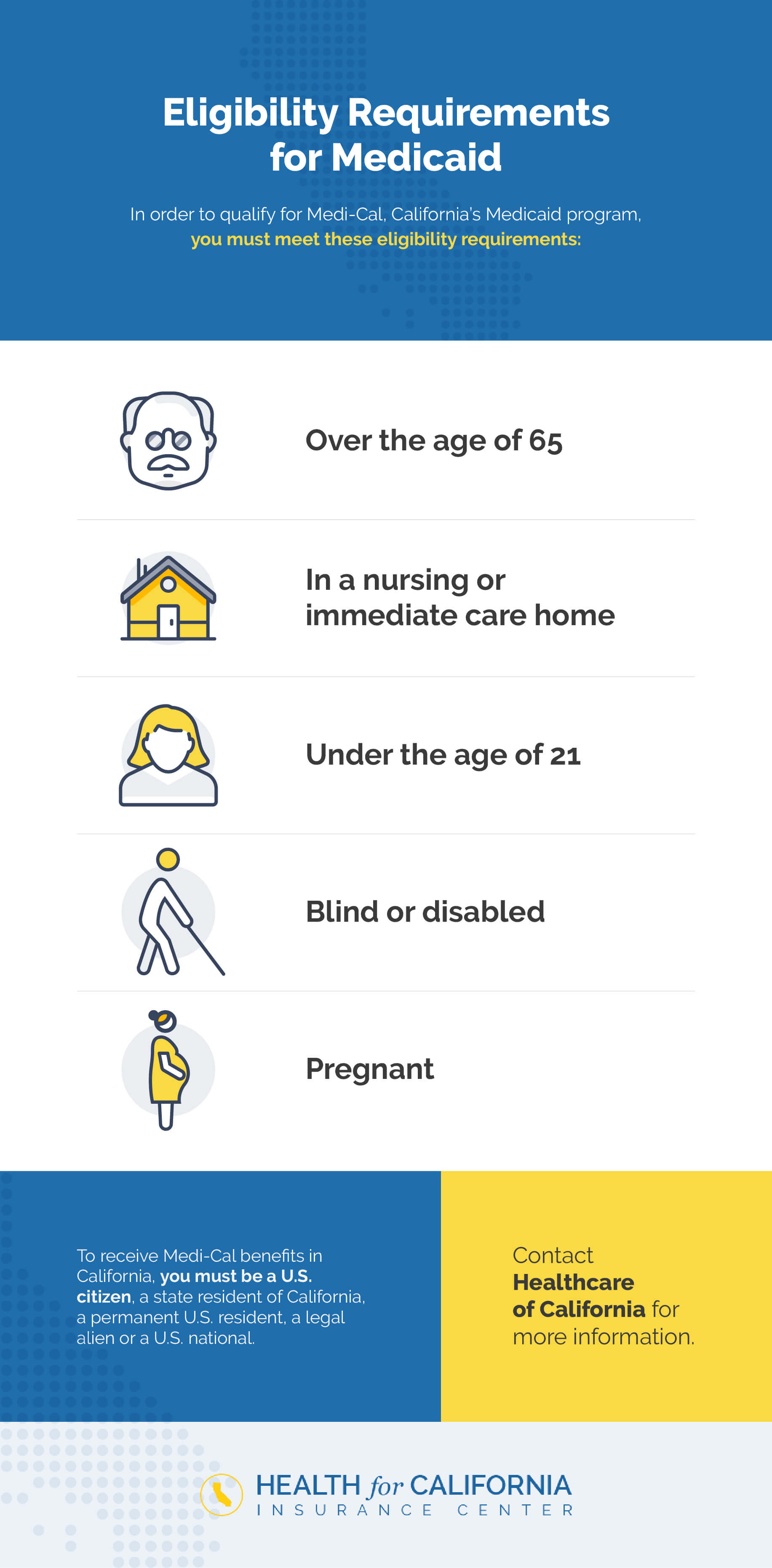
The foundation of applying for Medi-Cal lies in understanding who qualifies. California has expanded Medi-Cal eligibility to cover a broad range of individuals, prioritizing those with lower incomes. Eligibility is determined by several factors, including income, household size, age, disability status, and immigration status.

Key Eligibility Groups
California has specific pathways for various groups to access Medi-Cal:
- Low-Income Individuals and Families: This is the broadest category, encompassing families with children, pregnant women, and individuals without dependent children who meet income thresholds.
- Seniors (Aged 65 and Older): Seniors with limited income and resources are generally eligible. This includes those who may not qualify for Medicare or need additional coverage.
- Individuals with Disabilities: People with disabilities who meet specific income and asset requirements can qualify for Medi-Cal. This often involves documentation from the Social Security Administration or a disability evaluation.
- Children: All children in households with incomes below a certain percentage of the federal poverty level are eligible for Medi-Cal or the Healthy Families Program, depending on their income.
- Pregnant Women: Pregnant women with limited income can receive comprehensive prenatal care and postpartum services through Medi-Cal.
Income and Asset Limitations
The primary determinant for eligibility is income. Medi-Cal uses a Modified Adjusted Gross Income (MAGI) methodology for most applicants. This means that certain deductions are applied to your gross income to arrive at a figure used for eligibility. The specific income thresholds are updated annually and vary based on household size.
For certain groups, such as seniors and individuals with disabilities, asset limits may also apply. These limits consider the value of resources like savings accounts, stocks, and bonds, excluding certain essential assets like a primary home or a car.
Immigration Status Considerations
California offers Medi-Cal coverage for certain immigrants who may not be eligible for federal Medicaid. This includes lawfully present immigrants who meet income requirements and undocumented immigrants who are pregnant or under 19 years old. Specific documentation will be required to verify immigration status.
The Application Process: Step-by-Step
Applying for Medi-Cal can be done through several channels, offering flexibility to applicants. Understanding each method ensures you can choose the one that best suits your circumstances.
Option 1: Online Application via BenefitsCal
The most convenient and often fastest way to apply is through the state’s online portal, BenefitsCal.
- Create an Account: Visit the BenefitsCal website and create a secure account. You will need a valid email address.
- Fill Out the Application: Once logged in, navigate to the application section. You will be guided through a series of questions covering personal information, household details, income, expenses, and other relevant data. Be prepared to provide accurate information for all household members applying.
- Upload Supporting Documents: You will likely need to upload documents to verify your information. This may include:
- Proof of identity (e.g., driver’s license, passport)
- Proof of residency (e.g., utility bills, lease agreement)
- Proof of income (e.g., pay stubs, tax returns, award letters from Social Security)
- Proof of pregnancy (if applicable)
- Proof of disability (if applicable)
- Proof of immigration status (if applicable)
- Submit the Application: Review your application carefully for any errors before submitting it electronically. You will receive a confirmation once your application is received.
Option 2: In-Person Application at a County Office
For those who prefer or require in-person assistance, you can apply at your local California Department of Social Services (CDSS) county office.
- Locate Your County Office: Visit the CDSS website or call their helpline to find the address and operating hours of the office serving your county.
- Obtain an Application Form: You can usually pick up a paper application form at the county office, or sometimes download it in advance from the CDSS website.
- Complete the Form: Fill out the application form accurately and completely. It’s advisable to have all necessary supporting documents with you, as staff may be able to assist with initial reviews.
- Submit and Interview: Submit the completed application and supporting documents to the county office. You may be scheduled for an interview, either in person, by phone, or video conference, to review your application and gather any missing information.
Option 3: Phone Application
You can also initiate an application over the phone.
- Call the Medi-Cal Helpline: Dial the Medi-Cal general helpline at 1-800-541-5555.
- Provide Information: A representative will guide you through the application process, asking questions about your household, income, and other eligibility factors. They can also inform you about the documents you’ll need to provide subsequently.
- Follow-up Steps: After the phone interview, you will likely be instructed on how to submit your supporting documents, either online or by mail.
Required Documentation and Verification
Accurate and complete documentation is paramount to a smooth application process. While the exact documents may vary based on your specific eligibility group, here is a general list of what you might need:
Identity and Residency Verification
- Proof of Identity: Valid government-issued photo ID such as a driver’s license, state ID card, passport, or visa.
- Proof of Residency: Recent utility bills (gas, electric, water), a signed lease agreement, a mortgage statement, or a letter from a homeless shelter. You must be a resident of California.
Income Verification
- For Employees: Recent pay stubs (typically the last 30 days), a letter from your employer stating your wages, or recent tax returns (if self-employed or if annual income is more reliable).
- For Unemployed Individuals: Documentation of unemployment benefits, or a signed statement detailing the lack of employment and any sources of income (e.g., gifts, contributions).
- For Other Income Sources: Award letters for Social Security, disability benefits, pensions, or any other regular income. Bank statements can also be used to show income deposits.
Household and Family Information
- Social Security Numbers (SSNs): For all individuals applying for Medi-Cal.
- Birth Certificates: For children and other dependents.
- Proof of Relationship: Marriage certificates, divorce decrees, or custody orders, if applicable.
Specific Circumstance Documents
- For Pregnant Women: A letter from a healthcare provider confirming the pregnancy and estimated due date.
- For Individuals with Disabilities: Documentation from the Social Security Administration (SSA) confirming disability status, or a physician’s letter detailing the disability and its impact on your ability to work.
- For Non-Citizens: Alien Registration Card (Green Card), visa, or other immigration documents.
Important Note: Medi-Cal understands that not everyone may have all these documents readily available. If you are missing certain items, communicate this to your caseworker. They can often suggest alternative ways to verify information or provide guidance on how to obtain the necessary documents.
After You Apply: What to Expect
Once your Medi-Cal application is submitted, the process enters a review phase. Understanding the timeline and potential outcomes will help you manage your expectations.
Processing Times
The California Department of Health Care Services and county offices strive to process applications within a specific timeframe. Generally, you can expect a decision within 45 days of submitting a complete application. This timeframe may be extended to 90 days for applicants who are applying based on disability.
Notification of Decision
You will be notified in writing of the decision regarding your Medi-Cal eligibility. This notification will clearly state whether you have been approved or denied.
- If Approved: The notice will detail your eligibility, the effective date of your coverage, and information about selecting a health plan if applicable. You will also receive information on how to access your Medi-Cal card or digital benefit identifier.
- If Denied: The notice will explain the reasons for the denial and outline your rights to appeal the decision. It will also provide information on how to request a fair hearing.
Appealing a Decision
If you believe your Medi-Cal application was wrongly denied, you have the right to appeal. The denial letter will include instructions on how to request a fair hearing. It’s crucial to adhere to the deadlines specified in the letter for filing an appeal. You can often seek assistance from legal aid services or advocacy groups to help you navigate the appeals process.

Maintaining Your Medi-Cal Benefits
Once approved, it’s essential to keep your information up-to-date to maintain your Medi-Cal benefits.
- Report Changes: You must report any changes in your household size, income, address, or other eligibility factors to your county Medi-Cal office promptly. Failure to do so could result in overpayment or termination of benefits.
- Annual Renewals: Medi-Cal recipients are subject to periodic renewals, typically annually, to re-evaluate eligibility. You will receive a renewal packet by mail and will need to provide updated information and documentation. Completing the renewal process on time is critical to avoid a lapse in coverage.
Accessing healthcare is a fundamental need, and Medi-Cal in California provides a crucial safety net for many. By understanding the eligibility criteria and diligently following the application steps, residents can secure the health coverage they deserve. Remember to keep your information current and respond promptly to any requests from Medi-Cal to ensure continuous access to vital medical services.
LifeOutOfTheBox is a participant in the Amazon Services LLC Associates Program, an affiliate advertising program designed to provide a means for sites to earn advertising fees by advertising and linking to Amazon.com. Amazon, the Amazon logo, AmazonSupply, and the AmazonSupply logo are trademarks of Amazon.com, Inc. or its affiliates. As an Amazon Associate we earn affiliate commissions from qualifying purchases.