
The state flag of Florida is a striking emblem, rich with history and symbolism, reflecting the unique identity and heritage of the Sunshine State. Understanding the intricacies of its design offers a deeper appreciation for the state and its journey through time. This iconic banner is more than just a piece of cloth; it’s a narrative woven in colors and imagery, representing the spirit of Florida.
A Deeper Look at Florida’s Flag: Design and Symbolism
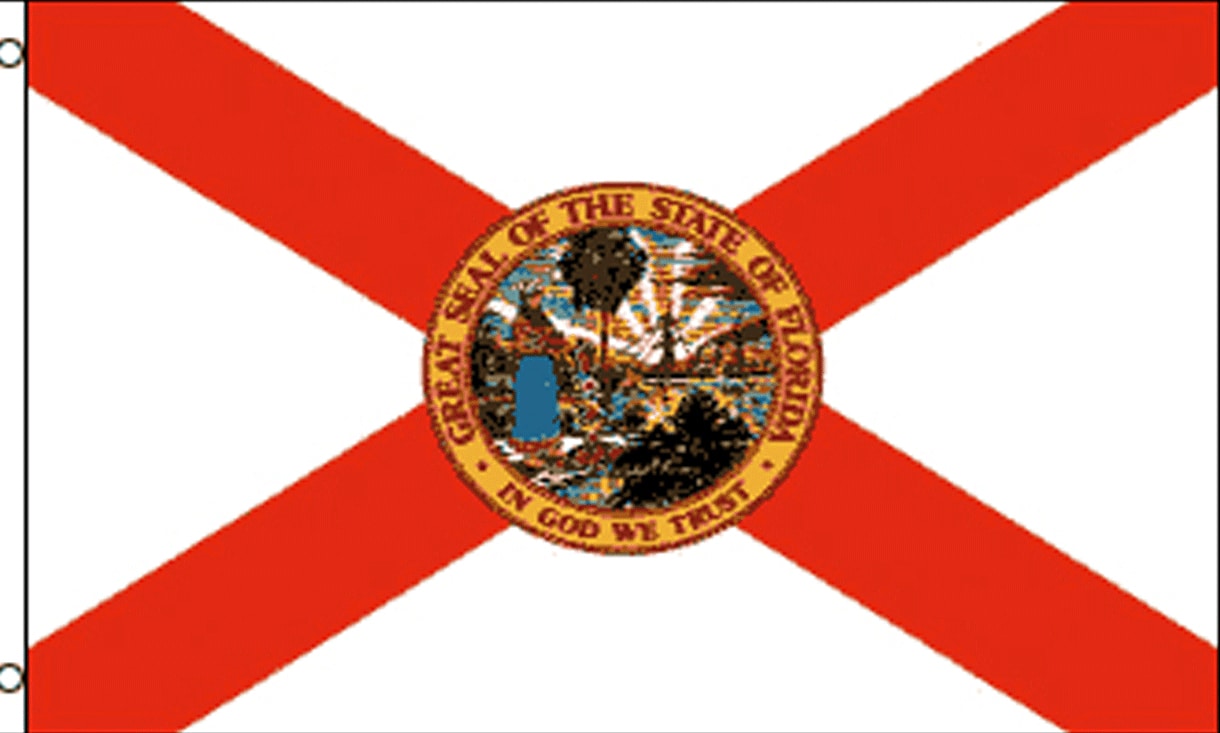
The current iteration of the Florida state flag, adopted in 1905, is a captivating display. It features a crimson saltire (a diagonal cross) on a white field, superimposed with the state seal in the center. This design, while seemingly straightforward, carries profound meaning and has evolved over the years. The crimson saltire, a bold stroke of color against the pristine white background, is a direct nod to the Confederate battle flag, a historical connection that has been a subject of discussion and debate. However, its inclusion is often attributed to historical tradition rather than explicit endorsement of the Confederacy. The white field symbolizes peace, and the crimson saltire, while referencing a specific historical context, also broadly evokes a sense of unity and strength.

The Central Emblem: The Great Seal of Florida
The true heart of the Florida state flag lies in its central element: the Great Seal of Florida. This seal is a complex and allegorical representation of the state’s natural beauty, resources, and aspirations. It was first adopted in 1868 and has seen minor modifications since.
Elements of the Great Seal:
- The Seminole Woman: A prominent figure on the seal is a Native American woman, typically depicted as a Seminole, scattering blossoms from her hands. This symbolizes Florida’s abundant floral beauty and its rich indigenous heritage. The Seminole people are deeply intertwined with the history of Florida, having resisted assimilation and maintained a distinct cultural identity.
- The Palm Tree: Behind the woman stands a sabal palm tree, the official state tree of Florida. The palm tree is an iconic symbol of the state’s tropical climate and picturesque landscapes, evoking images of sun-drenched beaches and swaying fronds.
- The Steamboat: In the background, a steamboat navigates the waters, representing commerce and transportation, vital elements in the economic development of Florida, particularly during the 19th century. This element speaks to the historical importance of waterways for trade and travel within the state.
- The Sun and Distant Mountains: The sun rises in the background, symbolizing a new dawn and prosperity. While Florida is not known for its towering mountains, the seal includes distant hills or mountains, often interpreted as representing the “highlands” or elevated terrain found in certain parts of the state.
- The Motto: Encircling the seal is the state motto: “In God We Trust.” This phrase, adopted in 1868, reflects a deeply held belief and a foundational principle of the state.
The intricate details of the Great Seal, when placed at the heart of the crimson saltire, create a powerful visual statement. The natural beauty, cultural heritage, and economic aspirations of Florida are all encapsulated within this single emblem, making it a compelling centerpiece for the state flag.
Historical Evolution of Florida’s Flag

The Florida flag has undergone several transformations throughout its history, each reflecting different periods and influences. Understanding this evolution provides a richer context for the current design.
Early Banners
Before the current design, Florida had various flags that represented its territory and later its statehood. These early flags often featured different symbols and designs. For instance, a flag adopted during the Civil War featured the state seal on a field of blue. However, it was the adoption of a flag featuring the crimson saltire that marked a significant turning point.
The 1900s Reforms
The adoption of the current flag design in 1905 was a result of a legislative act. Prior to this, the state seal was often placed on a plain white flag. Governor Napoleon B. Broward championed the addition of the crimson saltire, believing it would make the flag more distinctive and recognizable. This addition solidified the visual identity of the Florida flag as it is known today.
The Significance of the Flag in Florida Culture
The Florida state flag is a ubiquitous presence throughout the state, flying proudly at government buildings, schools, and public spaces. It serves as a unifying symbol for its diverse population, representing a shared sense of identity and pride.
Symbol of State Pride
For residents and visitors alike, the Florida flag evokes a sense of place. It is a visual reminder of the state’s unique allure, from its vibrant cities like Miami and Orlando to its pristine natural landscapes, including the Everglades National Park and its numerous beautiful beaches. The flag embodies the spirit of the Sunshine State, known for its warmth, hospitality, and dynamic culture.
Educational and Historical Context
Understanding the Florida state flag is also an educational endeavor. It provides a tangible link to the state’s past, its indigenous roots, its development as a territory and a state, and its ongoing journey. When learning about Florida, its history, and its culture, the state flag serves as an immediate and powerful visual identifier. It is a constant presence in parades, official ceremonies, and public events, reinforcing Florida’s distinct identity on the national and international stage.
LifeOutOfTheBox is a participant in the Amazon Services LLC Associates Program, an affiliate advertising program designed to provide a means for sites to earn advertising fees by advertising and linking to Amazon.com. Amazon, the Amazon logo, AmazonSupply, and the AmazonSupply logo are trademarks of Amazon.com, Inc. or its affiliates. As an Amazon Associate we earn affiliate commissions from qualifying purchases.