
Navigating the Digital Landscape for California LLC Formation
Establishing a Limited Liability Company (LLC) in California offers significant advantages for entrepreneurs and business owners seeking to protect their personal assets while maintaining operational flexibility. The digital age has streamlined this process, allowing for online formation that is both efficient and accessible. This guide delves into the key steps involved in setting up an LLC in California entirely online, demystifying the procedure and empowering you to take this crucial step in your business journey. From selecting a business name to filing the necessary documents with the California Secretary of State, each phase is critical for a successful launch. Understanding the nuances of online filing, Registered Agent requirements, and the Operating Agreement ensures a robust foundation for your venture.
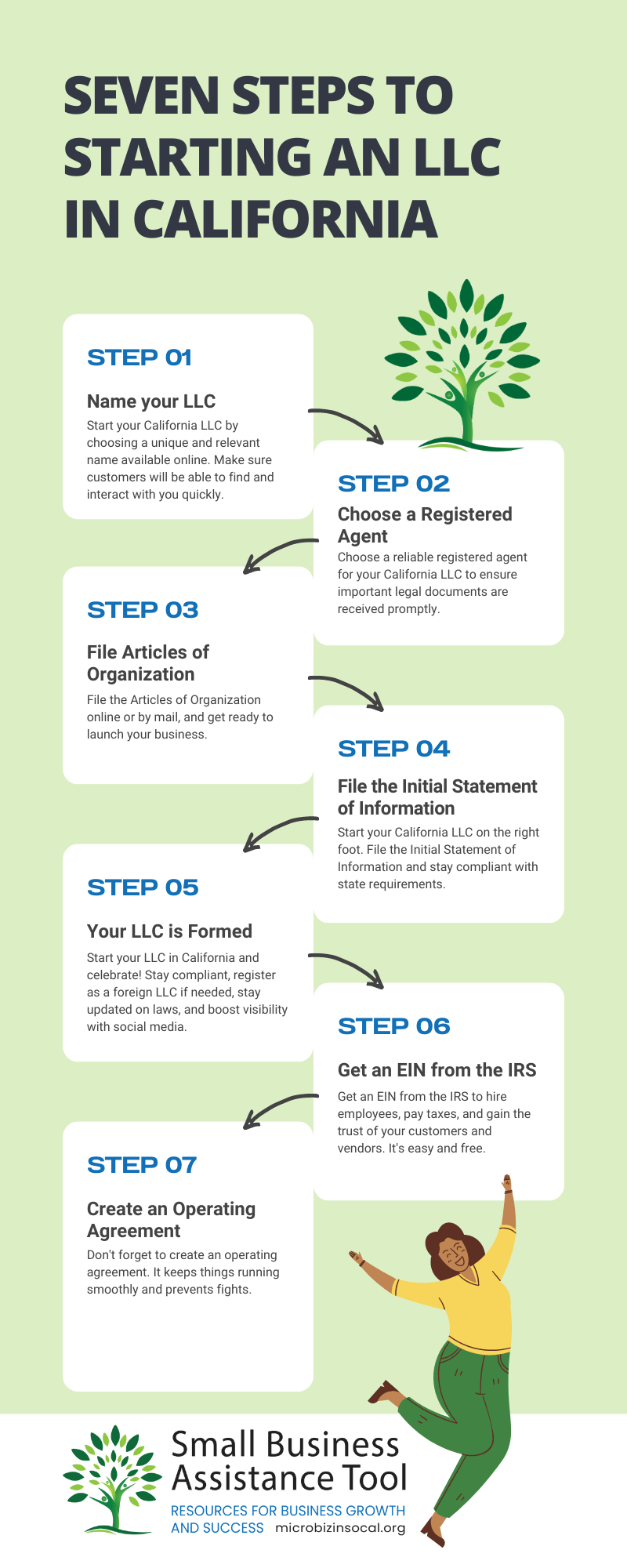
The Foundational Steps: Name, Agent, and Articles of Organization
Before you can navigate the online portal for LLC formation, several foundational elements must be carefully considered. These initial decisions will lay the groundwork for your business’s legal structure and compliance.
Choosing a Distinctive and Compliant Business Name
The first and perhaps most exciting step is selecting a name for your LLC. In California, your chosen business name must be unique and distinguishable from existing business entities registered with the California Secretary of State. This ensures that your brand stands out and avoids potential legal conflicts.
Online Name Search and Reservation
To verify name availability, the California Secretary of State provides an online business search tool. This allows you to input potential names and check for exact matches or similar entities. It is recommended to have a few alternative names in mind, as your first choice may already be taken. While California does not mandate name reservation, it is an option if you wish to secure a name before officially forming your LLC. This can be done by submitting a Name Reservation Request Form, though for most online formations, proceeding directly to filing is common.
Naming Conventions
Your LLC name must include specific designators that indicate its legal status. These typically are “Limited Liability Company,” “LLC,” or “L.L.C.” The name should not contain words that could be misleading or imply a different type of business entity, such as “Corporation” or “Inc.” Furthermore, certain restricted words, like “Bank,” “Trust,” or “Insurance,” require specific approval or licensing.
Appointing a Registered Agent for Service of Process
A Registered Agent is a crucial component of any LLC formation. This individual or entity is designated to receive official legal documents, such as lawsuits or tax notices, on behalf of your LLC. The Registered Agent must have a physical street address in California (not a P.O. Box) and be available during standard business hours to accept service of process.
Online Registered Agent Services
Many online LLC formation services offer Registered Agent services as part of their packages. These professional services ensure that you meet the legal requirement and that important documents are received promptly and forwarded to you. Alternatively, you can appoint an individual, such as a partner in the LLC or an employee, provided they meet the criteria and are willing to fulfill this responsibility. Some businesses opt to act as their own Registered Agent if they have a consistent physical address and business hours. However, using a commercial Registered Agent can offer added privacy and reliability.
Filing the Articles of Organization Online
The official formation document for a California LLC is the Articles of Organization (Form LLC-1). This document formally creates your LLC with the state. The California Secretary of State’s website provides an online filing portal, allowing you to complete and submit this form electronically.
Key Information Required
When filling out the Articles of Organization online, you will need to provide:
- LLC Name: The unique name you have selected and verified.
- Street Address of the Principal Office: The main physical location of your business. If your business is home-based, you can use your home address, but consider the privacy implications.
- Registered Agent’s Name and Address: The name and physical address of your appointed Registered Agent in California.
- Statement of Purpose: A brief description of the general nature of your business.
- Management Structure: Whether the LLC will be managed by its members or by appointed managers.
The filing fee for the Articles of Organization is currently $70, payable online by credit card.
The Operating Agreement: A Crucial Internal Document
While not a document filed with the state, the Operating Agreement is an essential internal document that governs the operations and ownership of your LLC. It outlines how the business will be run, the rights and responsibilities of members, and procedures for various business scenarios.
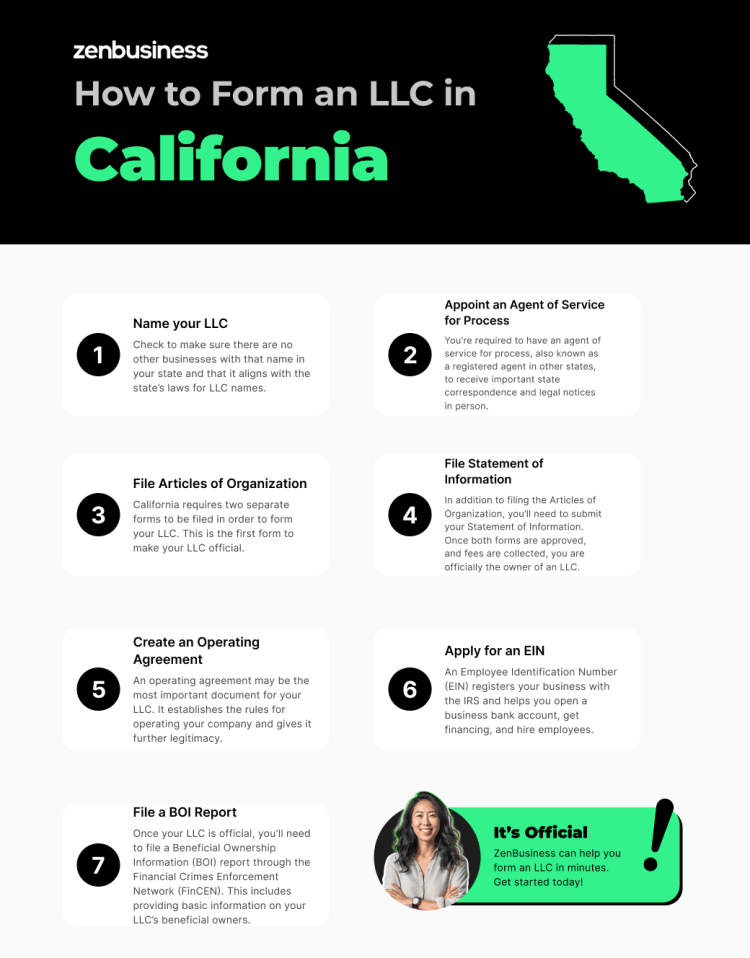
Structuring Your LLC’s Internal Affairs
The Operating Agreement is akin to a company’s constitution, providing clarity and preventing potential disputes among members. In California, an Operating Agreement is not legally required to form an LLC, but it is highly recommended. Without one, the state’s default rules will apply, which may not align with your business intentions.
Key Components of an Operating Agreement
A comprehensive Operating Agreement typically includes:
- Member Contributions: Details on the initial capital contributions made by each member and the form these contributions take (e.g., cash, property, services).
- Profit and Loss Distribution: How profits and losses will be allocated among the members. This can be based on ownership percentages or other agreed-upon methods.
- Management and Voting Rights: How decisions will be made, including voting percentages and the roles of managing members or appointed managers.
- Membership Changes: Procedures for admitting new members, transferring membership interests, or the departure of existing members.
- Dissolution Procedures: How the LLC will be dissolved, assets distributed, and liabilities settled.
- Dispute Resolution: Mechanisms for resolving disagreements among members, such as mediation or arbitration.
Drafting and Adopting the Agreement
The Operating Agreement can be drafted by the LLC members themselves or with the assistance of legal counsel. Many online legal service providers offer templates and customizable Operating Agreements that can be adapted to your specific business needs. Once drafted, all members should review and sign the agreement, signifying their assent to its terms. This document should be kept with your LLC’s records and updated as necessary.
Post-Formation Compliance and Ongoing Obligations
Forming your LLC online is the first major step, but it is vital to understand the ongoing compliance requirements to maintain your LLC’s good standing with the state and federal authorities.
State and Federal Tax Obligations
Once your LLC is established, you will need to address federal and state tax requirements. The IRS generally treats LLCs as pass-through entities, meaning profits and losses are passed through to the members’ personal income tax returns. However, you can elect to have your LLC taxed as a corporation (S-corp or C-corp) for potential tax advantages.
Obtaining an Employer Identification Number (EIN)
An EIN, also known as a Federal Tax Identification Number, is like a Social Security number for your business. You will need an EIN if your LLC has employees or operates as a corporation or partnership. You can apply for an EIN for free through the IRS website online. This is a straightforward process and is typically completed within minutes.
Franchise Tax
In California, LLCs are subject to an annual minimum $800 franchise tax, payable to the California Franchise Tax Board (FTB). This tax is due regardless of whether the LLC is actively conducting business or generating profit. The first payment is due by the 15th day of the fourth month after the LLC is formed. Subsequent payments are generally due by April 15th each year.
Annual Report and Statement of Information
California requires LLCs to file a Statement of Information (Form LLC-12) every two years. This form updates the Secretary of State with current information about your LLC, including its principal office address, Registered Agent, and the names and addresses of its managers or members. The filing fee for the Statement of Information is $20. Failure to file this document can result in penalties and eventual administrative dissolution of your LLC.
Maintaining Your LLC’s Legal Status
Beyond tax obligations, there are other aspects of maintaining your LLC’s legal integrity.
Keeping Records Updated
It is crucial to maintain accurate and up-to-date records for your LLC. This includes financial records, meeting minutes (if applicable), and any amendments to your Operating Agreement. Proper record-keeping is essential for tax purposes, for demonstrating compliance, and for resolving any future legal disputes.

Business Licenses and Permits
Depending on your industry and the specific activities of your LLC, you may need to obtain various business licenses and permits at the federal, state, and local levels. Researching these requirements early on is vital to ensure your business operates legally and avoids potential fines or shutdowns. For instance, a restaurant in Los Angeles will have different licensing needs than a software development company operating remotely.
By diligently following these steps and maintaining ongoing compliance, you can effectively set up and manage your LLC in California online, establishing a strong and legally sound foundation for your business success.
LifeOutOfTheBox is a participant in the Amazon Services LLC Associates Program, an affiliate advertising program designed to provide a means for sites to earn advertising fees by advertising and linking to Amazon.com. Amazon, the Amazon logo, AmazonSupply, and the AmazonSupply logo are trademarks of Amazon.com, Inc. or its affiliates. As an Amazon Associate we earn affiliate commissions from qualifying purchases.