
Understanding the prevailing temperature in Naples, Florida is a crucial element for any traveler planning a visit to this picturesque Southwest Florida city. Whether you’re dreaming of sun-drenched beach days, exploring vibrant cultural hubs, or indulging in world-class dining, knowing what to pack and what to expect weather-wise will significantly enhance your experience. Naples, Florida is renowned for its tropical savanna climate, characterized by warm to hot summers and mild winters, making it a desirable destination year-round. However, nuances in temperature, humidity, and rainfall can influence the optimal time for your visit and the activities you can comfortably pursue.

The city’s coastal location on the Gulf of Mexico plays a significant role in moderating its temperatures, preventing extreme highs and lows often experienced inland. This maritime influence results in generally pleasant conditions, with sea breezes offering a welcome respite during the warmer months. For travelers, this translates to a prolonged season for outdoor enjoyment, from lounging on the pristine sands of Lowdermilk Park to strolling along the historic Naples Pier.
Understanding Naples’ Climate: A Seasonal Overview
To truly grasp the temperature landscape of Naples, Florida, it’s beneficial to break down its climate into distinct seasons, each offering a unique atmosphere and set of conditions. While the region generally avoids harsh winters, there are noticeable shifts that cater to different preferences.
The Warm Embrace of Summer (June – August)
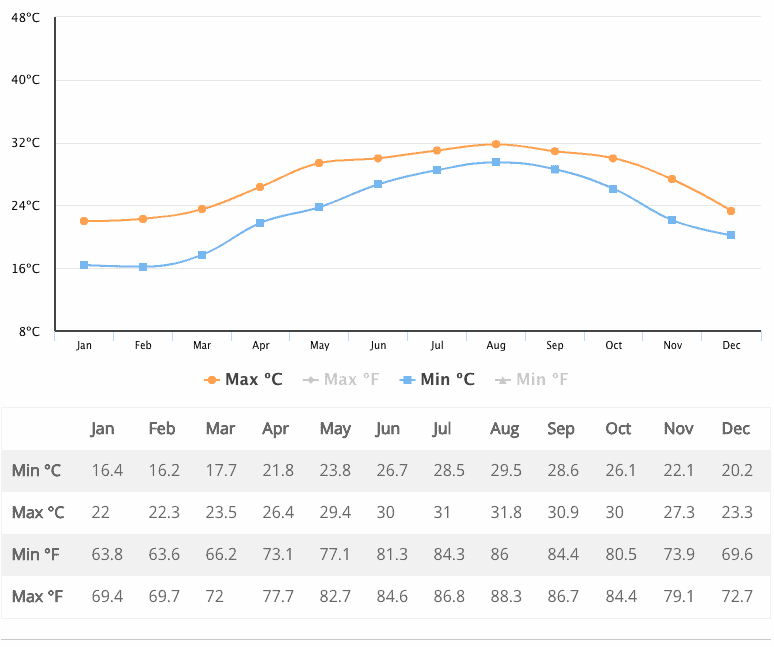
Summer in Naples, Florida is synonymous with heat and humidity. Daily high temperatures typically range from the upper 80s to the low 90s Fahrenheit (around 31-33°C), often feeling hotter due to the high humidity levels. The afternoon can bring scattered thunderstorms, a common occurrence in tropical climates, which often provide temporary relief from the heat. These showers are usually brief, allowing for continued enjoyment of the outdoors, especially in the mornings and late afternoons.
- Average High Temperatures: 89-92°F (31.7-33.3°C)
- Average Low Temperatures: 75-77°F (23.9-25°C)
- Humidity: High, often exceeding 70%
- Rainfall: Frequent, though often short-lived afternoon showers
For visitors during the summer months, lightweight, breathable clothing is essential. Staying hydrated is paramount, and seeking air-conditioned environments or enjoying water-based activities like swimming, boating, or visiting water parks will be key to comfort. The evenings offer a more pleasant climate, with temperatures dropping into the mid-70s Fahrenheit, perfect for al fresco dining at one of the city’s many acclaimed restaurants.
The Transition of Autumn (September – November)
As summer transitions into autumn, Naples, Florida experiences a noticeable shift towards milder and less humid conditions. September still carries the warmth of summer, with temperatures gradually decreasing through October and November. This period is often considered a sweet spot for many visitors, offering pleasant warmth without the intense heat and humidity of the preceding months. The threat of tropical storms also diminishes significantly as the season progresses.
- September Average High Temperatures: 87-89°F (30.6-31.7°C)
- October Average High Temperatures: 83-86°F (28.3-30°C)
- November Average High Temperatures: 78-82°F (25.6-27.8°C)
- Average Low Temperatures: 68-74°F (20-23.3°C)
- Humidity: Decreasing, becoming more comfortable
- Rainfall: Less frequent than summer
Autumn in Naples, Florida is ideal for exploring the various outdoor attractions. Activities like golfing on one of the championship courses, biking along the scenic trails, or enjoying a day trip to the Everglades National Park become particularly enjoyable. The evenings are refreshingly cool, perfect for leisurely walks along the beach or exploring the upscale boutiques and art galleries on Fifth Avenue South.
The Pleasant Winter (December – February)
Winter in Naples, Florida is a highlight for many, offering a delightful escape from colder climates. The temperatures are mild and comfortable, with average high temperatures in the 70s Fahrenheit (around 21-26°C) and lows dipping into the 50s Fahrenheit (around 10-15°C) during the cooler nights. This season is characterized by abundant sunshine and low humidity, making it perfect for all outdoor pursuits.
- Average High Temperatures: 72-78°F (22.2-25.6°C)
- Average Low Temperatures: 50-58°F (10-14.4°C)
- Humidity: Low, providing a comfortable experience
- Rainfall: Minimal, often the driest months
Winter is peak season in Naples, Florida, drawing visitors from colder regions seeking warmth and sunshine. The beaches are inviting for sunbathing and long walks, though the water might be a bit cool for some swimmers, typically in the low 70s Fahrenheit. This is the prime time for fishing charters, dolphin watching tours, and exploring the numerous nature preserves and botanical gardens, such as the Naples Botanical Garden. The evenings are cool enough for a light jacket or sweater, ideal for enjoying the vibrant nightlife and diverse culinary scene.
The Awakening of Spring (March – May)
Spring in Naples, Florida marks a gentle transition back towards warmer weather. March still offers the pleasant, mild temperatures of winter, while April and May gradually see an increase in both heat and humidity as summer approaches. The spring months are typically characterized by sunny skies and comfortable conditions, making them another excellent time to visit.
- March Average High Temperatures: 78-82°F (25.6-27.8°C)
- April Average High Temperatures: 83-87°F (28.3-30.6°C)
- May Average High Temperatures: 87-89°F (30.6-31.7°C)
- Average Low Temperatures: 60-70°F (15.6-21.1°C)
- Humidity: Gradually increasing
- Rainfall: Starts to increase towards the end of the season
Springtime visitors can enjoy a wide array of activities, similar to autumn, with increasingly warm weather favoring outdoor adventures. The Gulf waters begin to warm up, making swimming and other water sports more inviting. This is also a beautiful time for exploring the local flora and fauna, as many plants are in bloom, creating a vibrant and colorful landscape. The emergence of spring also brings an increase in cultural events and festivals, adding another layer of appeal to a visit.
Factors Influencing Temperature in Naples, Florida
While the seasonal overview provides a good general understanding, several other factors can influence the precise temperature and overall feel of the weather in Naples, Florida on any given day.
Humidity’s Impact on Perceived Temperature
As mentioned, humidity plays a significant role in how the temperature feels. In Naples, Florida, especially during the summer months, high humidity can make the air feel much warmer and more oppressive than the actual thermometer reading. This is because humidity hinders the body’s natural cooling process through evaporation of sweat. Conversely, during the drier winter months, the lower humidity makes the mild temperatures feel exceptionally pleasant and comfortable. When checking the weather forecast, it’s always wise to consider the “feels like” temperature, which takes humidity into account.
Coastal Breezes and Microclimates
The proximity to the Gulf of Mexico is a major factor in moderating Naples, Florida’s temperatures. Sea breezes often sweep inland, providing a cooling effect, particularly during the afternoons. These breezes can be more pronounced closer to the coastline, meaning areas directly on the beach or with unobstructed water views might experience slightly lower temperatures than areas further inland. While not extreme, these microclimates can influence your choice of location for activities or accommodation. For instance, a hotel located directly on the beach might offer a more refreshing experience during a hot summer day compared to one several miles inland.
Diurnal Temperature Variation
Like most locations, Naples, Florida experiences diurnal temperature variation, meaning there’s a difference between the day’s high and the night’s low. This variation is generally more pronounced during the drier winter months when clear skies allow for greater heat loss overnight. In contrast, summer nights tend to remain warm due to lingering heat and humidity. Understanding this diurnal range is important for planning activities that span across different times of the day, such as an early morning fishing trip followed by an evening stroll.
Planning Your Visit Based on Temperature
Knowing the typical temperature ranges for each season empowers you to make informed decisions when planning your trip to Naples, Florida.
For Beach Lovers and Sun Seekers
If your primary goal is to spend maximum time on the stunning beaches like Clam Pass Beach Park and soak up the sun, the winter and spring months (December to May) offer the most consistent and comfortable conditions. The sun is strong but not overpowering, and the air is pleasantly warm. While summer offers the hottest sun, the intense humidity and frequent afternoon rain showers might interrupt prolonged beach sessions. However, for those who thrive in heat and don’t mind the occasional downpour, summer can still be very enjoyable, especially if your accommodation offers a pool or easy access to air-conditioned spaces.
For Outdoor Adventurers and Explorers
Activities like hiking in the nearby Corkscrew Swamp Sanctuary, cycling along the extensive network of trails, or exploring the city’s charming neighborhoods are best enjoyed during the cooler, drier months. Autumn (September to November) and winter (December to February) provide ideal temperatures for extended periods of outdoor exploration without the discomfort of excessive heat or humidity. Spring (March to May) also offers excellent conditions before the intense heat of summer sets in.
For Those Seeking a Lively Atmosphere and Events
Naples, Florida has a vibrant social calendar, with many events and festivals occurring throughout the year. Peak season, typically from January to April, sees the highest concentration of events, coinciding with the most pleasant weather. This is when many cultural festivals, art shows, and farmers’ markets are in full swing. While summer offers fewer large-scale organized events, the city remains active, and visitors can still enjoy local concerts and dining specials.

For Budget-Conscious Travelers
The shoulder seasons, namely late spring (May) and early autumn (September to November, excluding holidays), often present opportunities for more budget-friendly travel. The temperatures are still quite pleasant, but visitor numbers might be slightly lower than during peak winter months, potentially leading to better deals on flights and accommodation at establishments like the Ritz-Carlton Golf Resort, Naples or the Hyatt House Naples/5th Avenue. Summer can also offer good value, provided you are prepared for the heat and humidity.
In conclusion, the temperature in Naples, Florida provides a welcoming climate for a vast majority of the year. By understanding the seasonal variations and the factors that influence them, travelers can meticulously plan their visit to align with their desired activities and comfort levels, ensuring an unforgettable experience in this gem of Southwest Florida.
LifeOutOfTheBox is a participant in the Amazon Services LLC Associates Program, an affiliate advertising program designed to provide a means for sites to earn advertising fees by advertising and linking to Amazon.com. Amazon, the Amazon logo, AmazonSupply, and the AmazonSupply logo are trademarks of Amazon.com, Inc. or its affiliates. As an Amazon Associate we earn affiliate commissions from qualifying purchases.