
California, often celebrated for its stunning coastlines, vibrant cities, and diverse cultural landscape, holds a remarkable distinction in the tapestry of North America’s natural wonders: it is home to an extraordinary nine National Parks. This makes the Golden State a true national treasure, boasting more National Parks than any other state in the contiguous United States. From the lowest point in North America to towering ancient forests and rugged volcanic landscapes, these parks offer an unparalleled range of travel experiences for adventurers, nature enthusiasts, and those seeking profound connections with the natural world.
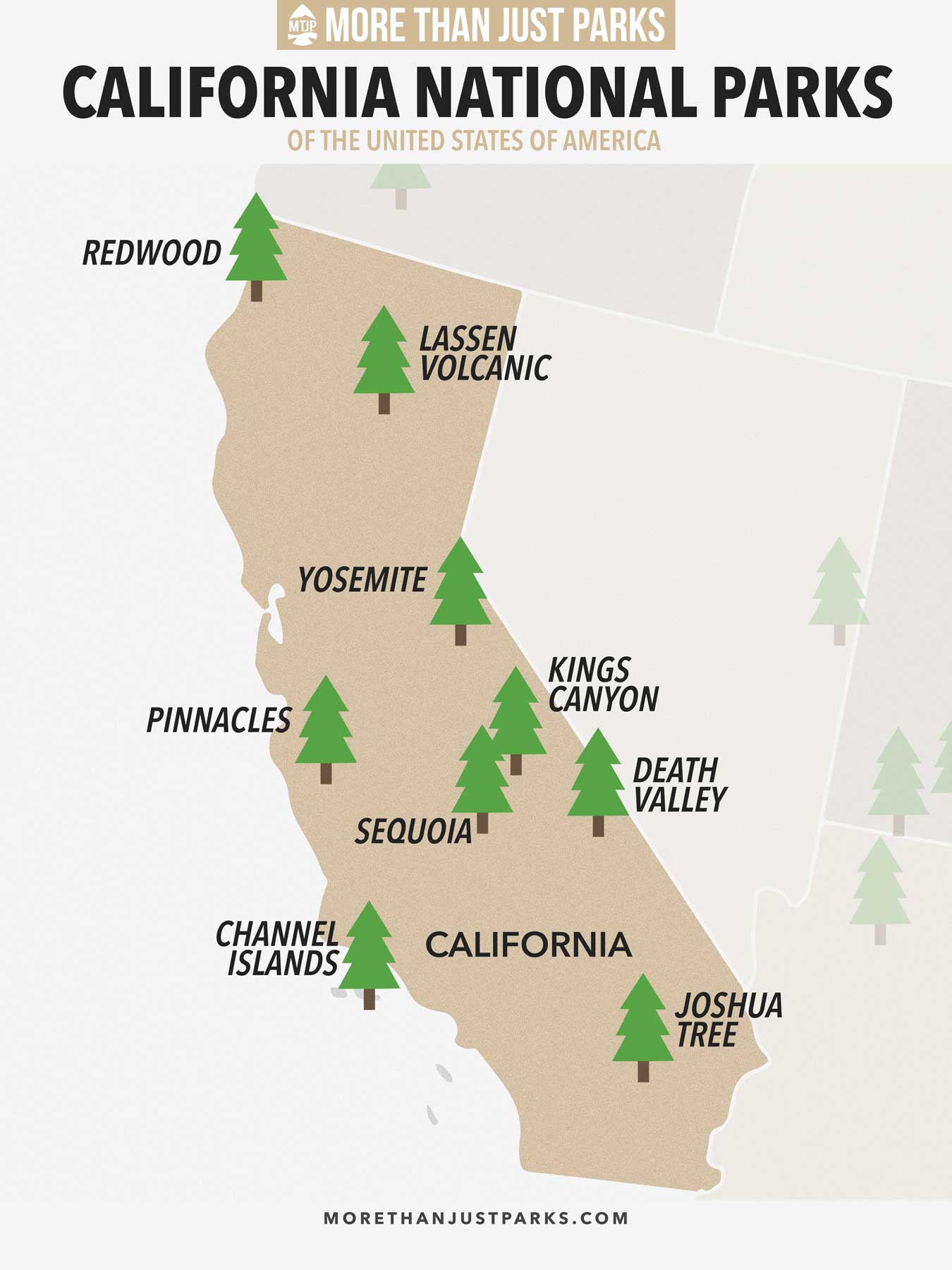
The Golden State’s Grand Total: Nine Unforgettable Landscapes
California’s nine National Parks are not just numerous; they represent a microcosm of the planet’s most dramatic and diverse ecosystems. Each park offers a unique set of attractions, challenges, and serene beauty, inviting exploration and contemplation. The full roster includes:
- Yosemite National Park
- Sequoia National Park
- Kings Canyon National Park
- Death Valley National Park
- Joshua Tree National Park
- Pinnacles National Park
- Lassen Volcanic National Park
- Redwood National and State Parks
- Channel Islands National Park
This remarkable collection provides an endless array of travel opportunities, from strenuous mountaineering to peaceful scenic drives, and from desert solitude to marine adventures. Understanding the distinct character of each park is key to planning an enriching California National Park itinerary.
A Tapestry of Terrains: California’s Diverse National Parks
The geographical breadth of California’s National Parks is truly astounding. Travelers can traverse extreme desert environments, ascend glaciated peaks, wander through ancient redwood forests, and explore pristine marine ecosystems, all within the borders of one state. This diversity isn’t merely a point of interest; it shapes the distinct experiences offered by each park and dictates the best times and ways to visit.
From Deserts to High Sierra Peaks
The eastern side of California is dominated by vast desert landscapes, home to Death Valley National Park and Joshua Tree National Park. These parks showcase unique adaptations to arid environments, with stark beauty, incredible geological formations, and skies perfect for stargazing. Moving westward, the majestic Sierra Nevada mountain range hosts Yosemite National Park, Sequoia National Park, and Kings Canyon National Park, renowned for their towering granite cliffs, deep valleys, pristine alpine lakes, and the world’s largest trees.
Coastal Wonders and Volcanic Activity
Along the central coast, the remote and pristine Channel Islands National Park offers a captivating marine wilderness, often referred to as the “Galapagos of North America.” Further north, Redwood National and State Parks protect the planet’s tallest trees, cloaked in misty coastal fog. In the far northern reaches, Lassen Volcanic National Park presents a landscape shaped by recent volcanic activity, complete with boiling mud pots, fumaroles, and impressive lava flows.
Unique Ecosystems
Pinnacles National Park, a lesser-known but equally captivating destination in central California, protects a rugged landscape of rock spires and talus caves, serving as a critical habitat for the endangered California Condor. Each of these distinct environments promises a different kind of adventure, from strenuous backcountry treks to accessible scenic drives and interpretive trails.
Iconic Gems and Their Unique Allures
While all nine National Parks in California are worth exploring, some stand out as globally recognized icons, drawing millions of visitors annually.
Yosemite National Park
Perhaps the most famous of California’s parks, Yosemite National Park is synonymous with dramatic granite monoliths, soaring waterfalls, and ancient sequoia groves. Yosemite Valley is the heart of the park, offering iconic views of El Capitan and Half Dome, along with the thunderous cascades of Yosemite Falls and Bridalveil Fall. Activities range from world-class rock climbing and challenging hikes to serene walks along the Merced River. Early spring brings powerful waterfalls, while autumn paints the valley in gold. Due to its popularity, advance planning and reservations are often essential, especially for entry and lodging within the park.
Death Valley National Park
A land of extremes, Death Valley National Park holds the record for the hottest, driest, and lowest point in North America at Badwater Basin. Despite its formidable name, Death Valley is surprisingly full of life and breathtaking beauty. Visitors can explore vast salt flats, colorful badlands at Zabriskie Point, sand dunes, and canyons. The best time to visit is from late fall to early spring, when temperatures are more moderate, allowing for comfortable hiking and exploration.
Joshua Tree National Park
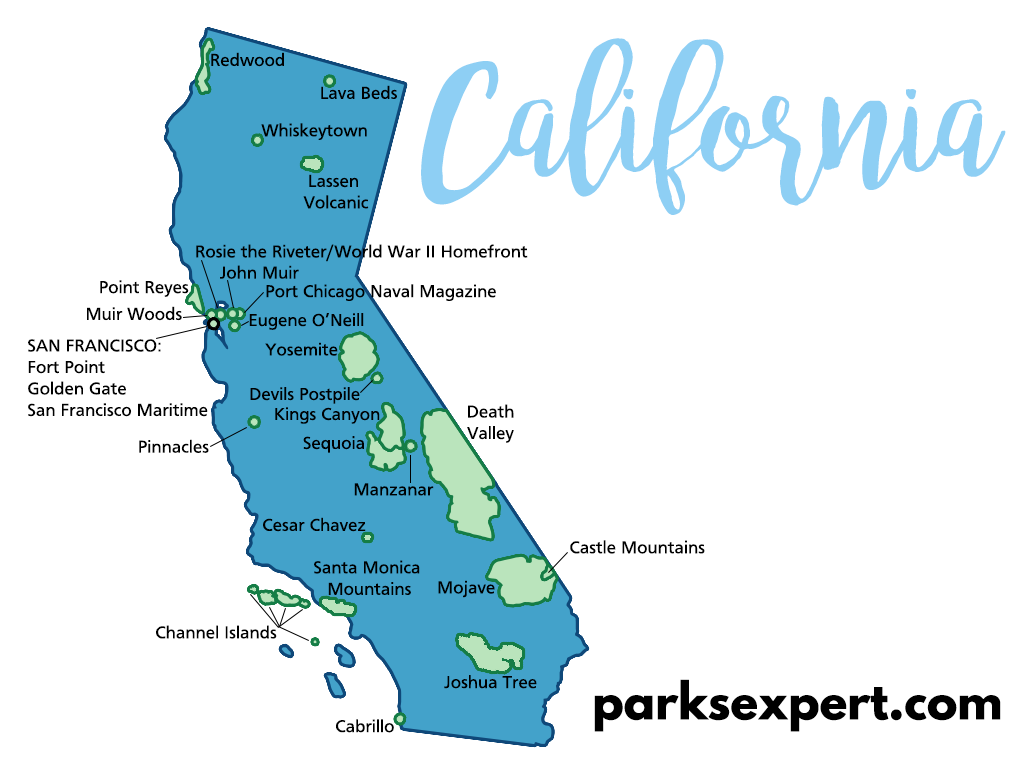
Where the Mojave Desert meets the Colorado Desert, Joshua Tree National Park is celebrated for its whimsical Joshua trees, unique rock formations, and incredible stargazing opportunities. It’s a haven for rock climbers, hikers, and photographers. The park’s distinct landscape offers an otherworldly escape, particularly popular during cooler months.
Sequoia and Kings Canyon National Parks
Often considered conjoined twins, Sequoia National Park and Kings Canyon National Park protect groves of giant sequoia trees, including the magnificent General Sherman Tree, the world’s largest tree by volume. Beyond the giants, these parks encompass rugged High Sierra backcountry, deep canyons, and Mount Whitney, the highest peak in the contiguous United States. Opportunities for hiking, backpacking, and forest immersion abound here.
Redwood National and State Parks
Located along California’s remote northern coast, Redwood National and State Parks are home to the tallest trees on Earth, the coast redwoods. Walking among these ancient giants is a humbling and awe-inspiring experience. The parks also protect diverse ecosystems, including prairies, oak woodlands, wild rivers, and rugged coastline, offering a different kind of forest adventure.
Charting Your California National Park Journey
Planning a trip to California’s National Parks requires strategic thought, especially given their diverse locations and characteristics.
Best Time to Visit
The ideal time to visit largely depends on the specific park and desired activities.
- Spring (April-May): Excellent for most parks, with wildflowers blooming in deserts and waterfalls flowing strong in Yosemite and the Sierra Nevada.
- Summer (June-August): Popular for high-elevation hiking in Yosemite, Sequoia, and Kings Canyon. Desert parks (Death Valley, Joshua Tree) are extremely hot.
- Fall (September-October): Pleasant temperatures across many parks, with fewer crowds and vibrant autumn foliage in some areas.
- Winter (November-March): Ideal for visiting desert parks. Sierra Nevada parks often see snow, offering opportunities for winter sports but limiting road access. Channel Islands and Redwood are generally accessible year-round, though weather can be unpredictable.
Essential Planning Tips
- Reservations: Many popular parks, especially Yosemite, require timed entry reservations during peak seasons. Lodging and campgrounds inside the parks book up months in advance.
- America the Beautiful Pass: If visiting multiple parks, consider purchasing this annual pass, which covers entry fees for federal recreation sites.
- Safety First: Be prepared for varying weather conditions, bring plenty of water, and be aware of wildlife. Inform someone of your hiking plans, especially in remote areas.
- Leave No Trace: Practice responsible tourism by packing out everything you pack in, staying on marked trails, and respecting wildlife.
Exploring Beyond the Icons: Lesser-Known Wonders
While the more famous parks often steal the spotlight, California’s lesser-visited National Parks offer equally profound and often more tranquil experiences.
Channel Islands National Park
Known as North America’s Galapagos, Channel Islands National Park comprises five remarkable islands off the coast of Southern California. Accessible only by ferry or plane, these islands are a haven for unique endemic species, marine life, and incredible sea caves perfect for kayaking. It’s an ideal destination for those seeking solitude and a truly immersive wild experience.
Lassen Volcanic National Park
A hidden gem in northern California, Lassen Volcanic National Park is one of the few places in the world where all four types of volcanoes can be found. Steaming fumaroles, boiling mud pots, and clear mountain lakes characterize this dynamic landscape. It’s a less crowded alternative to more famous parks, offering excellent hiking, backcountry camping, and a chance to witness active hydrothermal features.

Pinnacles National Park
Designated a National Park in 2013, Pinnacles National Park showcases dramatic volcanic rock formations, talus caves, and a rich biodiversity, including a successful California Condor reintroduction program. Hikers can explore challenging trails through the pinnacles, while birdwatchers can spot rare raptors. Its unique geology offers a distinct experience compared to the state’s other parks.
California’s nine National Parks collectively form an unparalleled legacy of natural preservation and offer an inexhaustible source of adventure and discovery. Each visit contributes to a deeper appreciation for the planet’s intricate ecosystems and the enduring beauty of wild places. Planning a journey through these diverse landscapes promises not just a trip, but a transformative travel experience.
LifeOutOfTheBox is a participant in the Amazon Services LLC Associates Program, an affiliate advertising program designed to provide a means for sites to earn advertising fees by advertising and linking to Amazon.com. Amazon, the Amazon logo, AmazonSupply, and the AmazonSupply logo are trademarks of Amazon.com, Inc. or its affiliates. As an Amazon Associate we earn affiliate commissions from qualifying purchases.