
Florida’s unique climate presents a distinct set of challenges and opportunities for luxury vehicle owners. The pervasive humidity, intense sun, frequent rain showers, and the ever-present threat of salt air demand a careful consideration of materials, technology, and design when selecting a high-end automobile. For those navigating the sun-drenched highways and coastal byways of the Sunshine State, a luxury car isn’t just a mode of transport; it’s an extension of their lifestyle, and its resilience against the elements is paramount. This exploration delves into the luxury car segments and specific features that truly excel under the demanding conditions of Florida’s weather.
The Reign of Convertibles and Open-Top Cruising
Florida is practically synonymous with convertible driving. The ability to retract the roof and bask in the warm air, feel the gentle ocean breeze, and enjoy the vibrant scenery is an unparalleled experience. However, this enjoyment is intrinsically linked to the car’s ability to withstand the sun’s harsh UV rays and occasional downpours.
Material Durability and Sun Protection
The soft tops of convertibles, while often aesthetically pleasing, can be susceptible to fading, cracking, and mildew in prolonged sun and humidity. Luxury manufacturers have responded with advanced multi-layer fabrics designed for exceptional UV resistance and water repellency. These materials are engineered to maintain their color and structural integrity even after years of exposure to the Florida sun.
For hardtop convertibles, the focus shifts to the paintwork and seals. High-quality, multi-stage paint finishes with robust clear coats are essential to prevent oxidation and maintain a deep, lustrous shine. The sealing mechanisms around the retractable roof are critical. Premium brands invest heavily in advanced gasket technology and precise engineering to ensure that even during the heaviest tropical downpours, not a single drop of water enters the meticulously crafted interior.
Interior Comfort and Climate Control
While the allure is the open air, a luxury convertible must also offer a sanctuary when the elements turn less hospitable. Powerful and responsive climate control systems are a non-negotiable feature. These systems must be capable of rapidly cooling the cabin after prolonged sun exposure and effectively de-fogging the windshield during humid conditions or after a sudden rain shower.
For those who enjoy driving with the top down, heated and ventilated seats become surprisingly useful. On cooler Florida evenings or during a brisk coastal drive, heated seats offer comfort, while ventilated seats can mitigate the feeling of stickiness that the humidity can induce, even with the wind.
The Ascendancy of SUVs and Elevated Driving
In Florida, the appeal of SUVs extends beyond their practicality. Their elevated driving position offers a commanding view of the road, which is particularly beneficial during heavy rain when visibility can be compromised. Furthermore, their robust construction and often all-wheel-drive capabilities provide a sense of security and confidence, especially when navigating flooded streets or unpaved paths after a storm.
Advanced Drivetrain Technology for Varied Conditions
While Florida is not known for extreme off-roading, its weather can create challenging driving scenarios. Sophisticated all-wheel-drive (AWD) or four-wheel-drive (4WD) systems are highly advantageous. These systems can intelligently distribute power to the wheels with the most grip, offering superior stability and traction during sudden downpours, on slick roads, or even on sandy surfaces near the coast.
For luxury SUVs, this often translates to advanced adaptive systems that can automatically adjust torque distribution based on road conditions. Features like hill descent control and various terrain modes, while seemingly less critical in Florida than in mountainous regions, can still prove invaluable after heavy rainfall has created slippery inclines or uneven surfaces.
Interior Craftsmanship and Material Resilience
The interiors of luxury SUVs are often appointed with the finest materials. In Florida’s climate, the choice of leather and wood finishes is crucial. High-quality, treated leathers are far more resistant to cracking and fading from the sun. Furthermore, advanced UV-filtering window tints, often standard on many luxury models, play a vital role in protecting both the interior materials and occupants from the sun’s damaging rays.
The integration of advanced air filtration systems is also a significant benefit. These systems help to remove humidity, allergens, and the salty air that can permeate vehicles in coastal areas, ensuring a consistently fresh and clean cabin environment.
Sedans and Coupes: Sophistication Meets Resilience
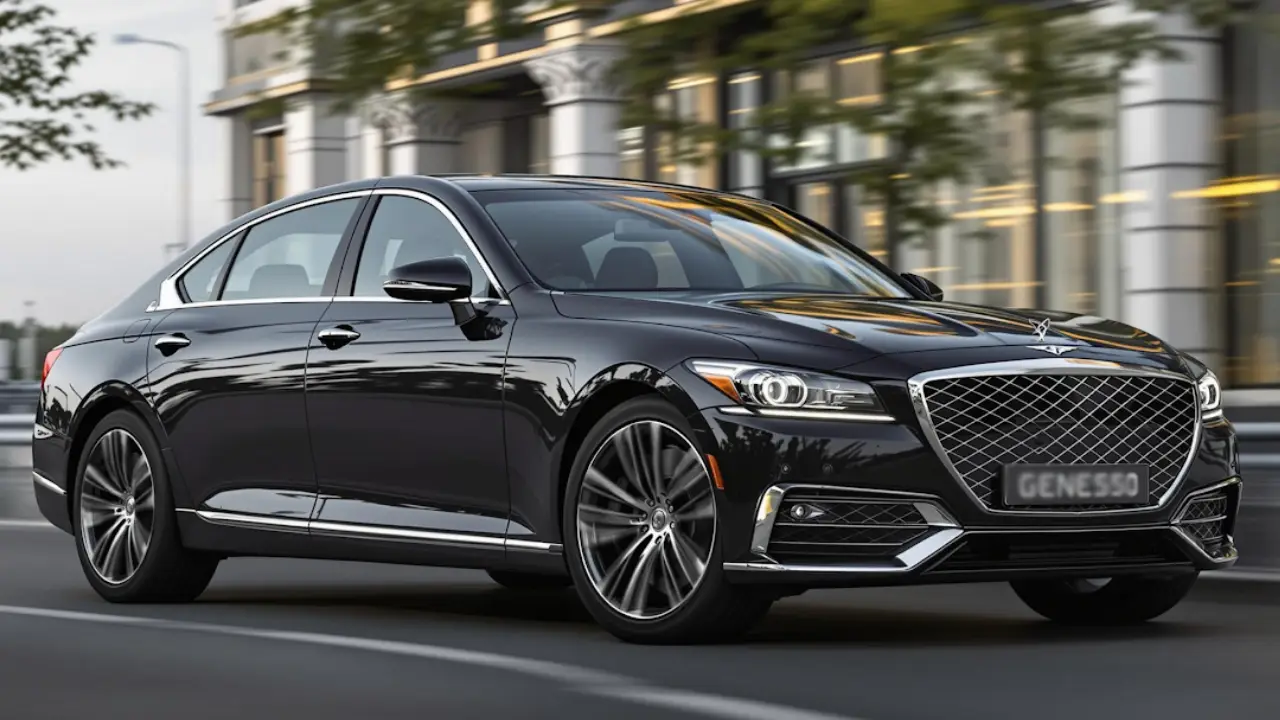
While convertibles and SUVs often steal the spotlight for Florida driving, luxury sedans and coupes also hold significant appeal. Their sleek designs and refined driving dynamics are perfect for cruising along scenic routes or navigating urban environments. However, their lower profiles and enclosed nature mean that interior comfort and protection from the elements are paramount.
Advanced Climate Control and Air Filtration
For sedans and coupes, the climate control system is the first line of defense against Florida’s weather. Multi-zone automatic climate control ensures that all occupants can maintain their preferred temperature, a crucial feature given the rapid temperature fluctuations Florida can experience. Beyond temperature, advanced air filtration is essential to combat the humidity and the pervasive scent of salt air that can cling to vehicles in coastal cities like Miami or Fort Lauderdale.
Many luxury sedans and coupes now feature advanced HEPA filters and ionizers that actively purify the cabin air, removing moisture, allergens, and odors, creating a consistently comfortable and pleasant atmosphere.
Material Science for Interior Longevity
The choice of interior materials in luxury sedans and coupes is critical for long-term resilience. High-quality, premium leathers are chosen not only for their feel and appearance but also for their durability against sun exposure. Many manufacturers offer options with specialized UV coatings that significantly reduce the risk of fading and cracking.
Similarly, the wood, metal, or carbon fiber trim accents are treated with protective finishes that resist discoloration and degradation from humidity and sunlight. The integration of advanced infotainment systems, while not directly related to weather, also benefits from the protective environment provided by these sophisticated climate control and material choices, ensuring their longevity and optimal performance.
The Importance of Protective Features
Beyond the inherent design and material choices, several specific features significantly enhance a luxury car’s suitability for Florida’s climate. These technologies act as a shield, protecting both the vehicle and its occupants.
Advanced Paint Protection and Ceramic Coatings
Florida’s intense sun and salt-laden air can take a toll on a vehicle’s exterior. High-quality paint finishes are a given in the luxury segment, but many owners opt for aftermarket or factory-applied ceramic coatings. These clear, liquid polymer coatings bond to the factory paint, creating an incredibly durable, hydrophobic layer that provides superior protection against UV rays, chemical stains, bird droppings, and the corrosive effects of salt spray. This not only preserves the car’s aesthetic appeal but also significantly extends the life of the paintwork.
High-Performance Tires for Wet and Dry Conditions
While Florida may not present icy roads, its frequent and often intense rainfall necessitates tires that can perform exceptionally well in wet conditions. Luxury cars often come equipped with high-performance tires that offer a balance of dry grip, handling precision, and, critically, excellent water displacement capabilities. Features like deep, wide grooves and specialized tread compounds help to channel water away from the contact patch, reducing the risk of hydroplaning and ensuring confident braking and cornering, even on slick surfaces.
Advanced Driver-Assistance Systems (ADAS) for Visibility and Safety
The unpredictable nature of Florida’s weather, from sudden squalls to blinding sun glare, makes advanced driver-assistance systems (ADAS) invaluable. Features like adaptive cruise control, lane-keeping assist, and automatic emergency braking enhance safety by compensating for reduced visibility and driver fatigue.
Surround-view camera systems and parking sensors are particularly useful when navigating tight spaces in heavy rain or during periods of low light. These technologies provide drivers with a comprehensive view of their surroundings, mitigating the risks associated with obscured vision and contributing to a more secure driving experience across the diverse conditions encountered in Florida.
In conclusion, selecting a luxury car that excels in Florida’s weather involves a multifaceted approach, considering not just aesthetics and performance but also the resilience of materials, the sophistication of climate control, and the integration of protective technologies. Whether embracing the open-air freedom of a convertible, the commanding presence of an SUV, or the refined elegance of a sedan, understanding these key factors ensures that a luxury vehicle remains a source of pleasure and reliability, season after season, under the Florida sun and beyond.
LifeOutOfTheBox is a participant in the Amazon Services LLC Associates Program, an affiliate advertising program designed to provide a means for sites to earn advertising fees by advertising and linking to Amazon.com. Amazon, the Amazon logo, AmazonSupply, and the AmazonSupply logo are trademarks of Amazon.com, Inc. or its affiliates. As an Amazon Associate we earn affiliate commissions from qualifying purchases.