
New York City, a metropolis that never truly sleeps, operates on its own distinct rhythm. Understanding the local time is not merely a matter of curiosity but a fundamental aspect of planning any visit, whether for leisure, business, or a fleeting encounter with its iconic landmarks. This guide delves into the temporal nuances of New York, offering insights for travelers seeking to navigate the city’s demanding schedule and maximize their experiences.
Understanding Eastern Standard Time
New York City observes Eastern Standard Time (EST), which is Coordinated Universal Time (UTC) minus five hours (UTC-5). During the warmer months, from the second Sunday in March to the first Sunday in November, the city transitions to Eastern Daylight Time (EDT), which is UTC minus four hours (UTC-4). This seasonal shift, commonly known as daylight saving time, is a crucial detail for anyone coordinating schedules or looking to make the most of the extended daylight hours for sightseeing.

The Significance of Daylight Saving Time
The shift to EDT is particularly impactful for visitors. It means that on a typical summer day, sunset occurs later, offering more opportunities for evening activities, such as catching a Broadway show, enjoying dinner in Greenwich Village, or taking a leisurely stroll through Central Park as dusk settles. For those arriving from different time zones, understanding this shift can help mitigate jet lag and ensure that early morning appointments or evening reservations are made with accurate temporal awareness. The dates for the change are standardized across the United States, but it’s always wise to confirm the exact dates if your travel plans fall close to these transition periods.
Navigating Time Zone Differences
When planning a trip to New York, comparing the local time to your departure city’s time is paramount. For instance, if you are traveling from London, which observes Greenwich Mean Time (GMT) or British Summer Time (BST), there is a five-hour difference during EST and a six-hour difference during EDT. Travelers from the West Coast of the United States, observing Pacific Standard Time (PST) or Pacific Daylight Time (PDT), will find a three-hour difference. Proactive planning involving time zone calculations can prevent missed flights, important meetings, or the frustrating realization that you’ve arrived too early or too late for a pre-booked tour of the Empire State Building.
Planning Your New York Itinerary Around the Clock
The 24/7 nature of New York means that activities and attractions are available at varied times, catering to every conceivable schedule. Understanding the local time allows for strategic planning, enabling visitors to experience the city’s diverse offerings efficiently.
Morning Adventures and Early Risers
New York awakens early, particularly in bustling neighborhoods like the Financial District or Midtown Manhattan. For the early riser, witnessing the city’s transformation from dawn to day offers a unique perspective. Many delis and coffee shops open by 6:00 AM, providing fuel for an early start. A sunrise visit to Times Square before the crowds descend, or a quiet walk across the Brooklyn Bridge with the Manhattan skyline bathed in morning light, are experiences best enjoyed in the early hours. Many museums also offer early access or special hours for certain exhibits, rewarding those who are time-attuned.
Midday Exploration and Iconic Landmarks

The peak hours for most tourist attractions fall between late morning and mid-afternoon. This is the prime time to visit major landmarks such as the Statue of Liberty and Ellis Island, ascend to observation decks like Top of the Rock or One World Observatory, or explore the vast halls of the Metropolitan Museum of Art. Booking tickets in advance for these popular sites is highly recommended to avoid lengthy queues, especially during midday. Factor in travel time between destinations, as navigating the city’s extensive subway system or utilizing taxi services can add to your journey.
Evening Entertainment and Nightlife
As the sun sets, New York transforms into a dazzling spectacle of lights and sound. The city’s renowned theater district comes alive, with curtain times for Broadway shows typically ranging from 7:00 PM to 8:00 PM. Rooftop bars and restaurants offer stunning nighttime vistas, and many world-class dining establishments serve patrons well into the night. For those interested in experiencing the city’s vibrant nightlife, venues in areas like the Lower East Side or Meatpacking District often start buzzing after 10:00 PM. Remember that many kitchens in popular restaurants may close around 10:30 PM or 11:00 PM, so late-night dining often involves establishments with extended hours or specific late-night menus.
Practical Tips for Time Management in New York
Effective time management is key to experiencing the richness of New York without feeling rushed or overwhelmed. Beyond simply knowing the time, understanding the city’s pace and planning accordingly will significantly enhance your visit.
Utilizing Public Transportation Schedules
The New York City Subway is a lifeline for millions and an essential tool for tourists. While the subway runs 24/7, service frequency varies throughout the day and night. During peak commuting hours (roughly 7:00 AM to 9:30 AM and 4:00 PM to 7:00 PM on weekdays), trains are most frequent but also most crowded. Off-peak hours, late nights, and weekends see reduced service. Consulting the subway map and real-time service alerts is indispensable for efficient travel. Similarly, bus schedules and ferry services have their own operational times that are crucial for planning trips to locations like Governors Island or across the East River.
Booking and Reservations
Whether it’s a coveted restaurant reservation, tickets to a Broadway show, or a specialized tour, booking in advance is often non-negotiable in New York. Popular restaurants, especially those with Michelin stars or celebrity chefs, can be booked weeks or even months ahead. Shows on Broadway also require advance booking, particularly for hit productions. Many museums offer timed-entry tickets, which help manage crowd flow and ensure a smoother experience. Always double-check the booking confirmation for exact times and any specific arrival instructions. Arriving fashionably late is generally not advised for most New York engagements.
Adapting to Local Rhythms
New York is a city of diverse neighborhoods, each with its own character and pace. While Manhattan often feels relentlessly fast-paced, exploring other boroughs like Brooklyn, Queens, the Bronx, or Staten Island can offer a slightly different tempo. Understanding when locals engage in certain activities – for example, brunch is a popular weekend ritual from 10:00 AM to 2:00 PM – can help you either join in or strategically avoid the busiest times. Observing the flow of people and the opening and closing times of local businesses will provide an intuitive understanding of the city’s temporal landscape.
The Enduring Allure of New York Time
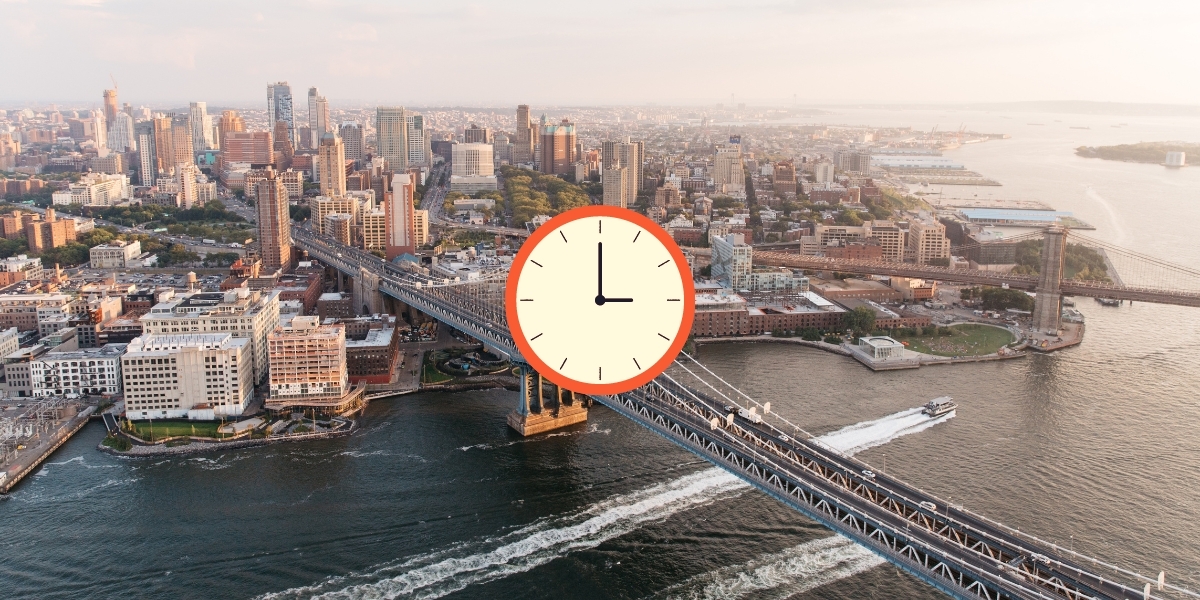
The question “What time is it now in New York?” transcends a simple factual inquiry. It represents an entry point into understanding the pulse of a city that shapes global trends and captivates imaginations worldwide. From the earliest rays of dawn illuminating the Chrysler Building to the late-night glow of the Manhattan skyline, every moment in New York offers a unique opportunity. By mastering the city’s temporal nuances, travelers can unlock its full potential, creating memories that resonate long after their visit. Whether you’re setting your watch for a meeting at Wall Street, a tour of Rockefeller Center, or simply savoring a bagel by the Hudson River, knowing the time is your first step to truly experiencing the magic of New York.
LifeOutOfTheBox is a participant in the Amazon Services LLC Associates Program, an affiliate advertising program designed to provide a means for sites to earn advertising fees by advertising and linking to Amazon.com. Amazon, the Amazon logo, AmazonSupply, and the AmazonSupply logo are trademarks of Amazon.com, Inc. or its affiliates. As an Amazon Associate we earn affiliate commissions from qualifying purchases.