
The query “What Time Is The Florida Houston Game?” immediately signals a keen interest in sporting events, specifically those involving [Florida] and [Houston]. While seemingly straightforward, this question often arises within a broader context of travel planning, fan engagement, and understanding the logistics of attending or following major sporting events. For the avid sports enthusiast or the casual traveler looking to integrate a game into their itinerary, knowing the precise kickoff or tip-off time is paramount. This article delves into the nuances of tracking game times, particularly when [Florida] and [Houston] are involved, and how this information intersects with the world of tourism and travel.
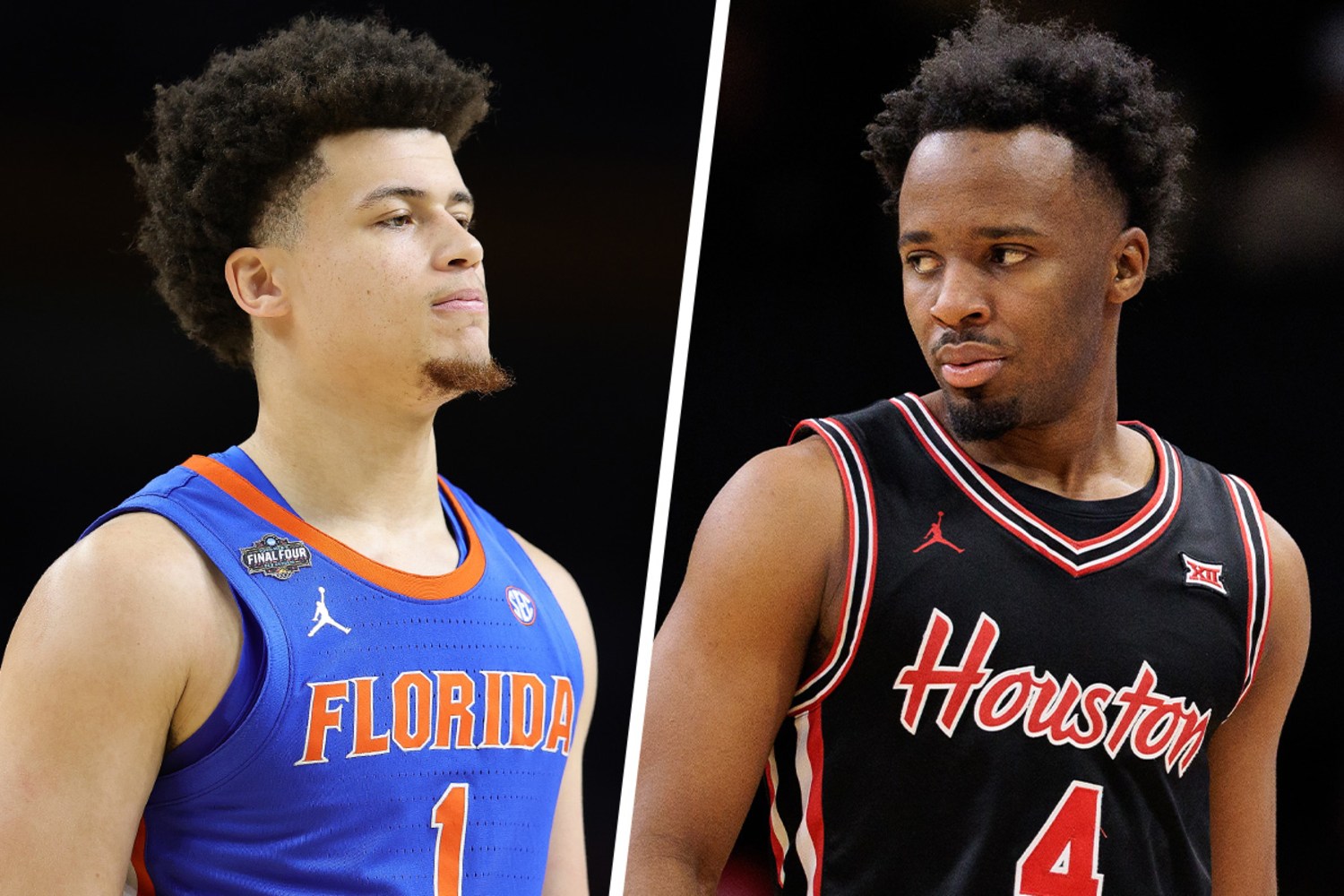
Navigating the Sports Calendar for Florida vs. Houston
When two prominent entities like [Florida] (often referring to its collegiate or professional sports teams) and [Houston] (similarly, its teams) are set to compete, the anticipation builds significantly. The precise timing of such a matchup is crucial for a multitude of reasons, extending far beyond the game itself. For fans traveling to witness the event, it dictates flight schedules, hotel bookings, and pre-game activities. For those planning a [Florida]-based vacation or a trip to [Houston], it can be a deciding factor in their travel dates.
Understanding Game Scheduling Factors
The scheduling of collegiate and professional sports games is a complex affair, influenced by various factors:
- League Broadcast Rights: Television networks often have significant sway in determining game times to maximize viewership. Prime time slots are highly sought after for marquee matchups.
- Team Schedules and Travel: The overall season schedule, including bye weeks and travel distances between away games, plays a role. Teams need to balance competitive demands with player recovery.
- Venue Availability: Stadium and arena availability is a major consideration. These venues host a multitude of events, from other sporting contests to concerts and special gatherings, requiring careful coordination.
- Day of the Week: Weekend games are common for college sports and professional leagues like the [NFL] or [MLB], while weekday evenings are typical for [NBA] or [NHL] games.
- Conference/League Policies: Specific leagues or conferences may have established rules regarding game start times, particularly for divisional rivalries or championship events.
When [Florida] and [Houston] teams are involved, the specific league dictates the initial scheduling parameters. For instance, if it’s a [University of Florida Gators] football game against a [University of Houston Cougars] counterpart, the [NCAA] football schedule, influenced by [ESPN] or [FOX] broadcast decisions, will be the primary driver. If it’s a professional matchup, such as the [Houston Rockets] versus a [Miami Heat] or [Orlando Magic] team, the [NBA] schedule and its broadcast partners will be the governing forces.
Locating Official Game Time Information
For definitive game times, several reliable sources are indispensable:
- Official League Websites: The primary source for accurate schedules is the official website of the league or governing body. For college football, this might be the [SEC] (Southeastern Conference) or [The American Athletic Conference] website. For professional sports, it would be the [NFL], [NBA], or [MLB] sites.
- Team Official Websites: Individual team websites often provide detailed schedules and game information, including broadcast channels and local times.
- Sports News Outlets: Reputable sports media platforms like [ESPN], [CBS Sports], or [Bleacher Report] offer comprehensive schedules, often with integrated game time updates and betting lines.
- Ticketing Platforms: If planning to attend the game, ticketing websites such as [Ticketmaster] or [SeatGeek] will display the scheduled game time prominently.
- Sports Apps and Mobile Devices: Many sports enthusiasts utilize dedicated apps that provide real-time scores, schedules, and notifications, ensuring they never miss a game.
The Traveler’s Perspective: Integrating Game Times into Trips
For travelers, understanding the game time is not just about when to tune in; it’s about orchestrating an entire travel experience. A significant football game between a [Florida] team and a [Houston] team can become the centerpiece of a weekend getaway or a longer vacation.

Planning a Trip to a Florida vs. Houston Game
Imagine planning a trip to see the [Florida Gators] play in [Gainesville] against a visiting team from [Houston], or vice-versa. The game time dictates:
- Arrival and Departure: Knowing the game time allows for precise booking of flights into nearby airports like [Gainesville Regional Airport] or [William P. Hobby Airport] in [Houston]. It also informs the decision on whether to depart on game day or the following day.
- Accommodation Needs: If the game is an evening affair, fans might opt for a hotel near the stadium or arena, such as the [Hilton University of Florida Conference Center Gainesville] or a hotel in downtown [Houston] near the [Toyota Center]. A daytime game might allow for exploring the city beforehand and heading to the venue later.
- Pre- and Post-Game Activities: Game time influences the planning of tailgating, restaurant reservations, and visiting local attractions. A midday game might allow for a leisurely brunch and a post-game dinner. An afternoon game could be preceded by a visit to a local landmark or a themed sports bar.
Experiencing Florida or Houston as a Tourist
Conversely, a traveler might be visiting [Florida] or [Houston] for reasons unrelated to a specific game, but learns of a [Florida] vs. [Houston] matchup during their stay. In such instances, the game time becomes a potential spontaneous activity.
- Spontaneous Attendance: Discovering a game during a vacation can lead to an impromptu decision to attend. This requires checking ticket availability and understanding the travel time to the venue from the tourist’s accommodation.
- Local Atmosphere: Even if not attending the game, understanding its timing can enhance the tourist experience. Bars and restaurants around the stadium or in the city’s entertainment districts will likely be buzzing with fans. Experiencing this local fervor can be a significant part of the tourism appeal.
- Impact on Other Attractions: A major game can draw large crowds, potentially affecting traffic and the availability of other attractions. Knowing the game time helps in planning visits to popular tourist spots, such as [Minute Maid Park] or the [Kennedy Space Center Visitor Complex], to avoid peak congestion.
Beyond the Game Time: Enhancing the Experience
While the precise time is the initial query, a truly fulfilling experience involves more than just knowing when the ball is kicked or thrown. For fans and travelers alike, embracing the full spectrum of the event and its location amplifies the enjoyment.
Exploring Florida’s Sporting Culture
[Florida] is a powerhouse in collegiate and professional sports. Beyond the [University of Florida Gators] and the [Southeastern Conference], there are numerous other collegiate teams, from the [Florida State University Seminoles] to the [University of Miami Hurricanes]. In professional sports, cities like [Miami], [Orlando], and [Tampa] host teams across the [NFL], [NBA], [MLB], and [NHL]. Attending a game in [Florida] often means experiencing passionate fan bases, vibrant tailgating traditions (especially in football), and often, pleasant weather, making it an attractive destination for sports tourism year-round. Visitors might find themselves exploring the [Amway Center] in [Orlando] for an [Orlando Magic] game, or the [Raymond James Stadium] in [Tampa] for a [Tampa Bay Buccaneers] matchup, each offering a unique regional flavor.Discovering Houston’s Sporting Landscape
[Houston], Texas, also boasts a rich and diverse sporting culture. Home to the [Houston Texans] in the [NFL], the [Houston Astros] in [MLB], and the [Houston Rockets] in the [NBA], the city offers year-round professional sports action. The [Minute Maid Park], home of the [Astros], is renowned for its retractable roof and the iconic train that runs through the outfield. The [NRG Stadium], where the [Texans] play, is a marvel of modern architecture and a hub for major sporting events. Beyond professional sports, [Houston] also hosts significant collegiate sporting events, adding another layer to its athletic appeal. The city’s vibrant food scene and numerous cultural attractions, from the [Space Center Houston] to the [Museum District], provide ample opportunities to explore outside of game time.
The Convergence of Sport and Tourism
The intersection of major sporting events and tourism is a significant driver of economic activity. When a high-profile game like a [Florida] versus [Houston] matchup is scheduled, it draws fans from across the country, often leading to increased demand for hotels, restaurants, and local attractions. This phenomenon benefits cities by boosting local economies and promoting their unique cultural offerings. For travelers, it presents an opportunity to experience a city through the lens of its sporting passion, often uncovering hidden gems and local favorites they might otherwise miss. The planning process, starting with a simple question about game time, can thus unfold into a comprehensive travel adventure, blending athletic excitement with cultural exploration.
LifeOutOfTheBox is a participant in the Amazon Services LLC Associates Program, an affiliate advertising program designed to provide a means for sites to earn advertising fees by advertising and linking to Amazon.com. Amazon, the Amazon logo, AmazonSupply, and the AmazonSupply logo are trademarks of Amazon.com, Inc. or its affiliates. As an Amazon Associate we earn affiliate commissions from qualifying purchases.