
Understanding the tax landscape in Florida is crucial for both residents and businesses, especially as the calendar year turns. While “When Are Taxes Due In Florida 2025?” might initially sound like a purely financial inquiry, for many individuals and entities operating within the tourism and hospitality sectors of the Sunshine State, this question directly impacts their lifestyle and operational planning. This article delves into the key tax deadlines for Florida in 2025, focusing on those most relevant to individuals and businesses engaged in tourism, travel, and accommodation.
Florida State Income Tax: A Unique Landscape
One of the most significant aspects of Florida’s tax structure is its absence of a state income tax for individuals. This is a major draw for residents and a significant factor for those considering relocating to the state, impacting their overall lifestyle and disposable income. For tourists and visitors, this means more of their hard-earned money remains with them to spend on experiences, dining, and accommodation within Florida. This policy has undoubtedly contributed to the state’s robust tourism industry.
However, while individuals are spared this particular tax, businesses operating within the state, including those in the hospitality sector, are subject to various other tax obligations. Understanding these deadlines is paramount for smooth operations and avoiding penalties.
Corporate Income Tax
For businesses operating in Florida, including those that are part of the vast tourism and hospitality ecosystem, corporate income tax is a key consideration. The Florida corporate income tax is levied on net income. The annual tax return for these corporations is typically due on the 1st day of the fifth month following the close of the taxable year. For calendar-year taxpayers, this translates to May 1, 2025.
Estimated tax payments are also a critical component of corporate tax compliance. These are generally due on the 15th day of the fourth, sixth, ninth, and twelfth months of the taxable year. For calendar-year taxpayers, these would fall on:
- April 15, 2025
- June 15, 2025
- September 15, 2025
- December 15, 2025
These estimated tax payments are designed to ensure that taxpayers are paying their tax liability throughout the year, rather than facing a large lump sum at year-end. For hotels, resorts, tour operators, and other tourism-related businesses, timely payment of these estimated taxes is essential for cash flow management.
Sales and Use Tax: The Lifeblood of Florida Tourism Revenue
Perhaps the most impactful tax for tourists and the businesses that serve them in Florida is the Sales and Use Tax. This tax is levied on the sale of tangible personal property and certain services. For the tourism industry, this includes everything from hotel room charges and theme park tickets to souvenirs and restaurant meals. Understanding the filing deadlines for this tax is critical for businesses.
Monthly and Quarterly Filers
The Florida Department of Revenue requires businesses to remit sales and use tax on a monthly or quarterly basis, depending on their tax liability.
-
Monthly Filers: Businesses whose total tax liability for a prior period (typically the previous calendar year) exceeded a certain threshold are required to file and remit sales and use tax monthly. The return and payment are due on the 1st day of the month following the reporting period. This means that for the month of January 2025, the filing deadline would be February 1, 2025. Similarly, the deadline for February 2025’s sales would be March 1, 2025, and so on.
-
Quarterly Filers: Businesses whose tax liability falls below the monthly filing threshold are generally permitted to file quarterly. The return and payment are due on the 1st day of the month following the close of the reporting period. For a calendar-year filer, the quarterly deadlines for 2025 would be:
- January 1, 2025 (for the period October 1, 2024 – December 31, 2024)
- April 1, 2025 (for the period January 1, 2025 – March 31, 2025)
- July 1, 2025 (for the period April 1, 2025 – June 30, 2025)
- October 1, 2025 (for the period July 1, 2025 – September 30, 2025)
The sales and use tax is a significant revenue source for Florida, funding essential public services, including infrastructure improvements, education, and the operation of state parks and attractions. For hotels in Miami or Orlando, meticulous record-keeping and timely remittances are non-negotiable.
Special Considerations for Tourism Businesses

The dynamic nature of the tourism industry, with its seasonal fluctuations and varied service offerings, necessitates careful planning regarding sales and use tax. For businesses that operate across multiple locations, such as hotel chains or car rental agencies, ensuring accurate collection and reporting for each jurisdiction is paramount. The State of Florida has specific guidelines for businesses that rent tangible personal property, including vacation rentals and car rentals, which often have unique tax implications.
Property Taxes: A Localized Obligation
While state income tax is non-existent, property taxes are a fundamental part of the Florida tax system, though they are administered at the county and local levels rather than by the state. These taxes are levied on real estate and tangible personal property. For homeowners, vacation property owners, and businesses that own property, understanding the property tax calendar is essential.
Property Tax Assessment and Payment
-
Assessment: Property appraisers in each county are responsible for assessing the value of all taxable property within their jurisdiction. Property tax bills are typically based on assessments as of January 1st of each year.
-
Tax Bills: Property tax bills are generally mailed out in October of each year.
-
Payment Deadline: Property taxes in Florida are due by March 31st of the year following the mailing of the bill. For taxes related to the assessment as of January 1, 2025, the payment deadline would be March 31, 2026. However, property owners can often receive a discount for early payment. Discounts typically apply as follows:
- 4% discount if paid in November.
- 3% discount if paid in December.
- 2% discount if paid in January.
- 1% discount if paid in February.
- No discount is available if paid in March.
For those investing in vacation homes or rental properties in popular destinations like the Florida Keys or along the Gulf Coast, factoring in these property tax deadlines and potential early payment discounts is a key part of financial planning. The revenue generated from property taxes is vital for funding local services such as schools, law enforcement, and fire departments, which directly benefit residents and tourists alike.
Tangible Personal Property Tax
Beyond real estate, businesses are also subject to tangible personal property tax on items such as furniture, fixtures, machinery, and equipment. The assessment and filing deadlines for tangible personal property tax are closely aligned with property taxes. Businesses typically need to file a “Tangible Personal Property Tax Return” with the county property appraiser by April 1st each year. The tax itself becomes due and payable later, with a similar payment deadline to real estate property taxes, typically March 31st of the following year.
Other Important Tax Considerations for 2025
While sales, corporate income, and property taxes are the most significant for the tourism and hospitality sectors, there are other taxes and considerations that individuals and businesses should be aware of for 2025.
Tourist Development Tax (TDT)
Many counties in Florida impose a Tourist Development Tax, often referred to as a “bed tax.” This tax is levied on the rental of living quarters or sleeping accommodations rented for a period of six months or less. It is a crucial funding mechanism for promoting tourism and providing amenities for visitors. The filing and remittance deadlines for the TDT are generally set by each individual county but often mirror the state’s sales and use tax filing schedule, with monthly or quarterly remittances due on the 1st of the month following the reporting period. Businesses operating hotels and vacation rental properties must adhere to these county-specific TDT requirements.
Federal Taxes
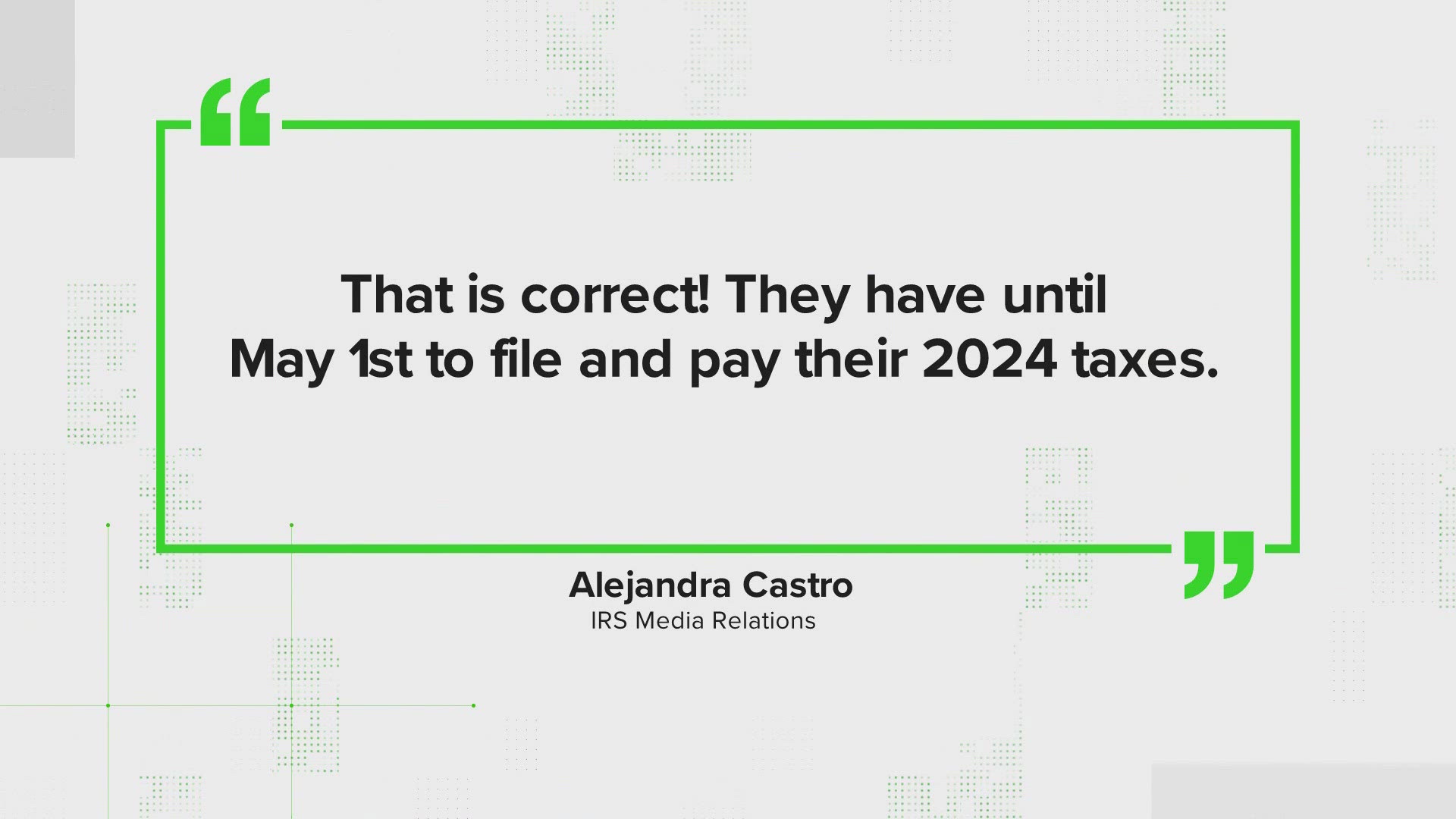
While this article focuses on Florida state and local taxes, it is imperative to remember that federal taxes, including federal income tax for individuals and corporations, and federal payroll taxes, have their own distinct deadlines. For most individuals and businesses, federal income tax returns are due on April 15th each year. For calendar-year taxpayers, this means April 15, 2025, for the 2024 tax year. Businesses also have federal estimated tax payment obligations that run parallel to their state estimated tax payments.
Seeking Professional Advice
The tax landscape can be complex, and staying abreast of all deadlines and requirements is a significant undertaking. For individuals and businesses involved in Florida’s vibrant tourism industry, particularly those managing hotels, resorts, vacation rentals, or offering travel experiences, consulting with a qualified tax professional is highly recommended. A tax advisor can provide personalized guidance, ensure compliance, and help identify potential tax-saving opportunities, allowing more resources to be directed towards enhancing the guest experience and contributing to the overall appeal of Florida as a premier travel destination.
By understanding and adhering to these 2025 tax deadlines, individuals and businesses can navigate Florida’s financial framework with confidence, ensuring their operations remain smooth and their contributions to the state’s economic prosperity are maximized.
LifeOutOfTheBox is a participant in the Amazon Services LLC Associates Program, an affiliate advertising program designed to provide a means for sites to earn advertising fees by advertising and linking to Amazon.com. Amazon, the Amazon logo, AmazonSupply, and the AmazonSupply logo are trademarks of Amazon.com, Inc. or its affiliates. As an Amazon Associate we earn affiliate commissions from qualifying purchases.