
The journey between Boston and New York City is one of the most frequently traveled air routes in the United States. Often dubbed a “shuttle” route due to its high frequency and relatively short duration, understanding the precise flight time and the broader travel implications is crucial for planning any trip, whether for business or leisure. While the aerial distance is a mere 190 miles, the actual time spent from takeoff to landing is surprisingly brief, yet the overall travel experience encompasses much more than just the minutes in the sky.
The Swift Aerial Commute: What to Expect In-Air
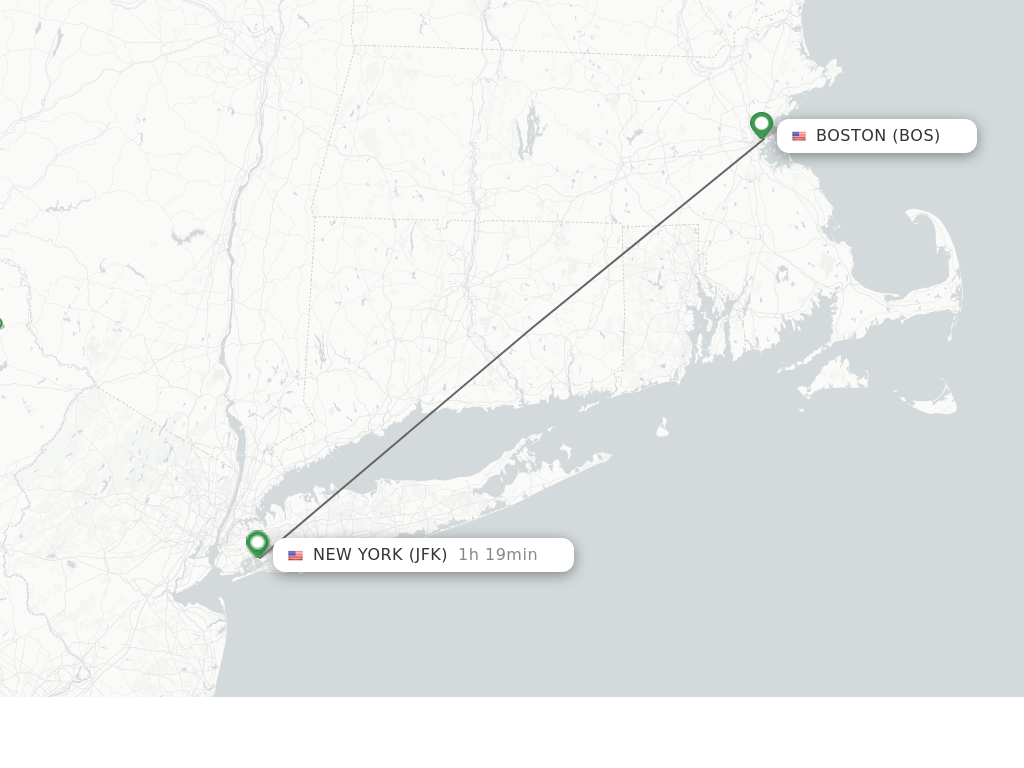
For travelers considering air travel between these two iconic East Coast metropolises, the in-air flight duration is remarkably short. Typically, a direct flight from Boston Logan International Airport (BOS) to one of New York City’s major airports averages between 45 minutes to 1 hour and 15 minutes. This airborne segment is one of the shortest commercial flights available within the continental U.S..
However, it’s vital to differentiate between “in-air” flight time and “block” flight time. The block time, which is what airlines typically quote, includes taxiing from the gate to the runway for takeoff and from the runway to the gate upon landing. Given the often-congested airspace and ground operations at both Boston and New York airports, taxiing can add a significant 15 to 30 minutes to the overall block time. Therefore, while you might be airborne for less than an hour, the quoted flight time on your ticket could be closer to 1 hour and 30 minutes. Factors like air traffic control delays, prevailing winds, and the specific flight path can also marginally influence the actual duration. Regardless, the brevity of the flight itself makes it an attractive option for those prioritizing speed in the air.
Crucial Gateways: Airports and Airlines on the BOS-NYC Route
The efficiency of this route is heavily dependent on the robust infrastructure of the airports and the frequency of service offered by various airlines. Understanding which airports serve the route and which carriers operate on it is key to planning a seamless journey.
Departing from Boston: Logan International Airport (BOS)
Boston Logan International Airport (BOS) is New England’s largest transportation center and a primary hub for travel to and from Boston. Located just three miles northeast of downtown Boston, it’s relatively convenient to access via the MBTA’s Blue Line subway, Logan Express bus service, or ride-sharing options. Logan offers numerous daily flights to New York City, making it simple to find a departure time that suits your schedule. Its multiple terminals and extensive amenities ensure a smooth pre-flight experience, provided you arrive with ample time for check-in and security.
Arriving in New York City: A Trio of Options
New York City is served by three major international airports, each offering distinct advantages depending on your final destination within the metropolitan area.
- John F. Kennedy International Airport (JFK): Located in Queens, JFK is the busiest of NYC’s airports and a major international gateway. While it offers extensive flight options, its distance from Manhattan means ground transportation can be lengthy, often adding an hour or more to your total travel time via subway/AirTrain or taxi.
- LaGuardia Airport (LGA): Also in Queens, LGA is the closest airport to Midtown Manhattan and is primarily focused on domestic travel. Significant redevelopment efforts have modernized its terminals, making it a more pleasant experience. Its proximity often translates to shorter ground travel times compared to JFK, making it a popular choice for Boston commuters.
- Newark Liberty International Airport (EWR): While technically located in Newark, New Jersey, EWR serves the New York City metropolitan area effectively. It offers excellent rail connections to Manhattan’s Penn Station via NJ Transit and the AirTrain Newark. For those heading to the west side of Manhattan or destinations in New Jersey, EWR can be a highly efficient option.
Major airlines frequently operating on the Boston-New York City route include Delta Air Lines, American Airlines, JetBlue Airways, United Airlines, Spirit Airlines, and Southwest Airlines. The high competition ensures frequent departures and often competitive pricing, especially when booking in advance.
Beyond the Flight: Factors Influencing Your Total Travel Time
While the flight itself is quick, the complete door-to-door journey from Boston to your final destination in New York City involves several other time-consuming elements. Smart travelers account for these variables to avoid stress and missed appointments.
The Pre-Flight Gauntlet: Airport Arrival to Takeoff

- Check-in and Bag Drop: Even with online check-in, if you’re checking luggage, you’ll need to allocate time for this. Self-service kiosks can expedite the process, but lines can still form.
- Security Screening: This is often the most unpredictable part of airport travel. While programs like TSA PreCheck and CLEAR can significantly reduce wait times, standard security lines can vary dramatically. Arriving at least 1.5 to 2 hours before a domestic flight is a common recommendation, especially at busy airports like Logan.
- Walking to the Gate and Boarding: Boston Logan is a large airport, and gates can be a considerable walk from security. Boarding typically begins 30-45 minutes before departure, and missing the boarding call can lead to denied entry.
Combining these elements, you should expect to spend at least 1.5 to 2.5 hours at the departure airport before your plane even pushes back from the gate.
Post-Flight Realities: Landing to Destination
Once your flight touches down in New York City, the clock continues to tick until you reach your final destination.
- Deboarding and Baggage Claim: Depending on your seat location and whether you have checked bags, deboarding and retrieving luggage can add anywhere from 15 to 45 minutes.
- Ground Transportation: This is arguably the most significant variable. Getting from JFK, LGA, or EWR to Manhattan or another borough can take anywhere from 30 minutes to 1.5 hours or more, heavily influenced by traffic, time of day, and your chosen mode of transport. Options include taxis, ride-sharing services, dedicated airport buses like the Newark Airport Express, or public transit networks such as the AirTrain JFK connecting to the subway, or the AirTrain Newark to NJ Transit trains.
Factoring in all these components, the total door-to-door travel time for a Boston-New York City flight typically ranges from 3.5 to 5 hours, depending on airport efficiency, chosen ground transport, and potential delays.
Beyond Air: Comparing Travel Modes for the BOS-NYC Corridor
While air travel offers the fastest in-air segment, it’s not always the quickest or most convenient overall option for the Boston-New York City corridor. Travelers frequently weigh the pros and cons against other popular modes of transport.
High-Speed Rail: Amtrak’s Acela Express
For many, Amtrak’s Acela Express presents a compelling alternative. The journey from Boston South Station to Moynihan Train Hall at New York City’s Penn Station typically takes between 3.5 to 4 hours. While this is comparable to the total door-to-door time of flying, Amtrak offers several distinct advantages:
- City-Center Access: Both South Station and Penn Station are centrally located, eliminating the need for lengthy airport transfers. You step off the train directly into the heart of each city.
- Reduced Pre-Boarding Time: Security and boarding procedures for trains are significantly less time-consuming than for flights, often requiring arrival just 15-30 minutes before departure.
- Comfort and Connectivity: Trains offer more spacious seating, the ability to move around freely, and reliable Wi-Fi, making it easier to work or relax during the journey.
Bus Travel: An Economical Choice
Bus services like FlixBus, Peter Pan Bus Lines, and Greyhound provide the most budget-friendly option. A bus trip generally takes 4 to 5 hours, sometimes longer depending on traffic and stops. While slower, buses offer direct routes between city centers and are often the cheapest way to travel, especially for spontaneous trips.

Driving: Flexibility with Challenges
Driving from Boston to New York City typically takes about 4 hours under ideal traffic conditions. However, this route is notorious for congestion, particularly around New York City and along the I-95 corridor. Add to this the cost of tolls, gas, and the significant challenge and expense of parking in NYC, and driving often becomes less appealing unless you have specific needs for a vehicle at your destination or are traveling with multiple passengers.
In conclusion, while a flight from Boston to New York City is a mere hour or so in the air, the entire travel experience requires careful consideration of pre- and post-flight logistics. Depending on your priorities – whether it’s speed, cost, comfort, or convenience – the best mode of transport for this bustling corridor can vary significantly.
LifeOutOfTheBox is a participant in the Amazon Services LLC Associates Program, an affiliate advertising program designed to provide a means for sites to earn advertising fees by advertising and linking to Amazon.com. Amazon, the Amazon logo, AmazonSupply, and the AmazonSupply logo are trademarks of Amazon.com, Inc. or its affiliates. As an Amazon Associate we earn affiliate commissions from qualifying purchases.