
Understanding the geography surrounding a destination is paramount for any seasoned traveler or curious explorer. For those planning an adventure into the heart of the American West, knowing the exact whereabouts of Colorado is key. The Centennial State, celebrated for its majestic Rocky Mountains, vibrant cities like Denver, and unparalleled outdoor recreation, shares its borders with a specific set of neighboring states. These adjacent lands not only define Colorado’s physical boundaries but also offer diverse experiences and complementary travel opportunities for those venturing through this region.
The Northern Frontier: Wyoming and Nebraska
To the north, Colorado meets two distinct states, each offering a unique flavor of the American plains and high desert.
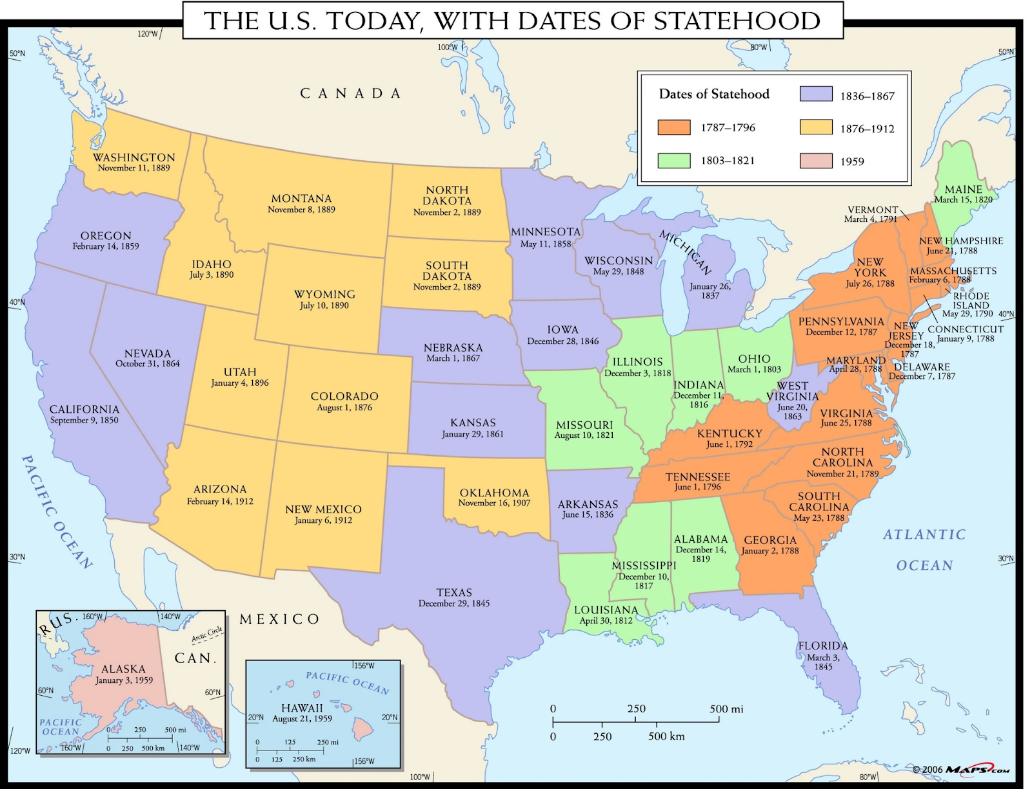
Wyoming: A Gateway to Vast Wilderness
Wyoming, directly north of Colorado, is a land defined by its immense natural beauty and iconic wildlife. This state is home to some of the planet’s most treasured national parks, including Yellowstone National Park and Grand Teton National Park. For travelers coming from or going to Colorado, Wyoming presents an opportunity to extend a trip into a realm of geothermal wonders, dramatic mountain ranges, and sprawling ranches.
- Natural Wonders: Beyond the famous parks, Wyoming boasts destinations like Devils Tower National Monument, a striking geological formation that rises dramatically from the surrounding prairie. The Medicine Bow-Routt National Forests, which extend into both Wyoming and Colorado, offer extensive hiking and backcountry exploration.
- Western Heritage: The state’s rich history is deeply rooted in its cowboy culture. Towns like Cheyenne and Cody offer a glimpse into the Old West with their rodeos, historical museums, and authentic frontier towns. Visitors can experience dude ranches and immerse themselves in the enduring spirit of the American West.
- Connecting Routes: Major highways like Interstate 25 run north-south, facilitating easy travel between Colorado’s northern reaches and Cheyenne, Wyoming’s capital. This makes it a convenient connection for road trips encompassing both states.
Nebraska: The Heart of the Plains
To the northeast, Colorado shares a border with Nebraska, a state known for its rolling prairies, agricultural heartland, and significant historical trails. While perhaps less famed for its dramatic mountain scenery, Nebraska offers a different, yet equally compelling, facet of the American landscape.
- The Great Plains Experience: Traveling through Nebraska offers an immersion into the vastness of the Great Plains. The landscape is characterized by fertile farmlands, endless horizons, and a quiet, contemplative beauty. This offers a stark contrast to the rugged peaks of Colorado, providing a unique perspective on the diverse environments within the western United States.
- Historical Significance: Nebraska is a crucial stop along the historic Oregon Trail, California Trail, and Mormon Trail. Visitors can explore pioneer villages, historic forts like Fort Robinson State Park, and museums dedicated to westward expansion, offering a profound connection to America’s past.
- Modern Cities and Culture: The state is not without its modern hubs. Omaha and Lincoln, Nebraska’s largest cities, offer vibrant cultural scenes, excellent dining, and a glimpse into contemporary Midwestern life.
The Eastern Expanse: Kansas and Oklahoma
The eastern flank of Colorado is bordered by two states that further embody the transition from mountain landscapes to the vast central plains and southern territories.
Kansas: The Sunflower State
Kansas, to the east of Colorado, is famously known as the “Sunflower State” and is synonymous with the American prairie. Its landscape is primarily characterized by gently rolling hills and expansive agricultural lands.
- Prairie Landscapes and Ecosystems: Kansas provides an opportunity to explore the unique ecosystems of the tallgrass prairie. Tallgrass Prairie National Preserve offers a chance to witness this iconic landscape, which once covered vast swathes of North America, and to understand its ecological importance.
- Pioneer History and Aviation: Like Nebraska, Kansas played a significant role in westward expansion. The state also has a strong connection to aviation history, being home to the Dwight D. Eisenhower Presidential Library, Museum, and Boyhood Home in Abilene.
- Cultural Hubs: Cities like Wichita and Kansas City, Kansas (part of the greater metropolitan area straddling the state line with Missouri) offer cultural experiences, including art museums, performing arts centers, and a burgeoning culinary scene.
Oklahoma: The Sooner State
Southeastern Colorado shares a border with Oklahoma. This state offers a unique blend of the American South and West, with diverse landscapes ranging from prairies to hills and a rich cultural tapestry.
- Geographical Diversity: Oklahoma features varied terrain, including the Ozark Mountains in its eastern part and the Great Plains in the west. This provides a different visual and experiential contrast to Colorado’s dominant mountain ranges.
- Native American Heritage and History: Oklahoma has a profound connection to Native American history, being the destination for many tribes during the Trail of Tears. Exploring the state’s numerous tribal cultural centers, museums, and historic sites offers invaluable insight into this significant aspect of American history.
- Cities and Arts: Oklahoma City and Tulsa are dynamic cities offering a range of attractions, from the National Cowboy & Western Heritage Museum in Oklahoma City to the Art Deco architecture of Tulsa. The state also has a vibrant live music scene, particularly in genres like country and blues.
The Southern Borderlands: New Mexico and Utah
The southern boundaries of Colorado are defined by states that share both a geographical and cultural connection, offering rich historical narratives and stunning natural beauty.
New Mexico: The Land of Enchantment
Directly south of Colorado lies New Mexico, a state renowned for its distinctive culture, rich history, and breathtaking landscapes. The blend of Native American, Hispanic, and Anglo influences creates a unique atmosphere that draws visitors from around the globe.
- Cultural Fusion and Art: New Mexico is a cultural mosaic. Its cities like Santa Fe and Taos are world-famous for their adobe architecture, vibrant art scenes, and bustling markets filled with Native American crafts and Southwestern art. The distinctive Pueblo Revival architecture is a hallmark of the region.
- Ancient History and Archaeology: The state is dotted with ancient Native American pueblos and archaeological sites, such as Mesa Verde National Park (which also borders Utah), Chaco Culture National Historical Park, and Acoma Pueblo. These sites offer a profound connection to the area’s pre-Columbian past.
- Natural Landscapes: From the desert beauty of White Sands National Park to the Sangre de Cristo Mountains, New Mexico offers diverse natural environments. The Gila Wilderness, the first designated wilderness area in the United States, provides unparalleled opportunities for backcountry exploration.
Utah: The Beehive State
To the southwest, Colorado shares its border with Utah, a state celebrated for its spectacular natural wonders, particularly its “Mighty 5” national parks.
- The Mighty 5 and Red Rock Country: Utah is a hiker’s and nature enthusiast’s paradise. Its five iconic national parks – Zion National Park, Bryce Canyon National Park, Arches National Park, Canyonlands National Park, and Capitol Reef National Park – showcase the dramatic red rock landscapes, hoodoos, natural bridges, and vast canyons that define the region. These parks are easily accessible from southern Colorado.
- Outdoor Adventures: Beyond the national parks, Utah offers world-class opportunities for rock climbing, mountain biking, whitewater rafting, and skiing. Destinations like Moab, renowned for its adventurous spirit, are just a short drive across the border.
- Unique Geological Formations: The state’s geology is a marvel. From the salt flats of the Bonneville Salt Flats to the unique formations in places like Goblin Valley State Park, Utah presents an otherworldly landscape that captivates the imagination.

Arizona: The Grand Canyon State
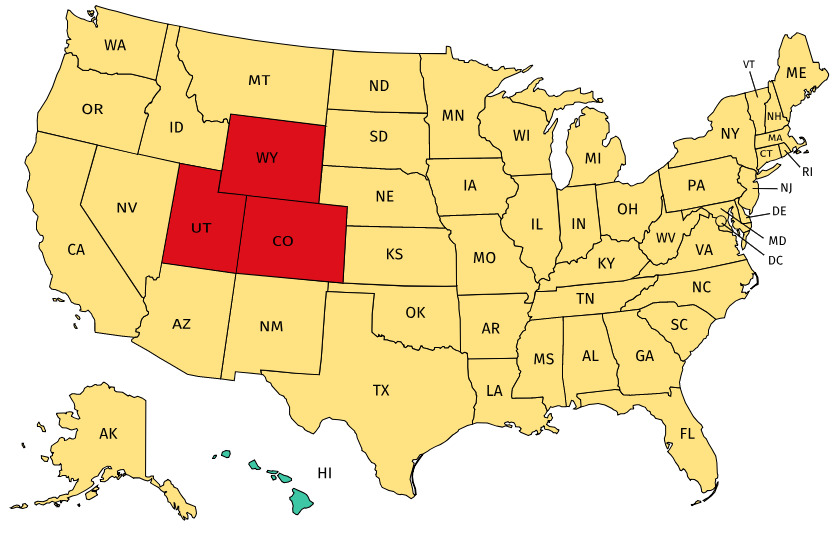
While Arizona does not share a direct border with the main portion of Colorado, it famously meets at a single point known as the Four Corners Monument, bordering Colorado, New Mexico, and Utah. This unique geographical intersection highlights the interconnectedness of these Western states.
- The Grand Canyon and Beyond: Arizona is most famous for the awe-inspiring Grand Canyon National Park, a natural wonder that draws millions of visitors annually. This iconic landmark is a must-see for any traveler exploring the Four Corners region.
- Desert Landscapes and Indigenous Cultures: The state boasts diverse desert scenery, including the Sonoran Desert with its iconic saguaro cacti. Arizona also has a rich Native American heritage, with numerous reservations and cultural sites, including those of the Navajo Nation and Hopi Tribe.
- Historical and Recreational Sites: Beyond the Grand Canyon, Arizona offers attractions like Sedona’s red rock formations, the historic Route 66 towns, and the Petrified Forest National Park.
In essence, the states that border Colorado – Wyoming, Nebraska, Kansas, Oklahoma, New Mexico, and Utah, with a unique intersection at the Four Corners with Arizona – form a rich tapestry of landscapes, cultures, and historical narratives. For any traveler seeking to explore the American West, understanding these geographical relationships unlocks a world of interconnected adventures, from the soaring peaks of the Rockies to the vast plains and the ancient desert landscapes.
LifeOutOfTheBox is a participant in the Amazon Services LLC Associates Program, an affiliate advertising program designed to provide a means for sites to earn advertising fees by advertising and linking to Amazon.com. Amazon, the Amazon logo, AmazonSupply, and the AmazonSupply logo are trademarks of Amazon.com, Inc. or its affiliates. As an Amazon Associate we earn affiliate commissions from qualifying purchases.