
The question of when Donald Trump officially established his primary residence in Florida is a matter of significant public interest, touching upon aspects of political residency, tax law, and personal lifestyle choices. While Donald Trump has maintained a presence in Florida for decades, primarily at his iconic Mar-a-Lago estate in Palm Beach, the formal declaration and legal shift of his domicile occurred in late 2019. This transition marked a pivotal moment, signifying a departure from his long-standing ties to New York.
The implications of such a move extend beyond personal preferences, impacting where Donald Trump votes, pays taxes, and is legally recognized as residing. Understanding the timeline and the factors that led to this relocation provides insight into the shifting landscape of American political figures and their connection to different states.

Establishing Domicile: A Legal and Personal Transition
The legal concept of domicile is crucial in understanding residency changes. Domicile refers to a person’s permanent home, the place to which they intend to return whenever they are absent. It is distinct from mere residency, which can be temporary. For individuals of prominent public standing, the declaration of a new domicile can have significant implications, particularly concerning taxation and political affiliation.
The Formal Declaration
Donald Trump formally declared Florida as his domicile in October 2019. This declaration was made through legal filings, including a change of address with the Clerk of the Court in Palm Beach County, Florida. This legal step was essential to establish his primary residence in the state. The move meant that Donald Trump would henceforth be registered to vote in Florida, pay state income taxes there (or rather, benefit from the lack thereof, as Florida has no state income tax), and be subject to its legal jurisdiction for matters of domicile.
Reasons Behind the Relocation
Several factors are widely believed to have contributed to Donald Trump’s decision to change his domicile to Florida. Chief among these is the absence of a state income tax in Florida, a significant financial advantage compared to New York, which has a progressive income tax system. This financial consideration is often cited as a primary driver for wealthy individuals to establish residency in tax-friendly states.
Furthermore, Florida offers a generally more favorable political and social climate for individuals with conservative viewpoints, aligning with Donald Trump’s political base. The warmer climate and lifestyle associated with South Florida may also have played a role in his personal preference for the location. The ability to conduct business and political activities from his established residence at Mar-a-Lago also provided a convenient and strategic base.
The Role of Mar-a-Lago in the Transition
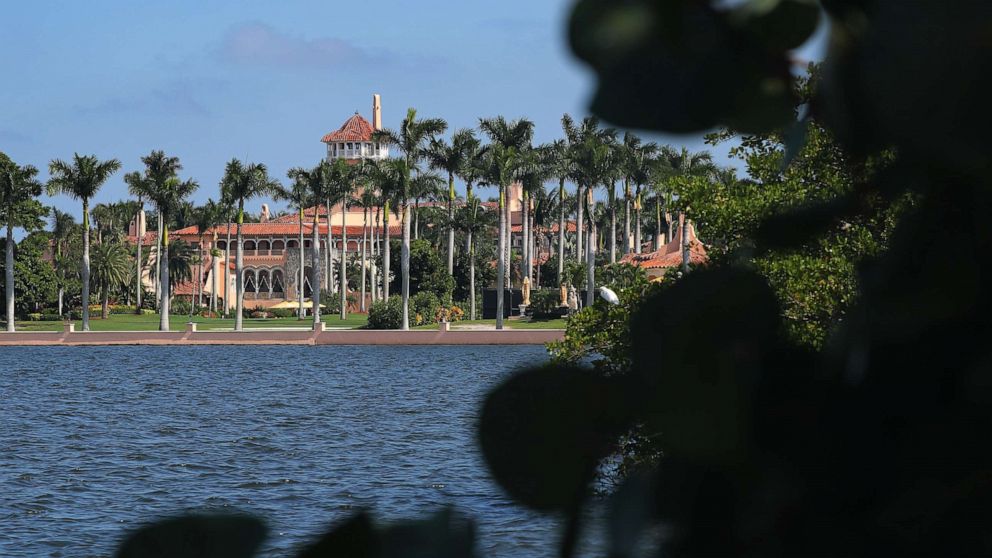
Mar-a-Lago, the opulent estate in Palm Beach, has been an integral part of Donald Trump’s life for years, long before his official domicile change. Purchased by Trump in 1985, it has served as a winter retreat, a venue for lavish events, and, during his presidency, a de facto “Winter White House.”
A Long-Standing Affiliation
The estate’s significance in Donald Trump’s life cannot be overstated. It represents a substantial investment and a symbol of his wealth and influence. The property’s luxurious amenities, its prime location in one of Florida’s most affluent communities, and its status as a private club have made it a natural focal point for his activities.

Legal Status as a Residence
While Mar-a-Lago has always been a significant property for Donald Trump, its formal designation as his legal domicile cemented its status as his primary home. The move required navigating specific legal requirements related to establishing a residence, including proving that Mar-a-Lago was indeed the place where he intended to live permanently. This involved demonstrating a cessation of ties to his previous domicile and the establishment of new ties in Florida.
Contrasting Domiciles: New York vs. Florida
The shift in domicile from New York to Florida highlights the stark differences between the two states, particularly in their tax structures and political landscapes. Donald Trump’s long association with New York, where he built his real estate empire and maintained residences, including Trump Tower, made the transition notable.
The Tax Implications
New York has one of the highest state income tax rates in the United States, along with a considerable estate tax. By moving his domicile to Florida, which has no state income tax and no estate tax, Donald Trump likely realized significant tax savings. This move aligns with a broader trend among high-net-worth individuals and some politicians to relocate to states with more favorable tax environments.
Political and Lifestyle Alignments
Beyond financial considerations, the move also reflects a potential alignment with Florida’s political leanings. The state has become a significant battleground in American politics and has seen an influx of conservatives and libertarians seeking a more amenable political climate. The lifestyle offered by South Florida, with its sunshine, beaches, and vibrant social scene, is also attractive to many, including those who appreciate a warmer climate and a more relaxed pace of life compared to the bustling metropolis of New York City.
The Broader Context of Political Residency
The establishment of residency by prominent political figures in specific states has always been a subject of scrutiny and discussion. These decisions can influence a state’s political representation, its economic landscape, and its overall identity.
Impact on Political Affiliation and Voting
When Donald Trump declared Florida as his domicile, it meant he would vote in Florida and be subject to its election laws. This has tangible effects on the state’s political dynamics, potentially bolstering the Republican party’s presence and influence. His residency also means that any future political endeavors would be rooted in his Florida domicile.
A Trend Among Public Figures
Donald Trump’s move is not an isolated incident. Several other prominent individuals, including wealthy entrepreneurs and even some politicians, have shifted their domiciles to states like Florida or Texas to take advantage of lower tax burdens and different regulatory environments. This trend raises questions about the concept of citizenship and allegiance in an increasingly mobile society, and how individuals with significant influence choose to align themselves geographically.
In conclusion, Donald Trump officially moved his domicile to Florida in late 2019. This significant transition, primarily centered around his estate at Mar-a-Lago, was driven by a combination of financial advantages, lifestyle preferences, and political considerations, marking a notable shift from his long-held ties to New York.
LifeOutOfTheBox is a participant in the Amazon Services LLC Associates Program, an affiliate advertising program designed to provide a means for sites to earn advertising fees by advertising and linking to Amazon.com. Amazon, the Amazon logo, AmazonSupply, and the AmazonSupply logo are trademarks of Amazon.com, Inc. or its affiliates. As an Amazon Associate we earn affiliate commissions from qualifying purchases.