
A perfectly seasoned New York Strip Steak is a cornerstone of elevated dining, whether enjoyed at a Michelin-starred restaurant in New York City or prepared in the comfort of your own home. While the cut itself boasts a rich, beefy flavor and a satisfying chew, its true potential is unlocked through expert seasoning. This guide delves into the art and science of seasoning, transforming a good steak into an unforgettable culinary experience. We’ll explore the fundamental principles, essential ingredients, and nuanced techniques that will elevate your steak game, whether you’re a novice cook or a seasoned gourmand.
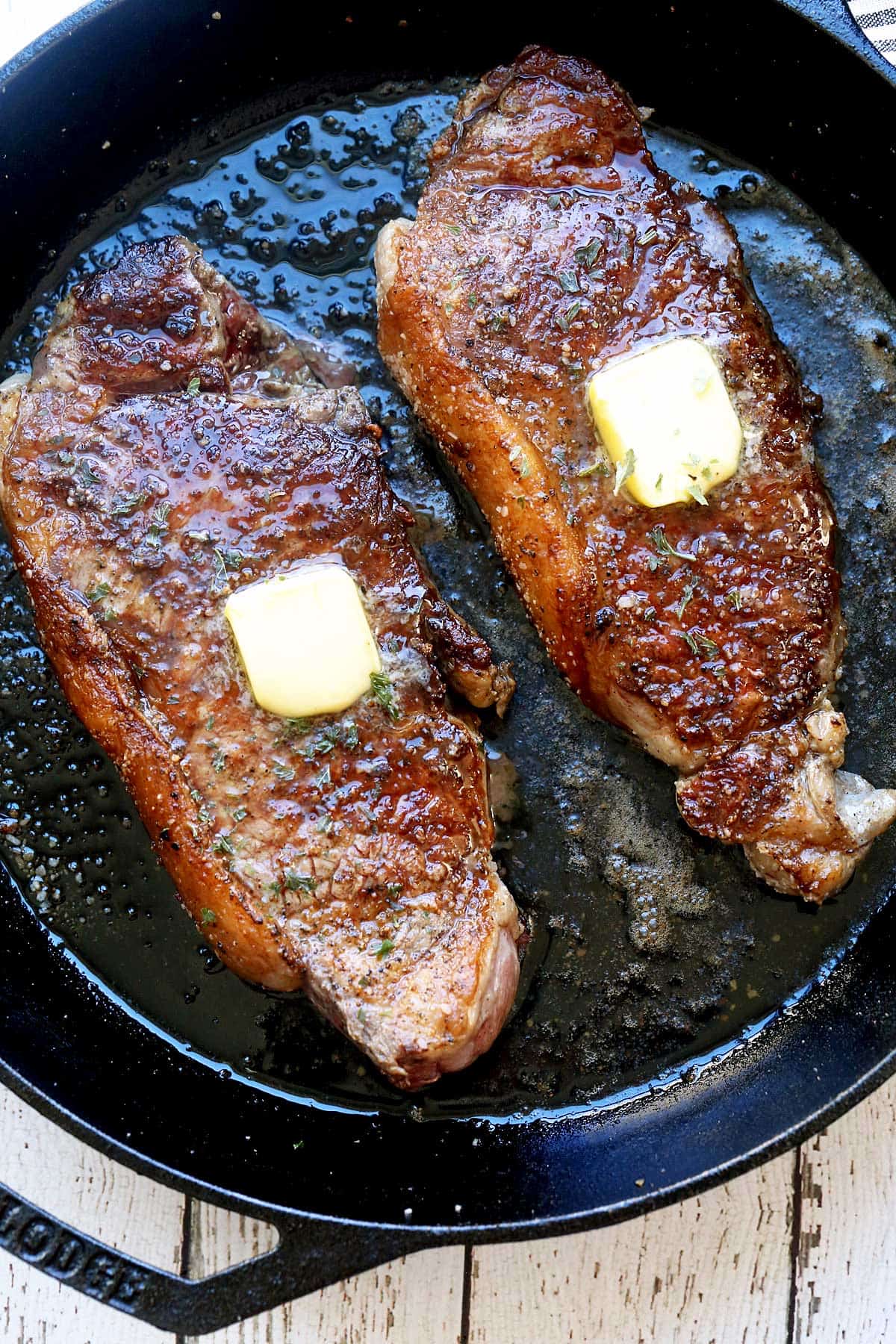
The Foundation: Understanding Steak Seasoning
Before we dive into specific rubs and techniques, it’s crucial to understand the underlying principles of seasoning steak. The goal is not merely to add flavor, but to enhance the natural characteristics of the meat, create a beautiful crust, and ensure even cooking.
The Role of Salt
Salt is arguably the most important seasoning for any steak. It does more than just provide salinity; it draws moisture from the surface of the meat, which then dissolves the salt and is reabsorbed, leading to a more tender and flavorful steak. This process, known as dry brining, can begin well in advance of cooking for deeper flavor penetration.
- Kosher Salt vs. Table Salt: For steak, kosher salt is generally preferred due to its larger, irregular crystals. This allows for easier control over the amount applied and a more pleasant texture compared to the fine, uniform grains of table salt, which can make over-salting a risk.
- Timing is Key: Salting your steak at least 40 minutes before cooking, and ideally several hours or even overnight, allows the salt to work its magic. If you’re pressed for time, salting just before cooking is still beneficial, though it won’t penetrate as deeply.
The Power of Pepper
Black pepper provides a pungent, aromatic counterpoint to the richness of the New York Strip Steak. Its oils release volatile aromas when heated, contributing to the overall sensory experience.
- Freshly Ground is Best: Pre-ground pepper loses much of its volatile compounds and flavor. Investing in a pepper mill and using whole peppercorns will make a significant difference.
- Coarse Grind for Texture: A coarser grind of pepper offers a more pronounced texture and visual appeal on the finished steak.
Beyond the Basics: Enhancing Flavor
While salt and pepper are non-negotiable, a world of other seasonings can be used to complement and elevate the beef’s inherent flavor. The key is to use them judiciously, allowing the steak to remain the star of the show.
- Aromatics: Garlic powder and onion powder are common additions that provide a savory depth without the risk of burning whole garlic or onion pieces.
- Herbs: Dried herbs like rosemary, thyme, and sage can be incorporated, though fresh herbs are often added towards the end of cooking or infused into butter for basting.
- Spices: Smoked paprika can add a subtle smokiness and vibrant color. A pinch of cayenne pepper can introduce a gentle warmth.
Mastering the Dry Rub: Classic and Creative Combinations
A dry rub is a blend of seasonings applied directly to the surface of the steak before cooking. It’s a fantastic way to impart complex flavors and create a flavorful crust.
The Quintessential Steak Rub
This classic rub is a foolproof starting point for any steak enthusiast.
Ingredients:
- 2 tablespoons Kosher Salt
- 1 tablespoon freshly ground black pepper
- 1 teaspoon garlic powder
- 1 teaspoon onion powder
- ½ teaspoon smoked paprika (optional, for color and subtle smokiness)
Instructions:
- In a small bowl, combine all ingredients.
- Mix thoroughly to ensure even distribution.
- Generously coat the New York Strip Steak on all sides, pressing the rub gently into the meat.
- Allow the steak to rest at room temperature for at least 30 minutes (or longer, see brining section) before cooking.
Spicy Southwest Kick Rub
For those who enjoy a touch of heat and regional flair.
Ingredients:
- 2 tablespoons Kosher Salt
- 1 tablespoon freshly ground black pepper
- 1 teaspoon chili powder
- ½ teaspoon cumin
- ½ teaspoon garlic powder
- ¼ teaspoon cayenne pepper (adjust to your spice preference)
- ¼ teaspoon dried oregano
Instructions:
- Combine all ingredients in a bowl and mix well.
- Apply generously to the steak.
- Let it rest before cooking.
Umami Bomb Rub
This blend focuses on deepening the savory notes of the steak.
Ingredients:
- 2 tablespoons Kosher Salt
- 1 tablespoon mushroom powder (dried, finely ground shiitake or porcini mushrooms)
- 1 tablespoon garlic powder
- 1 teaspoon onion powder
- ½ teaspoon black pepper
Instructions:
- Whisk all ingredients together until fully combined.
- Rub evenly over the New York Strip Steak.
- Allow to marinate in the rub for optimal flavor absorption.
The Art of Application: Techniques for Perfect Seasoning
The best ingredients and blends are only as effective as their application. Here are key techniques to ensure your steak is seasoned to perfection.
Pre-Salting and Resting
As mentioned earlier, salting in advance is a game-changer. This allows the salt to draw out moisture, dissolve, and then be reabsorbed into the muscle fibers. This process not only seasons the steak but also tenderizes it and promotes a more even cook.
- The 40-Minute Rule: If you have at least 40 minutes, salt your steak generously. The salt will draw out moisture, forming a brine on the surface. After about 20-30 minutes, this brine will be reabsorbed, carrying the salt flavor deep into the meat.
- Overnight Dry Brine: For an even more profound effect, salt your steak and place it, uncovered, on a wire rack set inside a baking sheet in the refrigerator overnight. The air circulation will help dry out the surface, leading to an exceptional crust.
Even Coating and Gentle Pressing
When applying your chosen rub or simply salt and pepper, ensure an even coating on all surfaces of the steak – including the edges. Gently press the seasonings into the meat to help them adhere. Avoid rubbing aggressively, as this can push the seasonings off.
Allowing the Steak to Come to Room Temperature
Cooking a steak straight from the refrigerator can lead to uneven cooking. The center will remain cold while the exterior overcooks. Allowing the seasoned steak to rest at room temperature for 30-60 minutes (depending on thickness) before cooking ensures a more uniform internal temperature, leading to a perfectly cooked steak from edge to center.
The Searing and Basting Technique
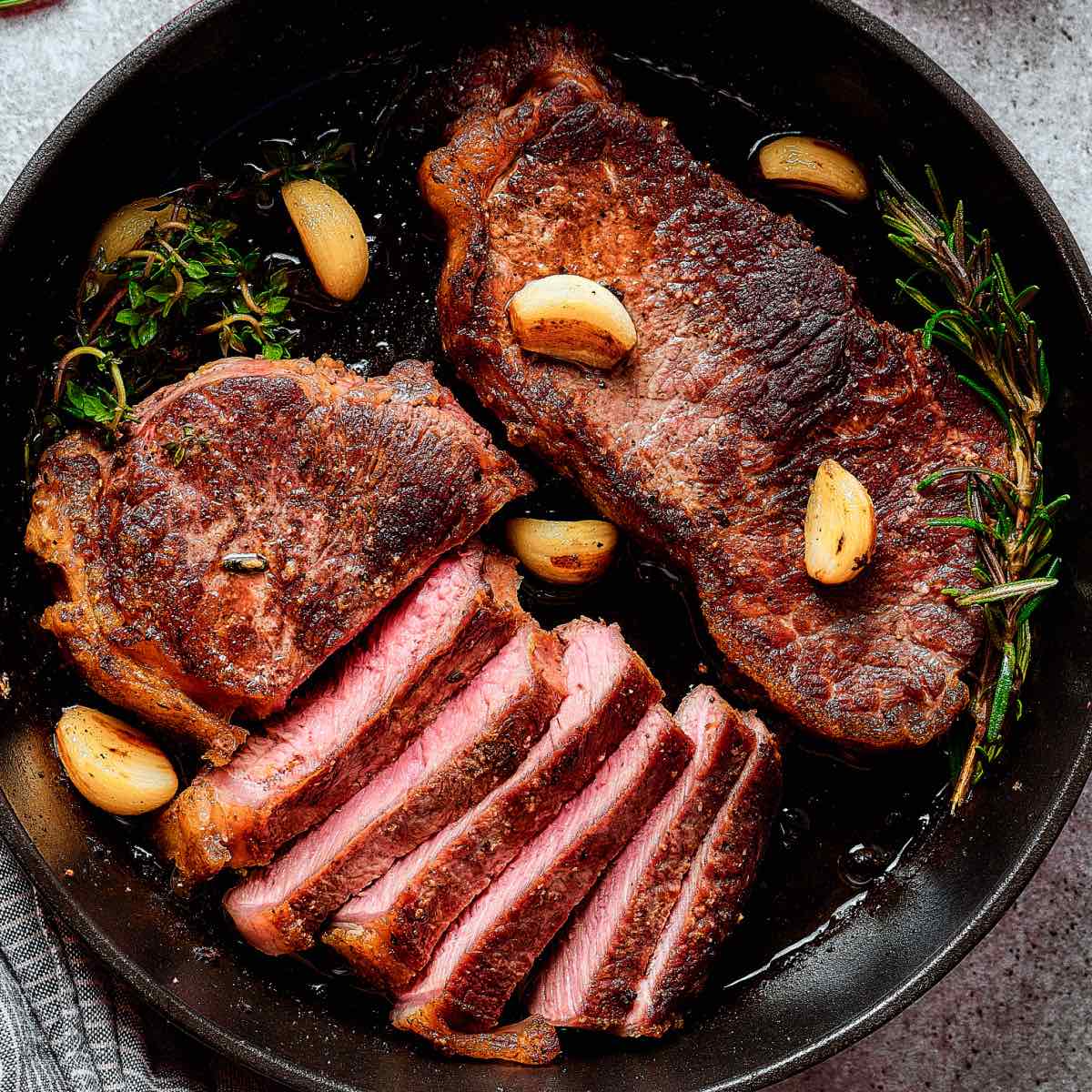
Once your steak is seasoned and at room temperature, the cooking process truly begins. For a fantastic crust and to infuse additional flavor, consider basting with aromatics and butter.
- Hot Pan, High Heat: Sear the steak over high heat in a cast-iron skillet or on a hot grill until a beautiful crust forms on both sides.
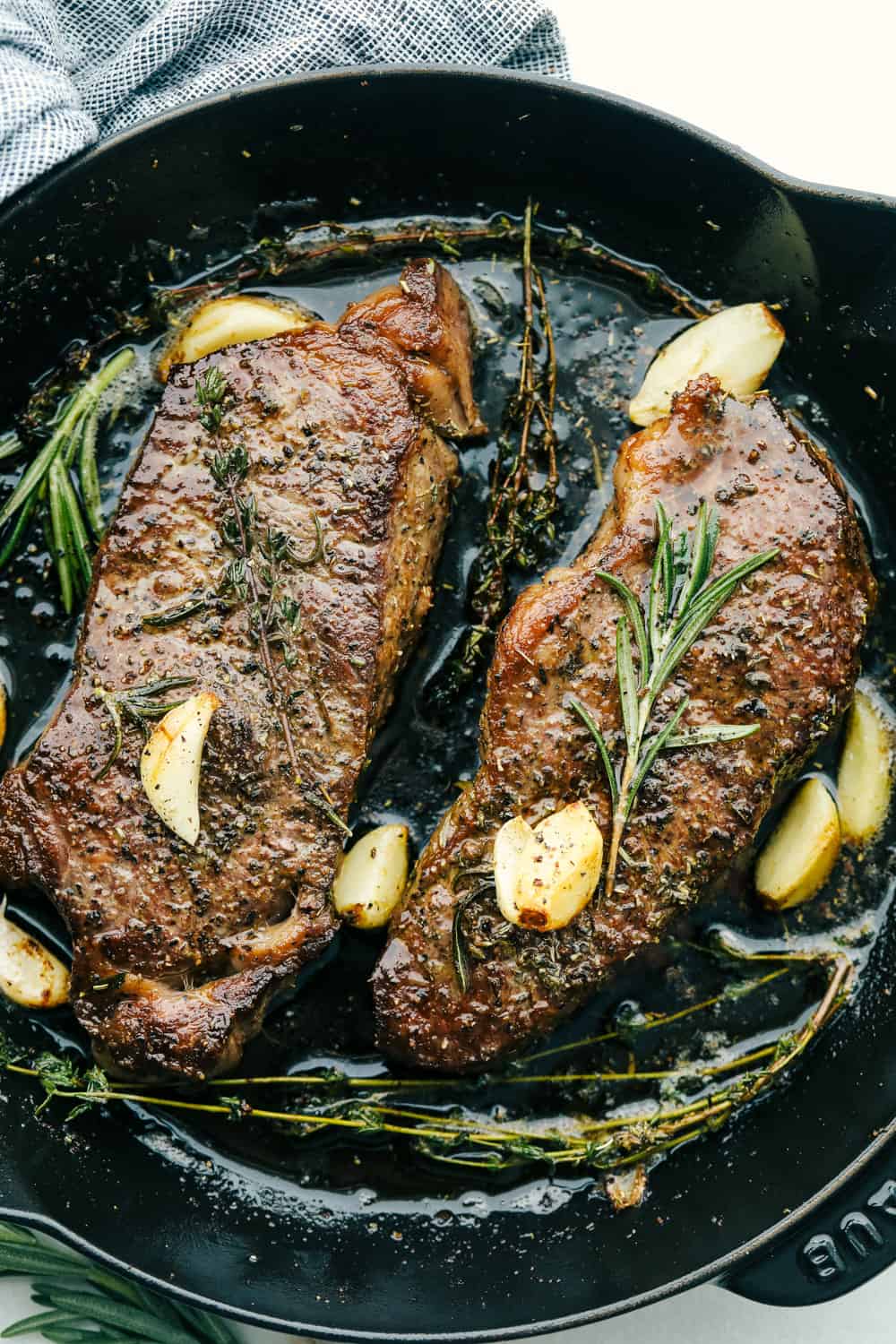
- Reduce Heat and Add Butter: Lower the heat to medium-low. Add unsalted butter to the pan, along with aromatics like crushed garlic cloves and sprigs of fresh rosemary or thyme.
- Baste Continuously: Tilt the pan and use a spoon to continuously ladle the melted, infused butter over the steak. This adds moisture, flavor, and helps cook the steak evenly.
By mastering these seasoning techniques and understanding the fundamental roles of salt and pepper, you’ll be well on your way to preparing New York Strip Steak that rivals any steakhouse. Experiment with different rubs, pay attention to the timing of your seasonings, and most importantly, enjoy the process of creating a truly delicious meal. Whether you’re hosting a dinner party or simply treating yourself, a perfectly seasoned steak is an accessible luxury that always impresses.
LifeOutOfTheBox is a participant in the Amazon Services LLC Associates Program, an affiliate advertising program designed to provide a means for sites to earn advertising fees by advertising and linking to Amazon.com. Amazon, the Amazon logo, AmazonSupply, and the AmazonSupply logo are trademarks of Amazon.com, Inc. or its affiliates. As an Amazon Associate we earn affiliate commissions from qualifying purchases.