
Florida, a state celebrated for its sun-drenched beaches and vibrant theme parks, also harbors a rich and often overlooked outdoor heritage. Beyond the bustling tourist hubs lies a vast expanse of wilderness, home to diverse wildlife, including the highly sought-after white-tailed deer. For hunters and wildlife enthusiasts, understanding the intricacies of Florida’s deer season is crucial for planning successful and compliant excursions. This guide delves into the nuances of when deer season commences across the Sunshine State, offering insights for both seasoned hunters and newcomers eager to experience this time-honored tradition.
Understanding Florida’s Hunting Zones and Regulations
Florida’s deer hunting landscape is not a monolithic entity; rather, it’s a carefully managed system divided into distinct wildlife management areas (WMAs) and hunting zones. These divisions are essential for ensuring sustainable hunting practices and managing deer populations effectively across the state’s varied ecosystems. The Florida Fish and Wildlife Conservation Commission (FWC) establishes specific regulations for each zone, including opening and closing dates for different seasons.
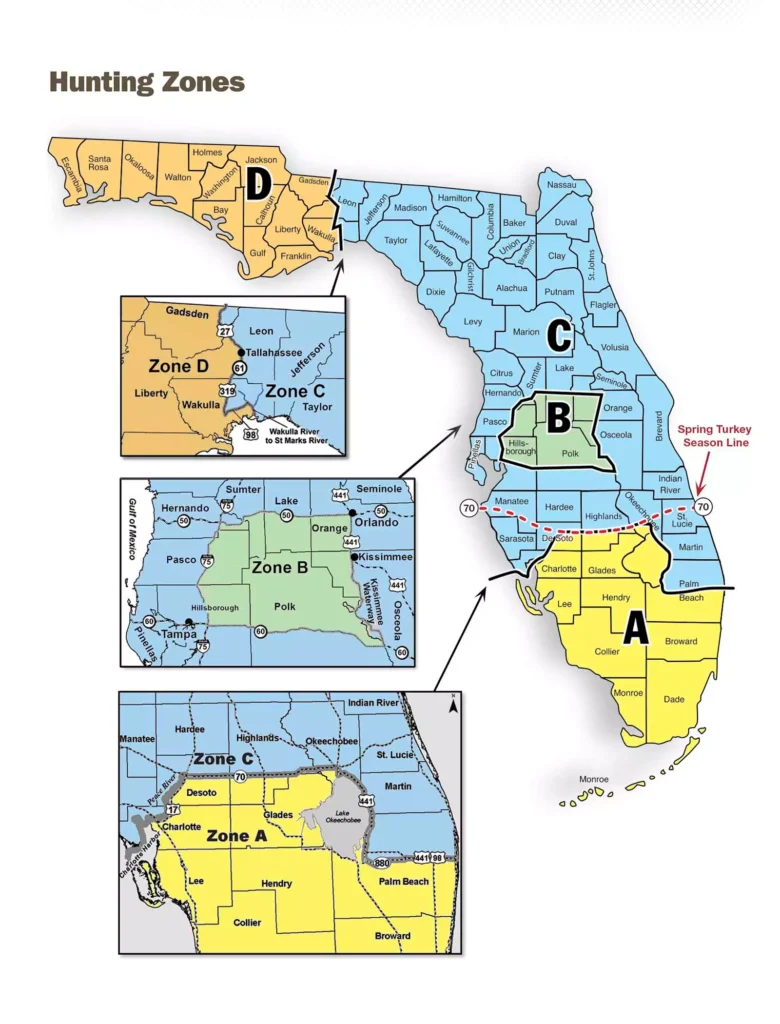
The Panhandle’s Unique Seasons
The northwestern part of the state, often referred to as the Florida Panhandle, typically experiences earlier hunting seasons compared to the southern regions. This is largely due to climatic differences and the biological cycles of the deer population in these areas.
Archery Season in the Panhandle
The archery season is generally the first opportunity for hunters to pursue deer in Florida. In the Panhandle, this season often kicks off in late August or early September. During this period, hunters rely on their archery skills and knowledge of deer behavior to get within close range of their quarry. The extended daylight hours of late summer can provide ample opportunities for scouting and observing deer activity before the season officially opens.
General Gun Season in the Panhandle
Following the archery season, the general gun season opens, allowing hunters to use firearms. This season usually begins in October and extends through the early winter months. The Panhandle’s general gun season is a highly anticipated event, drawing a significant number of hunters to the state’s public lands and private hunting leases. The cooler temperatures of autumn also make for a more comfortable hunting experience.
Central Florida’s Hunting Calendar
Moving south into Central Florida, the hunting seasons often begin a few weeks later than in the Panhandle. This region, characterized by its pine flatwoods, palmetto scrub, and cypress swamps, offers a different but equally rewarding hunting experience.
Archery Season in Central Florida
Archery season in Central Florida typically commences in mid-September. This allows hunters to take advantage of the vibrant fall colors and the initial movements of deer as they prepare for the rut. It’s a prime time for those who prefer a more traditional and challenging hunting method.
General Gun Season in Central Florida
The general gun season in Central Florida usually opens in late October or early November. This period is often synchronized with the peak of the deer rut in many parts of this region, which can lead to increased deer activity and more predictable movement patterns. Hunters often find success by focusing on well-traveled deer trails and feeding areas during this time.
South Florida’s Later Seasons
The southernmost regions of Florida, including areas like the Everglades and the vast agricultural lands, generally have the latest start dates for their deer seasons. The warmer climate influences the timing of the deer rut and the overall biological calendar.
Archery Season in South Florida
Archery season in South Florida often begins in late September or early October. While the temperatures remain warm, the changes in photoperiod begin to influence deer behavior, making them more active and visible. This season is particularly popular for its extended duration and the opportunity to hunt in unique wetland habitats.
General Gun Season in South Florida
The general gun season in South Florida typically opens in late November or early December. This later opening allows for a more distinct separation between the archery and gun seasons and is often timed to coincide with periods of increased deer movement, especially in response to agricultural activities or changing weather patterns that might push deer towards food sources.
Factors Influencing Deer Season Dates
Several key factors dictate the precise opening dates of deer season in Florida. These elements are not arbitrary but are based on extensive research, biological data, and a commitment to conservation.
Biological Rhythms and the Rut
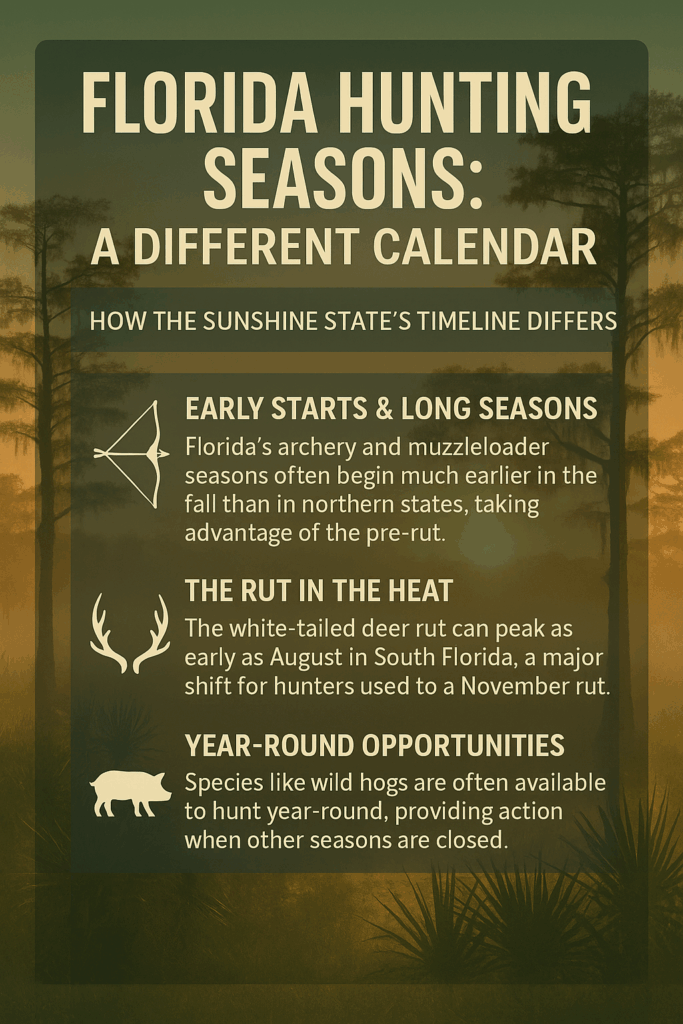
The most significant factor influencing hunting season dates is the reproductive cycle of white-tailed deer, particularly the rut. The rut is the period when deer are actively seeking mates, leading to increased activity, bolder behavior, and often more predictable movement patterns. FWC biologists study the timing of the rut in different regions of Florida to align hunting seasons with periods of peak activity, maximizing the chances of a successful hunt while minimizing disruption to the breeding process.
Habitat and Ecosystem Dynamics
Florida’s diverse habitats, from the dense forests of the Panhandle to the saw palmetto scrub of Central Florida and the coastal marshes of the south, play a role in deer behavior and population dynamics. The availability of food sources, water, and cover influences where deer congregate and how they move throughout the year. Hunting seasons are often designed to be most effective when these factors align with the deer’s natural cycles. For example, seasons might be set to coincide with the maturation of natural food sources or the drying of wetlands, which can concentrate deer.
Hunter Participation and Season Length
The FWC also considers hunter participation and the desire for extended hunting opportunities when setting season dates. Offering different seasons for archery, muzzleloading, and general firearm hunting allows for a longer overall hunting period, spreading out hunter pressure and providing diverse experiences for different types of hunters. The length of each season is also carefully determined to balance harvest opportunities with population management goals.
Weather Patterns and Climate
While not the primary driver, weather patterns can indirectly influence the effectiveness and timing of hunting seasons. Cooler temperatures in the fall and winter months generally make for more comfortable hunting conditions and can also influence deer movement. Understanding typical weather trends in different parts of the state helps in setting seasons that are conducive to successful hunting.
Navigating the Regulations: A Hunter’s Essential Checklist
For anyone planning to hunt deer in Florida, adherence to regulations is paramount. The FWC provides comprehensive resources to ensure all hunters are well-informed and compliant.
Obtaining Necessary Licenses and Permits
Before heading afield, all hunters must possess the appropriate Florida hunting license and any required management area permits. Licenses can be purchased online through the FWC website, at authorized license vendors, or by phone. It is essential to ensure you have the correct license for the type of game you intend to pursue and the method of take you plan to use.
Understanding Bag Limits and Legal Shooting Hours
Each hunting zone and season has specific bag limits, dictating the number of deer a hunter can legally harvest. These limits are critical for wildlife management and ensuring the long-term health of deer populations. Additionally, legal shooting hours are strictly defined, typically beginning 30 minutes before sunrise and ending 30 minutes after sunset. Hunting outside these hours is prohibited.
Consulting the Florida Hunting Regulations Handbook
The most definitive source of information for deer season dates, zone boundaries, legal equipment, and all other hunting regulations is the official Florida Hunting Regulations Handbook. This publication is updated annually and is readily available on the FWC website. Hunters are strongly advised to review the handbook thoroughly before the start of any hunting season. It provides detailed maps of wildlife management areas and specific regulations for each.
Safety First: Essential Hunting Practices
Beyond regulations, safety is a non-negotiable aspect of hunting. This includes proper firearm handling, the use of hunter orange clothing to enhance visibility, understanding your target and what lies beyond, and being aware of your surroundings. Familiarizing yourself with the specific terrain of your hunting location, potential hazards, and emergency procedures is crucial for a safe and enjoyable experience.
Beyond the Hunt: Experiencing Florida’s Wild Side
While the thrill of the hunt is a primary draw for many, Florida’s deer season offers a broader opportunity to connect with the state’s natural beauty. The periods leading up to and following the hunting seasons are ideal for wildlife observation, photography, and simply immersing oneself in the diverse ecosystems that deer call home.
Wildlife Photography and Observation
Many hunters and outdoor enthusiasts take advantage of the increased activity of deer during the fall and winter months to engage in wildlife photography. The changing foliage in the northern parts of the state and the unique landscapes of Central and South Florida provide stunning backdrops. Observing deer in their natural habitat, from a respectful distance, offers profound insights into their behavior and the intricate web of life that sustains them. Areas like the Okefenokee Swamp (partially in Florida) and numerous state parks offer excellent opportunities for such pursuits.
Exploring Florida’s Natural Landscapes
The opening of deer season often coincides with the most pleasant weather conditions in Florida, making it an ideal time to explore the state’s vast network of parks, forests, and WMAs. These areas offer opportunities for hiking, camping, and birdwatching, allowing visitors to experience the wild side of Florida beyond the typical tourist attractions. Regions like the Ocala National Forest and the Apalachicola National Forest are prime examples of the extensive natural areas available for exploration.
By understanding when deer season starts in Florida and embracing the opportunities it presents, both hunters and nature lovers can deepen their appreciation for the state’s remarkable natural heritage. Responsible hunting and a respect for the environment ensure that these traditions can continue for generations to come, allowing the majestic white-tailed deer to remain a vital part of Florida’s wild tapestry.
LifeOutOfTheBox is a participant in the Amazon Services LLC Associates Program, an affiliate advertising program designed to provide a means for sites to earn advertising fees by advertising and linking to Amazon.com. Amazon, the Amazon logo, AmazonSupply, and the AmazonSupply logo are trademarks of Amazon.com, Inc. or its affiliates. As an Amazon Associate we earn affiliate commissions from qualifying purchases.