
While the question “How Many Homeless People In Chicago?” might seem straightforward, delving into the statistics reveals a complex and multifaceted issue that deeply impacts the urban fabric of this vibrant city. Understanding the numbers is not merely an academic exercise; it provides a crucial lens through which to view the city’s social policies, resource allocation, and the lived experiences of its most vulnerable residents. For travelers and visitors to Chicago, gaining this perspective can enrich their understanding of the city beyond its iconic skyscrapers and cultural attractions.
The challenge of quantifying homelessness lies in its transient nature and the diverse circumstances that lead individuals to experience it. Official counts, often conducted through point-in-time surveys, provide snapshots of the situation on a given night. However, these figures represent a minimum, as they may not capture those temporarily sheltered with friends or family, or individuals who are unsheltered but evade detection. Despite these limitations, these official numbers offer the most widely accepted data points for understanding the scale of homelessness in Chicago.
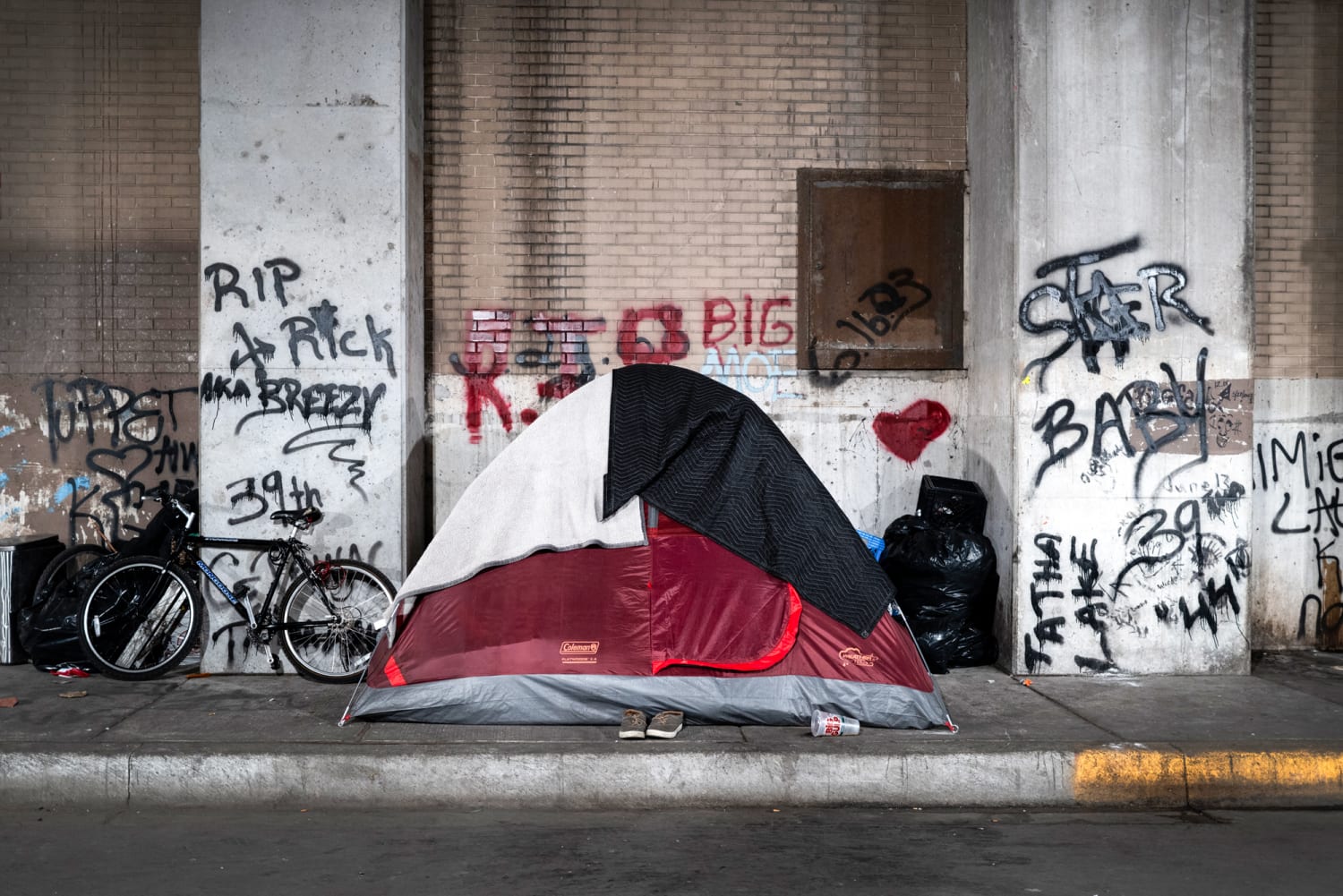
Understanding the Data: Point-in-Time Counts and Their Implications
The annual Point-in-Time (PIT) count, mandated by the U.S. Department of Housing and Urban Development (HUD), is the primary method for estimating homelessness across the United States. In Chicago, this count is typically organized by the Chicago Coalition for the Homeless and involves a dedicated army of volunteers who traverse the city, engaging with individuals experiencing unsheltered homelessness and surveying emergency shelters and transitional housing programs.
The Methodology of the PIT Count
The PIT count aims to capture a comprehensive picture of homelessness on a single night, usually in January. This timing is chosen to maximize the visibility of unsheltered individuals, as cold weather often forces them to seek more visible locations. The count distinguishes between different types of homelessness:
- Sheltered Homelessness: This includes individuals residing in emergency shelters, transitional housing programs, and safe havens. These facilities provide temporary respite and often offer supportive services aimed at helping individuals secure permanent housing.
- Unsheltered Homelessness: This refers to individuals sleeping in places not meant for human habitation, such as streets, parks, abandoned buildings, encampments, or vehicles. This population is often the most difficult to count accurately.
The data collected from the PIT count allows for a detailed analysis of the demographics of the homeless population, including age, race, ethnicity, gender, veteran status, and household composition (e.g., families with children, single adults, unaccompanied youth). This granular information is vital for tailoring interventions and allocating resources effectively.
Interpreting the Numbers: A Snapshot in Time
The numbers generated by the PIT count can fluctuate year to year, influenced by economic conditions, housing market dynamics, and the effectiveness of local initiatives. For instance, a significant increase in the count might indicate a worsening housing affordability crisis or a reduction in available shelter beds. Conversely, a decrease could signal success in housing placement programs and preventative measures.
It is crucial to remember that the PIT count represents a single night. The total number of people who experience homelessness over the course of a year is invariably higher. Many individuals may experience homelessness for a short duration, cycling in and out of housing. Therefore, while the PIT count provides a vital benchmark, it should be understood as a minimum estimate and a reflection of a dynamic and ongoing crisis.
Beyond the Numbers: The Diverse Faces of Homelessness in Chicago
When discussing the numbers of homeless individuals in Chicago, it is essential to move beyond mere statistics and acknowledge the diverse realities and contributing factors that lead to homelessness. The individuals counted are not just numbers; they are parents, veterans, young adults, and seniors, each with unique stories and circumstances.
Vulnerable Populations and Contributing Factors
Several populations are disproportionately affected by homelessness in Chicago:
- Families with Children: These families often face job loss, domestic violence, or unexpected evictions, pushing them into precarious living situations. The lack of affordable childcare and stable employment can exacerbate their challenges.
- Veterans: Despite government programs aimed at supporting former service members, a significant number of Chicago veterans experience homelessness. This can be linked to post-traumatic stress disorder (PTSD), difficulty transitioning back to civilian life, and substance use disorders.
- Youth and Young Adults: Unaccompanied minors and young adults, particularly those aging out of the foster care system or fleeing unstable home environments, are highly vulnerable. They often lack the resources and support networks to secure stable housing.
- Individuals with Mental Illness and Substance Use Disorders: These conditions, while not direct causes of homelessness, can significantly increase a person’s vulnerability. Lack of access to affordable mental healthcare and addiction treatment services can trap individuals in a cycle of instability.
- Individuals Experiencing Domestic Violence: Fleeing an abusive situation often means leaving behind all possessions and a safe place to live, leading directly to homelessness for many women and children.
The underlying causes are complex and interconnected, often involving a confluence of systemic issues such as insufficient affordable housing, stagnant wages, gaps in healthcare access, and systemic discrimination. For travelers, understanding these factors provides a deeper appreciation for the social challenges that co-exist with the city’s thriving economic and cultural landscape.

The Economic and Social Impact of Homelessness
Homelessness in a major metropolitan area like Chicago has profound economic and social consequences, not only for those directly affected but also for the city as a whole. This impact is felt across various sectors, from public services to the perception of the city.
Strain on Public Resources
When individuals lack stable housing, they often rely more heavily on public services. This includes increased use of emergency rooms for health issues that could have been managed with preventative care, greater demand on law enforcement and judicial systems, and the need for outreach services. While these services are essential, the sustained demand can place a significant strain on municipal budgets, diverting resources that could otherwise be invested in affordable housing development or social programs.
Impact on Local Businesses and Tourism
While most visitors to Chicago will focus on attractions like Navy Pier, the Art Institute of Chicago, or exploring neighborhoods like Lincoln Park, the visible presence of homelessness can, for some, impact their perception of a city. Businesses in areas with higher concentrations of unsheltered individuals may experience challenges related to public space usage and customer experience. However, it is also important to note that many businesses and residents are actively involved in supporting local homeless service organizations. The tourism sector itself often contributes to the local economy, which in turn can indirectly support efforts to address homelessness through tax revenue and charitable giving.
Community Well-being and Social Cohesion
Homelessness can also affect community well-being and social cohesion. The presence of encampments or visible signs of extreme poverty can create tensions within neighborhoods. Addressing homelessness effectively is not just about providing shelter; it is about fostering a more inclusive and supportive community for all residents. For visitors, a greater understanding of these challenges can foster a more empathetic and informed perspective on the city they are experiencing.
Strategies and Solutions for Addressing Homelessness in Chicago
Addressing homelessness in a complex urban environment like Chicago requires a multi-pronged approach, combining immediate relief with long-term systemic solutions. Numerous organizations and initiatives are dedicated to tackling this issue, reflecting a commitment to finding sustainable answers.
The “Housing First” Model
A cornerstone of modern homelessness strategies is the “Housing First” model. This approach prioritizes providing permanent, affordable housing to individuals experiencing homelessness, without preconditions such as sobriety or participation in treatment programs. The philosophy is that stable housing provides the foundation upon which individuals can then address other challenges, such as mental health issues, substance use, or unemployment. Chicago has seen success with various Housing First initiatives, demonstrating that this model can significantly reduce chronic homelessness.
Prevention and Intervention Programs
Beyond providing housing, critical efforts are focused on preventing homelessness before it occurs. These programs include:
- Eviction Prevention Services: Offering legal aid, rental assistance, and mediation services to help individuals and families remain in their homes.
- Rapid Re-housing: Providing short-term rental assistance and support services to help individuals and families quickly move from homelessness into permanent housing.
- Street Outreach: Teams that engage directly with unsheltered individuals, offering immediate assistance, building trust, and connecting them with services and housing opportunities.
- Job Training and Employment Support: Helping individuals gain the skills and employment necessary for financial stability.
- Access to Healthcare and Mental Health Services: Ensuring that individuals have access to comprehensive care, including mental health and substance use treatment, which are often critical barriers to housing stability.

Collaboration and Advocacy
Effective solutions to homelessness necessitate robust collaboration among government agencies, non-profit organizations, community groups, and private sector partners. Advocacy plays a crucial role in raising public awareness, influencing policy decisions, and securing the funding necessary to implement effective programs. Organizations like the Chicago Coalition for the Homeless work tirelessly to advocate for policy changes that address the root causes of homelessness, such as increasing the supply of affordable housing and expanding access to social services.
For travelers, understanding these efforts provides a more complete picture of Chicago as a city that grapples with significant social challenges while actively working towards solutions. It underscores the importance of compassionate engagement and support for initiatives that aim to create a more equitable and inclusive community for all its residents, whether they are permanent inhabitants or temporary visitors exploring its rich cultural landscape.
LifeOutOfTheBox is a participant in the Amazon Services LLC Associates Program, an affiliate advertising program designed to provide a means for sites to earn advertising fees by advertising and linking to Amazon.com. Amazon, the Amazon logo, AmazonSupply, and the AmazonSupply logo are trademarks of Amazon.com, Inc. or its affiliates. As an Amazon Associate we earn affiliate commissions from qualifying purchases.