
The allure of the Sunshine State is undeniable. Florida, with its sun-drenched beaches, vibrant theme parks, and diverse natural beauty, draws millions of visitors annually. However, the intense heat and humidity, particularly during the summer months, can sometimes overshadow the experience for those unaccustomed to it. Understanding when Florida “cools down” is crucial for planning the perfect trip, ensuring maximum enjoyment without succumbing to the oppressive tropical climate. This guide delves into the seasonal patterns of Florida’s weather, helping you pinpoint the ideal times to visit for pleasant temperatures and a more comfortable exploration of its many attractions.
Understanding Florida’s Climate Zones
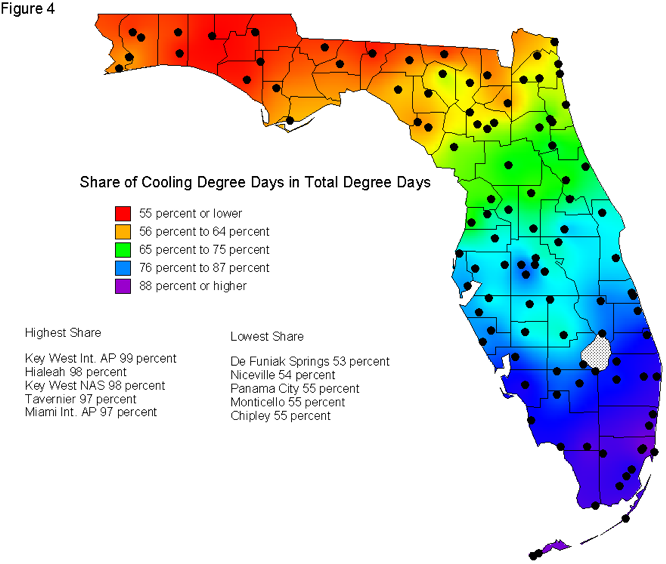
While often perceived as a monolithic entity, Florida actually encompasses several distinct climate zones, each with its own nuances in temperature and rainfall. These variations are subtle but can influence the perceived “coolness” of the state.
Northern Florida
The northern part of the state, stretching from the Panhandle down to around Gainesville, experiences a more pronounced seasonal swing. Winters here are cooler, with occasional frost and even rare snow flurries in the western Panhandle. Summers are still hot and humid, but generally less intense than in the southern regions.
Panhandle Peculiarities
The Panhandle enjoys a humid subtropical climate, influenced by proximity to the Gulf of Mexico and the Atlantic Ocean. This means warm to hot summers and mild winters. The “cooling down” here is most noticeable from late October through March, when daytime temperatures can be comfortably in the 60s and 70s Fahrenheit.
North Central Florida
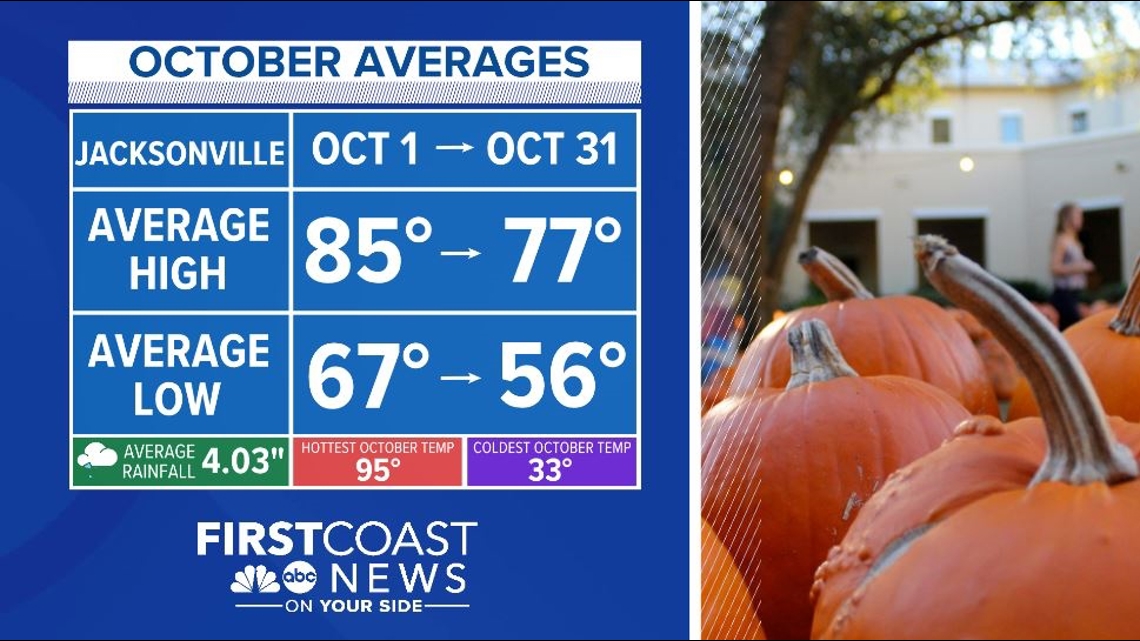
Cities like Tallahassee and Jacksonville experience similar patterns. While the humidity remains a factor, the crisp air of autumn and the cooler, drier air of winter offer a welcome respite from the summer swelter.
Central Florida
This region, home to the world-renowned theme parks of Orlando and the vibrant cities of Tampa and St. Petersburg, experiences a true tropical monsoon climate. Summers are characterized by high temperatures, abundant sunshine, and frequent, intense thunderstorms, often in the afternoon.
Orlando’s Summer Intensity
Orlando and its surrounding theme parks, such as Walt Disney World and Universal Orlando Resort, are at their hottest and most humid from June through August. The heat index can frequently exceed 100°F. The “cool down” period here is less about a sharp drop in temperature and more about a gradual decrease in humidity and a more pleasant overall feel.
The Bay Area’s Breezes
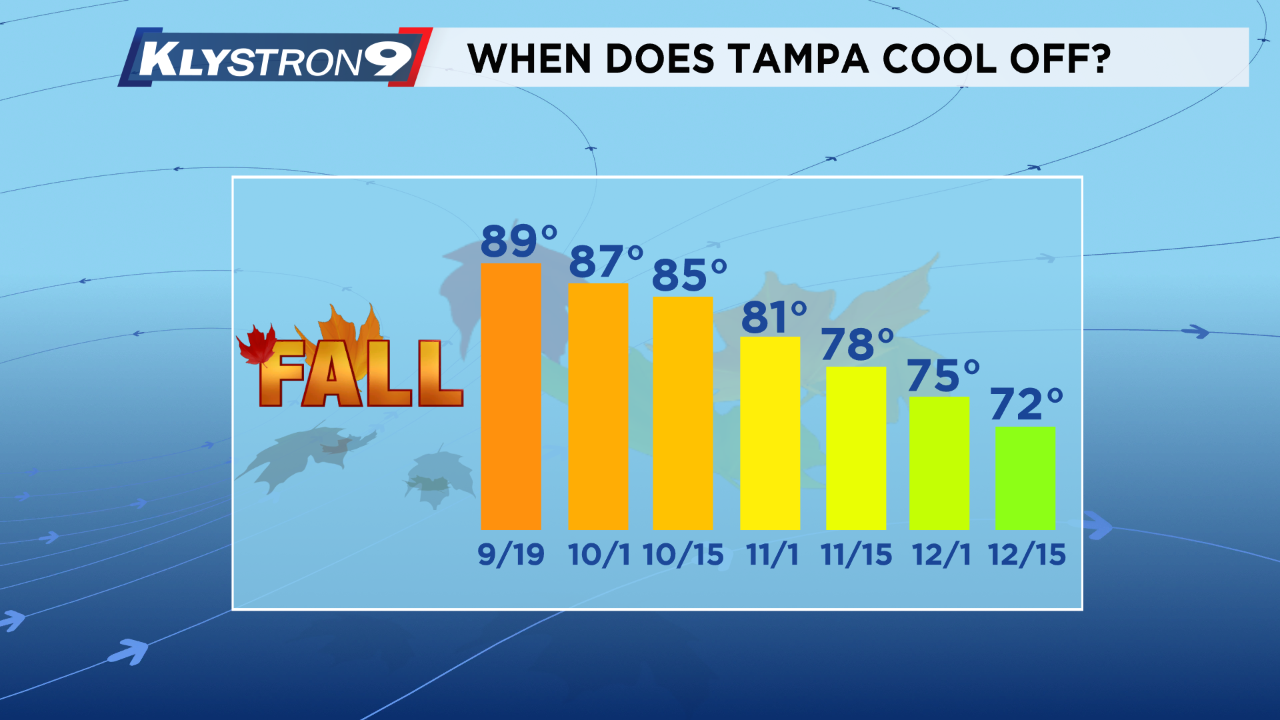
The Tampa Bay Area benefits from coastal breezes, which can offer some relief. However, like the rest of central Florida, it is subject to the intense summer heat.
South Florida
The southernmost part of the state, including Miami, Fort Lauderdale, and the Florida Keys, boasts a tropical monsoon climate. Here, the concept of a true “cool down” is significantly different from the northern regions. Winters are exceptionally mild, with very few days dipping below 70°F.
Miami’s Tropical Embrace
Miami is almost perpetually warm. While there are distinct wet and dry seasons, the temperature rarely drops to what most would consider “cool.” The most significant shift occurs between the rainy summer season and the drier, slightly less humid winter.
The Florida Keys’ Subtropical Comfort
The Florida Keys are the epitome of year-round warmth. The coolest months are December to February, but even then, daytime highs typically hover in the mid-70s. The “cool down” here is more about a reduction in oppressive humidity and a gentler sun.
The Seasons of “Cooling Down”
Based on these climate variations, we can identify distinct periods when Florida generally feels cooler and more comfortable for outdoor activities.
Autumn: The True Cooling Begins (September – November)
This is arguably the most popular time for many to visit Florida, and for good reason. The oppressive heat and humidity of summer begin to recede, making way for more pleasant weather.
September’s Lingering Heat
While technically autumn, September in much of Florida still feels very much like summer. Humidity levels remain high, and afternoon thunderstorms are still common. However, the intensity of the heat starts to wane, especially towards the end of the month. Hurricane season also peaks in September, so while the weather might start to hint at cooler days, it’s essential to stay aware of tropical weather advisories.
October’s Golden Glow
October is often considered the sweet spot for a “cool” Florida experience. Humidity levels drop significantly, and average daily temperatures fall into the comfortable 70s and low 80s Fahrenheit across most of the state. The air feels crisper, especially in the mornings and evenings. This is an ideal time for exploring theme parks without the constant threat of heat exhaustion, enjoying outdoor dining, or visiting Everglades National Park without the sweltering conditions.
November’s Autumnal Charm
By November, Florida truly embraces autumn. Northern and central Florida can experience delightfully cool days, with highs often in the 60s and 70s. Even South Florida enjoys a noticeable drop in humidity, making beach days and outdoor exploration more comfortable. This month is perfect for visiting attractions like St. Augustine, the nation’s oldest continuously inhabited European-established settlement, or exploring the natural springs of central Florida.
Winter: The Driest and Mildest Season (December – February)
Florida’s winter is a welcome relief for many seeking to escape colder climates. While not “cool” in the traditional sense for those in northern latitudes, it represents the coolest and driest period of the year for the state.
December’s Holiday Cheer
December brings cooler temperatures statewide, particularly in northern Florida, where average highs are in the 60s and 70s. The humidity is at its lowest, making for pleasant days and comfortable evenings. This is a fantastic time for enjoying outdoor festivals and holiday decorations, especially in cities like St. Petersburg or Miami.
January’s Crisp Air
January is typically the coolest month. Northern Florida might see occasional cold snaps, but overall, the days are mild and sunny, perfect for exploring attractions like Bok Tower Gardens or enjoying the beaches of the Gulf Coast. South Florida remains comfortably warm, often in the high 70s.
February’s Transition
February continues the trend of mild, dry weather. As the month progresses, temperatures begin to gradually increase, signaling the approach of spring. This month offers a wonderful balance for visitors, with warmth without the intense heat and humidity that defines the summer.
When to Avoid the Heat
To truly experience the “cool down” in Florida, it’s advisable to plan your visit outside the peak summer months.
Summer: The Peak of Heat and Humidity (June – August)
These months are characterized by intense heat, high humidity, and frequent, powerful thunderstorms. While popular for family vacations due to school schedules, visitors should be prepared for challenging conditions.
The Thunderstorm Factor
Florida’s summer weather is synonymous with afternoon thunderstorms. These are often brief but can be dramatic, bringing heavy rain, lightning, and strong winds. While they can offer a temporary cooling effect, they also disrupt outdoor plans.
Spring: The Transition Period (March – May)
Spring is a transitional season. Early spring (March) can still feel pleasantly cool, especially in northern Florida. However, as April and May progress, temperatures and humidity levels begin to climb steadily, signaling the return of summer-like conditions.
March’s Pleasant Start
March often offers a continuation of the pleasant winter weather, with mild temperatures and low humidity. It’s a great time for outdoor activities before the real heat sets in.
April’s Warming Trend
By April, temperatures are noticeably warmer, and humidity starts to increase. The days are longer and sunnier, making it a popular time for beach visits and outdoor events.
May’s Summer Prelude
May is essentially the prelude to summer. Heat and humidity build significantly, and the chances of thunderstorms increase. By Memorial Day weekend, it often feels like summer has fully arrived.
Planning Your Visit for Optimal Comfort
To maximize your enjoyment and avoid the most intense heat and humidity, consider the following:
- Best Time for “Cooling Down”: Late October through March offers the most consistently pleasant and cooler weather across the state.
- Shoulder Seasons for Balance: Early spring (March) and early autumn (late September to mid-October) can offer a good balance, with slightly warmer temperatures but still manageable humidity, especially if you prefer a warmer visit.
- Embrace the South Florida Winter: If you’re seeking mild warmth year-round, South Florida in December and January is ideal, offering a pleasant escape from colder climates without the oppressive summer heat.
- Prepare for Summer: If your travel dates are fixed during the summer months, plan accordingly. Stay hydrated, seek shade, utilize indoor attractions, and schedule outdoor activities for the early morning or late evening.
By understanding the subtle shifts in Florida’s climate and planning your visit around the periods of natural “cooling down,” you can ensure a more comfortable and enjoyable experience in the Sunshine State. Whether you’re aiming for crisp autumn air to explore historic sites in St. Augustine or mild winter days to enjoy the beaches of Clearwater, timing is key to unlocking the full potential of a Florida adventure.
LifeOutOfTheBox is a participant in the Amazon Services LLC Associates Program, an affiliate advertising program designed to provide a means for sites to earn advertising fees by advertising and linking to Amazon.com. Amazon, the Amazon logo, AmazonSupply, and the AmazonSupply logo are trademarks of Amazon.com, Inc. or its affiliates. As an Amazon Associate we earn affiliate commissions from qualifying purchases.