
Understanding the electoral timelines in the Sunshine State is crucial for residents and visitors alike, particularly those planning extended stays or considering relocation. While Florida is renowned for its captivating beaches, vibrant theme parks, and diverse cultural tapestry, its civic processes, including when voting officially opens, are integral to the experience of living or visiting for a significant period. This guide aims to demystify the voting schedule in Florida, offering clarity for individuals who may be engaging with the state’s political landscape for the first time.
Understanding Florida’s Election Calendar
Florida operates on a structured election calendar that dictates when various stages of the voting process commence. The most critical dates revolve around primary elections, general elections, and any special elections that may arise. For most Floridians, the primary focus will be on the statewide general election, typically held in November of even-numbered years. However, the lead-up to this significant event involves several key periods where participation becomes possible.
Voter Registration Deadlines
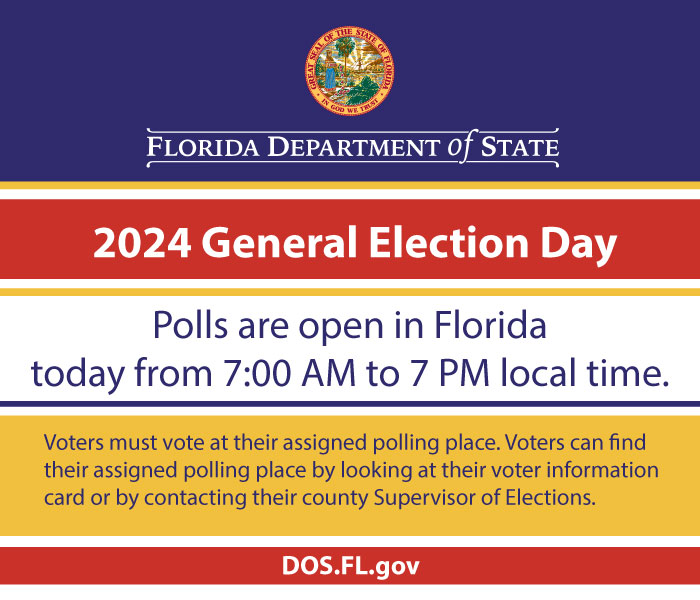
Before any voting can occur, individuals must be registered to vote. Florida has specific deadlines for voter registration that precede each election. These deadlines are typically 29 days before a general election and 22 days before a primary election. This means that for someone planning to vote in the November general election, their registration must be completed and submitted by early October. Likewise, for a primary election, registration must be finalized in the preceding weeks. It’s imperative for anyone new to the state, or those who have recently moved, to verify their registration status and update their information if necessary well in advance of these deadlines. The Florida Division of Elections website is the definitive source for these exact dates, which can fluctuate slightly based on the specific election year.
Early Voting Periods
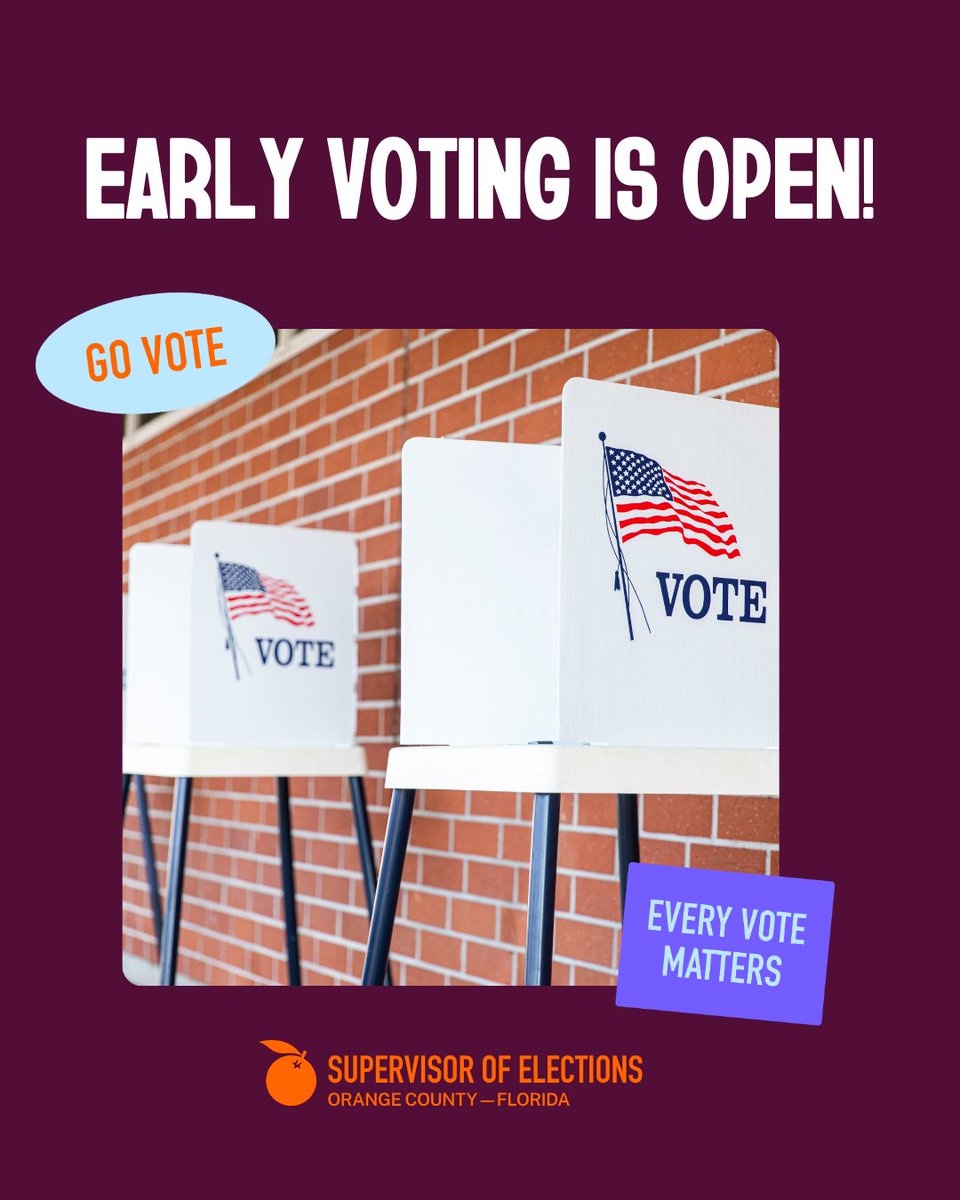
Once registered, Floridians have the option of early voting. Early voting periods are established by county supervisors of elections and can vary. However, state law mandates that early voting must begin no later than the 10th day before a general election and end no later than the 3rd day before the general election. For primary elections, early voting must begin no later than the 7th day before the primary and end no later than the 3rd day before. This provides a convenient window of opportunity for voters to cast their ballots in person without the need to wait for Election Day. The exact start and end dates for early voting within a specific county are published by the local supervisor of elections office and are widely advertised to ensure public awareness. This flexibility is particularly beneficial for those who may have travel plans or work commitments on Election Day itself, allowing them to fulfill their civic duty at their convenience.
Mail-In Ballots: A Flexible Voting Option
Florida also offers a robust mail-in ballot system, often referred to as absentee voting. Voters can request a mail-in ballot to be sent to their designated address. The request for a mail-in ballot must be received by the supervisor of elections no later than 10 days before an election. Once received, voters can complete their ballot and return it either by mail or by hand-delivery to their county supervisor of elections office. Ballots returned by mail must be postmarked by Election Day and received by the supervisor of elections no later than 5 p.m. on the day of the election. Ballots hand-delivered must be received by the supervisor of elections by the close of polls on Election Day. This method offers unparalleled flexibility, allowing voters to cast their ballot from anywhere, whether they are within Florida or traveling abroad. It’s a popular option for many residents, including those who are frequent travelers to destinations like Orlando or Miami, or those who simply prefer the convenience of voting from home.
Requesting and Returning Mail-In Ballots
The process of requesting a mail-in ballot is straightforward. Eligible voters can submit a written request through mail, fax, or online via the Florida Division of Elections website. The request must include specific identifying information, such as the voter’s date of birth and driver’s license number or the last four digits of their Social Security number. It is crucial to ensure the request is received by the deadline. Upon receiving the ballot, voters should carefully read the instructions, mark their selections, and ensure they sign the affidavit on the return envelope. The timely return of the ballot is paramount to ensuring it is counted. For those residing in tourist hubs like Fort Lauderdale or planning a visit to the Florida Keys, understanding these timelines is essential to maintaining their voting eligibility.
Special Elections and Referendums
Beyond the regular primary and general elections, Florida may also hold special elections to fill vacancies in elected offices or to vote on specific ballot initiatives and referendums. The timelines for these elections are often determined by the circumstances leading to the vacancy or the timing of the proposed amendment. Public notices are issued by the Florida Secretary of State and local supervisors of elections, detailing the dates for candidate qualifying, voter registration, early voting, and Election Day for these special contests. While less frequent than general elections, these events are equally important, and voters should stay informed about any special election schedules that may affect their community. Whether one is enjoying the theme parks of Tampa or exploring the natural beauty of the Everglades, being aware of potential special elections ensures continuous civic engagement.
Understanding Ballot Initiatives
Ballot initiatives and referendums allow Florida voters to directly propose, amend, or repeal laws or constitutional provisions. These can range from local bond issues to statewide constitutional amendments. The process for qualifying these measures for the ballot is extensive, involving signature gathering and review by the Florida Supreme Court. Once approved, their election date is set, and voters have the opportunity to weigh in. These are crucial components of Florida’s democratic process and provide an avenue for direct citizen participation in shaping the state’s governance, much like how citizens might shape the experience of visiting a destination like St. Augustine through local ordinances or community initiatives.

Staying Informed: Resources for Voters
Navigating the voting process in Florida is made simpler with access to reliable information. The Florida Division of Elections is the primary official source for all election-related information, including voter registration status, polling place lookups, candidate information, and official election dates. Additionally, each of Florida’s 67 counties has a Supervisor of Elections office, which serves as the local authority responsible for administering elections within their jurisdiction. These offices provide county-specific details on polling locations, early voting sites, and local election contests. For individuals residing in or visiting major metropolitan areas like Jacksonville or enjoying the cultural attractions of the Florida Panhandle, staying connected with their local Supervisor of Elections is key. For those new to the state, perhaps having recently purchased a property in areas like Naples, actively seeking out this information early is a proactive step towards civic participation. Many non-partisan organizations also provide voter education resources, helping to break down complex election information into easily digestible formats. Remaining engaged and informed ensures that every eligible voter in Florida can confidently cast their ballot when voting opens. This knowledge is as fundamental to being a resident as understanding the best times to visit Key West for its vibrant festivals or knowing the opening hours of attractions like Walt Disney World Resort.
LifeOutOfTheBox is a participant in the Amazon Services LLC Associates Program, an affiliate advertising program designed to provide a means for sites to earn advertising fees by advertising and linking to Amazon.com. Amazon, the Amazon logo, AmazonSupply, and the AmazonSupply logo are trademarks of Amazon.com, Inc. or its affiliates. As an Amazon Associate we earn affiliate commissions from qualifying purchases.