
The journey between two iconic American cities, Nashville, Tennessee, and Chicago, Illinois, is a popular route for travelers seeking to experience the diverse cultural landscapes of the Midwest and the South. Understanding the distance and the various ways to traverse this path is crucial for efficient and enjoyable travel planning. This exploration delves into the geographical expanse, travel times, and recommended modes of transportation for navigating the approximately 400 miles that separate these vibrant metropolises. Whether you’re drawn to Nashville’s country music scene or Chicago’s architectural marvels and culinary delights, planning your trip begins with a clear understanding of the logistics involved.
Understanding the Distance and Travel Times
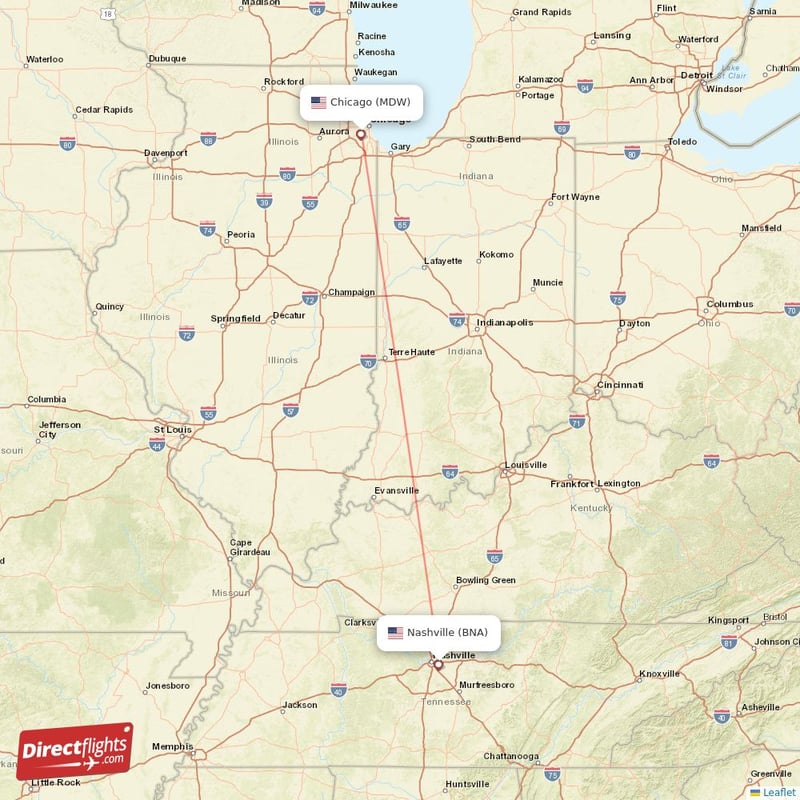
The direct, straight-line distance, or “as the crow flies,” between Nashville and Chicago is roughly 400 miles (approximately 640 kilometers). However, the actual driving distance, which accounts for road networks and topographical variations, is typically a bit longer, ranging from 470 to 500 miles (756 to 805 kilometers), depending on the specific route taken. This difference is a common consideration when planning road trips, as the chosen highways and intermediate stops can influence the total mileage.
Driving: The Most Popular Route
The most common and direct driving route from Nashville to Chicago typically involves heading north on Interstate 65 (I-65) to Indianapolis, Indiana, and then transitioning to Interstate 90 (I-90) or Interstate 80 (I-80) for the remainder of the journey into Chicago. This route offers a blend of scenic landscapes and well-maintained highways, making it a comfortable choice for many travelers.
The estimated driving time, without significant traffic delays or extended breaks, is generally between 7 and 9 hours. This duration can be heavily influenced by several factors, including:
- Traffic Conditions: Both Nashville and Chicago are major metropolitan areas, and traffic congestion, especially during peak hours, holidays, or weekends, can add considerable time to your journey. I-65, particularly as it approaches Indianapolis, and the approaches to Chicago via I-90/I-80 are known for experiencing heavy traffic.
- Road Construction: Construction projects are common on major interstates and can lead to lane closures, detours, and significant delays. It’s advisable to check real-time traffic updates and road conditions before and during your trip.
- Weather: Inclement weather, such as snow and ice during winter months or heavy rain and storms during other seasons, can drastically slow down travel times and may even necessitate temporary road closures.
- Stops and Breaks: The estimated driving time usually accounts for minimal stops. If you plan to stop for meals, fuel, or to visit attractions along the way, you will need to add that time to your total travel duration.
Alternative Driving Routes
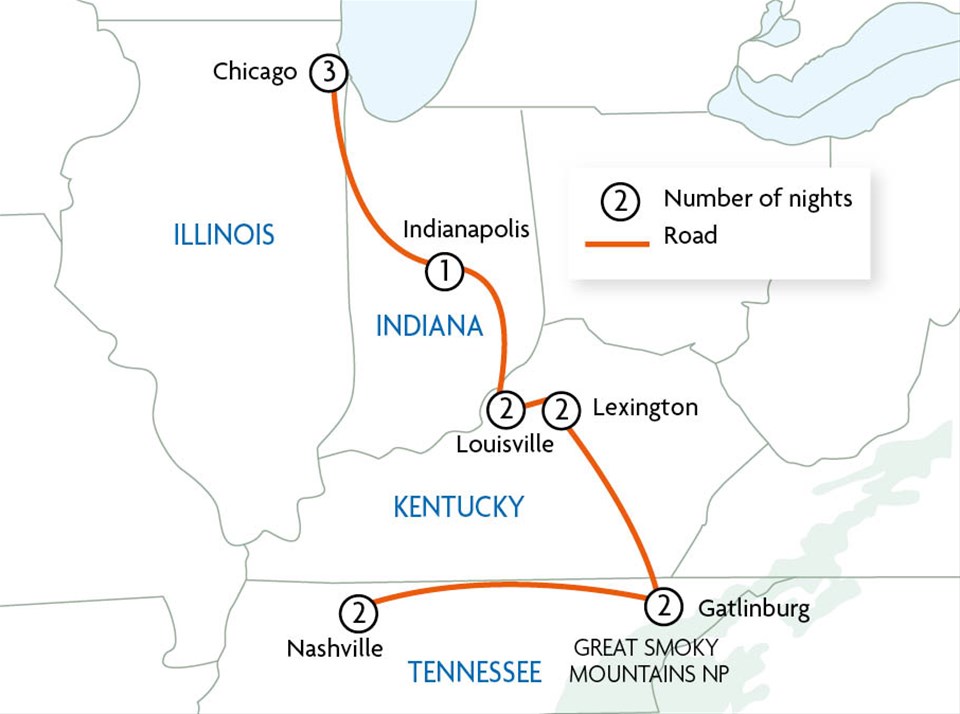
While I-65 North to I-90/I-80 is the most direct, other routes exist. Some travelers might opt for a route that takes them further east through Kentucky and Ohio before heading north towards Chicago. This could involve highways like Interstate 75 (I-75) and then connecting to other east-west routes. These alternatives might offer different scenic views or pass through different cities, but they generally add to the overall mileage and driving time. For instance, a route through eastern Indiana and northern Ohio could add 50-100 miles and an additional hour or two to the journey.
Flights: The Fastest Option
For those prioritizing speed and minimizing travel time, flying between Nashville and Chicago is the most efficient option. Both cities boast significant airports, offering numerous daily flights.
Airports of Operation
- Nashville International Airport (BNA): Serves the Nashville metropolitan area and is a hub for several airlines.
- Chicago O’Hare International Airport (ORD): One of the busiest airports in the world, serving as a major hub for United Airlines and a focus city for others.
- Chicago Midway International Airport (MDW): Primarily serves as a focus city for Southwest Airlines and handles a significant volume of domestic traffic.
Flight Duration and Logistics
The actual flight time between Nashville and Chicago is relatively short, typically ranging from 1 hour and 30 minutes to 2 hours. However, it’s essential to factor in the total travel time, which includes:
- Travel to the Airport: Getting to Nashville International Airport from your starting point in Nashville can take anywhere from 20 minutes to over an hour, depending on traffic and your location.
- Airport Procedures: Arriving at the airport at least 1.5 to 2 hours before a domestic flight is recommended to allow ample time for check-in, security screening, and reaching your gate.
- Flight Time: The duration of the flight itself.
- Travel from the Airport: Upon arrival at either O’Hare International Airport or Midway International Airport, you will need time to deplane, collect any checked luggage, and then travel to your final destination in Chicago. This can take another 30 minutes to over an hour, depending on traffic and your destination within the city.

Therefore, while the flight itself is brief, the end-to-end travel experience for flying typically spans between 4 and 6 hours, significantly less than driving. Many airlines operate direct flights, offering convenience and avoiding layovers.
Train Travel: A Scenic and Relaxed Alternative
For those who prefer a more leisurely and scenic travel experience, train travel offers a unique perspective on the American landscape. Amtrak provides service between Nashville and Chicago.
The Amtrak Experience
The primary Amtrak route connecting these two cities is typically the “Illinois Central” route, which has seen service changes over the years. It’s crucial to verify the current operational status and schedule directly with Amtrak. When the service is active, it offers a journey that allows passengers to relax, work, or simply enjoy the passing scenery without the stress of driving or the rush of air travel.
Duration and Considerations
Train journeys between Nashville and Chicago are considerably longer than driving or flying. The travel time can range from approximately 10 to 12 hours or more, depending on the specific train and any potential delays. While this is the slowest option in terms of pure transit time, it offers distinct advantages:
- Comfort and Space: Trains generally offer more legroom and the ability to move around compared to airplanes.
- Scenery: The route passes through various towns and rural landscapes, providing a different visual experience than highways.
- Onboard Amenities: Amtrak trains often provide dining cars, lounge cars, and the option for private sleeper accommodations on longer routes, enhancing the travel experience.
- Convenience: Train stations are often located in city centers, potentially reducing the need for lengthy transfers to and from airports.
However, the extended travel time means this option is best suited for travelers who are not on a tight schedule and who appreciate the journey as much as the destination. It’s also important to note that train schedules can be subject to delays, as freight trains often have priority on the tracks.
Considerations for Planning Your Trip
When deciding on the best way to travel from Nashville to Chicago, several factors should influence your choice.
Budget
- Driving: Fuel costs, potential accommodation for overnight stops, and vehicle wear and tear are the primary expenses. This can be cost-effective for groups or families, especially if you can share the driving and split accommodation costs.
- Flying: Ticket prices fluctuate significantly based on booking time, airline, and demand. Factor in the cost of baggage, transportation to and from airports, and potentially higher prices for last-minute bookings.
- Train: Amtrak tickets can vary. While sometimes comparable to or even cheaper than flights, they can also be more expensive, especially for private rooms. The cost includes the entire journey without additional transportation needs if the train station is conveniently located.
Time Constraints
For travelers with limited time, flying is the undisputed winner. Driving is a viable option for those with at least one full day dedicated to travel or who prefer to break up the journey with an overnight stop. Train travel is best reserved for those with ample time who can enjoy a more relaxed pace.
Travel Style and Preferences
- Adventure and Flexibility: Driving offers the most flexibility to stop at roadside attractions, explore smaller towns, and change your itinerary on the fly.
- Efficiency and Speed: Flying is the choice for those who want to reach their destination as quickly as possible.
- Relaxation and Scenery: Train travel appeals to those who enjoy the journey itself, wish to avoid the stress of driving, and appreciate the opportunity to observe the changing landscapes.
Regardless of your chosen mode of transport, planning ahead is essential. Booking flights and train tickets in advance often secures better prices. For driving, researching the best routes, potential rest stops, and current road conditions will ensure a smoother trip. Understanding the distance and the various travel options between Nashville and Chicago empowers you to make an informed decision that best suits your travel needs and preferences, setting the stage for a memorable experience in either of these magnificent cities.
LifeOutOfTheBox is a participant in the Amazon Services LLC Associates Program, an affiliate advertising program designed to provide a means for sites to earn advertising fees by advertising and linking to Amazon.com. Amazon, the Amazon logo, AmazonSupply, and the AmazonSupply logo are trademarks of Amazon.com, Inc. or its affiliates. As an Amazon Associate we earn affiliate commissions from qualifying purchases.