
Navigating the beautiful, sun-drenched landscapes of Florida can be an enriching experience, offering diverse ecosystems from pristine beaches to lush forests. However, for many outdoor enthusiasts, a pressing question arises when planning a trip to the Sunshine State: the potential presence of poison ivy. Understanding which plants to avoid is crucial for a safe and enjoyable journey, particularly for those venturing into natural areas like state parks, nature trails, or even their own backyards. While the iconic, three-leafed nemesis of many northern climes might not be the dominant player in Florida’s botanical realm, the state certainly hosts its share of allergenic flora.

Understanding Florida’s Allergenic Plants
While the specific plant known as Toxicodendron radicans, or common poison ivy, is indeed found in Florida, it is not as ubiquitous or as prevalent as it is in some other parts of the United States. This might lead to a common misconception that it’s absent altogether. However, other equally, if not more, irritating plants share the Florida landscape, often mimicking the allergenic properties of poison ivy and requiring similar caution. Identifying these plants and understanding their habitats is the first step towards avoiding uncomfortable encounters.
The Presence of True Poison Ivy in Florida
Common poison ivy (Toxicodendron radicans) is native to Florida and can be found in various habitats, including woodlands, fields, and disturbed areas. It typically grows as a vine or a low shrub and is characterized by its compound leaves, each composed of three leaflets. The central leaflet has a longer stalk than the two side leaflets. Leaf color can vary from green in the summer to shades of red, orange, or yellow in the fall. Despite its presence, its distribution might be more localized compared to regions where it thrives in dense stands. This can be influenced by soil type, humidity, and the availability of climbing or trailing surfaces. The urushiol oil present in all parts of the plant is the culprit behind the characteristic itchy rash.
Other Urushiol-Bearing Plants to Be Aware Of
Beyond common poison ivy, Florida is home to other members of the Toxicodendron genus, which produce the same allergenic urushiol oil. Awareness of these plants can significantly reduce the risk of contact dermatitis.
Poison Oak (Atlantic Poison Oak)
Atlantic poison oak (Toxicodendron pubescens) is another significant concern in Florida. Unlike its vining cousin, poison oak typically grows as a shrub, usually reaching heights of up to three feet. Its leaves are also composed of three leaflets, but they tend to be lobed, resembling oak leaves, hence its name. The leaflets are often fuzzy and may have a notched or wavy margin. This plant prefers sandy soils and is commonly found in open woods, fields, and along roadsides across the state. The urushiol oil in poison oak can cause a severe allergic reaction, indistinguishable from that of poison ivy.
Poison Sumac
While less common in Florida than poison ivy or poison oak, poison sumac (Toxicodendron vernix) can still be encountered. This plant is typically found in very wet, swampy, or boggy areas, often in the northern and western parts of the state. Poison sumac is a shrub or a small tree and is easily identifiable by its compound leaves, which have 7-13 smooth-edged leaflets arranged in pairs along a central stem, with a single leaflet at the tip. Unlike poison ivy and poison oak, its leaflets are not lobed. Because of its preference for wet habitats, encounters are less frequent for the average visitor, but it poses a significant allergic threat if found.
Japanese Lacquer Tree
A less commonly discussed but still potentially allergenic plant is the Japanese lacquer tree (Toxicodendron vernicifluum). While primarily cultivated for its sap used in lacquerware, it can escape cultivation and naturalize in certain areas. This tree can grow quite large and also contains urushiol oil, posing a risk of allergic reactions upon contact. Its leaves are typically trifoliate, similar to poison ivy, but can be larger and more elongated.
Identifying and Avoiding Contact
The key to enjoying Florida’s natural beauty without suffering from an allergic reaction is proper identification and avoidance. Understanding the characteristics of these plants and being vigilant when exploring natural environments is paramount.
Visual Identification Clues
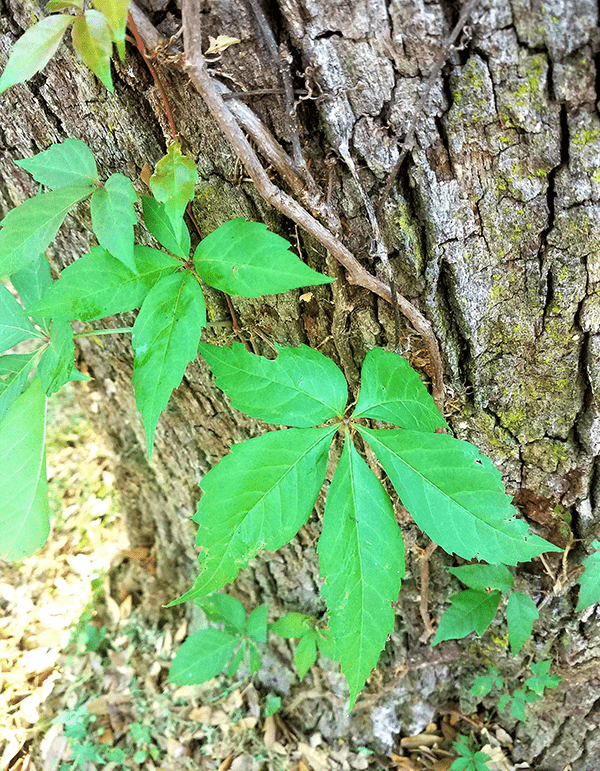
Familiarize yourself with the appearance of poison ivy, poison oak, and poison sumac. Remember the rhyme: “Leaves of three, let it be.” While a useful mnemonic for poison ivy and poison oak, it’s important to note that poison sumac has more leaflets.

- Poison Ivy: Three leaflets, central leaflet stalked, variable leaf shape (smooth, toothed, or lobed), can be vine or shrub.
- Atlantic Poison Oak: Three leaflets, often lobed and fuzzy, typically a shrub.
- Poison Sumac: 7-13 smooth-edged leaflets in pairs, prefers wet habitats.
Always observe plants from a safe distance. Do not touch any unfamiliar plants, especially those with three leaflets or in damp environments, unless you are absolutely certain of their identity and safety.
Where These Plants Are Found
These allergenic plants thrive in various Florida ecosystems. They are commonly found in:
- Woodlands and Forests: Especially in edges and clearings where sunlight can penetrate.
- Fields and Meadows: Open, sunny areas are ideal.
- Swamps and Bogs: Primarily where poison sumac is present.
- Disturbed Areas: Roadsides, hiking trails, and neglected fields where they can easily establish themselves.
- Parks and Recreational Areas: Many Florida State Parks and natural areas may contain these plants. Visitors should stay on marked trails and avoid brushing against vegetation.
Protective Measures
When venturing into areas where allergenic plants might be present, taking precautions is essential.
- Wear Protective Clothing: Long sleeves, long pants, closed-toe shoes, and gloves can significantly reduce skin exposure. Tucking pants into socks can provide an extra layer of protection.
- Stay on Trails: Stick to designated paths in parks and natural areas to minimize contact with surrounding vegetation.
- Educate Yourself and Companions: Ensure everyone in your group, especially children, can identify these plants and understands the importance of avoiding them.
- Use Barrier Creams: Some commercial barrier creams can help prevent urushiol from penetrating the skin.
What to Do If You Come into Contact
Despite best efforts, accidental contact can occur. Prompt action can mitigate the severity of the reaction.
Immediate Action
The most critical step is to remove the urushiol oil from the skin as quickly as possible.
- Wash Thoroughly: As soon as you suspect contact, wash the affected skin with soap and cool water. Use a generous amount of soap and rinse thoroughly. A washcloth can help remove oil from hairs.
- Clean Contaminated Items: Urushiol can remain active on clothing, tools, and even pets for extended periods. Wash clothing separately in hot water with detergent. Clean gardening tools, shoes, and any other items that may have come into contact with the plants. If you have pets that may have run through the plants, bathe them carefully.
Managing a Rash
If a rash develops, it’s important to manage the symptoms to alleviate itching and promote healing.
- Over-the-Counter Treatments: Calamine lotion, hydrocortisone cream, and oral antihistamines can help relieve itching.
- Cool Compresses: Applying cool, wet compresses can soothe the skin and reduce inflammation.
- Avoid Scratching: While difficult, scratching can worsen the rash, lead to infection, and spread the oil if it hasn’t been fully removed.
- Seek Medical Advice: If the rash is severe, covers a large area of the body, is on the face or genitals, or shows signs of infection (pus, increased redness, fever), consult a doctor.
Enjoying Florida’s Outdoors Safely
Florida offers a wealth of natural wonders, from the vibrant coral reefs off the coast of the Florida Keys to the unique Everglades ecosystem. By understanding the potential presence of allergenic plants like poison ivy, poison oak, and poison sumac, and by taking simple yet effective preventative measures, visitors and residents can explore the state’s diverse landscapes with confidence. The beauty of Florida is best appreciated when you can do so comfortably and without the lingering discomfort of an unfortunate botanical encounter. Always prioritize safety and awareness when immersing yourself in nature.
LifeOutOfTheBox is a participant in the Amazon Services LLC Associates Program, an affiliate advertising program designed to provide a means for sites to earn advertising fees by advertising and linking to Amazon.com. Amazon, the Amazon logo, AmazonSupply, and the AmazonSupply logo are trademarks of Amazon.com, Inc. or its affiliates. As an Amazon Associate we earn affiliate commissions from qualifying purchases.