
Florida, a peninsula embraced by the warm waters of the Atlantic Ocean and the Gulf of Mexico, is renowned for its sunshine, theme parks, and pristine beaches. However, beneath its perpetually sunny façade lies a distinct weather pattern that shapes its landscape and influences the experiences of visitors and residents alike: the monsoon season, or more accurately, the wet season. Understanding when this period occurs is crucial for planning any trip to the Sunshine State, whether your goal is to explore the Everglades or simply relax on the shores of Miami Beach.
Understanding Florida’s Wet Season
While not a monsoon in the classic South Asian sense, Florida experiences a pronounced wet season characterized by frequent, intense, and often localized thunderstorms. This period is distinct from the dry season, which typically runs from October through May. The wet season is driven by a combination of factors, primarily the increase in atmospheric moisture due to higher temperatures and the influence of prevailing wind patterns.
The Influence of Heat and Humidity
The Florida wet season is intrinsically linked to the state’s high summer temperatures. As the sun beats down on the land and water, evaporation increases, pumping significant amounts of moisture into the atmosphere. This warm, humid air is a key ingredient for the development of the towering cumulonimbus clouds that define Florida’s summer storms. The air becomes heavy, often feeling thick and oppressive, signaling the imminent possibility of rain.
Wind Patterns and Convection
During the wet season, the prevailing winds across Florida shift. While the dry season is often characterized by easterly trades, the summer months see a dominance of southwesterly flow, bringing moisture from the Caribbean Sea and the Gulf of Mexico inland. This influx of moisture, combined with the intense daytime heating, fuels convective activity. Convection is the process where warm, moist air rises, cools, and condenses to form clouds and precipitation. These updrafts and downdrafts within the developing thunderstorms create the dramatic weather displays Floridians are accustomed to.
The Timeline of Florida’s Wet Season
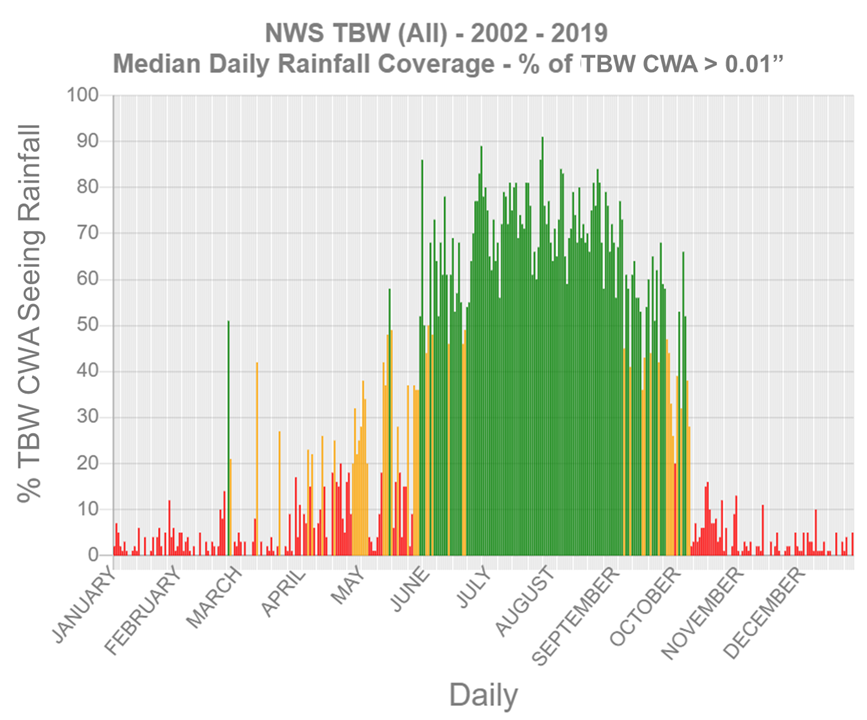
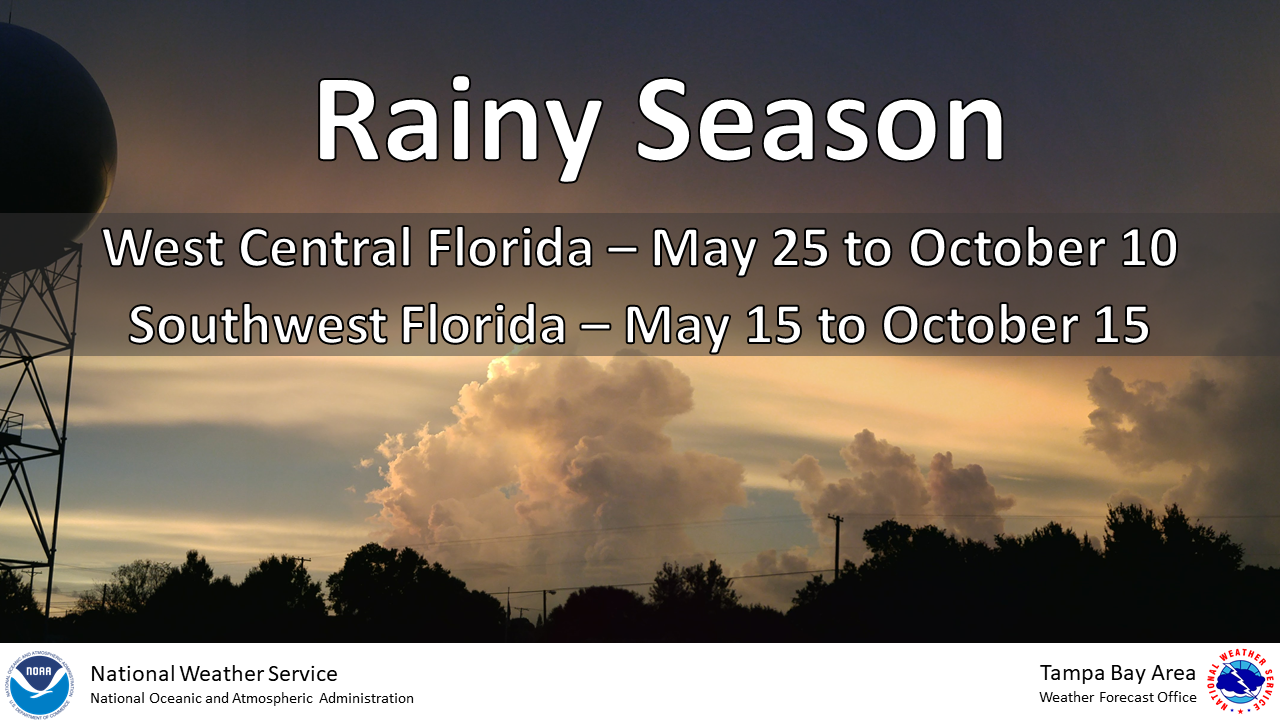
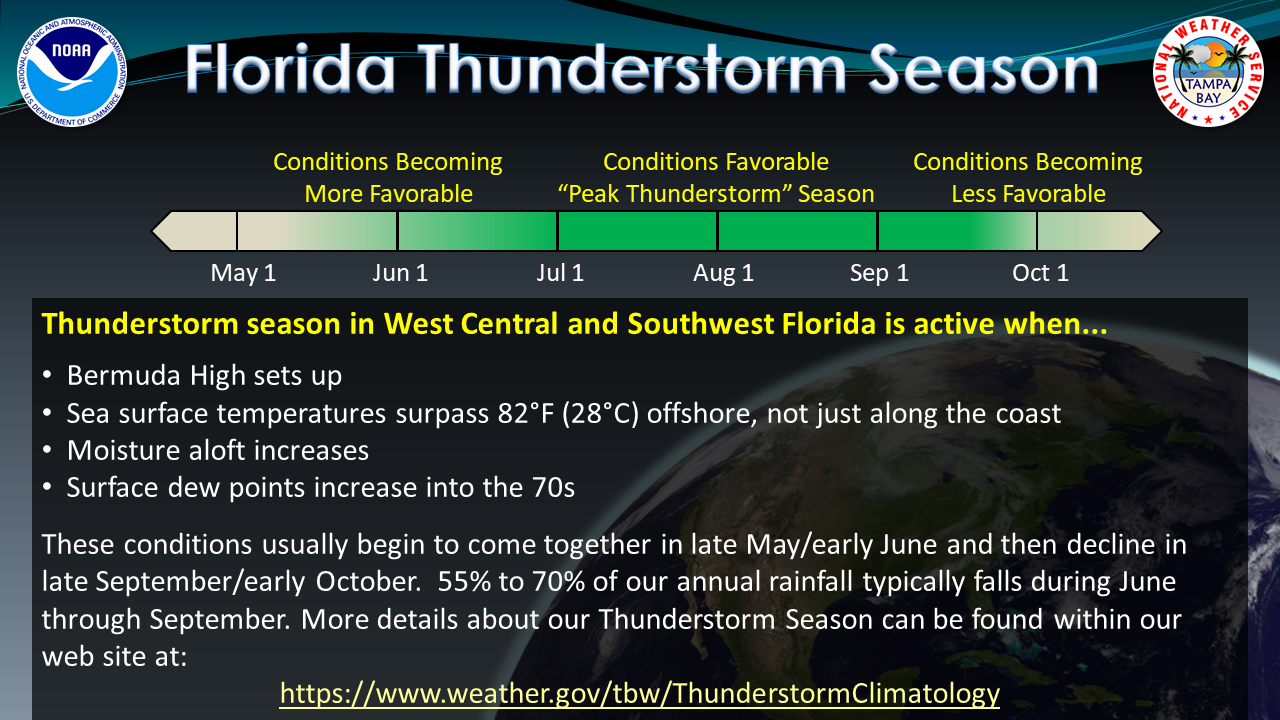
Florida’s wet season generally begins in early June and extends through September. This four-month period is when the state receives a substantial portion of its annual rainfall. While rain is possible at any time of year, these months are marked by a significant increase in both the frequency and intensity of precipitation.
Early June: The Transition Begins
As May gives way to June, a palpable shift occurs in Florida’s weather. The dry, pleasant conditions begin to be replaced by increasing humidity and the first signs of afternoon thunderstorms. These early storms can be somewhat sporadic, but they serve as a clear indicator that the wet season is taking hold. Temperatures consistently climb into the upper 80s and 90s Fahrenheit, with heat indices often exceeding 100 degrees Fahrenheit, further contributing to atmospheric instability.
Mid-Summer: The Peak of the Rains
July and August represent the absolute peak of Florida’s wet season. During these months, daily afternoon thunderstorms become a routine occurrence across much of the state. These storms are typically characterized by their short duration but impressive intensity. They often develop rapidly in the late morning or early afternoon, bringing heavy downpours, lightning, thunder, and sometimes strong gusty winds. Hail and even brief, localized tornadoes are possible, though less common. Despite the frequent rain, the sun often reappears shortly after a storm passes, leading to a cycle of sun, rain, and sun throughout the afternoon. The Keys and South Florida, in particular, can experience prolonged periods of rain during this time.
Late September: The Gradual Retreat
As September progresses, the intensity and frequency of the thunderstorms begin to wane. While significant rainfall is still possible, the storms tend to become less predictable and the overall atmospheric instability gradually decreases. This marks the slow transition back towards the drier, more pleasant conditions of the fall. The humidity may linger into early October in some years, but by mid-October, the onset of the dry season is usually evident.
Characteristics of Florida Wet Season Rainfall
Florida’s wet season precipitation is not like a steady, all-day rain that might fall in other climates. Instead, it is characterized by a distinct pattern that is important for any traveler to understand.
Afternoon Thunderstorms
The hallmark of the Florida wet season is the daily afternoon thunderstorm. These storms are typically convective in nature, meaning they are fueled by the intense daytime heating of the land. They usually form inland during the late morning and early afternoon, then move westward towards the coast, or drift with the prevailing winds. A typical storm might last anywhere from 30 minutes to an hour, often bringing dramatic lightning displays and torrential downpours.
High Intensity, Short Duration
When it rains during the wet season, it often rains hard. These downpours can lead to rapid flooding in low-lying areas, especially in urban environments where drainage systems can be overwhelmed. However, these intense bursts of rain are usually short-lived. The sun can often break through the clouds again within an hour, drying out the streets and returning a sense of normalcy to the weather.
Tropical Influence and Disturbances
While not the primary driver of the daily storms, the wet season also coincides with the height of hurricane season in the Atlantic Basin. Tropical waves and even fully formed tropical storms and hurricanes can impact Florida during this period. These systems bring more sustained rainfall, stronger winds, and a greater risk of widespread flooding and storm surge. While not every wet season includes a hurricane, the potential for such events is highest during these months.
Planning Your Florida Visit Around the Wet Season
Knowing when Florida’s wet season occurs can significantly enhance your travel experience. It’s not about avoiding rain altogether, but about understanding the weather patterns and adjusting your expectations and activities accordingly.
Embracing the Storms
The dramatic thunderstorms are a spectacle in themselves and a quintessential part of the Florida experience during the summer. They offer a chance to witness nature’s power and provide a refreshing break from the heat. Many visitors find joy in watching storms roll in from a covered balcony or a cozy cafe. The dramatic lightning displays over the ocean can be particularly mesmerizing.
Scheduling Flexibility
The key to enjoying Florida during the wet season is to build flexibility into your itinerary. Plan outdoor activities for the morning, before the thunderstorms typically develop. This is an ideal time for visiting popular attractions like Walt Disney World or exploring the beaches of Clearwater Beach. Reserve indoor activities or relaxed dining for the afternoons when storms are most likely. Museums, aquariums, shopping malls, and excellent restaurants offer ample opportunities for enjoyment regardless of the weather.
Packing Essentials
When traveling to Florida during the wet season, be sure to pack accordingly. A lightweight, waterproof jacket or poncho is essential. Waterproof footwear or shoes that dry quickly are also advisable. Consider bringing a waterproof bag or cover for your electronics. Even if you don’t plan on being out in the rain, unexpected downpours can occur.
Choosing Your Destination Wisely
While the wet season affects the entire state, there can be regional variations. Coastal areas might experience slightly different storm patterns than inland cities like Orlando or Tampa. Areas with extensive natural landscapes, such as the Florida Keys or the Panhandle, can experience localized flooding more readily. Researching the specific weather patterns of your intended destination within Florida can be beneficial.
The Benefits of Traveling During the Wet Season
Despite the rain, traveling to Florida during its wet season can offer distinct advantages. Prices for flights and accommodations are often lower than during the peak dry season months. Crowds at major attractions may also be slightly reduced, offering a more relaxed experience. Furthermore, the lush green landscapes resulting from the abundant rainfall are breathtakingly beautiful.
Beyond the Thunderstorms: Other Considerations
While the wet season is primarily defined by its thunderstorms, other atmospheric phenomena can influence travel plans.
Humidity and Heat
The combination of high temperatures and significant humidity during the wet season can be challenging for some visitors. The heat index, which measures how hot it feels when humidity is factored in, can regularly exceed 100 degrees Fahrenheit. Staying hydrated, seeking air-conditioned environments, and limiting strenuous outdoor activity during the hottest parts of the day are crucial for comfort and health.
Hurricane Season Overlap
It’s important to reiterate that Florida’s wet season significantly overlaps with its hurricane season, which officially runs from June 1st to November 30th, with the peak typically occurring from mid-August to late October. While not every storm develops into a hurricane, being aware of the possibility and staying informed about weather forecasts is a prudent measure for anyone traveling during this period. Many travelers choose travel insurance that covers weather-related disruptions.
Conclusion: Embracing Florida’s Tropical Rhythm
Florida’s wet season, though distinct from traditional monsoons, is a defining characteristic of the state’s climate. From early June through September, visitors can expect a daily rhythm of sunshine punctuated by dramatic, often brief, afternoon thunderstorms. By understanding this pattern, planning accordingly, and embracing the unique beauty and energy of these tropical downpours, travelers can ensure a memorable and enjoyable experience in the Sunshine State. The vibrant green landscapes, the dramatic skies, and the refreshing relief that the rain brings are all part of Florida’s captivating tropical allure.
LifeOutOfTheBox is a participant in the Amazon Services LLC Associates Program, an affiliate advertising program designed to provide a means for sites to earn advertising fees by advertising and linking to Amazon.com. Amazon, the Amazon logo, AmazonSupply, and the AmazonSupply logo are trademarks of Amazon.com, Inc. or its affiliates. As an Amazon Associate we earn affiliate commissions from qualifying purchases.