
Navigating the complexities of health insurance can often feel like charting a course through unfamiliar waters. For residents of Florida, understanding the annual Open Enrollment period is paramount to securing the healthcare coverage that best suits their needs and budget. This period, a once-a-year opportunity, dictates when individuals and families can enroll in or switch health insurance plans offered through the Affordable Care Act (ACA) Marketplace, also known as HealthCare.gov. Missing this window means potentially being without coverage for the entire year, unless you qualify for a Special Enrollment Period due to a qualifying life event. Therefore, pinpointing the exact dates for the 2025 Open Enrollment is crucial for Floridians planning their healthcare strategy.
Understanding Open Enrollment and Its Significance
Open Enrollment is a vital component of the Affordable Care Act (ACA), designed to ensure that a broad spectrum of the population has access to health insurance. It’s a period when individuals and families can:
- Enroll in a new health insurance plan: If you are currently uninsured or your current plan is not meeting your needs, Open Enrollment is your chance to explore the options available on the Marketplace.
- Switch to a different health insurance plan: If you are already enrolled in a Marketplace plan, you can change to another plan during Open Enrollment if you find one that offers better benefits, lower costs, or a more convenient network of doctors and hospitals.
- Renew your existing health insurance plan: If you are satisfied with your current plan and do not wish to make changes, you will typically need to re-enroll during Open Enrollment to continue your coverage for the following year. Failure to re-enroll can result in automatic renewal into your current plan or termination of coverage, depending on specific plan provisions.
The significance of Open Enrollment cannot be overstated. It is the primary mechanism through which individuals can obtain subsidized health insurance, making coverage more affordable. Plans offered on the Marketplace are eligible for premium tax credits and cost-sharing reductions, which can significantly lower out-of-pocket expenses. Without enrolling during this designated period, access to these crucial financial assistance programs is generally lost. This makes meticulous planning and timely action essential for anyone seeking to leverage these benefits.
The ACA Marketplace in Florida
In Florida, residents access the federal ACA Marketplace at HealthCare.gov. This online platform serves as a central hub where individuals can compare different health insurance plans from various private insurers, view estimated costs, and determine their eligibility for financial assistance. The marketplace offers a range of plan types, including HMOs, PPOs, and EPOs, each with different networks of healthcare providers and cost structures.
The plans are categorized into metal tiers—Bronze, Silver, Gold, and Platinum—which reflect the level of coverage and the proportion of healthcare costs the plan is designed to cover. Bronze plans offer the lowest monthly premiums but higher out-of-pocket costs, while Platinum plans have the highest premiums but cover the most significant portion of healthcare expenses. Silver plans are particularly important as they are the only tier eligible for cost-sharing reductions, which further lower deductibles, copayments, and coinsurance for individuals and families with incomes between 100% and 250% of the federal poverty level.
Key Dates for 2025 Open Enrollment in Florida
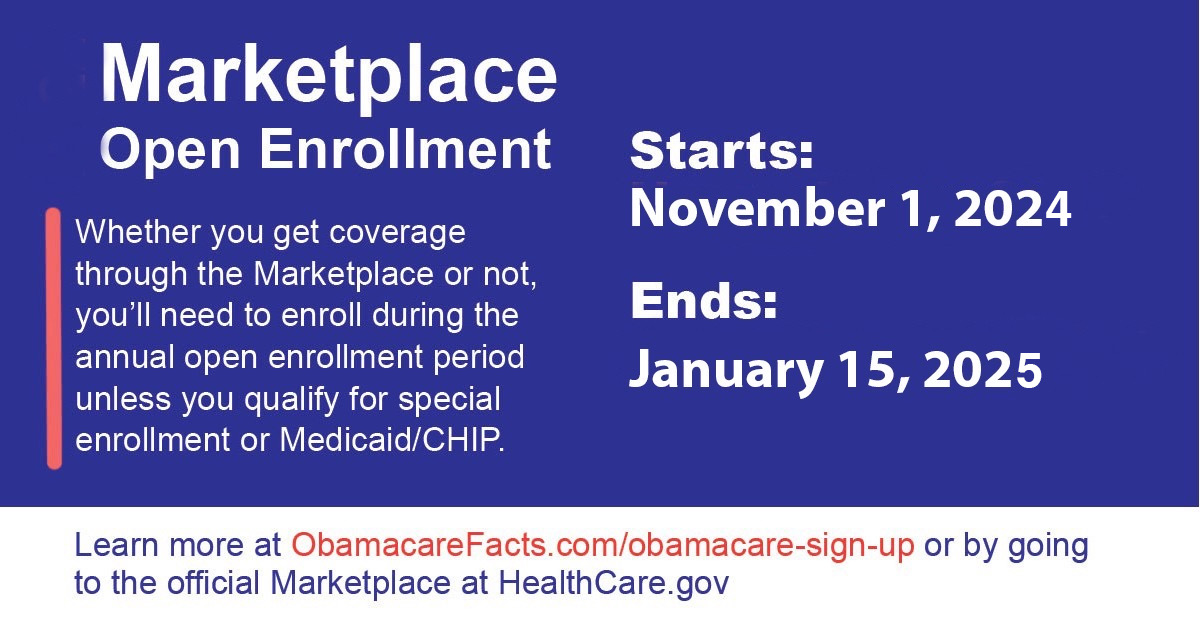
For the 2025 health insurance year, the 2025 Open Enrollment Period (OEP) on HealthCare.gov is scheduled to run from November 1, 2024, to January 15, 2025. This timeframe applies to most states, including Florida. However, there’s a crucial detail for Floridians regarding plan selection and effective dates.
- Enroll by December 15, 2024: If you want your new health insurance coverage to begin on January 1, 2025, you must enroll in or change your plan by December 15, 2024. This date is critical for ensuring continuous coverage from the start of the new year.
- Enroll by January 15, 2025: If you enroll or change plans after December 15, 2024, but by the final deadline of January 15, 2025, your coverage will likely begin on February 1, 2025.
It’s important to note that some states operate their own ACA Marketplaces and may have different Open Enrollment dates. However, Florida utilizes the federal platform, HealthCare.gov, making these the operative dates for the vast majority of its residents seeking Marketplace plans.
Planning Your Enrollment Strategy
Proactive planning is key to a smooth Open Enrollment experience. Rushing to make a decision at the last minute can lead to suboptimal choices or missed deadlines. Here’s a strategic approach to help you navigate the process effectively:
1. Assess Your Healthcare Needs
Before the enrollment period even begins, take stock of your healthcare utilization over the past year and anticipate your needs for the upcoming one. Consider:

- Medical Services: Are you expecting any significant medical procedures, surgeries, or ongoing treatments in 2025?
- Prescription Drugs: Do you or members of your family regularly take prescription medications? If so, research which plans offer the best coverage and lowest costs for those specific drugs.
- Doctor and Hospital Preferences: Do you have a primary care physician or specialist you wish to continue seeing? Are there specific hospitals you prefer? Verify that your preferred providers are in the network of any plan you are considering.
- Deductibles and Out-of-Pocket Maximums: How much are you comfortable paying out-of-pocket for healthcare services? Plans with lower monthly premiums often have higher deductibles and out-of-pocket maximums, meaning you’ll pay more if you need extensive care.
2. Review Your Current Plan and Costs
If you currently have an ACA Marketplace plan, it’s essential to review your existing coverage. Don’t assume that your current plan will automatically renew with the same benefits or premiums. Insurers often make changes year-over-year.
- Check Your Renewal Notice: You should receive a notice from your insurer detailing any changes to your plan, including premium adjustments, changes in benefits, or alterations to the provider network.
- Compare with New Options: Use this information as a baseline to compare with new plans available on the Marketplace. You might find a more cost-effective plan with similar or improved benefits.
3. Explore Financial Assistance
The ACA Marketplace offers significant financial assistance to eligible individuals and families, making health insurance more accessible.
- Premium Tax Credits: These credits, also known as subsidies, directly reduce your monthly premium payment. Eligibility is based on your household income and family size. The American Rescue Plan Act and the Inflation Reduction Act have temporarily expanded eligibility for these credits, often making coverage more affordable than ever for many Floridians.
- Cost-Sharing Reductions (CSRs): If you enroll in a Silver plan and your income falls within a certain range (100% to 250% of the federal poverty level), you may qualify for CSRs. These reduce your deductibles, copayments, and coinsurance, making your healthcare services less expensive when you use them.
When you apply for coverage on HealthCare.gov, you will be prompted to provide income information, and the system will automatically calculate your potential eligibility for these savings. It is highly recommended to have your estimated household income for 2025 ready when you begin your application.
4. Utilize Marketplace Tools and Resources
HealthCare.gov provides numerous tools to assist you in making informed decisions:
- Plan Comparison Tool: This feature allows you to compare different plans side-by-side based on premiums, deductibles, out-of-pocket maximums, covered services, and estimated out-of-pocket costs for common medical events.
- Assister Programs: Certified Application Counselors and Navigators are available to provide free, unbiased assistance to help you understand your options and complete your enrollment. You can find local assisters through the HealthCare.gov website.
- Provider Search: Many insurers offer tools on their websites to help you search for in-network doctors, hospitals, and pharmacies.
Special Enrollment Periods: An Alternative Path to Coverage
While Open Enrollment is the primary opportunity to obtain health insurance, certain life events can trigger a Special Enrollment Period (SEP), allowing you to enroll in or change plans outside the standard Open Enrollment dates. If you experience one of these qualifying life events, you typically have 60 days from the date of the event to enroll.
Common qualifying life events include:
- Losing other health coverage: This includes losing job-based coverage, coverage from a Medicaid or Medicare plan, or a parent’s plan if you turn 26.
- Getting married or divorced: Marriage can allow you to join your spouse’s plan, while divorce may allow you to enroll in a plan if you lose coverage through your ex-spouse.
- Having or adopting a child: This event allows you to add a newborn or newly adopted child to your plan.
- Moving to a new area: If you move to a new zip code or county, you may qualify for an SEP.
- Significant income changes: A substantial change in income that affects your eligibility for Marketplace subsidies or Medicaid can trigger an SEP.
It is crucial to understand the specific requirements and deadlines for SEPs, as missing the 60-day window typically means waiting until the next Open Enrollment period.
Preparing for the Future of Health Coverage in Florida
The landscape of health insurance is dynamic, with policy changes and market adjustments occurring regularly. Staying informed about the official dates for Open Enrollment and understanding the intricacies of the ACA Marketplace are not just administrative tasks but essential components of responsible financial and personal health planning. For Floridians, the 2025 Open Enrollment period, running from November 1, 2024, to January 15, 2025, with a critical deadline of December 15, 2024, for January 1 coverage, offers a vital opportunity to secure adequate and affordable health insurance. By taking a proactive approach, assessing individual needs, reviewing current plans, and exploring all available financial assistance options, residents can navigate this period with confidence and ensure their healthcare needs are met throughout the coming year. Remember to visit HealthCare.gov for the most accurate and up-to-date information.
LifeOutOfTheBox is a participant in the Amazon Services LLC Associates Program, an affiliate advertising program designed to provide a means for sites to earn advertising fees by advertising and linking to Amazon.com. Amazon, the Amazon logo, AmazonSupply, and the AmazonSupply logo are trademarks of Amazon.com, Inc. or its affiliates. As an Amazon Associate we earn affiliate commissions from qualifying purchases.