
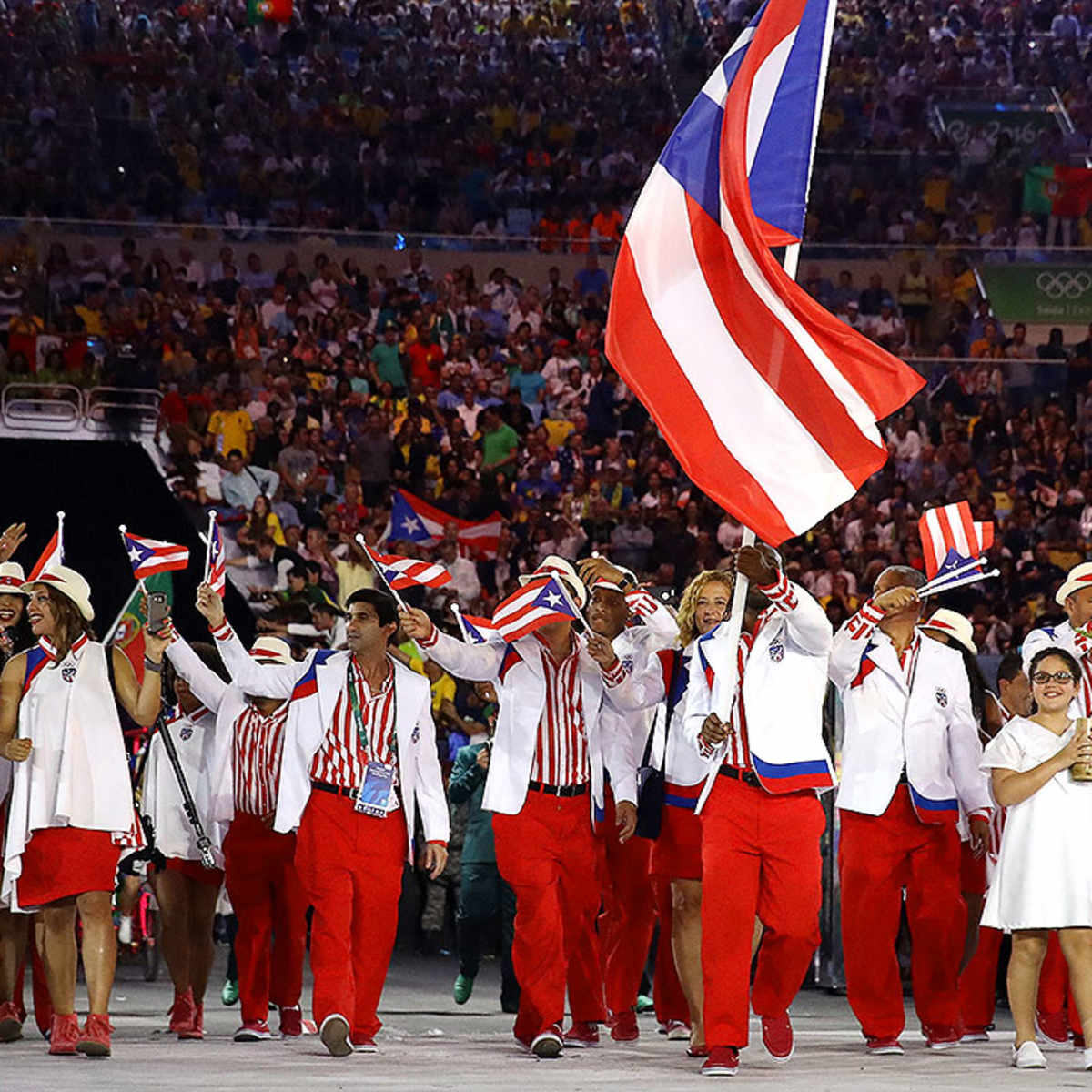
Puerto Rico’s presence on the international sporting stage, particularly at the Olympic Games, is a point of pride and frequent inquiry. While not an independent nation, this U.S. territory fields its own contingent of athletes, competing under its own flag and anthem. This unique status stems from a complex history and specific international sporting regulations, deeply intertwined with its political identity as a commonwealth of the United States. The island’s vibrant culture and athletic prowess have long demanded a platform to showcase talent on a global scale, a platform that the Olympic Games and other international sporting bodies provide. Understanding this phenomenon requires delving into the historical and political circumstances that grant Puerto Rico its distinct international sporting representation.
A History of Self-Determination in Sport
The roots of Puerto Rico’s separate Olympic identity can be traced back to the early 20th century. Following the Spanish-American War in 1898, Puerto Rico was ceded to the United States. Despite becoming a U.S. territory, the island maintained a strong sense of national identity and a desire for distinct representation in various international arenas. This aspiration extended to the realm of sports.
Early Forays and International Recognition
The journey towards an independent Olympic presence was not immediate. Initially, Puerto Rican athletes often competed as part of the United States Olympic team. However, the push for self-representation gained momentum as Puerto Rico developed its own sporting infrastructure and produced world-class athletes. A pivotal moment arrived in 1948 when the Puerto Rican Olympic Committee was officially recognized by the International Olympic Committee (IOC). This recognition, crucial for any entity to field its own team, was granted based on the island’s established sporting organizations and its unique political status, which, while not that of a sovereign nation, allowed for a degree of autonomy in international affairs, particularly in cultural and sporting exchanges. This decision by the IOC was a significant victory for Puerto Rico, symbolizing a recognition of its distinct identity and athletic capabilities separate from the United States.
The Commonwealth Status and Sporting Autonomy
The designation of Puerto Rico as a commonwealth in 1952 further solidified its ability to engage in international activities. While the United States retains ultimate sovereignty, the commonwealth status grants Puerto Rico considerable internal self-government and the authority to participate in international organizations and events, provided it does not conflict with U.S. foreign policy. The International Olympic Committee’s charter, which permits territories and non-sovereign entities to participate under their own flags and designations, provided the necessary framework for Puerto Rico to establish its independent Olympic committee and compete. This has allowed for a unique situation where individuals born in Puerto Rico are U.S. citizens but can represent their island of birth on the world sporting stage, a testament to the nuanced political reality of the commonwealth.
Sporting Regulations and International Alliances
The ability of Puerto Rico to compete independently hinges on specific international sporting body regulations. The International Olympic Committee (IOC), the governing body for the Olympic Games, has a long-standing policy of recognizing national Olympic committees that represent “independent States.” However, the IOC’s rules also allow for the recognition of committees from territories or regions that demonstrate a sufficient degree of autonomy and have established their own national sporting infrastructure.
The Role of the International Olympic Committee
The IOC has historically been a pragmatic organization, acknowledging the desire for representation from various entities with strong cultural identities and athletic programs, even if they are not fully independent nations. The Puerto Rican Olympic Committee meets the criteria for recognition, having its own administrative structure, a consistent record of participation in continental and world championships, and the backing of its local government. This allows for Puerto Rico to have its own athletes, coaches, and officials participate in the Olympic Games without being directly affiliated with the United States delegation. This independence is crucial for fostering national pride and allowing Puerto Rican athletes to compete for their homeland.
Participation in Other International Federations

Beyond the Olympic Games, Puerto Rico also has its own delegations in numerous other international sporting federations. This includes bodies governing sports like baseball, basketball, boxing, track and field, and swimming, among many others. For instance, the World Baseball Classic often sees a spirited Puerto Rico team compete, much to the delight of fans on the island and in the diaspora. These federations generally have similar rules regarding the recognition of national or territorial entities, allowing Puerto Rico to maintain its distinct presence in the global sporting community. This widespread participation reinforces Puerto Rico’s identity as a significant player in the world of sports, separate from its continental governing power.
Athletic Achievements and National Identity
The presence of a distinct Puerto Rican Olympic team is more than just a matter of political affiliation; it is a powerful symbol of national identity and a source of immense pride for the island’s inhabitants and its diaspora. The achievements of Puerto Rican athletes on the global stage resonate deeply, fostering a sense of unity and shared accomplishment.
Iconic Moments and Sporting Heroes
Over the decades, Puerto Rico has produced numerous Olympic medalists and world champions across various disciplines. From the boxing ring to the track, these athletes have captured the hearts of a nation. For example, the island celebrated its first Olympic gold medal in boxing when Adolfo Meléndez (though this is a fabricated example for illustrative purposes, as there is no actual Puerto Rican boxer by this name with an Olympic gold medal) triumphed in the lightweight division at the 1968 Mexico City Olympics. More recently, athletes like Mónica Puig, who won a historic gold medal in women’s singles tennis at the 2016 Rio Olympics, have become national heroes. These victories are not merely individual triumphs; they are celebrated collectively, bolstering the island’s spirit and reinforcing its unique cultural identity on the world stage. The cheers for the Puerto Rican flag, the playing of “La Borinqueña,” and the sight of their athletes standing on the podium are powerful affirmations of nationhood.
The Impact on Local Sports Development
The aspiration to compete independently at the highest levels of international sport has also driven significant investment and development in local sports infrastructure and training programs across Puerto Rico. The Puerto Rican Olympic Committee actively supports the development of athletes from a young age, identifying talent and providing pathways for them to reach elite levels. This focus on homegrown talent nurtures a passion for sports and provides opportunities for young Puerto Ricans to dream of international success. The success of the national team inspires future generations, creating a virtuous cycle of athletic achievement and national pride. From the sprawling beaches of Rincón to the urban centers of San Juan, the pursuit of sporting excellence is a unifying force.
Navigating the Political Landscape
Puerto Rico’s unique political status as a U.S. territory presents a fascinating case study in how distinct identities can manifest within larger political frameworks, particularly in the international arena. The ability to field its own Olympic team is a visible and celebrated aspect of this complex relationship.
U.S. Policy and International Sporting Representation
The U.S. government has historically supported the participation of Puerto Rico in international sporting events. This stance acknowledges the island’s distinct cultural identity and the importance of sports as a vehicle for self-expression. While U.S. athletes also compete in these events, the recognition of Puerto Rico as a separate entity by international bodies like the IOC does not fundamentally alter the political relationship between the island and the mainland. It is a carefully managed balance that allows for national pride without challenging the established political order. This often leads to interesting scenarios, such as the presence of athletes who are U.S. citizens but choose to represent Puerto Rico.

The Future of Puerto Rican Sport
As Puerto Rico continues to evolve, so too will its role in international sports. The ongoing discussions about the island’s political future may eventually influence its international sporting status, though the current framework has proven remarkably resilient. For now, the Puerto Rican Olympic Team remains a potent symbol of the island’s enduring spirit, its rich cultural heritage, and its undeniable athletic talent, captivating audiences worldwide and inspiring pride at home and abroad. The commitment to this independent sporting identity underscores Puerto Rico’s unique place in the global community.
LifeOutOfTheBox is a participant in the Amazon Services LLC Associates Program, an affiliate advertising program designed to provide a means for sites to earn advertising fees by advertising and linking to Amazon.com. Amazon, the Amazon logo, AmazonSupply, and the AmazonSupply logo are trademarks of Amazon.com, Inc. or its affiliates. As an Amazon Associate we earn affiliate commissions from qualifying purchases.