
The allure of Florida is undeniable, a sun-drenched paradise that beckons millions of visitors each year. However, the Sunshine State’s climate is as dynamic as its attractions, with distinct seasons influencing the very fabric of a vacation. For those planning a trip, particularly those seeking to escape the chill of other regions, understanding the arrival and impact of cold fronts is paramount to curating the perfect experience. While Florida is synonymous with warmth, its weather patterns can shift, bringing cooler, more invigorating air that, for many, signifies an ideal time to explore its diverse offerings. This guide delves into the typical timing of cold fronts, their influence on Florida’s atmosphere, and how savvy travelers can leverage this knowledge to plan their visits.

Understanding Florida’s Unique Climate Patterns
Florida’s geographic position at the southeastern tip of the United States, surrounded by the Atlantic Ocean and the Gulf of Mexico, creates a subtropical to tropical climate. This maritime influence moderates temperatures, preventing the extreme highs and lows seen in continental interiors. However, it also makes the state particularly susceptible to weather systems originating from the north, including the much-anticipated cold fronts.
The Anatomy of a Florida Cold Front
A cold front is a boundary in the atmosphere where a mass of colder air is replacing a mass of warmer air. In Florida, these fronts are typically associated with drier, cooler air moving in from the continental interior. Their arrival is often signaled by a shift in wind direction, a drop in temperature, and a decrease in humidity. While a true “freeze” is rare in most of the state, a significant cold front can bring temperatures down considerably, especially in the northern and central regions.
Seasonal Variations: Summer vs. Winter
The impact and frequency of cold fronts are intrinsically linked to the seasons.
Summer Dominance: The Heat and Humidity
During the summer months, roughly from June through September, Florida is firmly under the influence of the Bermuda High pressure system. This system brings hot, humid conditions with frequent afternoon thunderstorms. Cold fronts are virtually nonexistent during this period. Visitors seeking respite from heat are unlikely to find it from atmospheric shifts in summer. Instead, they must rely on air-conditioned attractions, coastal breezes, or the occasional cool down from a localized thunderstorm.
Fall Transition: The Beginning of the Cool Down
As summer wanes, typically in October, the influence of the Bermuda High begins to weaken, and the jet stream shifts southward. This allows cold fronts to begin making their way into Florida. Early fall fronts might only bring a slight dip in temperatures and a noticeable decrease in humidity, providing a welcome relief from the oppressive summer heat. These are often referred to as “cool fronts” rather than “cold fronts” by locals. They can bring crisp, sunny days that are perfect for outdoor activities.
Winter Majesty: The Peak of Cold Front Activity
The period from November through March is when cold fronts are most frequent and impactful. These fronts can bring significant temperature drops, especially to North Florida. Nights can become quite chilly, sometimes dipping into the 40s and even 30s Fahrenheit in cities like Tallahassee. South Florida, including areas around Miami and the Florida Keys, usually experiences milder temperatures, often remaining in the 60s and 70s Fahrenheit, but still a noticeable reprieve from the heat. This is often considered the “high season” for many tourist activities due to the pleasant weather.
Spring Revival: A Gradual Return to Warmth
As spring progresses, from April onwards, cold fronts become less frequent and their impact diminishes. Temperatures begin to rise steadily, and the humidity starts to creep back in. By May, the summer pattern is typically re-establishing itself, and the arrival of the next significant cold front is months away.
When to Expect the Cold Front’s Arrival: A Seasonal Breakdown
Pinpointing the exact date of a cold front’s arrival is impossible, as weather is inherently unpredictable. However, understanding the general trends allows for strategic planning.
Early Indicators: The October Shift
October is a transitional month. While some days can still feel like summer, the first few significant cold fronts typically make their presence known. These are often characterized by a refreshing drop in humidity and cooler nighttime temperatures, making it an excellent time for exploring outdoor attractions like theme parks or embarking on a camping trip. For those who find summer heat unbearable, early October offers a glimpse of relief.
The Sweet Spot: November Through February
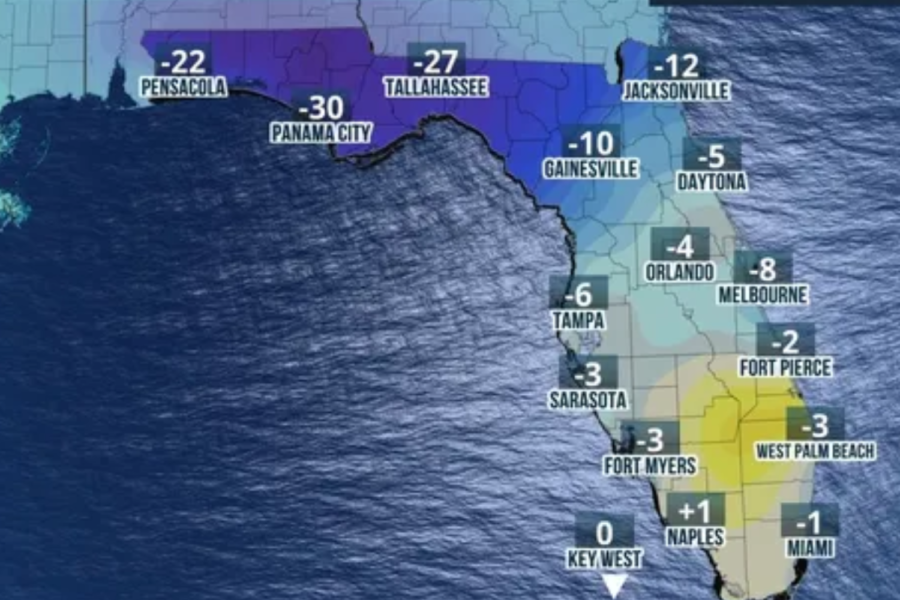
The period from November through February is generally considered the prime time for experiencing the “best” weather in Florida. This is when cold fronts are most consistently pushing through the state, bringing crisp, sunny days and comfortably cool nights.
- November: The transition is in full swing. Expect a mix of pleasant, cooler days and occasional warmer spells. It’s a great month for beach visits without the intense summer sun.
- December: This month often sees some of the coolest temperatures of the year, particularly in North Florida. It’s perfect for enjoying outdoor festivals, holiday lights, and activities like visiting St. Augustine without the oppressive heat.
- January: Typically the coldest month, Florida can experience several cold fronts. This is ideal for those who enjoy cooler weather, visiting attractions like Everglades National Park without the biting insects, or participating in winter sports events if available.
- February: While still firmly in the cooler season, February begins to show signs of spring. Cold fronts are still common, but their intensity might start to wane towards the end of the month.
The Gradual Exit: March and April
March marks the beginning of spring, and while cold fronts can still occur, they are less frequent and generally milder. Temperatures are on the rise, and the state begins to shed its winter chill. April continues this trend, with warmer days becoming the norm, though occasional cool fronts can still provide a pleasant break.
Impact on Activities and Experiences
The arrival of a cold front profoundly impacts the types of activities best suited for a Florida vacation. Understanding these shifts can help travelers optimize their itinerary.
Outdoor Adventures in Cooler Air
When a cold front sweeps through, the typically sweltering Florida heat gives way to more comfortable temperatures. This is the opportune time for:
- Theme Park Exploration: Visiting attractions like Walt Disney World or Universal Orlando Resort becomes significantly more enjoyable when you’re not battling extreme heat and humidity. Lines might also be shorter during the shoulder seasons associated with cooler weather.
- Nature and Wildlife Viewing: Exploring the natural beauty of Florida, from the beaches of the Florida Keys to the cypress swamps of the interior, is far more pleasant in cooler temperatures. Birdwatching, hiking in parks like O’Leno State Park, and even airboat tours through the Everglades are enhanced by the absence of oppressive heat and a reduction in biting insects.
- Sporting Events and Golf: Florida is a hub for sports, and cooler weather makes attending outdoor games or playing a round of golf significantly more comfortable. Many professional golf tournaments are held during the winter months.
- Beach Activities: While not ideal for sunbathing in shorts and a t-shirt for extended periods in the depths of winter in North Florida, the milder temperatures are perfect for beachcombing, long walks, and enjoying the coastline without the risk of sunburn. South Florida beaches remain inviting for many activities year-round.
Indoor Pursuits and Evening Comfort
While outdoor activities are enhanced, cold fronts also make indoor attractions and evening experiences more appealing.
- Museums and Cultural Sites: Exploring the rich history and culture of Florida, from the Salvador Dalí Museum in St. Petersburg to the historic districts of cities like Savannah, Georgia (a popular day trip destination from Northern Florida), is a perfect way to spend time during a cooler spell.
- Dining and Entertainment: Enjoying Florida’s vibrant culinary scene, from fresh seafood in Key West to farm-to-table experiences inland, is more pleasurable when the evenings are cool. Cozying up in a restaurant or enjoying live music is a delightful way to experience local flavor.
- Shopping: Exploring the diverse shopping destinations, from the luxury boutiques of Miami Beach to the charming shops in towns like Mount Dora, is a comfortable option during cooler days.
Planning Your Florida Visit Around Cold Fronts
For the traveler seeking the quintessential Florida experience, characterized by pleasant weather and a break from extreme temperatures, aligning your visit with the typical cold front season is key.
The Ideal Window for Visitors
The period from mid-November through early March offers the most consistent opportunity to experience the beneficial effects of cold fronts. This timeframe generally avoids the peak hurricane season (which officially runs from June 1 to November 30) and the intense heat and humidity of summer.
- Shoulder Season Advantages: Visiting during these months often means fewer crowds and potentially lower prices on accommodations and flights compared to peak summer or holiday periods, especially outside of major holiday weeks.
- Packing Considerations: Even with cooler fronts, Florida weather can be variable. Packing layers is essential. Include light jackets, sweaters, long pants, and comfortable walking shoes. Evenings can get cool, especially in North Florida, so a warmer layer is advisable.
Tracking the Forecast
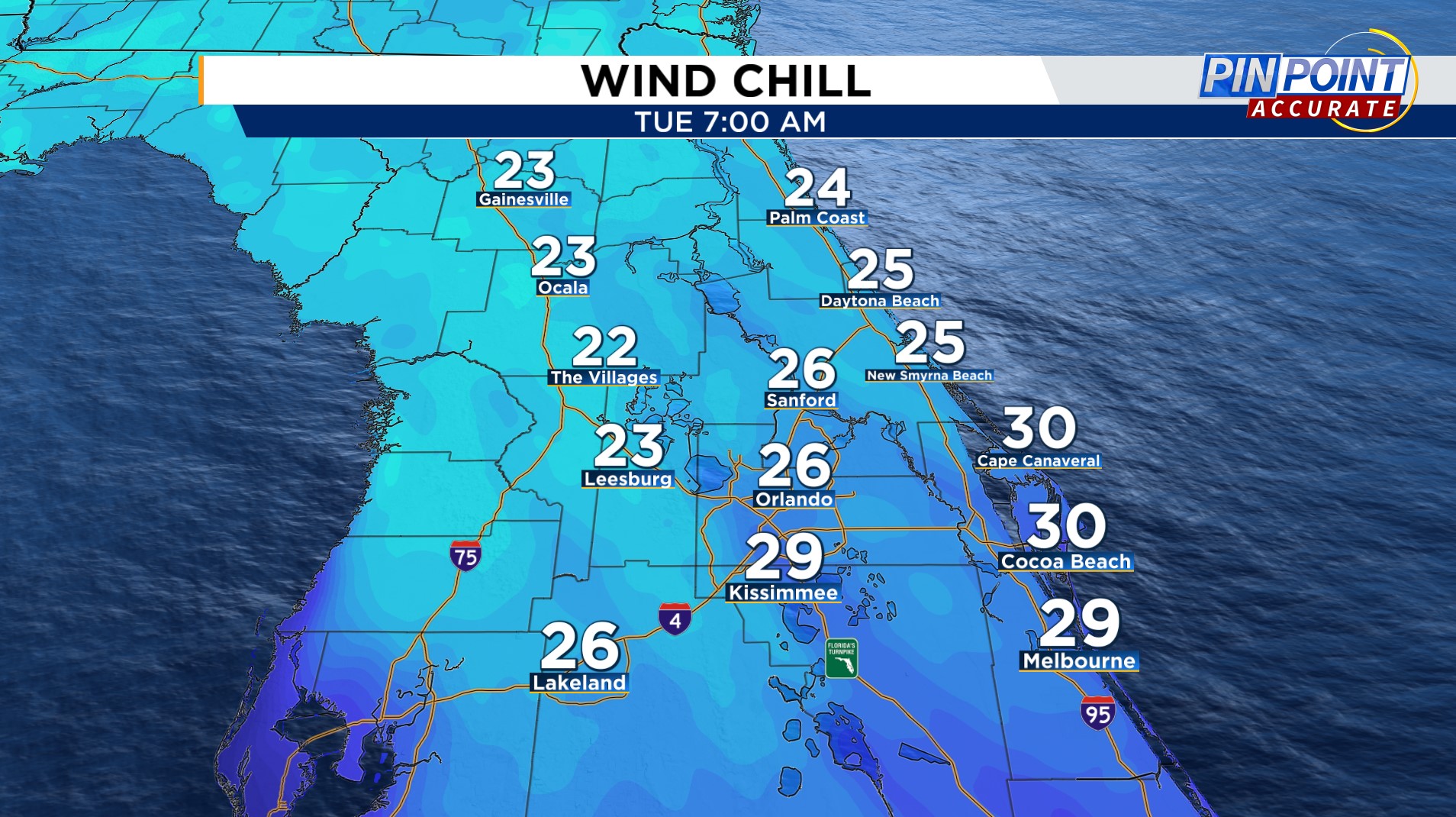
While this guide provides a general overview, staying informed about specific weather patterns is crucial for precise planning.
- National Weather Service: The National Weather Service is the definitive source for official weather forecasts and alerts for Florida and the entire United States.
- Local News and Weather Apps: Utilize local news channels and reputable weather applications for real-time updates as your travel dates approach. These sources can provide more granular information on incoming fronts and temperature changes.
By understanding the rhythm of Florida’s climate and the predictable, yet variable, arrival of its cold fronts, travelers can better position themselves to enjoy the Sunshine State in its most comfortable and appealing guise. The anticipation of cooler air is not a deterrent, but rather an invitation to experience Florida at its most invigorating.
LifeOutOfTheBox is a participant in the Amazon Services LLC Associates Program, an affiliate advertising program designed to provide a means for sites to earn advertising fees by advertising and linking to Amazon.com. Amazon, the Amazon logo, AmazonSupply, and the AmazonSupply logo are trademarks of Amazon.com, Inc. or its affiliates. As an Amazon Associate we earn affiliate commissions from qualifying purchases.