
The allure of the Sunshine State is undeniable, drawing millions of visitors annually for its pristine beaches, vibrant theme parks, and unique cultural tapestry. Beyond the well-trodden paths, however, lies a world of fascinating local events and traditions that offer a deeper dive into the authentic spirit of Florida. Among these is the enigmatic “Mullet Run,” a natural phenomenon that captivates both seasoned anglers and curious nature enthusiasts alike. Understanding when this event typically occurs is key to experiencing one of Florida’s most dynamic marine spectacles.
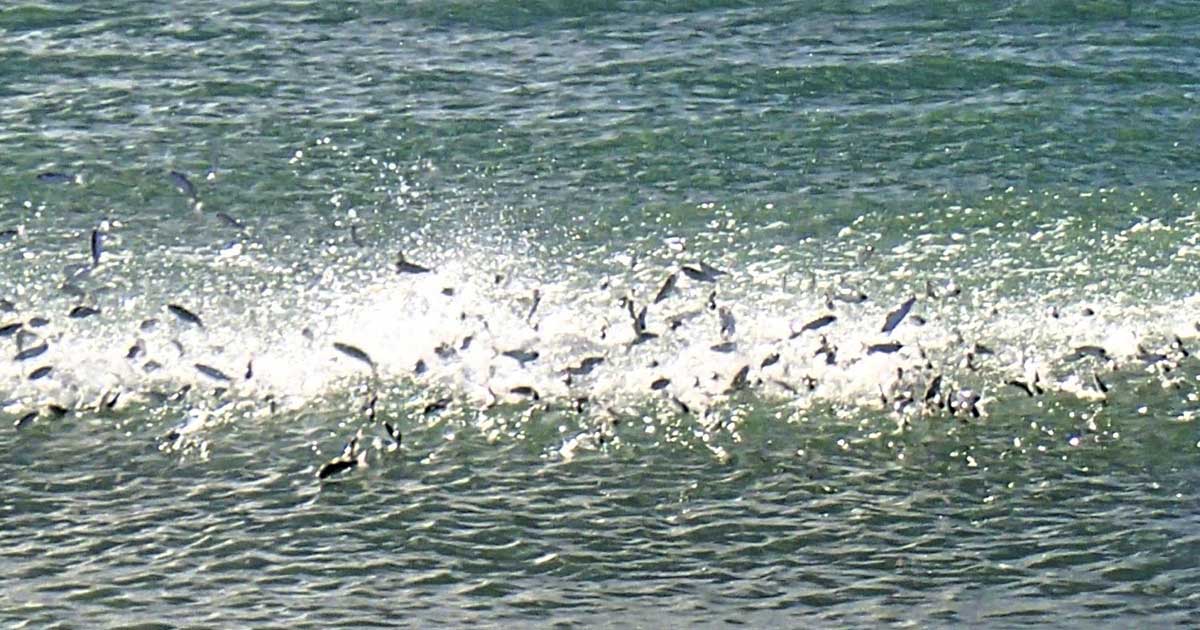
The Mullet Run is not a singular, scheduled festival, but rather a migratory pattern dictated by the seasonal rhythms of the ocean and the life cycles of the fish themselves. Primarily, it refers to the mass movement of mullet (both striped mullet and silver mullet) along the coastlines of Florida. This influx of fish serves as a critical food source for a vast array of marine predators, creating a feeding frenzy that is a sight to behold. For those planning a trip to witness this event, timing is everything.

Understanding the Mullet Run: A Seasonal Spectacle
The Mullet Run is a testament to the intricate dance of nature in Florida’s rich marine ecosystems. While the term “run” suggests a singular, predictable event, it’s more accurately a period characterized by significant, concentrated movement. The timing can fluctuate year by year due to a complex interplay of environmental factors.
The Genesis of the Run: Spawning and Migration
Mullet are anadromous fish, meaning they migrate from freshwater to saltwater to spawn. However, the “run” most commonly discussed in Florida refers to the post-spawning migration, where large schools of mature mullet move offshore to spawn, and then the subsequent migration of juvenile mullet moving back inshore.
Striped mullet (Mugil cephalus) are the primary species involved in the most visible “runs.” These fish are found in abundance along the entire Florida coast, from the panhandle to the Keys. Their migratory patterns are heavily influenced by water temperature, food availability, and the urge to reproduce.
The most significant and widely recognized Mullet Run typically occurs during the late summer and fall months. This period, roughly from August through November, is when the fish are thought to be moving offshore to their spawning grounds. As waters cool and baitfish populations shift, the mullet congregate in massive schools, often numbering in the thousands, and begin their journey.
Silver mullet (Mugil curema), while less prominent in the “run” narrative than striped mullet, also contribute to coastal fish movements during similar periods. Their presence further enriches the feeding opportunities for predators.
Environmental Triggers: Water Temperature and Food Availability
The precise timing of the Mullet Run is deeply intertwined with fluctuating water temperatures. As the summer heat begins to wane in late August and September, the cooler, nutrient-rich waters stimulate the mullet’s migratory instincts. This temperature shift is a critical cue for the fish to begin their journey.
Furthermore, the abundance and distribution of plankton and smaller baitfish play a significant role. The mullet are following their food sources, and their movement can be influenced by the blooms and shifts of these smaller organisms. When these food webs align with the optimal conditions for spawning migration, the Mullet Run becomes particularly pronounced.
Rainfall patterns can also indirectly influence the run. Increased freshwater inflow from rivers and estuaries, especially after heavy rains in late summer, can affect salinity levels and nutrient distribution, which in turn can guide or concentrate the mullet schools.
Prime Viewing Locations and Timing
While the Mullet Run is a coastal phenomenon, certain areas along the Florida coastline are renowned for experiencing more significant and predictable congregations of mullet. Knowing these hotspots can greatly enhance your chances of witnessing this natural spectacle.
The Panhandle and Northwest Florida
The Florida Panhandle, with its extensive coastline and rich estuarine systems, is a prime area for observing the Mullet Run. Cities like Destin, Panama City Beach, and Pensacola often see substantial movements of mullet, particularly during September and October. The clear, shallow waters of the Gulf of Mexico here provide excellent visibility for observing the fish. Anglers and wildlife watchers often gather on piers, jetties, and along the beaches to witness the event.
The Gulf Coast of Central and Southwest Florida
Moving south along the Gulf Coast, areas around Tampa Bay, Fort Myers, and Sarasota also experience impressive Mullet Runs. The intricate network of bays, passes, and barrier islands in this region offers sheltered areas where mullet often congregate before making their offshore movements. October and November are typically the peak months for these regions, as the water temperatures continue to moderate. Beaches like Siesta Key and Sanibel Island can be excellent vantage points.
The Atlantic Coast
While the Gulf Coast is often highlighted, the Atlantic coast of Florida is not immune to the Mullet Run. Areas from St. Augustine down to Miami can experience significant movements, though they might be less concentrated or predictable than on the Gulf side. The Atlantic coast runs are often more influenced by the prevailing currents and offshore conditions. October and November are generally the best months here as well, with specific passes and inlets becoming focal points for activity.
Best Time to Visit for Observation
For those specifically interested in observing the Mullet Run, the general window of mid-August through November is your best bet. Within this period, September and October are often considered the prime months for the most dramatic displays.
- Early August: The first signs of mullet moving may begin, often in smaller schools.
- Mid-August to September: Schools become larger and more frequent, especially along the Panhandle.
- October: This is frequently the peak month across much of the state, with large schools being a common sight.
- November: The runs may begin to taper off, especially in the northern parts of the state, but can still be significant, particularly in South Florida.
It’s important to note that weather patterns can cause slight variations. A particularly warm September might delay the start of the run, while an early cold snap could accelerate it. Monitoring local fishing reports and wildlife observations can provide more up-to-date information closer to your planned visit.
Experiencing the Mullet Run: Beyond Observation
The Mullet Run is more than just a visual spectacle; it’s an ecological event that supports a vibrant food chain and offers unique opportunities for various activities.
Angling Opportunities
For anglers, the Mullet Run is an exciting time of year. The sheer numbers of mullet attract a wide variety of predatory fish, turning coastlines into prime fishing grounds. Species such as redfish, trout, snook, tarpon, and various sharks will actively feed on the migrating mullet.
- Inshore Fishing: Flats, bays, and nearshore waters become hotspots for game fish targeting mullet. Light tackle anglers can have a field day casting artificial lures or live bait designed to imitate mullet.
- Offshore Fishing: Deeper waters see larger predators like sharks and barracuda join the feeding frenzy. Charter fishing operations often capitalize on these conditions.
- Catch and Release: Many conservation-minded anglers practice catch and release, especially when targeting larger species like tarpon, allowing these magnificent fish to thrive.
Wildlife Watching and Photography
The feeding frenzies created by the Mullet Run are a photographer’s and wildlife enthusiast’s dream. Witnessing pelicans diving, dolphins herding mullet, and seabirds feasting is an unforgettable experience.
- Bird Watching: Numerous species of seabirds, including gulls, terns, and pelicans, will be present, actively feeding on the abundant mullet.
- Dolphin and Whale Watching: Dolphins are particularly adept at exploiting the Mullet Run, often seen working in pods to corral the fish. While less common, larger marine mammals might also be attracted to the area by the increased food supply.
- Photography Tips: Patience is key. Arrive early or stay late for the best light. Look for areas with natural choke points like inlets or passes where the mullet are likely to be concentrated. Binoculars are a must for observing distant activity.
Understanding the Ecosystem
The Mullet Run is a powerful reminder of the interconnectedness of marine life. It highlights the importance of healthy coastal and estuarine environments.
- Estuarine Health: The presence of healthy mullet populations indicates thriving nursery grounds in bays and estuaries, where juvenile fish grow before migrating.
- Predator-Prey Dynamics: Observing the run provides a live demonstration of predator-prey relationships, showcasing the essential role mullet play in the food web.
- Conservation: Understanding these natural cycles underscores the importance of conservation efforts to protect Florida’s coastlines, waterways, and the diverse species that depend on them.
Planning Your Visit: Essential Tips
To make the most of your experience with the Mullet Run, careful planning is essential. This natural event offers a unique glimpse into the wild side of Florida, but requires a proactive approach to fully appreciate.
Accommodation Options
Your choice of accommodation will depend on your preferred viewing locations and desired experience.
- Beachfront Hotels and Resorts: For those who want to be steps from the action, beachfront properties in popular coastal towns offer convenience. Consider resorts in Clearwater Beach, South Beach, or the Florida Keys depending on the specific part of the coast you wish to explore.
- Vacation Rentals: Renting a condo or house can provide more space and a home-away-from-home feel, ideal for families or longer stays. Many rentals are available near popular fishing spots and beaches.
- Campgrounds and RV Parks: For the budget-conscious or those seeking a closer connection to nature, numerous campgrounds and RV parks dot the Florida coastline, especially in state parks.
Travel Considerations
- Vehicle Rental: A rental car is highly recommended for exploring different viewing locations along the coast. Florida is a large state, and public transportation between coastal towns can be limited.
- Weather Preparedness: Florida weather in late summer and fall can be unpredictable. Be prepared for heat, humidity, and potential thunderstorms. Sunscreen, hats, insect repellent, and light rain gear are essential.
- Fishing Licenses: If you plan to fish, ensure you obtain the necessary Florida fishing license. Licenses can be purchased online or at bait and tackle shops.

Respecting the Environment
The Mullet Run is a natural spectacle that should be appreciated responsibly.
- Leave No Trace: Pack out everything you pack in. Dispose of trash properly to protect the fragile coastal ecosystems.
- Observe from a Distance: When observing wildlife, especially during feeding frenzies, maintain a respectful distance. Avoid disturbing the animals or their habitats.
- Support Local Businesses: Consider patronizing local bait and tackle shops, restaurants, and charter services that cater to the fishing and wildlife tourism community.
By understanding the nuances of the Mullet Run and planning accordingly, visitors can experience one of Florida’s most dynamic and captivating natural events, gaining a deeper appreciation for the state’s rich biodiversity and the rhythms of its coastal life.
LifeOutOfTheBox is a participant in the Amazon Services LLC Associates Program, an affiliate advertising program designed to provide a means for sites to earn advertising fees by advertising and linking to Amazon.com. Amazon, the Amazon logo, AmazonSupply, and the AmazonSupply logo are trademarks of Amazon.com, Inc. or its affiliates. As an Amazon Associate we earn affiliate commissions from qualifying purchases.