
The Alaskan Dream: More Than Just a Myth?
The notion of a state actively paying individuals to relocate within its borders often sounds like a utopian fantasy, yet for Alaska, the “Last Frontier,” this intriguing question holds a kernel of truth. For decades, the myth and reality have intertwined, drawing countless inquiries from those dreaming of a fresh start amidst pristine wilderness. At the heart of this discussion lies the Alaska Permanent Fund Dividend (PFD), a unique program designed to share the state’s mineral wealth directly with its residents. While not a direct incentive to move to Alaska in the traditional sense, the PFD undeniably plays a significant role in the financial landscape and lifestyle considerations for anyone contemplating a move to this vast, beautiful, and often challenging state.
This financial mechanism, coupled with the allure of unparalleled natural beauty, adventure, and a distinct way of life, forms the core of the “Alaskan dream.” Prospective residents are often captivated by images of majestic glaciers, abundant wildlife, and vibrant indigenous cultures, but it’s the underlying economic realities and the potential for a dividend that frequently tips the scales. Understanding how this system works, alongside the genuine costs and benefits of Alaskan living, is crucial for anyone seriously considering making the big move. It’s not merely about receiving a payment; it’s about integrating into a unique socioeconomic ecosystem and embracing a lifestyle unlike almost anywhere else in the United States.
Unpacking the Alaska Permanent Fund Dividend: Reality vs. Expectation
The Alaska Permanent Fund Dividend is arguably the most famous and distinctive financial program in the state, directly addressing the question of whether Alaska “pays you to move there.” Established in 1976, the Alaska Permanent Fund was created to save a portion of the state’s oil revenues for future generations. Each year, a portion of the fund’s earnings is distributed to eligible Alaskan residents through the PFD. While often perceived as a direct payment for relocation, it’s more accurately understood as an annual share of the state’s natural resource wealth for long-term residents.
Who Qualifies for the PFD?
Eligibility for the Alaska Permanent Fund Dividend is stringent and requires a genuine commitment to residency. To qualify, an individual must:
- Have been an Alaskan resident for a full calendar year preceding the application year. This means if you move to Alaska in January 2024, the earliest you could apply for a PFD is January 2025, for the dividend issued later that year.
- Intend to remain an Alaskan resident indefinitely. This is often demonstrated through actions such as registering to vote, obtaining an Alaskan driver’s license, and maintaining a primary domicile in the state.
- Not claim residency in another state or country.
- Not be absent from Alaska for more than 180 days during the calendar year, with certain exceptions for medical, educational, or military reasons.
- Not have been incarcerated or convicted of certain felony offenses during the qualifying period.
These rules underscore that the PFD is not a quick payout for new arrivals but a benefit for established community members. It encourages long-term residency and participation in the Alaskan way of life, rather than transient migration.
The Financial Impact: What to Expect Annually
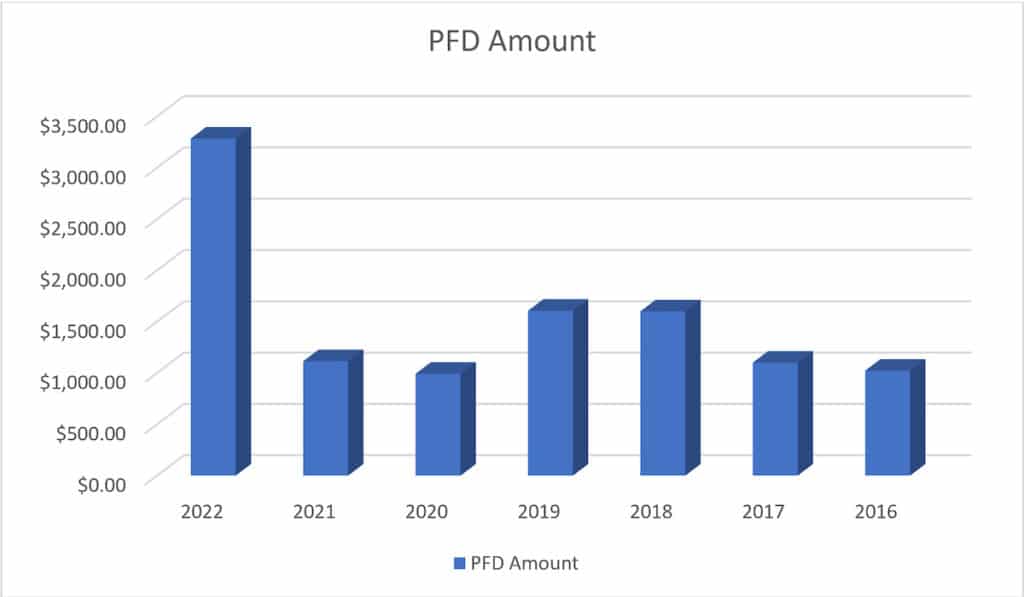
The amount of the Alaska Permanent Fund Dividend varies significantly year to year, determined by the market value of the fund, the state’s investment earnings, and legislative decisions. There is no fixed amount, and payouts can fluctuate dramatically. For instance, recent years have seen dividends ranging from around $1,000 to over $3,000 per eligible individual. This makes it challenging to factor a precise PFD amount into long-term financial planning.
For a family of four, an annual PFD could represent a substantial boost to household income, potentially totaling $4,000 to $12,000 or more in a good year. This can certainly help offset some of the higher costs associated with living in Alaska, such as heating oil or groceries. However, it’s crucial to approach this income source with realistic expectations. It should be seen as a bonus, not a primary income stream or a guaranteed means of funding a relocation.
Is the PFD Enough to Fund a Move?
In short, no. While the prospect of an annual payment is attractive, the Alaska Permanent Fund Dividend is not designed, nor is it substantial enough, to cover the significant costs of moving to Alaska or sustaining oneself upon arrival. Relocation expenses, including transportation, setting up a new household, and initial living costs, can be considerable, especially given Alaska’s remote nature.
Furthermore, the waiting period for eligibility means that new residents will typically live in the state for at least a year and a half before receiving their first dividend check. During this time, they must be fully self-sufficient. While some smaller, localized programs or job incentives might exist in specific industries or remote areas, they are generally targeted and not widespread “payments to move” in the same vein as the PFD. Thus, a move to Alaska should be predicated on secure employment, adequate savings, and a robust financial plan, with the PFD considered a welcome, but unpredictable, supplement.
Cost of Living: The Other Side of the Alaskan Coin
While the allure of the Alaska Permanent Fund Dividend is strong, it’s essential for prospective residents to critically evaluate the cost of living in Alaska. The state’s unique geography, climate, and logistical challenges contribute to significantly higher expenses in many categories compared to the contiguous United States. Understanding these financial realities is paramount to building a sustainable lifestyle in the Last Frontier.
Navigating Housing and Utilities
Housing costs in Alaska can be a mixed bag. In major urban centers like Anchorage or Juneau, housing prices can be comparable to or even higher than some mid-sized cities in the Lower 48. Rental markets can be competitive, and purchasing a home often comes with a premium. Remote communities, while sometimes offering more affordable initial property costs, often present challenges in terms of availability, infrastructure, and access to services. Building materials must often be shipped long distances, driving up construction costs.
Utilities are where Alaskan expenses truly diverge. Heating, a necessity for much of the year, is expensive. Many areas rely on heating oil, which can fluctuate wildly in price. Electricity rates can also be higher, especially in rural areas not connected to a large grid. Water and sewer services, particularly in very remote locations, might involve private systems (wells and septic tanks) or more costly community solutions. The long, dark winters necessitate significant energy consumption for both warmth and light, making utility bills a substantial portion of monthly expenditures.
Food, Goods, and Remote Logistics
Bringing goods into Alaska is a logistical challenge that directly impacts consumer prices. Most manufactured goods and a significant portion of fresh produce must be shipped or flown in, incurring substantial transportation costs that are passed on to consumers. This means groceries, clothing, electronics, and even common household items often carry a higher price tag than elsewhere.
For instance, a gallon of milk, a loaf of bread, or fresh fruits and vegetables can be notably more expensive in Anchorage than in Seattle, and even higher in more remote communities like Barrow (now Utqiaġvik) or Nome. Savvy Alaskans learn to adapt by stocking up on non-perishables, hunting and fishing, gardening during the brief summer, and embracing local products when available. The lifestyle often shifts towards greater self-sufficiency and careful budgeting for imported goods.
Transportation and Connectivity in the Wilderness
Transportation is another critical expense. Owning a reliable vehicle, often a four-wheel-drive, is essential for navigating Alaska’s varied terrain and winter conditions. Gasoline prices are generally higher due to transportation costs, and vehicle maintenance is crucial given the harsh climate. For travel between communities, especially those not connected by road, flying is often the only option. Bush plane flights, while essential for many, are expensive and weather-dependent.
Public transportation exists in larger cities like Anchorage and Fairbanks, but it’s limited compared to major metropolitan areas in the Lower 48. Connectivity can also be a challenge. While internet and cell service are available in most populated areas, speeds can be slower and costs higher than average, particularly in more remote locales. These factors must be weighed against any potential financial benefits from the PFD, as they significantly impact the overall budget and daily lifestyle.
Beyond the Dividend: Crafting a Life in the Last Frontier
While the question of financial incentives often sparks initial interest in Alaska, successfully relocating and building a fulfilling life there extends far beyond the Alaska Permanent Fund Dividend. It’s about embracing a unique lifestyle, adapting to formidable challenges, and finding one’s place within vibrant, resilient communities. The true reward of living in Alaska often lies in its intangible benefits and the profound personal growth it fosters.
Work, Recreation, and Community Spirit
The Alaskan economy is diverse, with key sectors including oil and gas, fishing, tourism, mining, and military operations. Finding stable employment is crucial for any successful move. Many jobs are seasonal, particularly in tourism and fishing, requiring flexibility and good financial planning. However, for those seeking opportunities in these core industries or in public service, healthcare, and education, Alaska offers a competitive job market with wages often reflecting the higher cost of living.
Recreation is deeply woven into the Alaskan lifestyle. For outdoor enthusiasts, it’s a paradise. Activities like hiking, fishing, hunting, skiing, snowmachining (snowmobiling), kayaking, and wildlife viewing are not just hobbies but integral parts of daily life. The proximity to stunning natural landscapes like Denali National Park, the Kenai Fjords National Park, and countless wilderness areas offers unparalleled access to adventure. This connection to nature often defines the lifestyle and fosters a strong sense of well-being for many residents.
Alaskan communities, whether large cities like Anchorage and Fairbanks or smaller towns like Homer or Sitka, are often characterized by a strong sense of community spirit and self-reliance. People tend to look out for each other, especially given the shared experiences of living in a challenging environment. This tight-knit social fabric can be a major draw for those seeking a deeper sense of belonging. Potlucks, local festivals, and community events are common, creating opportunities for newcomers to integrate and connect.
Adapting to Unique Challenges: Climate and Isolation
Living in Alaska demands resilience and adaptability. The climate is a significant factor. Winters are long, dark, and cold, especially in the interior and northern regions. Dealing with extreme temperatures, persistent snow, and limited daylight hours requires mental fortitude and practical preparations, from appropriate clothing to reliable heating systems. Conversely, summers bring long days of perpetual daylight, which can also take adjustment.
Isolation is another reality, particularly outside of the major population centers. While some embrace the solitude and vastness, it can be a challenge for others. Access to specialized medical care, diverse shopping options, and a wide range of cultural activities might be limited depending on one’s location. Building a support network and actively seeking out social engagement become vital strategies for thriving.

Finding Your Niche: Industries and Opportunities
Alaska offers a unique blend of opportunities for those willing to embrace its distinct characteristics. Beyond traditional industries, there’s a growing focus on renewable energy, technology, and sustainable tourism. Entrepreneurship thrives in many communities, driven by the need for local solutions and services. For individuals with a pioneering spirit, a love for the outdoors, and a practical mindset, Alaska can provide a backdrop for a truly unique and rewarding lifestyle.
Ultimately, while the Alaska Permanent Fund Dividend serves as an interesting financial aspect of living in Alaska, it’s far from the sole or primary reason to move. The true “payment” for many who choose the Last Frontier is the unparalleled access to nature, the unique community bonds, and the personal strength forged by living in such a demanding yet breathtaking environment. It’s a lifestyle choice, an adventure, and a commitment to a way of life that values independence, resilience, and a deep connection to the wild.
LifeOutOfTheBox is a participant in the Amazon Services LLC Associates Program, an affiliate advertising program designed to provide a means for sites to earn advertising fees by advertising and linking to Amazon.com. Amazon, the Amazon logo, AmazonSupply, and the AmazonSupply logo are trademarks of Amazon.com, Inc. or its affiliates. As an Amazon Associate we earn affiliate commissions from qualifying purchases.